Finding a large piece of land in California with existing cabins, water features and substantial privacy can be difficult without moving into a much higher price range. That is what makes this unusual rural property near Douglas City worth examining.
Located at 1500 & 1551 Reading Creek Road, Douglas City, California, the property is currently listed for $142,500 and includes approximately 95 acres spread across two parcels.
But acreage is only part of the story.
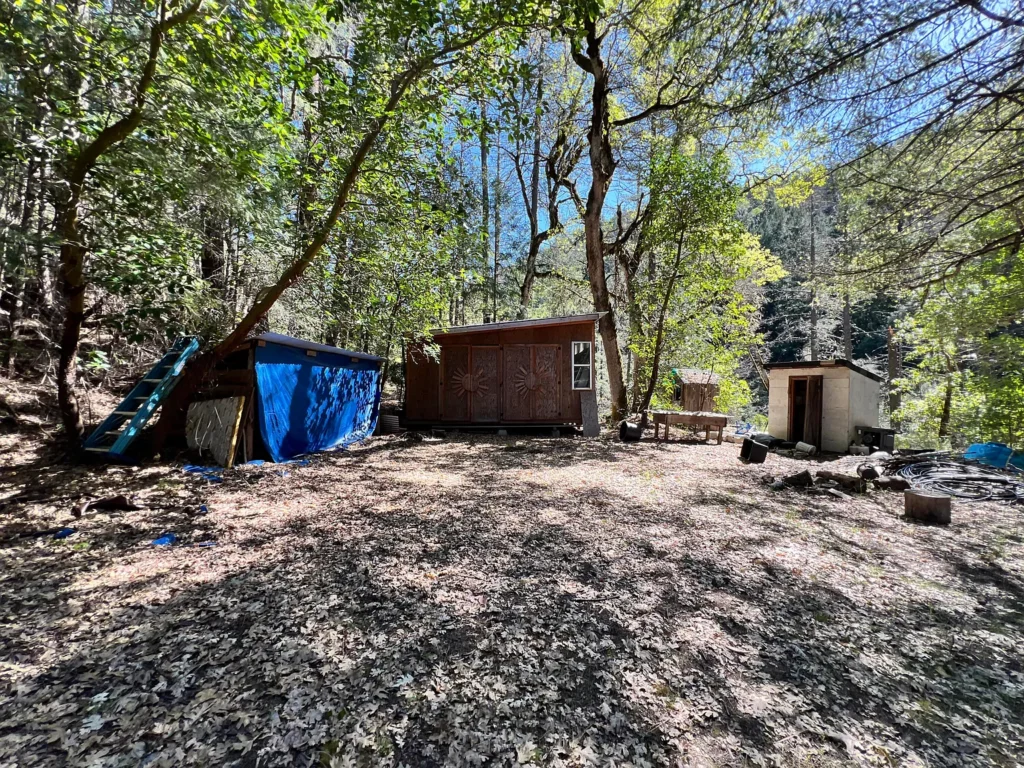
According to the listing information, the property also includes two insulated cabins, multiple outbuildings, garden areas, large water-storage tanks and approximately 172 feet of a year-round creek running through the property.
For buyers researching California land for sale, off-grid properties or secluded recreational acreage, the asking price may immediately attract attention. However, this is not a conventional move-in-ready home, and understanding the infrastructure, terrain and potential additional costs is essential.
What Does $142,500 Buy Here?
The property consists of approximately 95 acres divided between two parcels.
The smaller parcel is described as being more than eight acres and contains the existing structures and water tanks. The second parcel contains more than 86 acres and is described as steep terrain that primarily provides privacy, although the listing suggests that portions could potentially be accessed.
Existing improvements reportedly include:
- Two insulated cabins
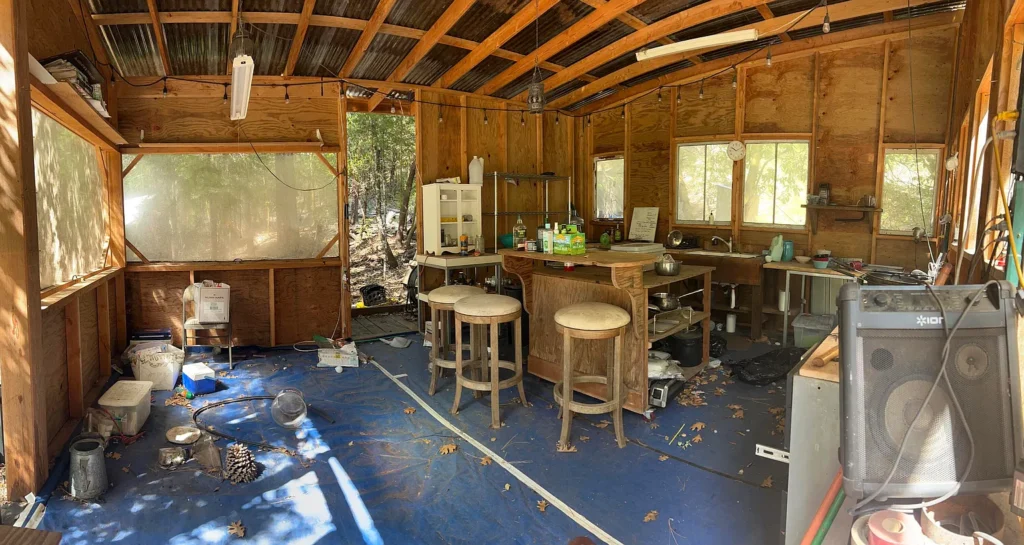
- A community kitchen
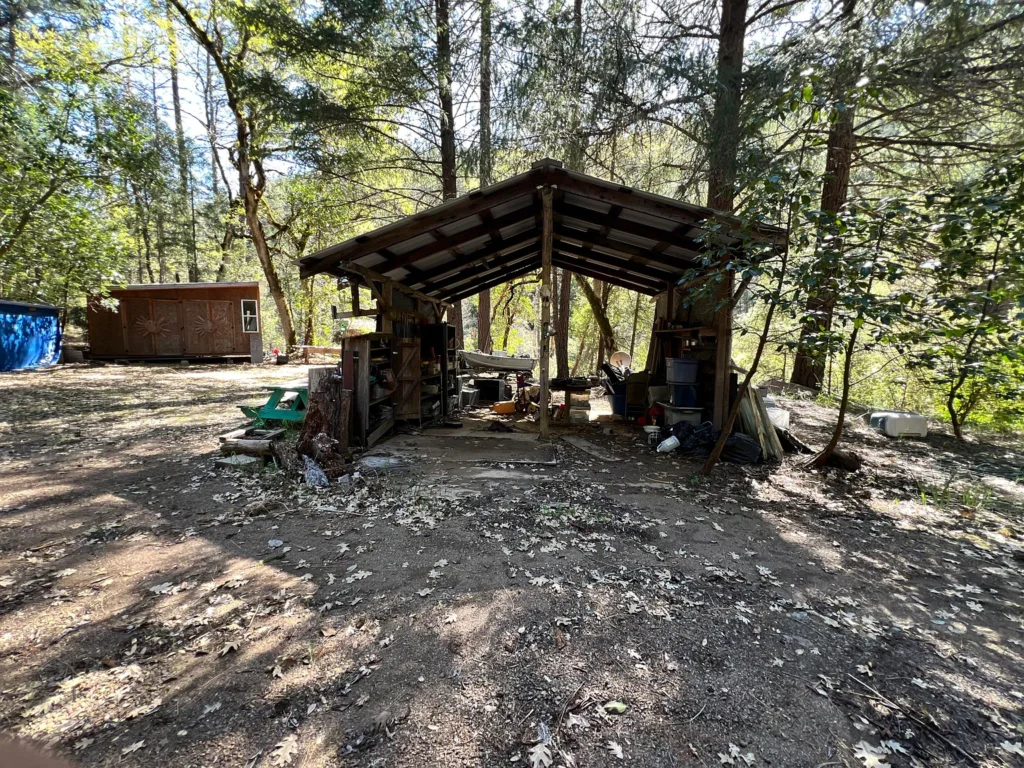
- Indoor and outdoor workshop areas
- Multiple outbuildings
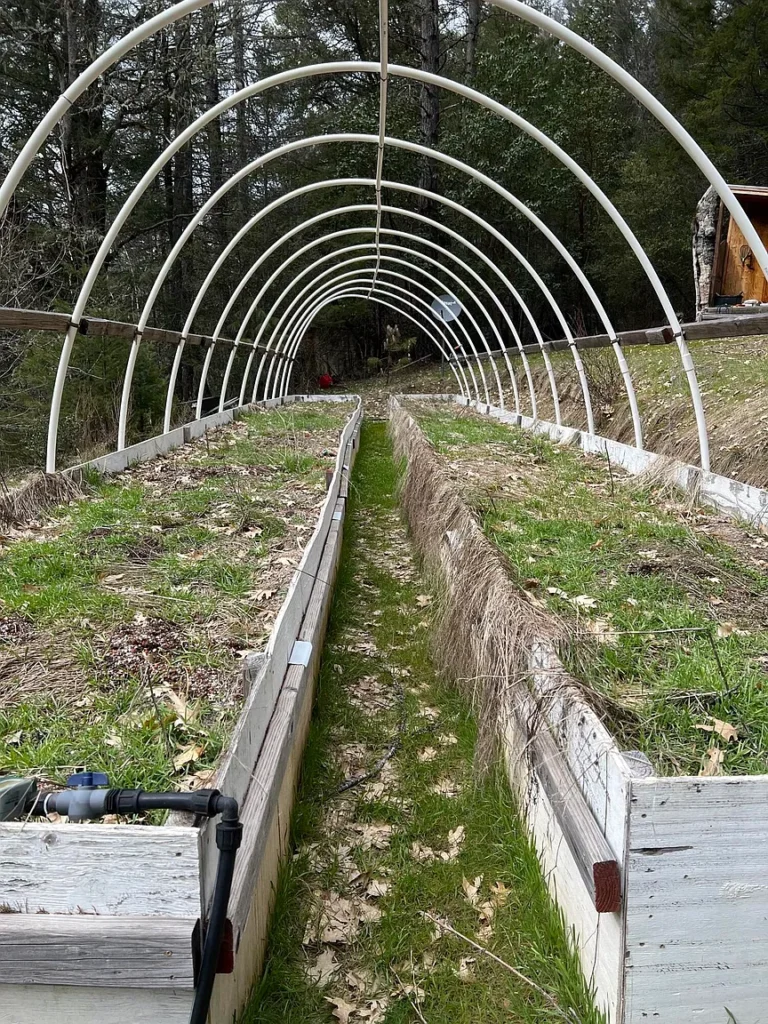
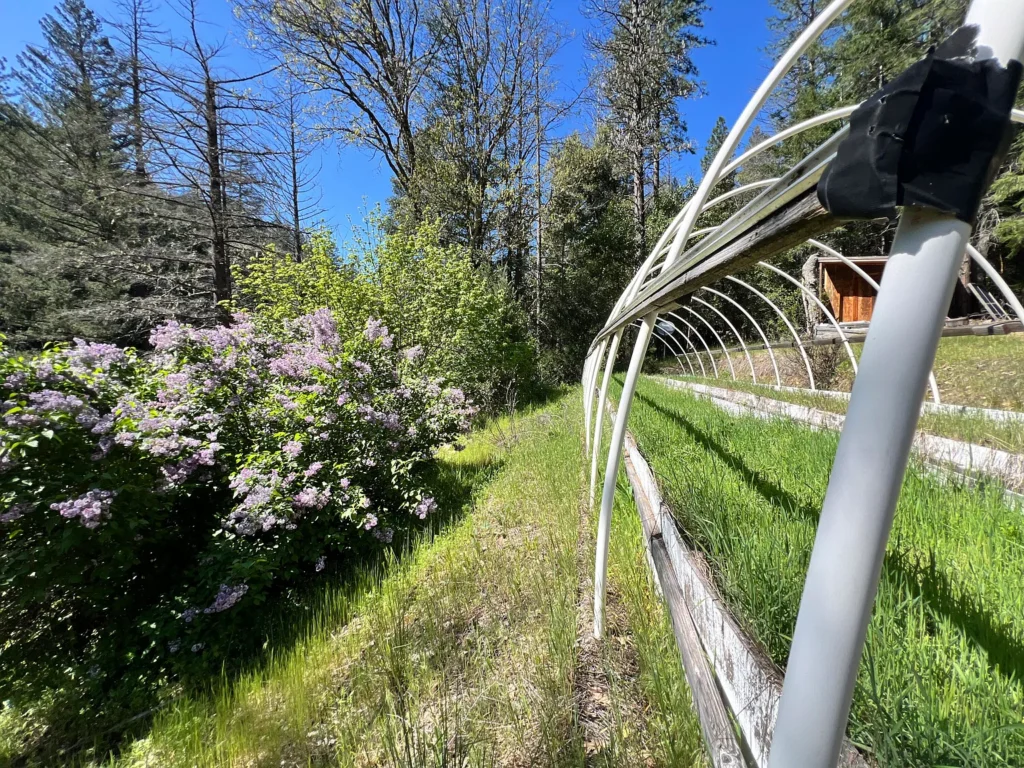
- Garden areas
- Three 5,000-gallon water tanks
- Electronic gated access
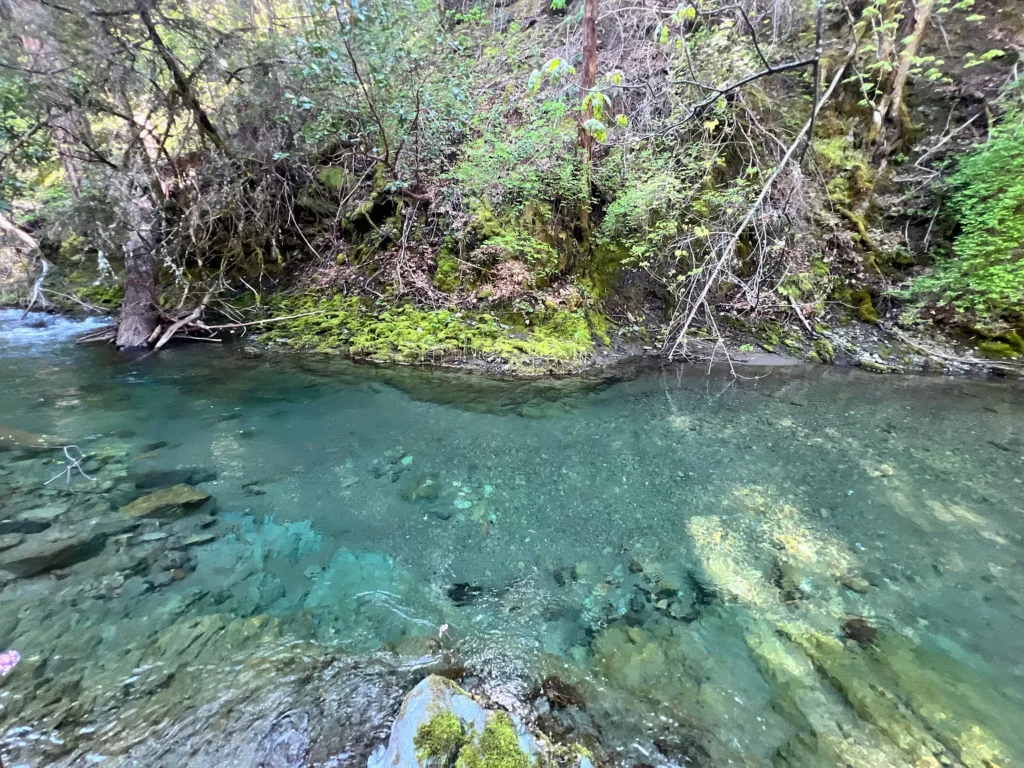
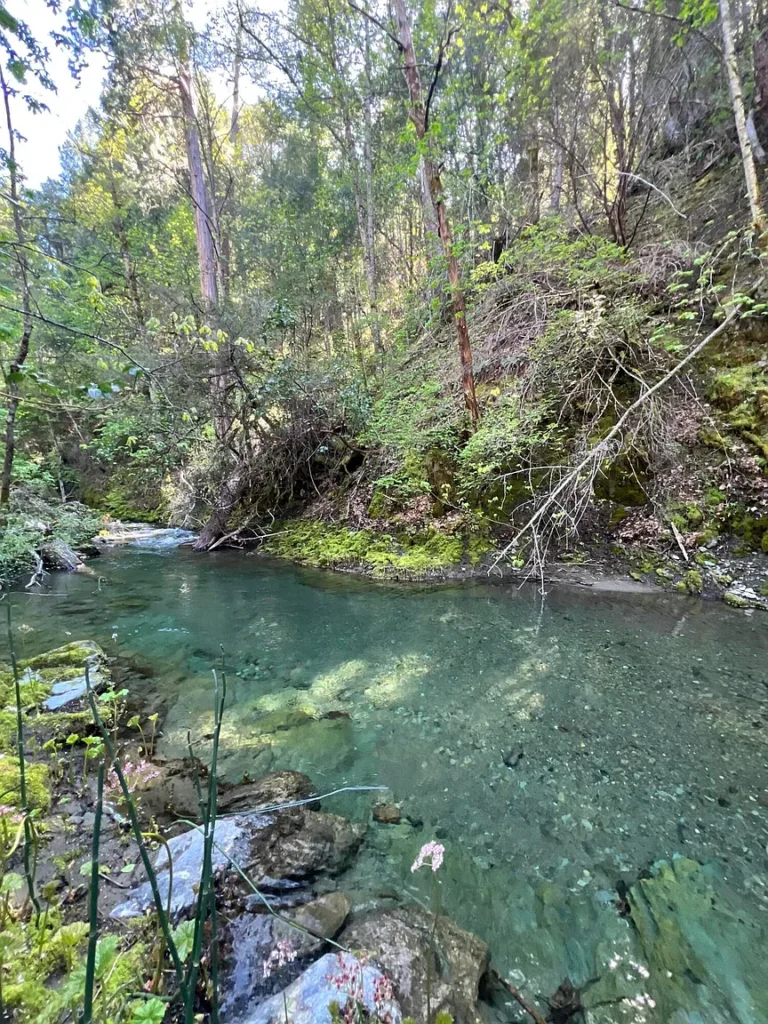
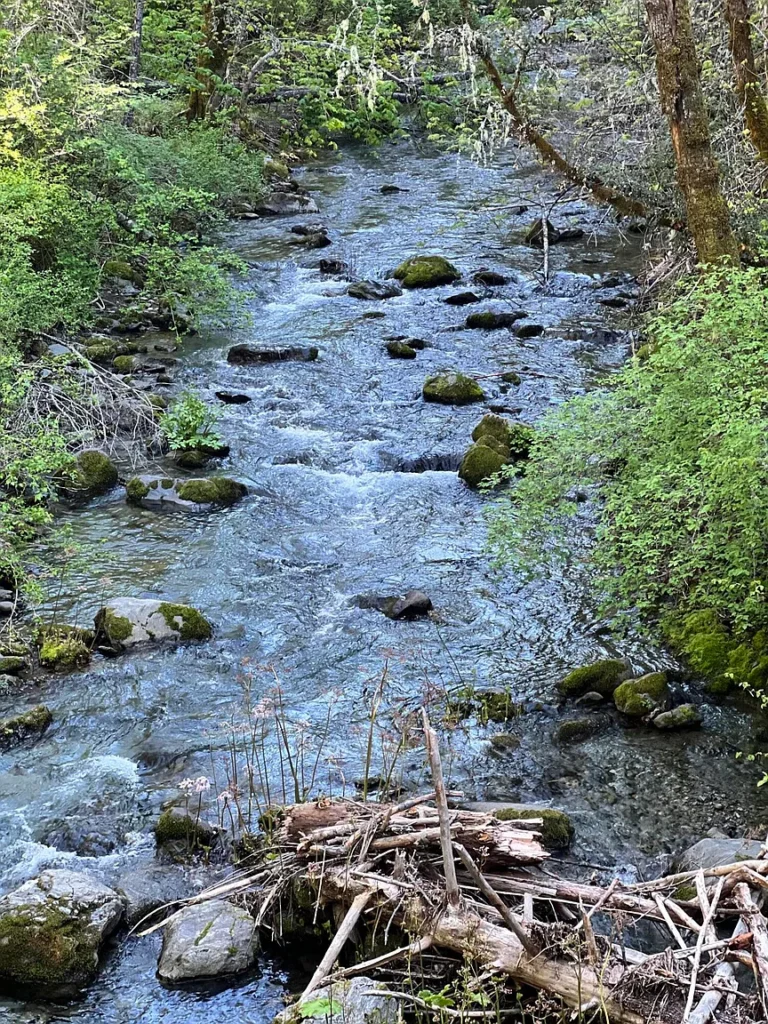
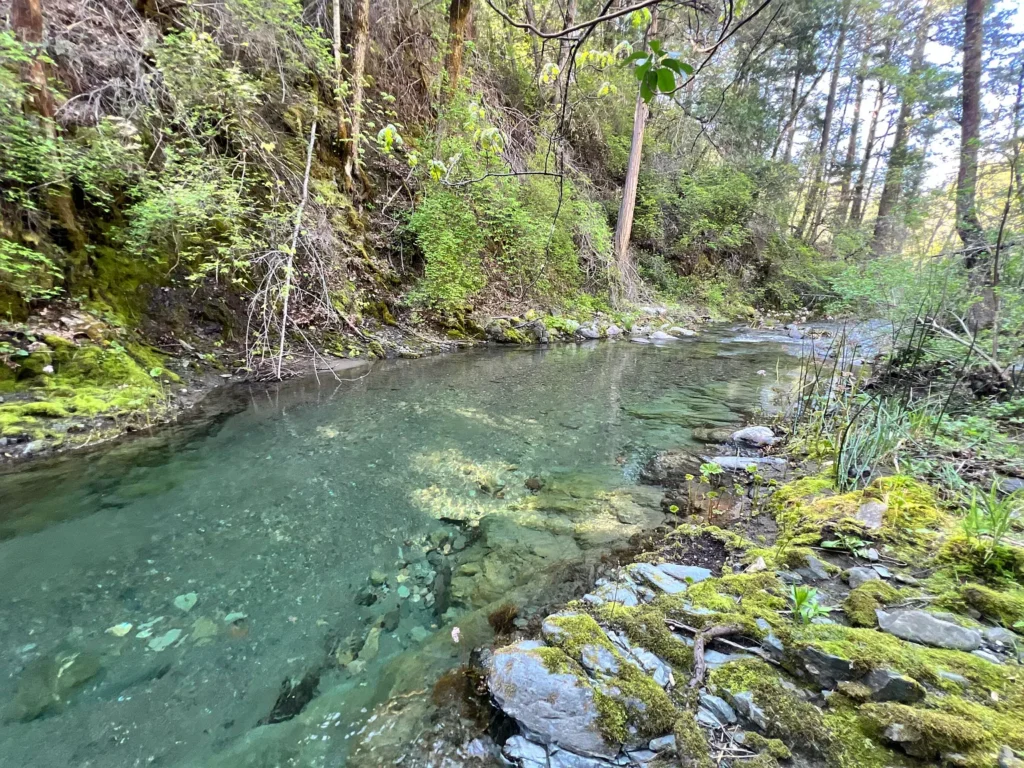
- Access to a year-round creek
This is an important distinction for prospective buyers.
Someone searching for a traditional two-bedroom California house may find the property unsuitable. A buyer looking for off-grid land, recreational property or a private homestead project, however, may view the existing infrastructure very differently.
About $1,500 Per Acre — But That Number Needs Context
Dividing the $142,500 asking price by 95 acres produces a simple figure of approximately:
$1,500 per acre
At first glance, that can make the property appear extremely inexpensive compared with many California real estate markets.
However, price per acre should not be used by itself to determine whether this property represents good value.
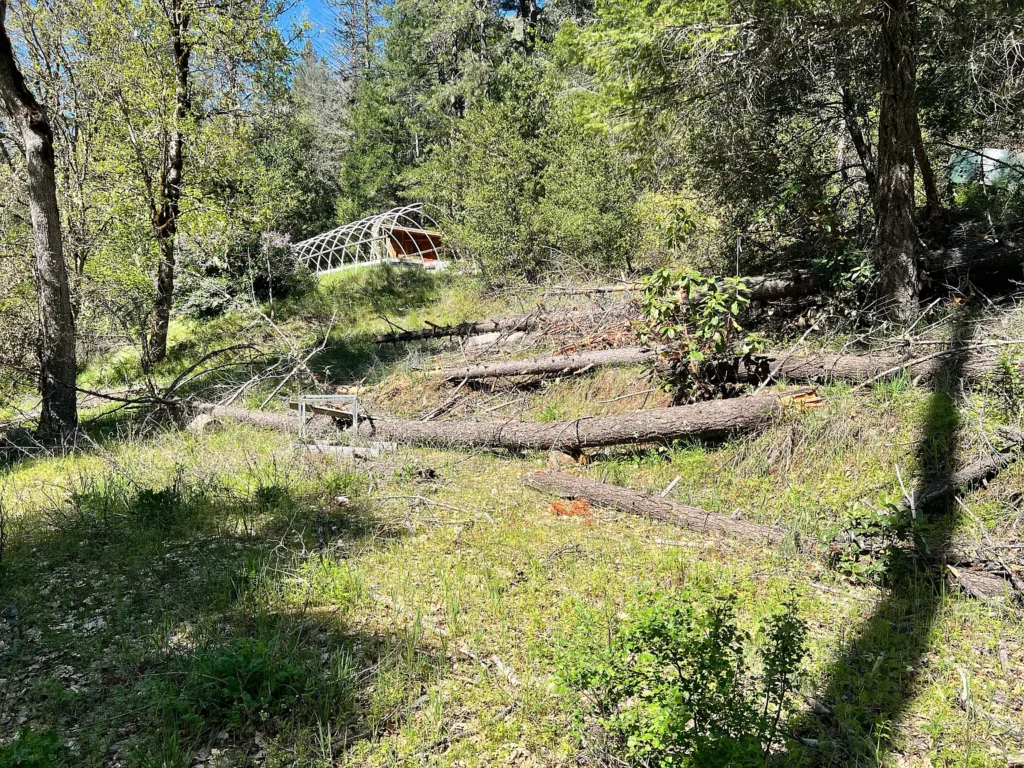
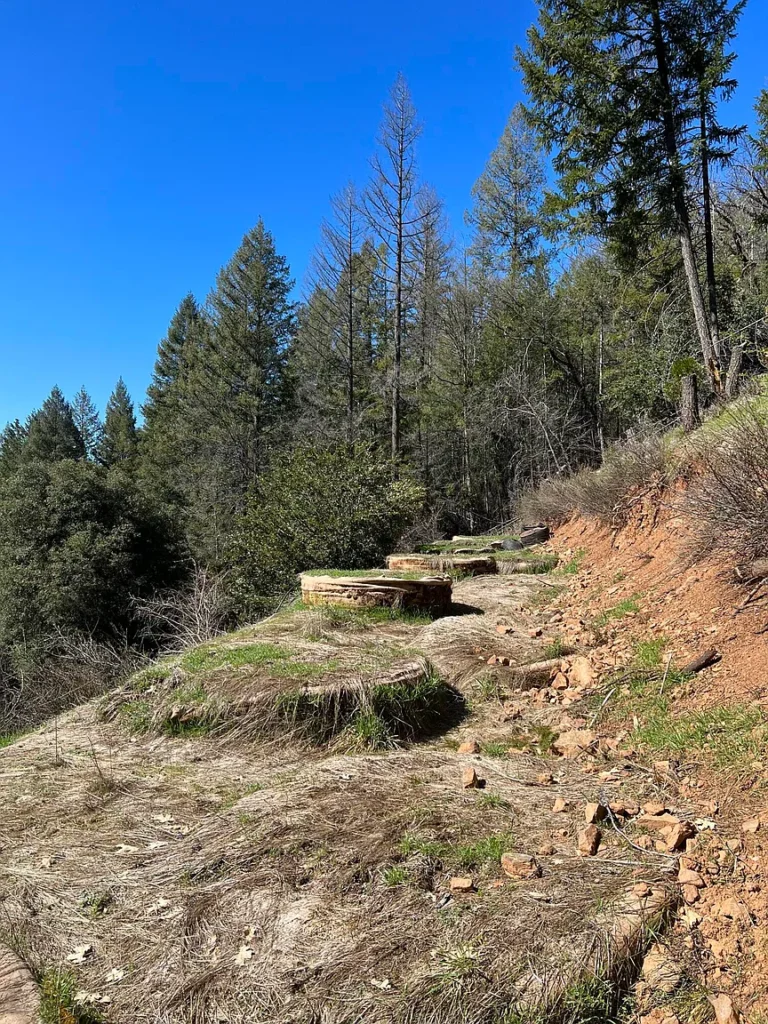
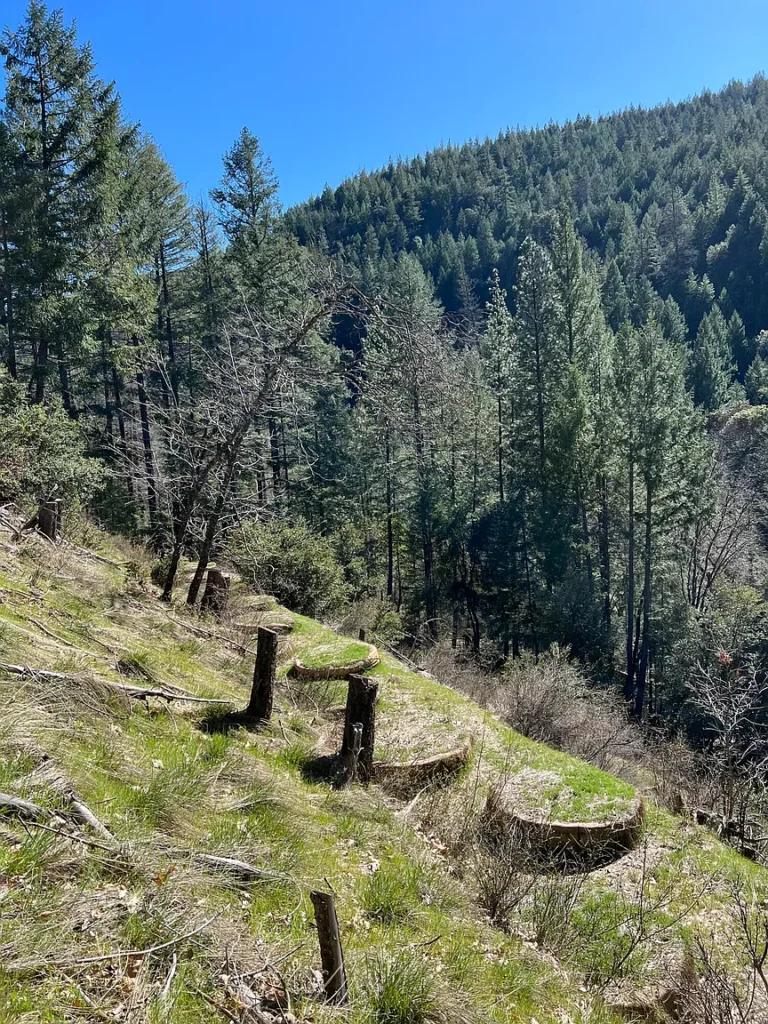
The 95 acres are not necessarily 95 acres of easily developable land. According to the listing, a substantial portion of the larger parcel is steep.
Topography can affect road construction, building locations, septic installation, utility expansion and the practical usability of rural acreage.
At the same time, this is not simply vacant land. The asking price also includes existing cabins, outbuildings, water-storage infrastructure and other improvements.
A better valuation would compare this property with other rural properties in Trinity County that have similar terrain, road access, water availability and improvements.
The Year-Round Creek Could Be One of the Property’s Biggest Attractions
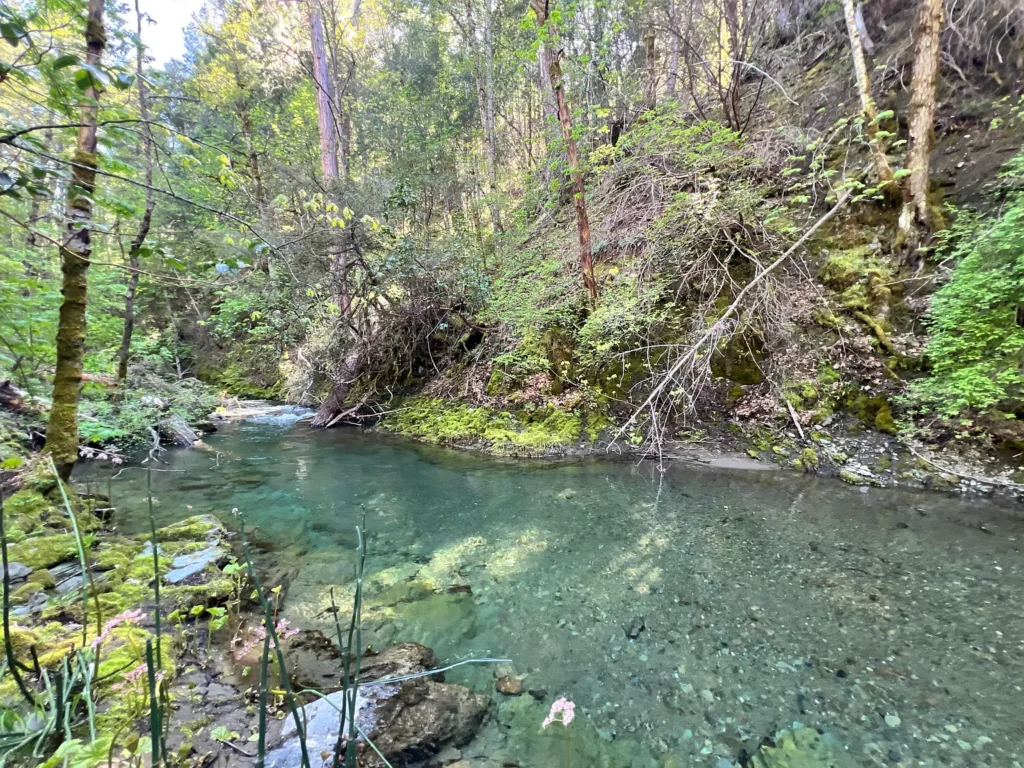
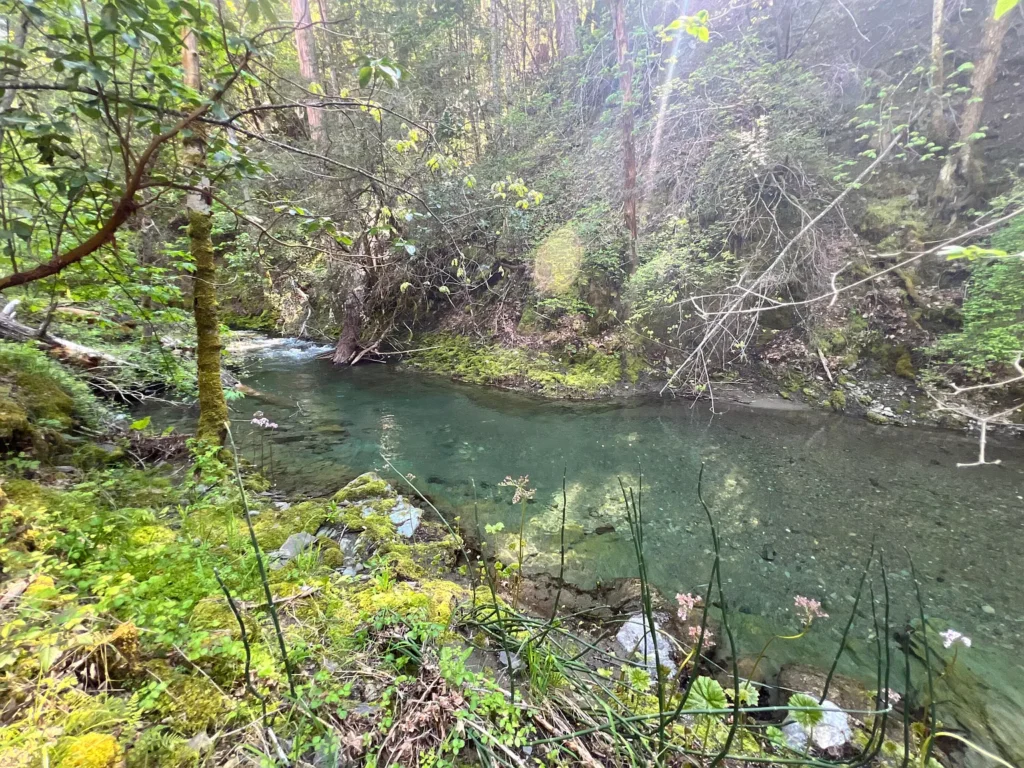
One of the most distinctive features is the reported year-round creek.
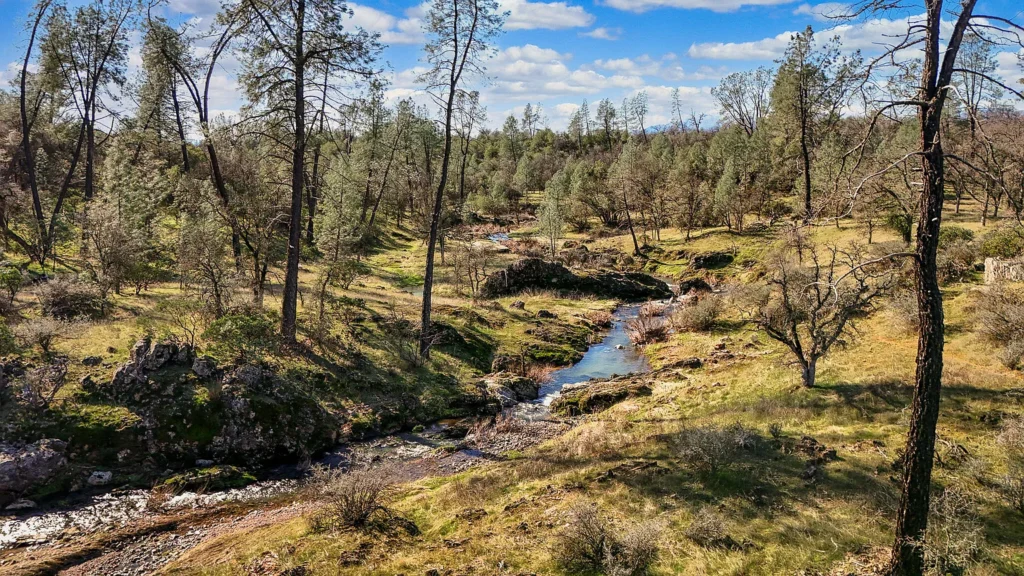
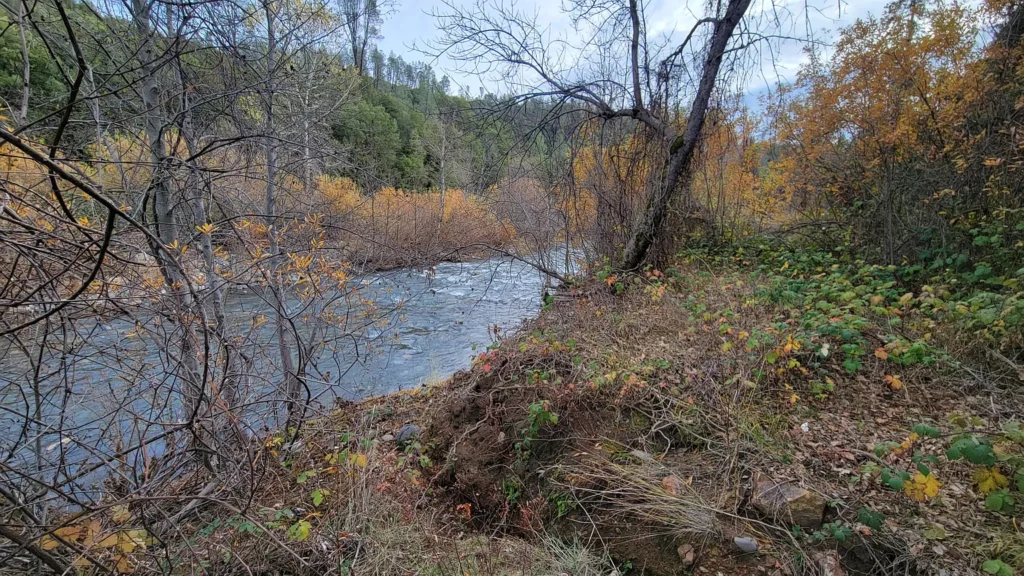
The listing describes approximately 172 feet of creek running through the parcel, and the property photos show a heavily wooded waterway with clear pools and flowing water.
For a recreational property, this can significantly change the character of the land.
A creek may provide aesthetic and recreational value and can make a remote property much more appealing than similarly priced dry acreage.
However, buyers should not assume that owning land beside a creek automatically provides unrestricted rights to divert or use the water.
California water rights and environmental regulations can be complicated. Anyone considering using creek water for irrigation, household purposes or other projects should verify the applicable rights and regulations independently before purchasing.
This Is an Off-Grid Property
Perhaps the most important factor buyers need to understand is that this is not a conventional residential property with all normal utilities already connected.
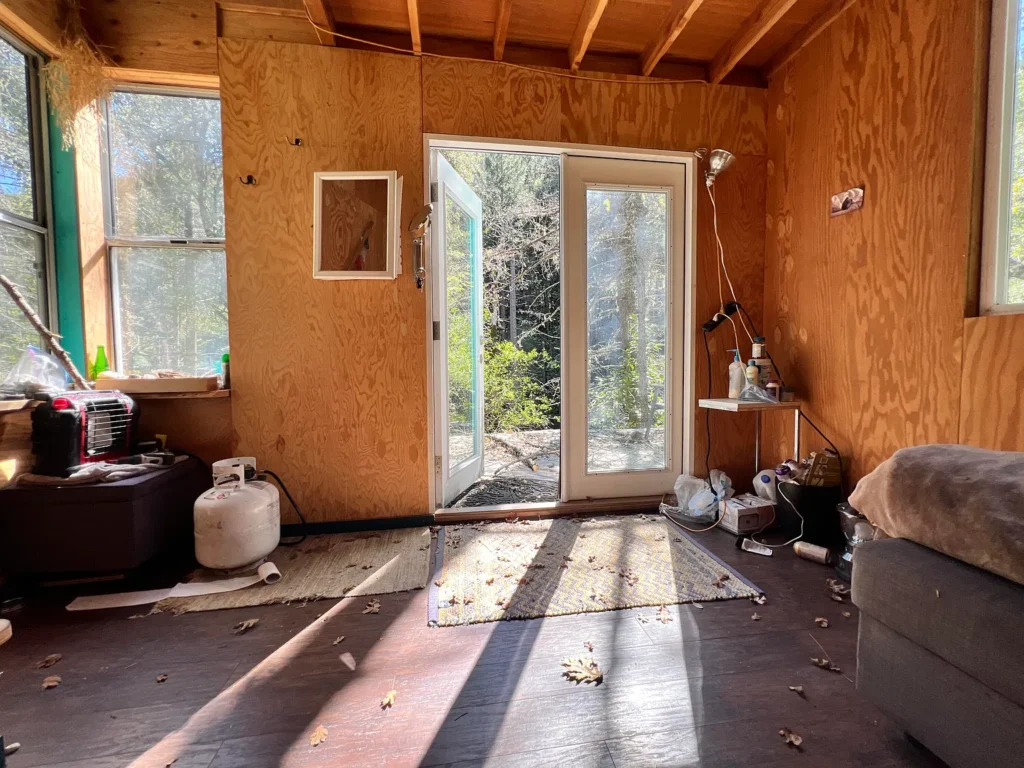
The listing states that the property currently needs a septic system or composting toilet and does not have a well or installed electrical service.
Electricity may potentially be available, but buyers would need to confirm availability and connection costs with the appropriate utility provider.
The property may therefore appeal more strongly to someone comfortable with an off-grid or semi-off-grid lifestyle.
Solar power could be one possible solution, particularly because the listing itself highlights the property’s solar potential.
But a complete off-grid electrical system can involve more than installing a few solar panels. Buyers may need to budget for panels, batteries, an inverter, electrical equipment and potentially backup generation.
Those costs should be considered alongside the purchase price.
15,000 Gallons of Water Storage
The property reportedly includes three 5,000-gallon water tanks, providing approximately 15,000 gallons of total storage capacity.
For an off-grid property, existing water-storage infrastructure can be valuable.
Still, storage capacity and a reliable water supply are two separate issues.
A prospective buyer should determine how the tanks are currently filled, whether they are functional, what condition they are in and whether additional water infrastructure would be necessary for year-round occupancy.
The listing identifies the creek as the water source, while also stating that a well is not currently present.
Those details deserve careful investigation before treating the property as a full-time homestead.
Two Cabins Add Flexibility
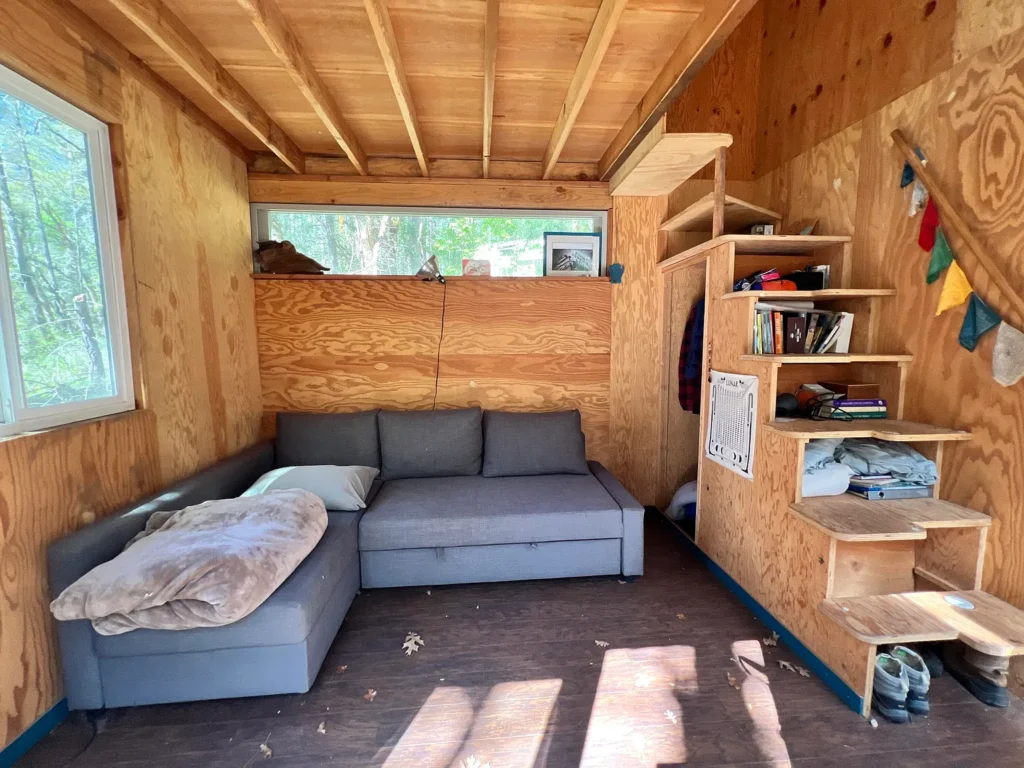
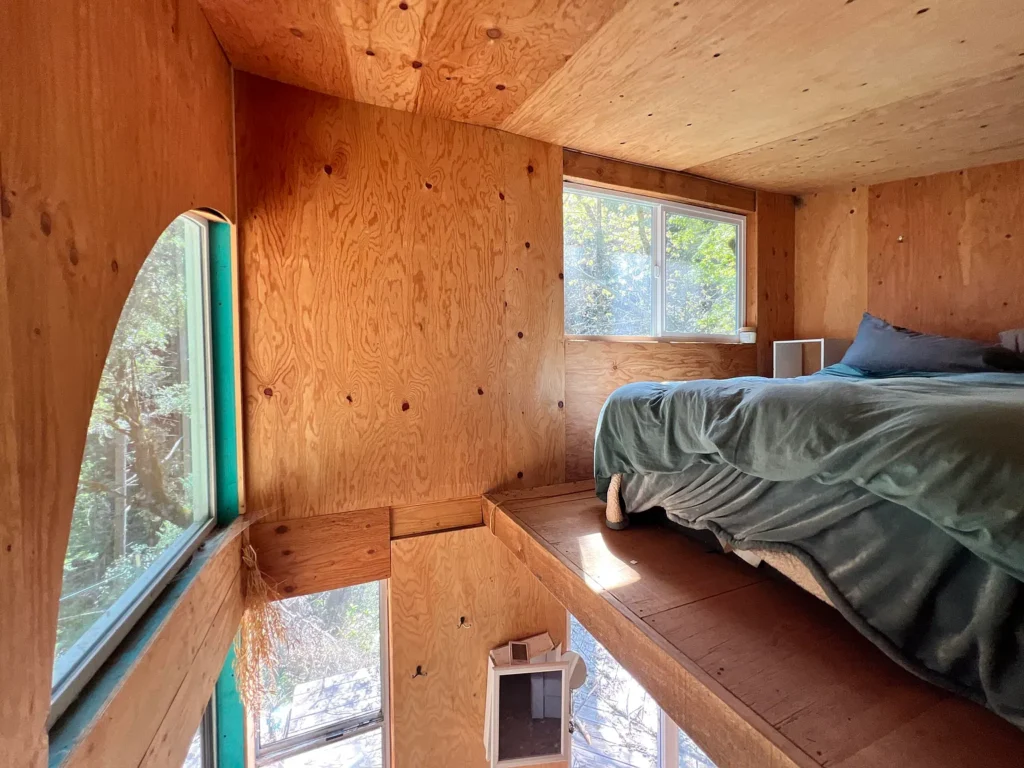
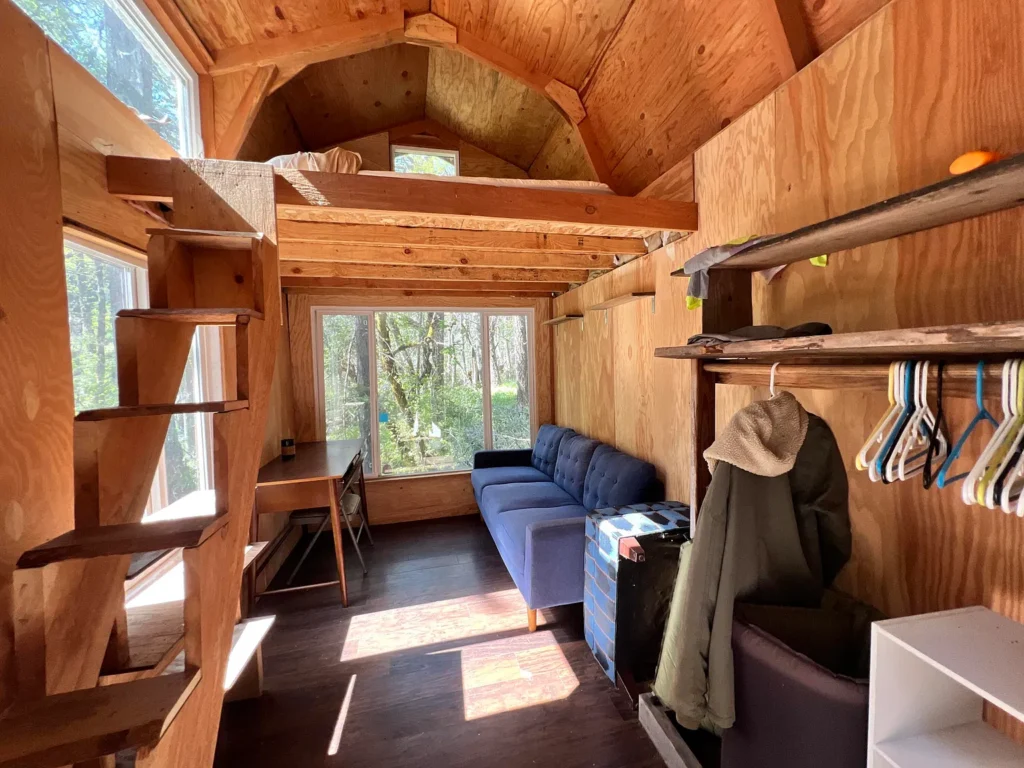
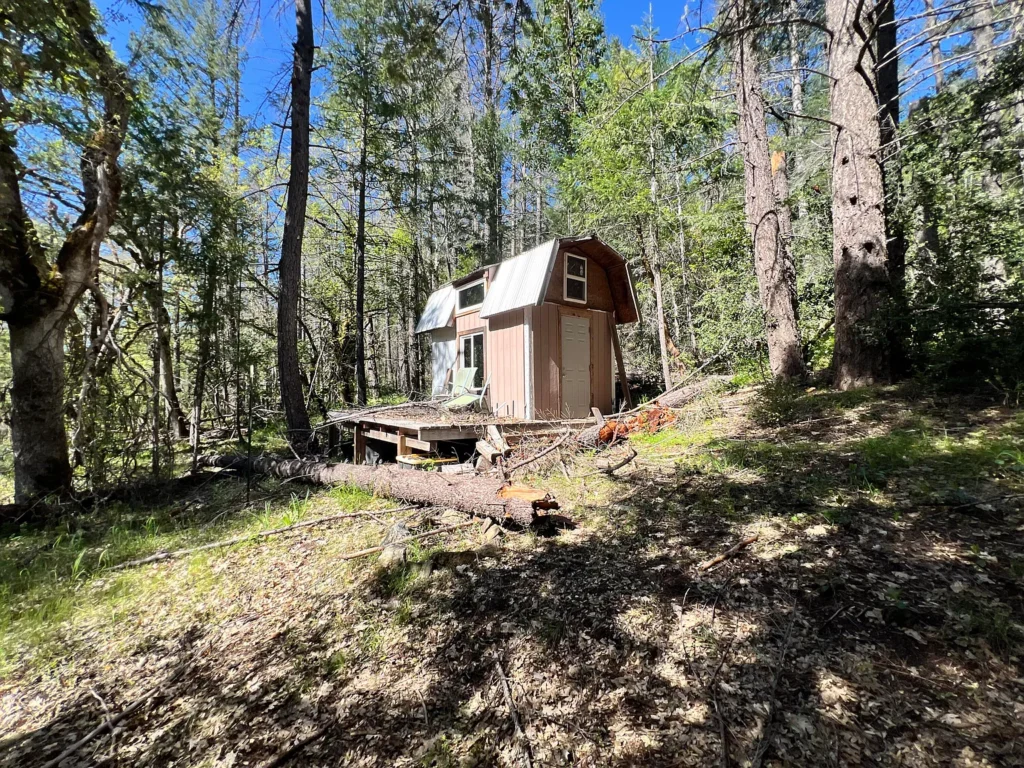
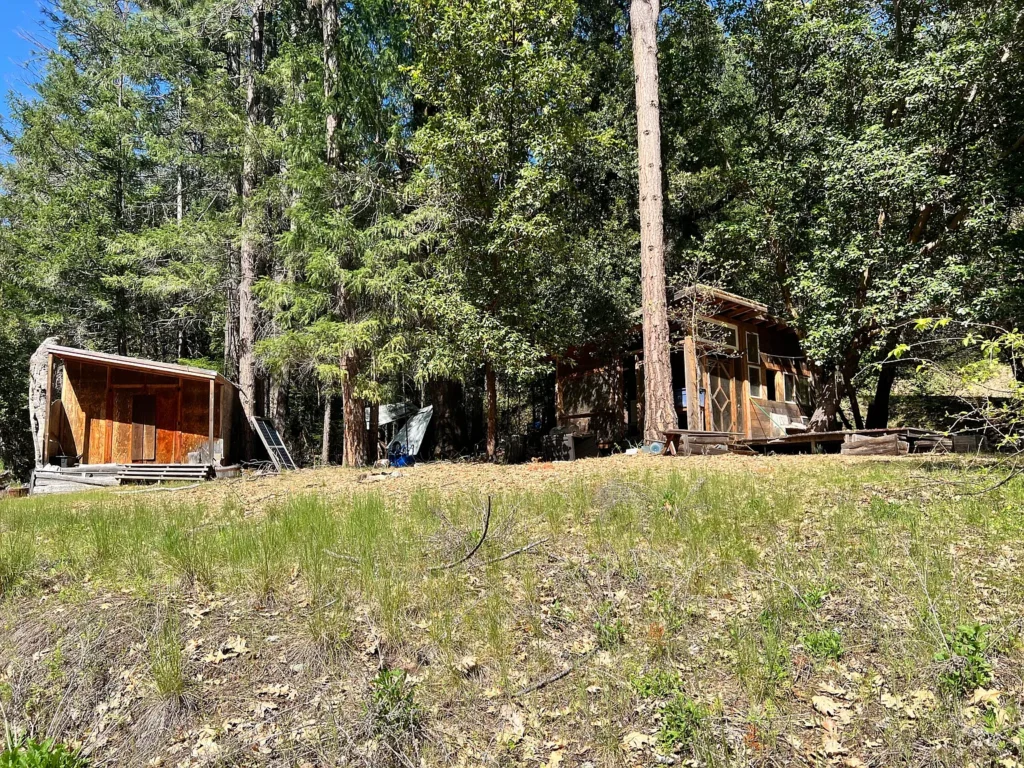
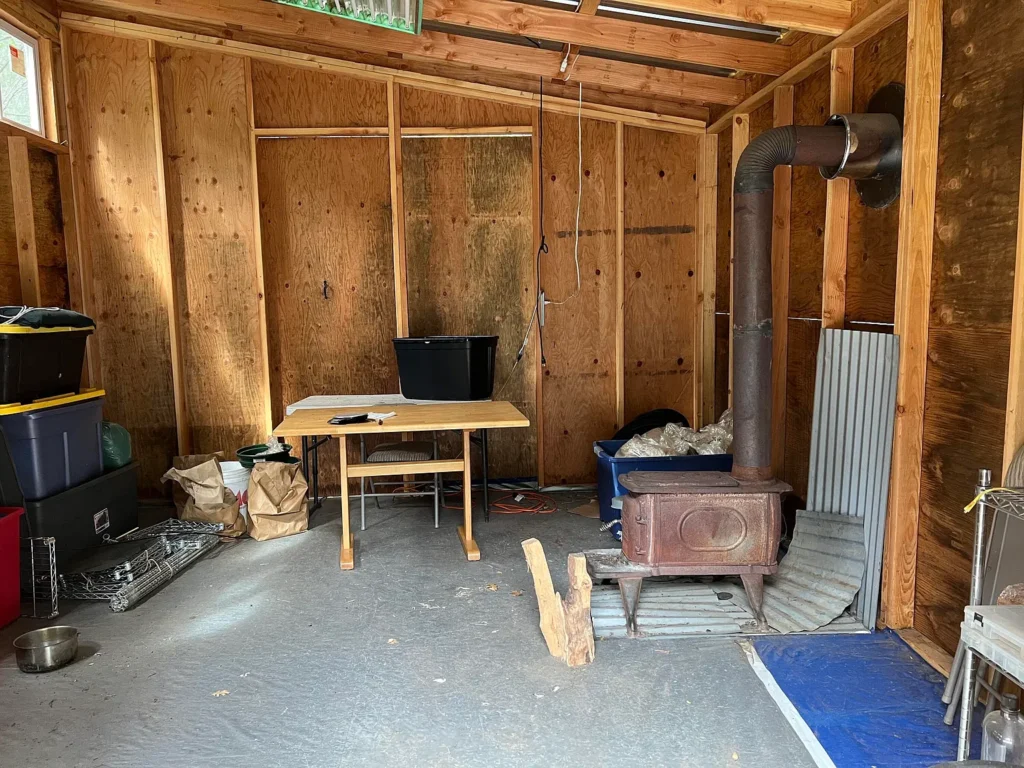
Unlike undeveloped acreage where a buyer must begin entirely from scratch, this property already contains two insulated cabins.
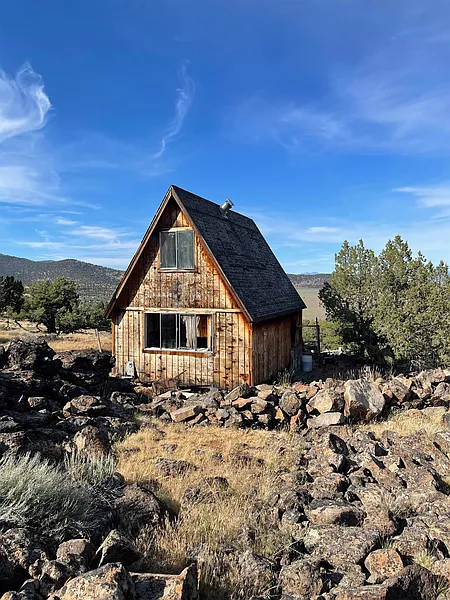
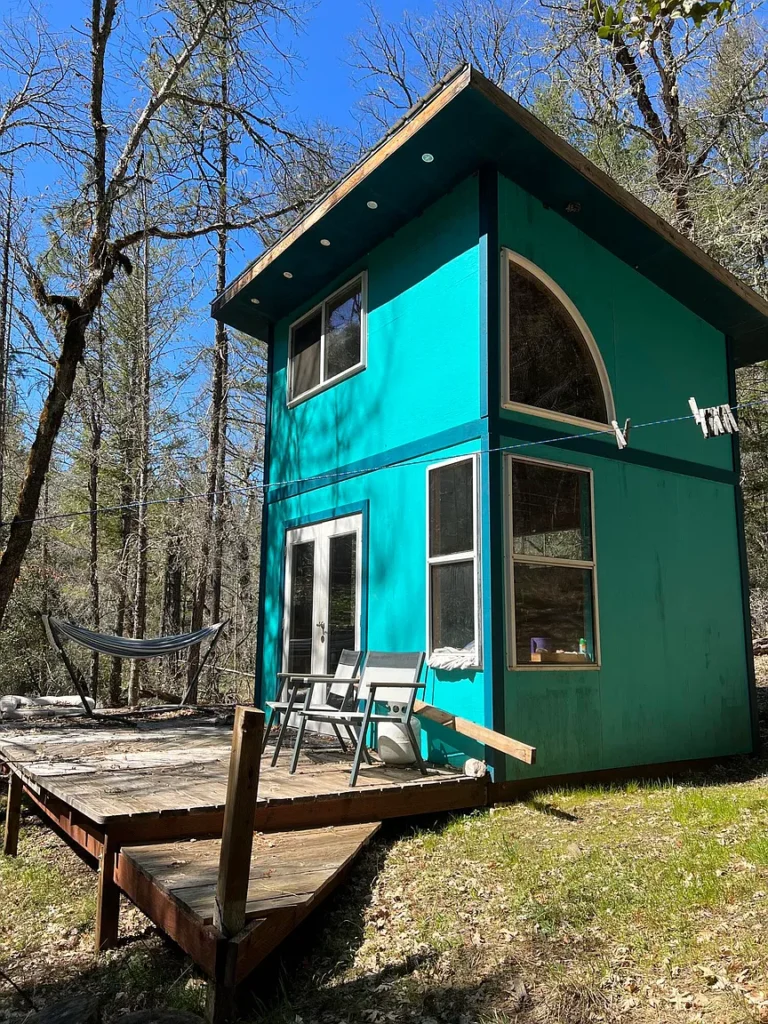
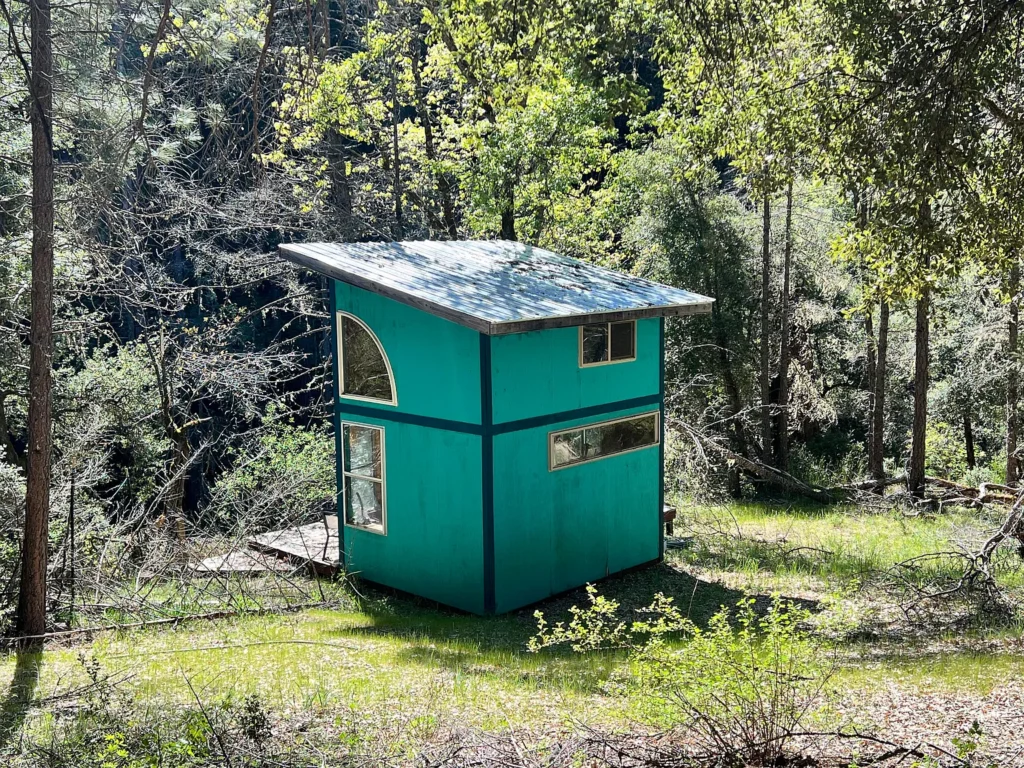
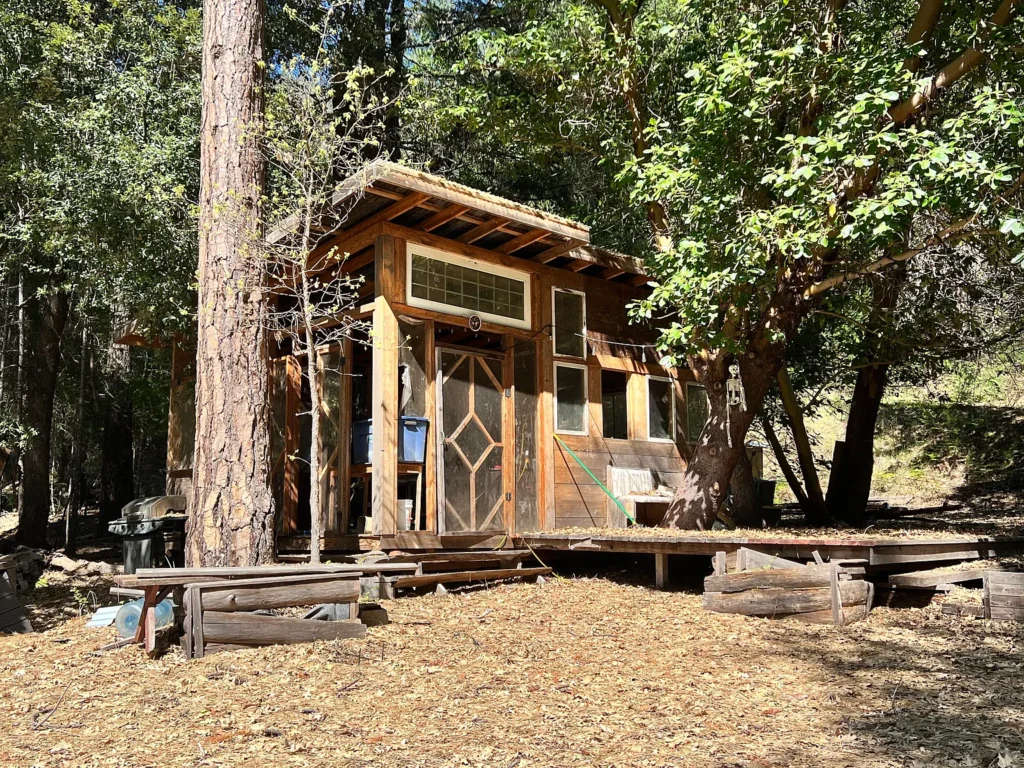
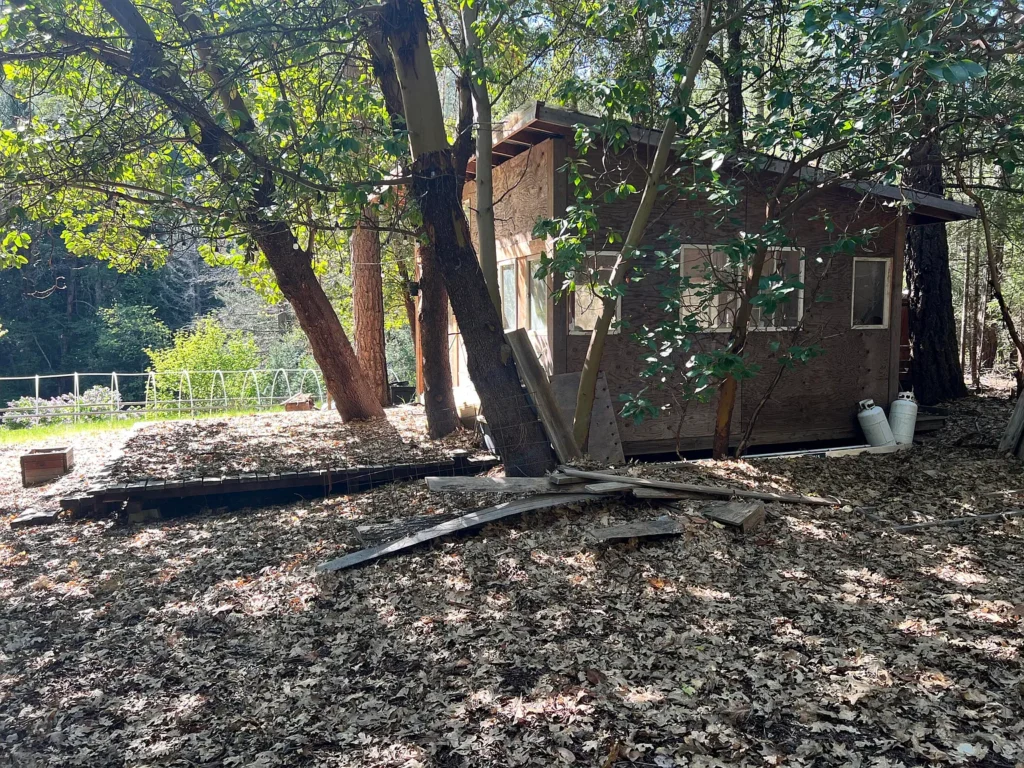
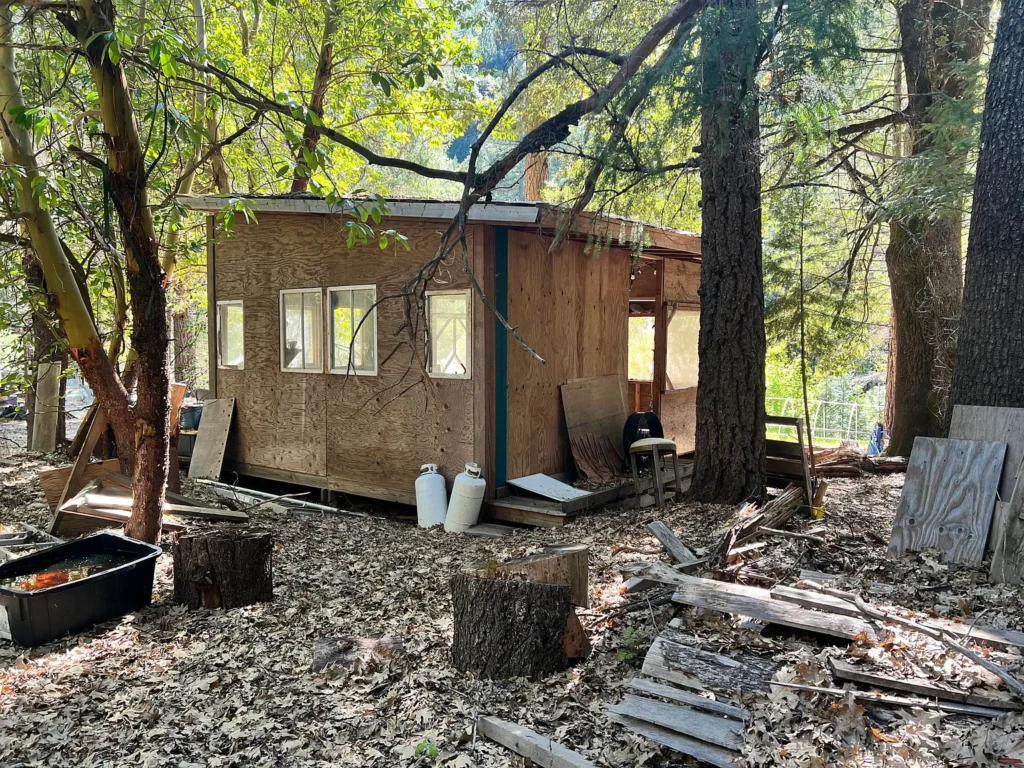
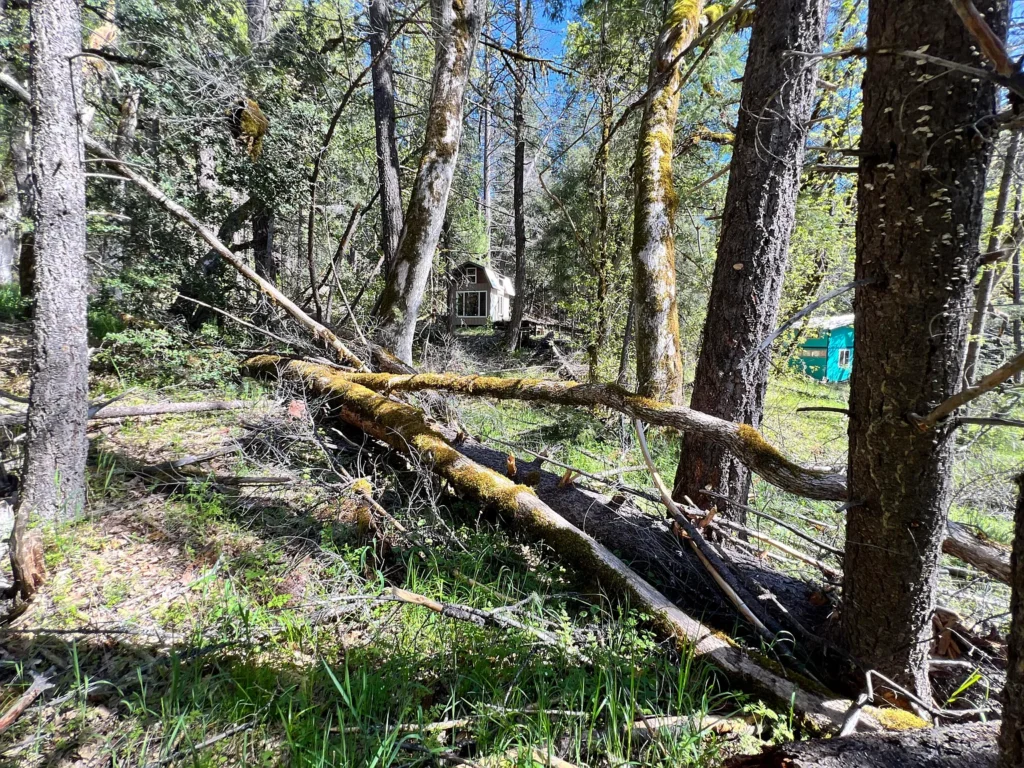
The photos show compact wood-finished structures surrounded by forest. At least one appears to have a loft-style sleeping area, large windows and simple living space.
Another distinctive structure has a bright exterior, multiple windows and an outdoor deck.
The cabins could potentially provide useful recreational or temporary living space, depending on their legal status and condition.
However, buyers should verify whether the structures were permitted, how they are classified by the county and whether they meet requirements for whatever use the buyer intends.
The listing data also shows an unusual 7-square-foot interior-area figure, which does not appear useful for evaluating the actual structures. As a result, the advertised price-per-square-foot figure should not be treated as a meaningful valuation metric without verified building measurements.
The Price Has Fallen From $180,000
Another interesting part of this property is its listing history.
The property was marketed at approximately $180,000 in 2023. It was subsequently listed around $168,000, then $158,000, before reaching the current asking price of $142,500.
That represents a reduction of approximately $37,500 from the earlier $180,000 asking price, or roughly 21%.
Price reductions do not automatically mean that a property is undervalued.
They can reflect seller motivation, market conditions, limited buyer demand, property-specific challenges or simply an earlier asking price that the market did not support.
Still, the history gives potential buyers useful context when evaluating the current asking price and comparable properties.
The 86-Acre Parcel Deserves Extra Attention
Seeing “95 acres” in a listing headline can create the impression of an enormous area available for farming, building or other development.
That may not accurately describe this property.
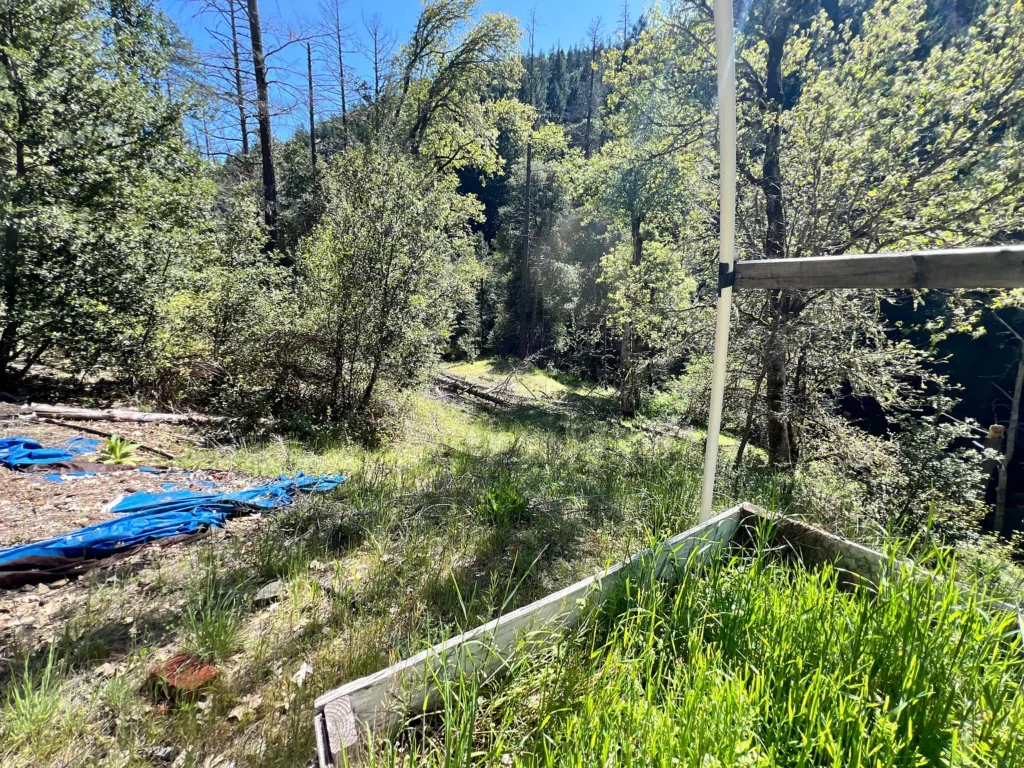
According to the listing, more than 86 acres are associated with the larger parcel, which is described as steep and functioning partly as a privacy barrier.
For some buyers, that may actually be an advantage.
A large wooded hillside can provide seclusion, recreational space and separation from neighboring properties without requiring the owner to actively maintain every acre.
For someone planning extensive agriculture, multiple building sites or easily accessible pasture, however, steep terrain could substantially reduce the amount of practically usable land.
A physical inspection is therefore much more informative than acreage alone.
Could It Work as a California Homestead?
There are several features that could make this property interesting for someone pursuing a rural homestead.
Existing garden areas, substantial water storage, cabins, workshops and privacy provide a foundation that completely undeveloped land would not offer.
But turning the property into a comfortable full-time residence could require additional investment.
Potential expenses could include:
- Solar and battery installation
- Septic installation or an approved alternative
- Well drilling or another legal water solution
- Cabin improvements
- Road and driveway maintenance
- Tree and vegetation management
- Fire-hardening improvements
- Internet or communications equipment
- Permits and inspections
Before purchasing, buyers should estimate these costs rather than evaluating the property solely based on the $142,500 purchase price.
Wildfire Risk and Insurance Should Be Investigated
Wooded rural California properties come with another major consideration: wildfire exposure.
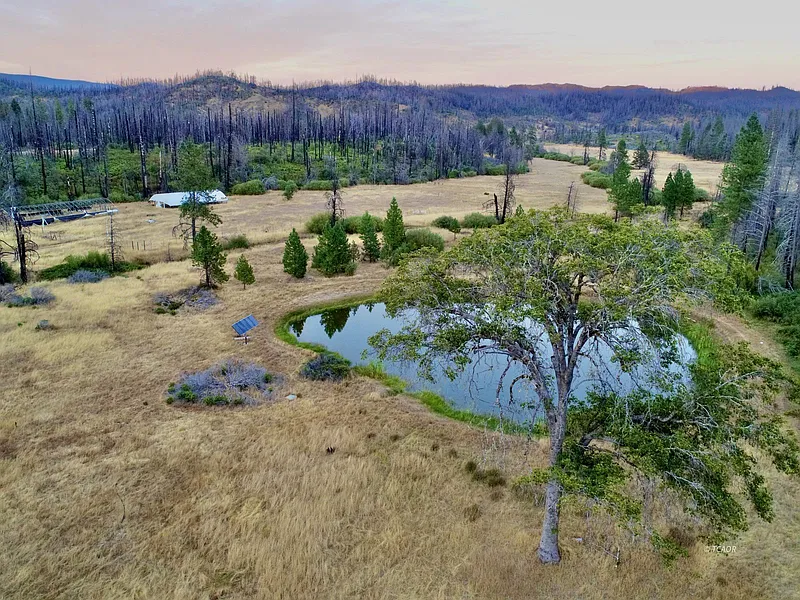
The photographs show dense vegetation and forest surrounding the structures.
Prospective buyers should determine the property’s fire-hazard classification and investigate defensible-space requirements, vegetation management and emergency access.
Insurance is equally important.
Obtaining affordable coverage for rural properties in some areas of California can be more difficult than insuring a typical suburban home. Insurance availability and premiums can materially change the long-term cost of ownership.
A buyer considering financing should investigate insurance before closing rather than assuming conventional coverage will be readily available.
Financing May Be Different From a Normal Home Purchase
Financing is another area where this property could differ significantly from a conventional house.
Traditional mortgage lenders typically evaluate the condition and legal status of the dwelling, utilities, water supply, sanitation and other factors.
Because this property lacks conventional utilities and consists of substantial acreage with cabin-style structures, some traditional mortgage products may not fit.
Buyers may need to investigate alternatives such as land loans, rural property financing, local lenders or cash financing, depending on the property’s classification and the buyer’s circumstances.
Interest rates, down-payment requirements and lending standards for land can differ considerably from a standard residential mortgage.
This makes financing research an important part of the due-diligence process.
Property Taxes Are Only One Part of Ownership Costs
The purchase price is only the starting point when evaluating a rural property.
Prospective owners should research current and future property taxes, insurance costs, road maintenance, vegetation management, utility development and repairs to existing structures.
Large acreage can sometimes appear inexpensive because the acquisition price is low, while infrastructure improvements significantly increase the buyer’s actual investment.
Creating a realistic project budget before making an offer can prevent the inexpensive purchase price from becoming misleading.
Who Might This Property Be Best For?
This property appears better suited to a specific type of buyer than to the average California homebuyer.
Someone seeking privacy, recreational acreage, an off-grid retreat or a long-term homestead project may find the combination of cabins, creek frontage and 95 acres compelling.
Outdoor access is another attraction. Trinity County is known for mountainous terrain, rivers, fishing and hiking opportunities, which may appeal to buyers who value recreation more than proximity to major urban areas.
On the other hand, someone wanting paved suburban access, conventional utilities and a turnkey residence would likely need to look elsewhere.
That difference is important. A low purchase price does not necessarily make a property a bargain for every buyer; value depends heavily on what the buyer intends to do with the land.
Major Advantages and Potential Drawbacks
The strongest advantages are the $142,500 asking price, approximately 95 acres, year-round creek, existing cabins, water-storage tanks, wooded privacy and established garden/work areas.
There are also meaningful drawbacks.
Much of the acreage is reportedly steep, conventional electricity is not installed, there is no well, sanitation infrastructure needs to be addressed and the property may require substantial additional investment before being suitable for comfortable full-time living.
California wildfire exposure, insurance availability and rural access should also be investigated carefully.
Those issues do not necessarily make the property unattractive. They simply make proper due diligence much more important.
Questions Buyers Should Answer Before Making an Offer
Before considering a purchase, a buyer should independently verify parcel boundaries and legal access, zoning and permitted uses, the legal status of both cabins and other structures, septic feasibility, water rights, well feasibility, electrical-service availability and connection costs.
It would also be wise to investigate road-maintenance responsibilities, wildfire hazard, insurance availability, property taxes, easements and whether either parcel is subject to restrictions that could affect future development.
Because the property consists of two parcels, buyers should also confirm exactly what is included in the sale and whether both parcels can be transferred, financed or developed as expected.
Final Thoughts
At $142,500, this Douglas City property presents an unusual combination: approximately 95 acres, two cabins, a year-round creek, extensive privacy and existing off-grid infrastructure.
The simple asking-price calculation works out to around $1,500 per acre, but that number does not tell the entire story. Much of the acreage is reportedly steep, and significant infrastructure may still be required.
For the right buyer, those limitations may be acceptable in exchange for privacy, water, wooded acreage and an existing base for an off-grid lifestyle.
For another buyer, the costs of utilities, septic, road maintenance, insurance and improvements could outweigh the relatively low acquisition price.
That is why this property is best evaluated as a rural land and homestead project, rather than simply as a cheap California house.
Property: 1500 & 1551 Reading Creek Rd, Douglas City, CA 96024
Listed price: $142,500
Land: Approximately 95 acres
Listing status and price can change at any time.
Disclaimer: This article is for informational and educational purposes only. It is not real estate, legal, tax, insurance, lending or investment advice. Property information should be independently verified with the listing agent, relevant county offices and qualified professionals before making a purchase decision.
For the current listing information, photos and agent contact details, see the original Zillow property listing