Finding a continuous 94-acre tract of land for under $150,000 within two miles of a town center is an increasingly rare discovery in today’s Eastern real estate market. Located along Gluck Run Road on the outskirts of Glenville in Gilmer County, West Virginia (ZIP code 26351), this 94-acre unimproved parcel is offered at an asking price of $145,000.
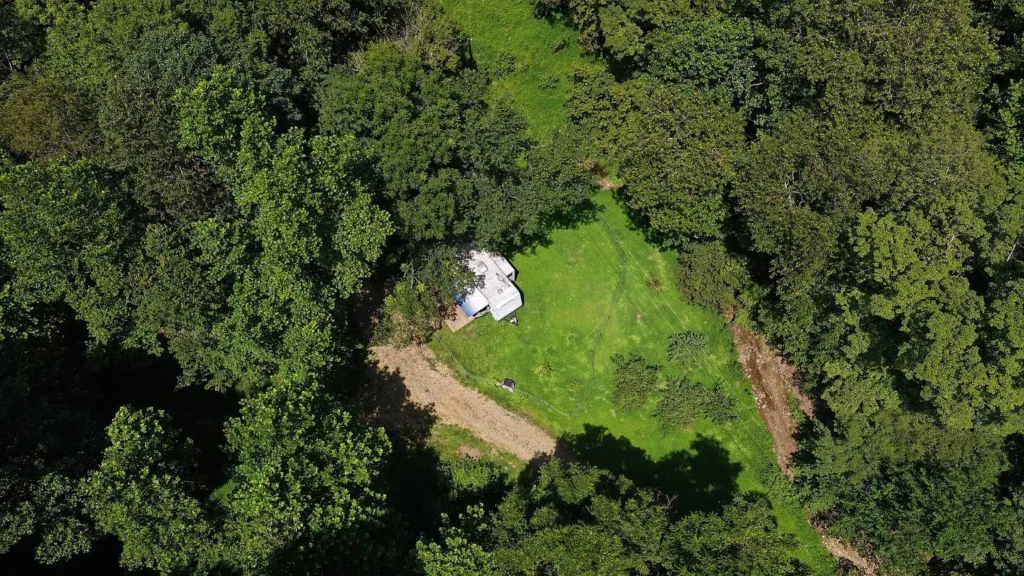
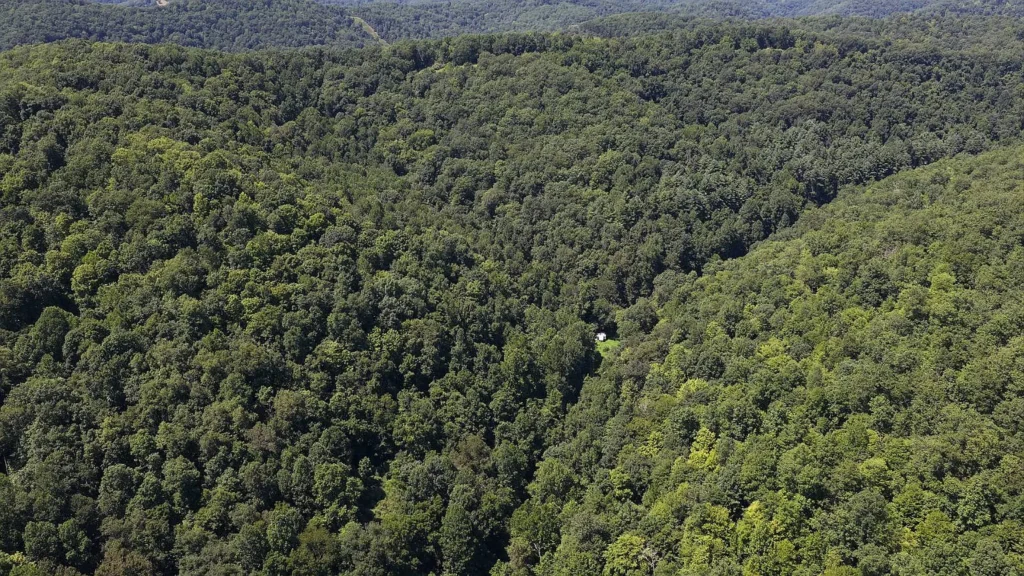
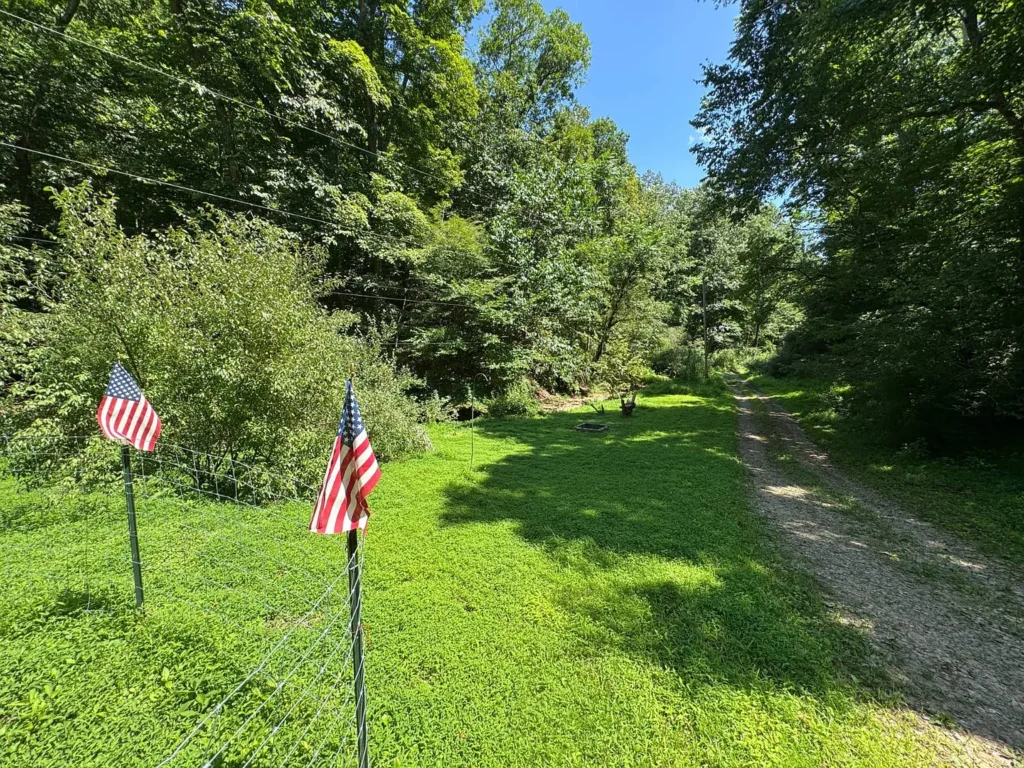
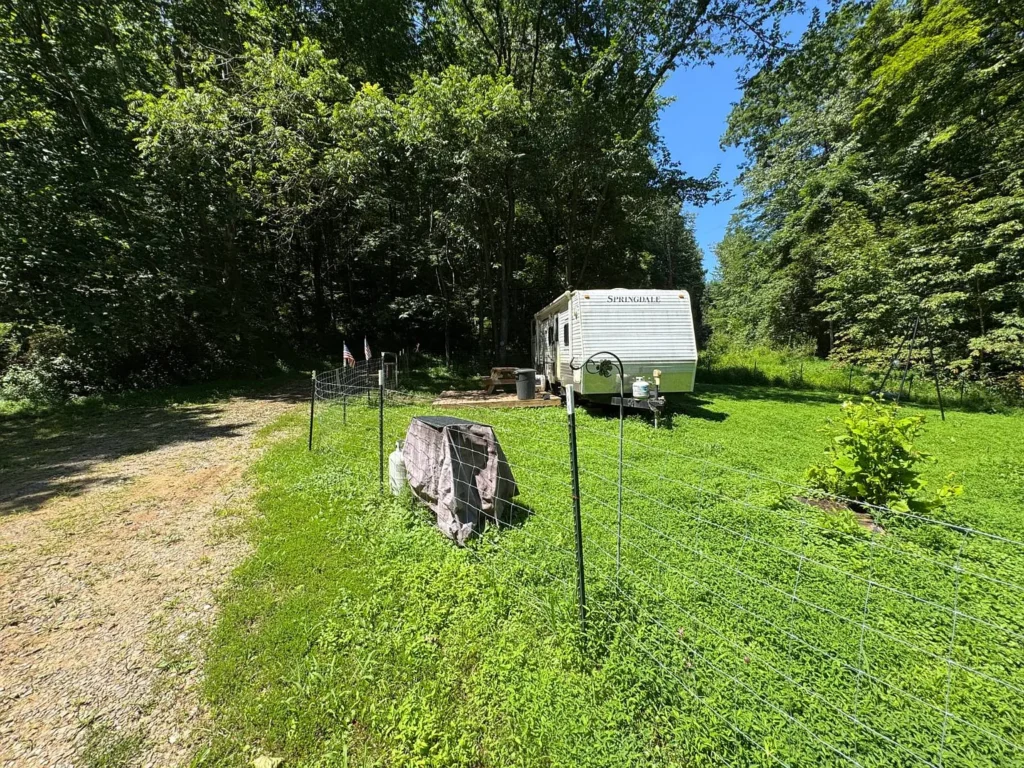
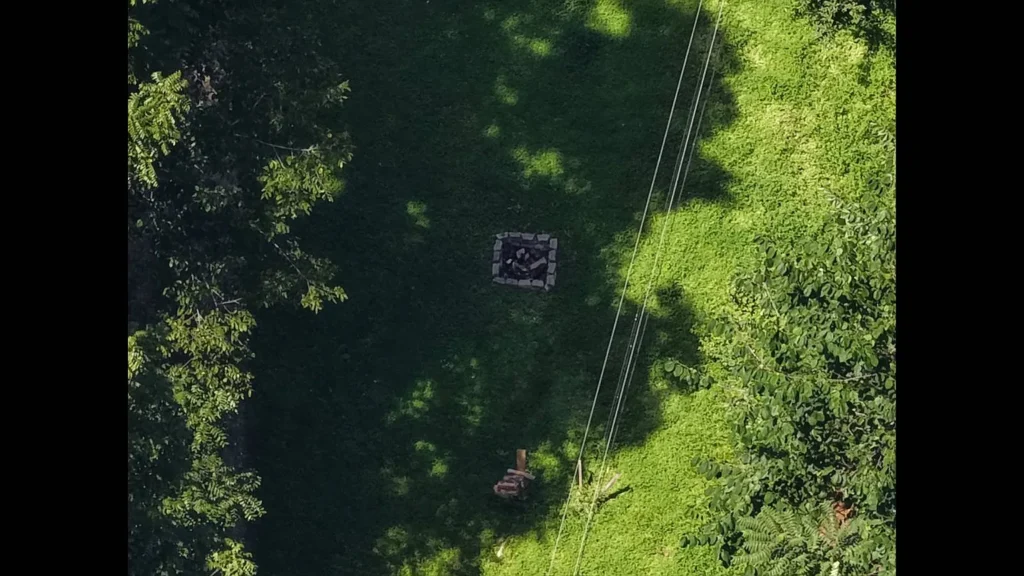
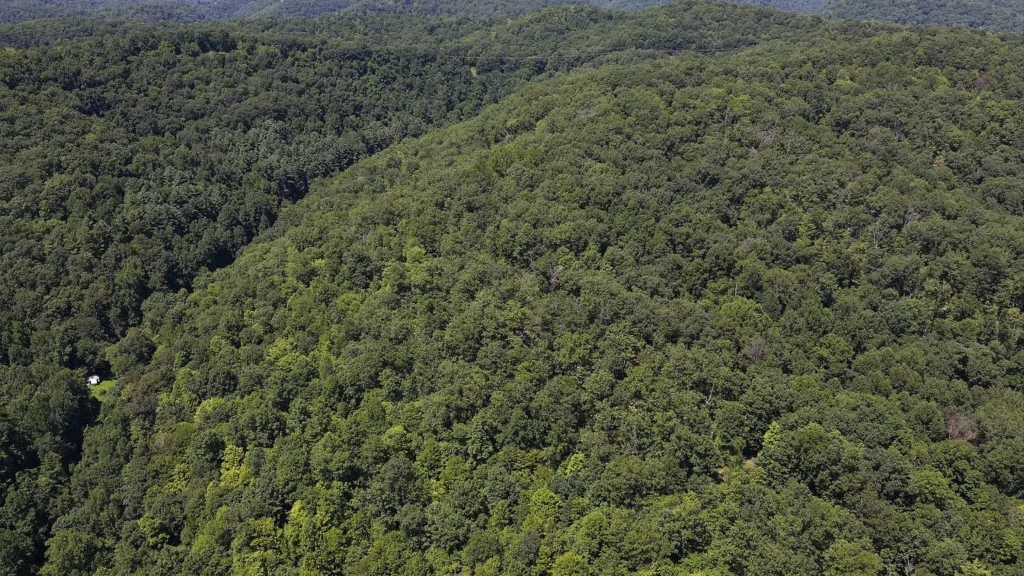
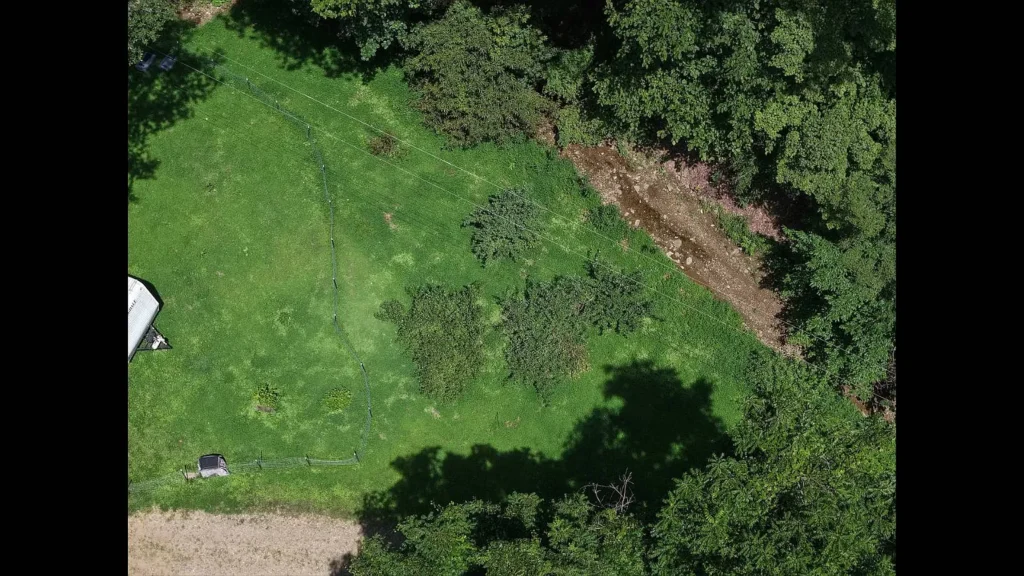
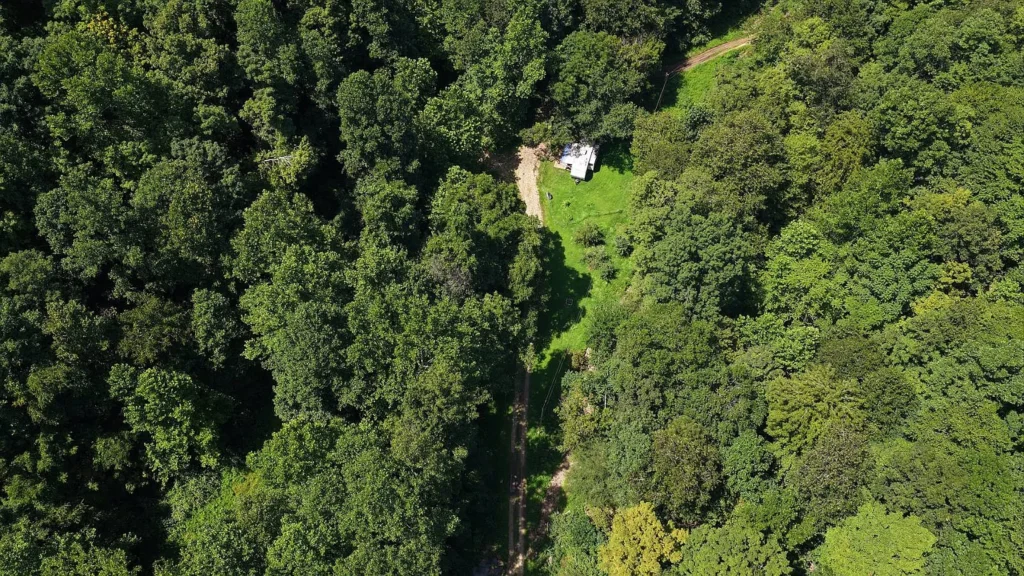
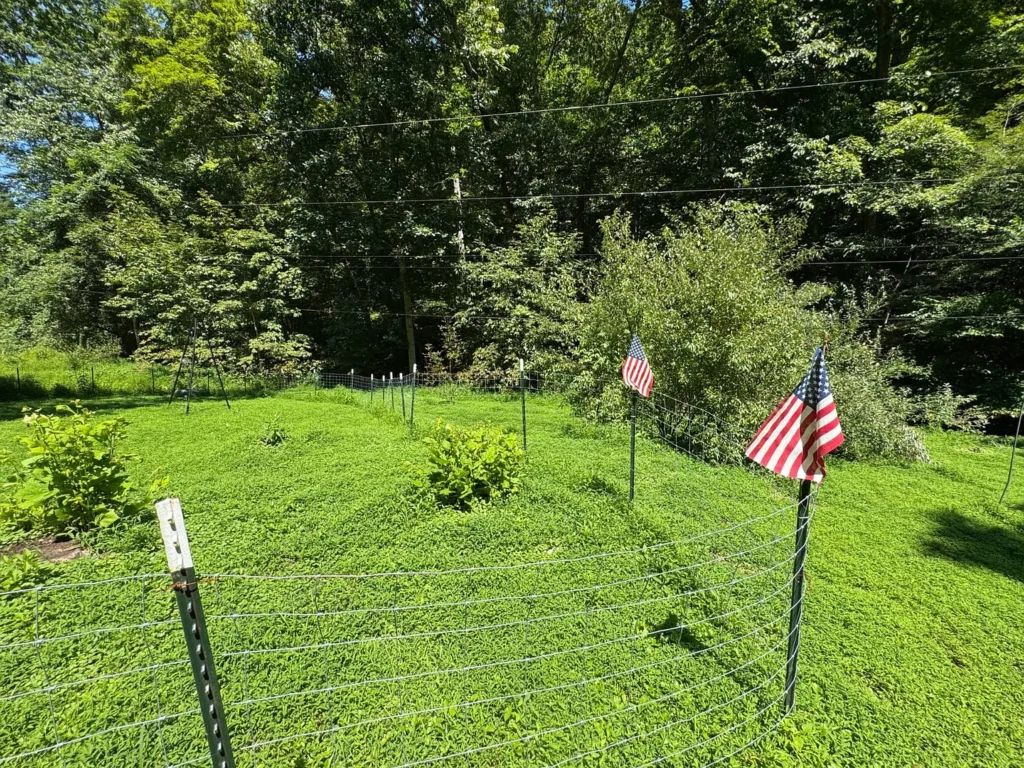
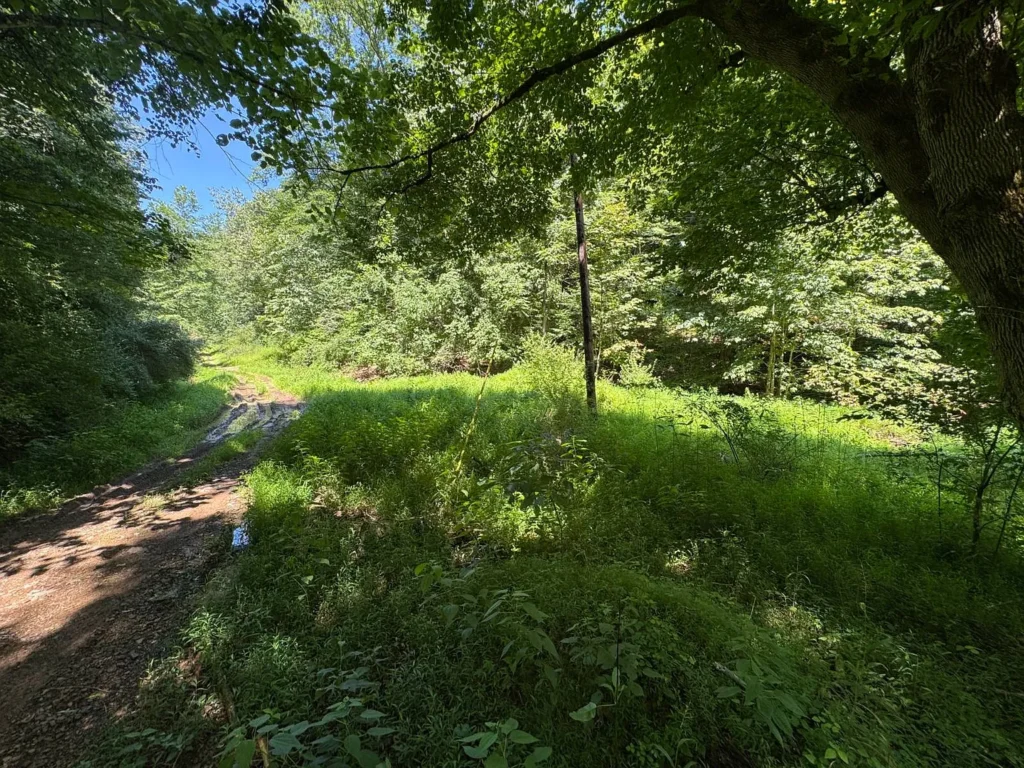
Positioned in the rolling hills of Central West Virginia, the property features sloping wooded terrain, a mountain stream, a pre-cleared campsite pad, and an existing electrical utility line bisecting the heart of the acreage.However, the parcel also comes with specific physical and legal characteristics that require careful evaluation: access relies on a creek-bed road requiring four-wheel-drive (4WD) transportation, and the title transfers surface rights only.
This analysis provides an objective, deep-dive examination of Gluck Run Rd. It deconstructs the property’s financial metrics, terrain characteristics, access logistics, utility assets, surface rights implications, target buyer profiles, and essential due diligence steps required for prospective buyers.
Property Overview and Core Specifications
Reviewing public land records, tax filings, and listing disclosures establishes the baseline specifications for this acreage.
- Property Location:Gluck Run Rd, Glenville, West Virginia 26351 (Gilmer County)
- Listing Price:$145,000
- Total Land Footprint:94.0 Acres (approximately 4,094,640 square feet)
- Price Per Acre: Approximately $1,542.55 per acre
- Parcel Identification Number: 1103100058000003
- Property Type:Unimproved Land / Recreational Acreage
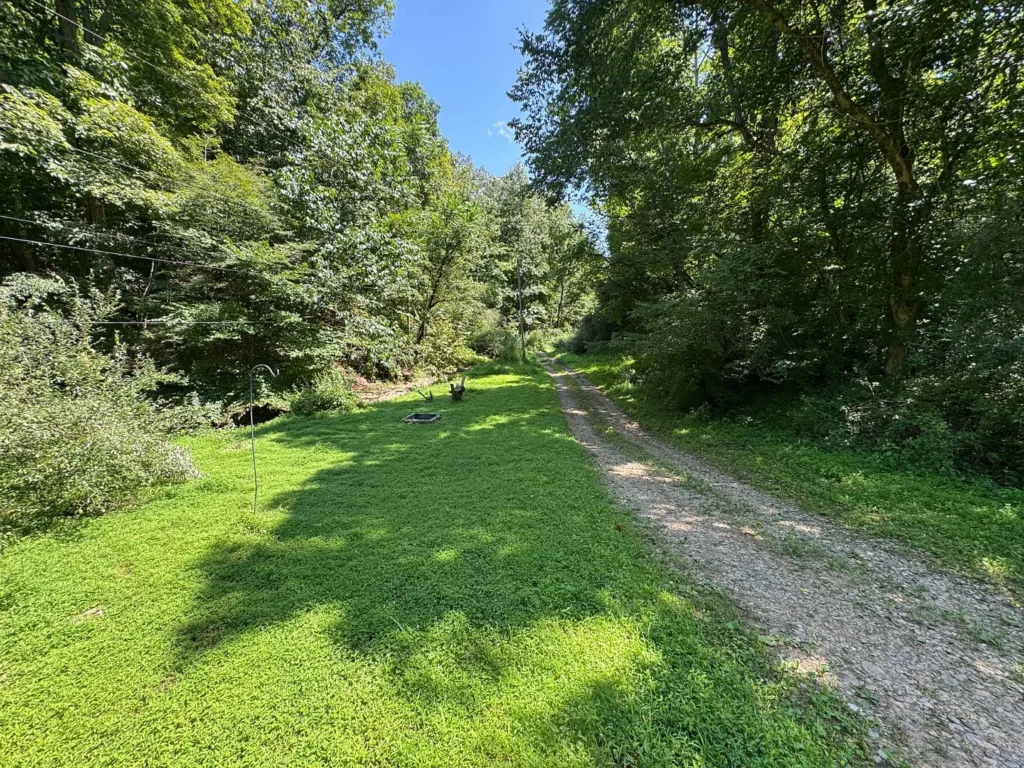
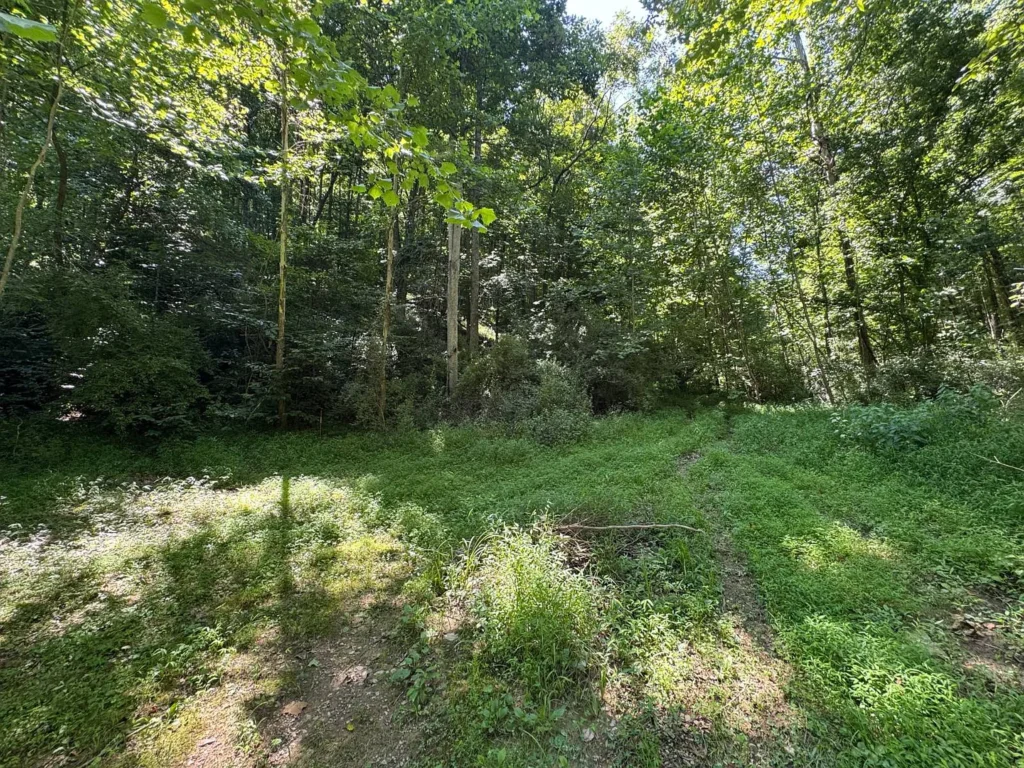
- Topography:Sloping, heavily wooded terrain with a mountain stream
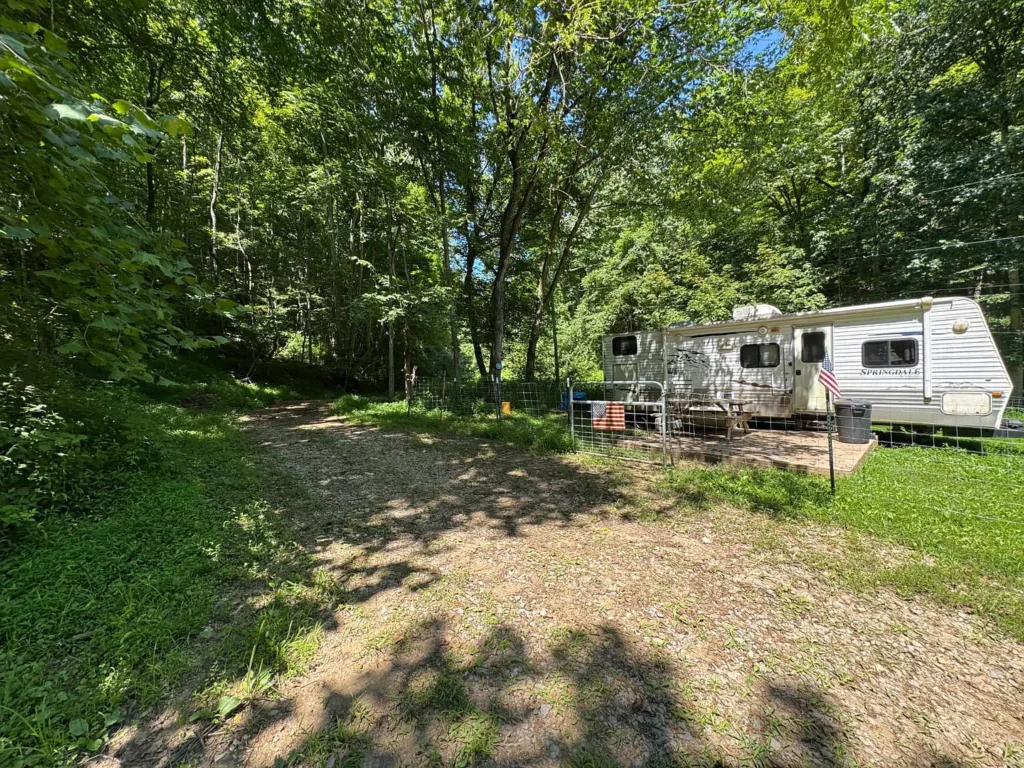
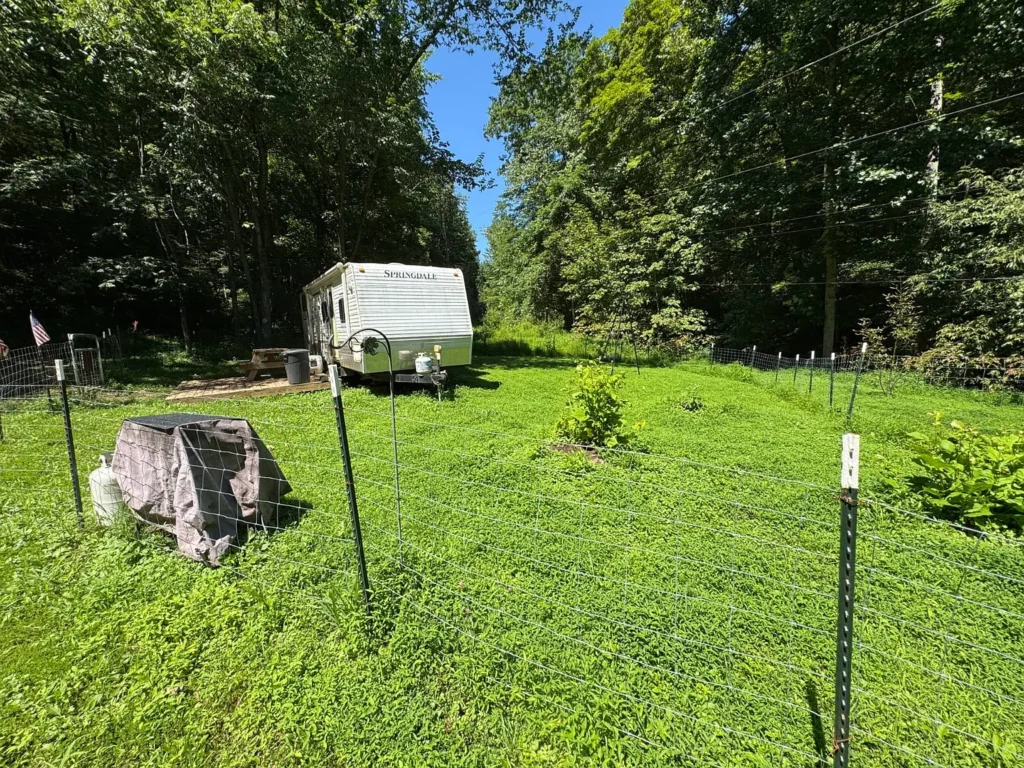
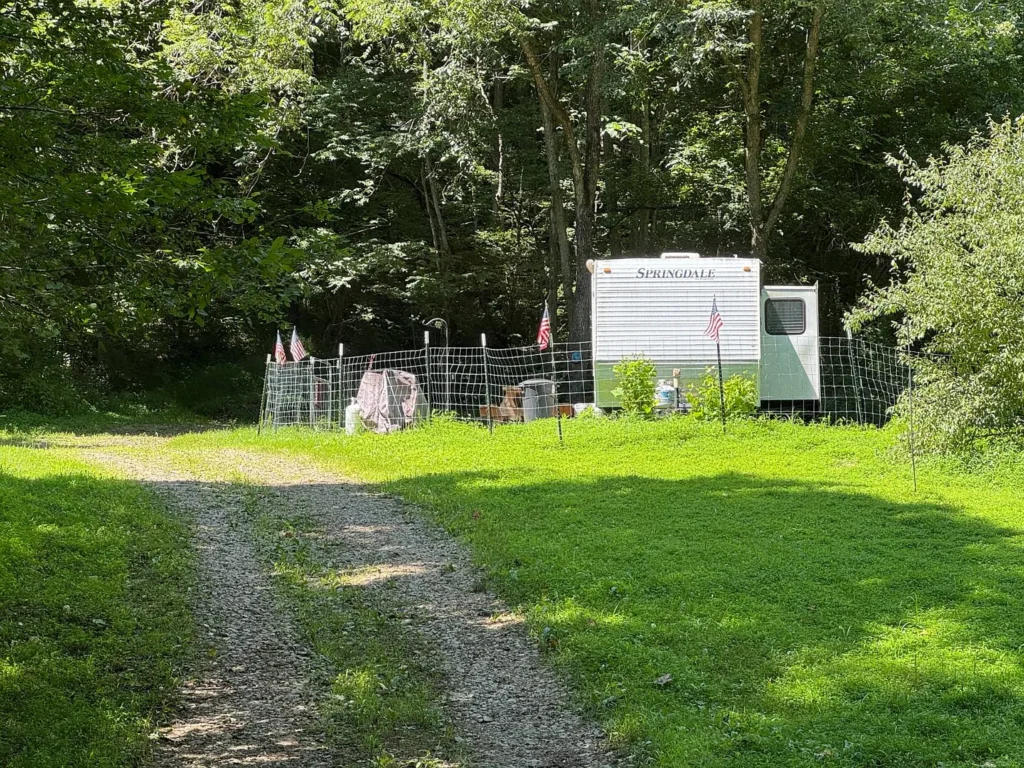
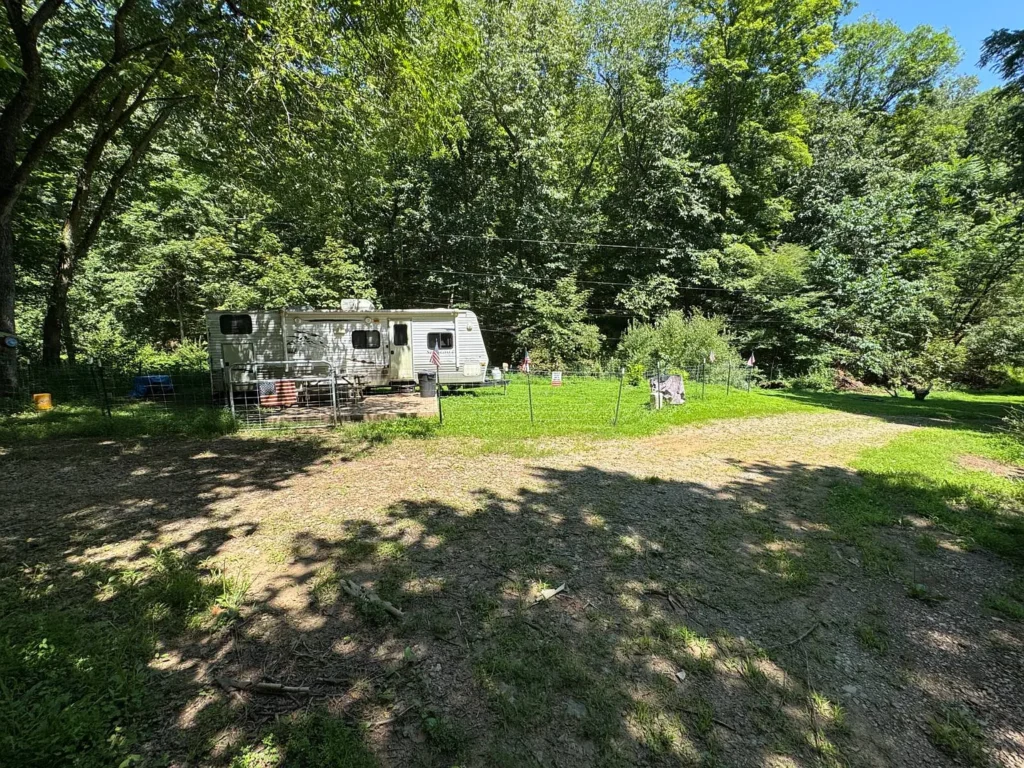
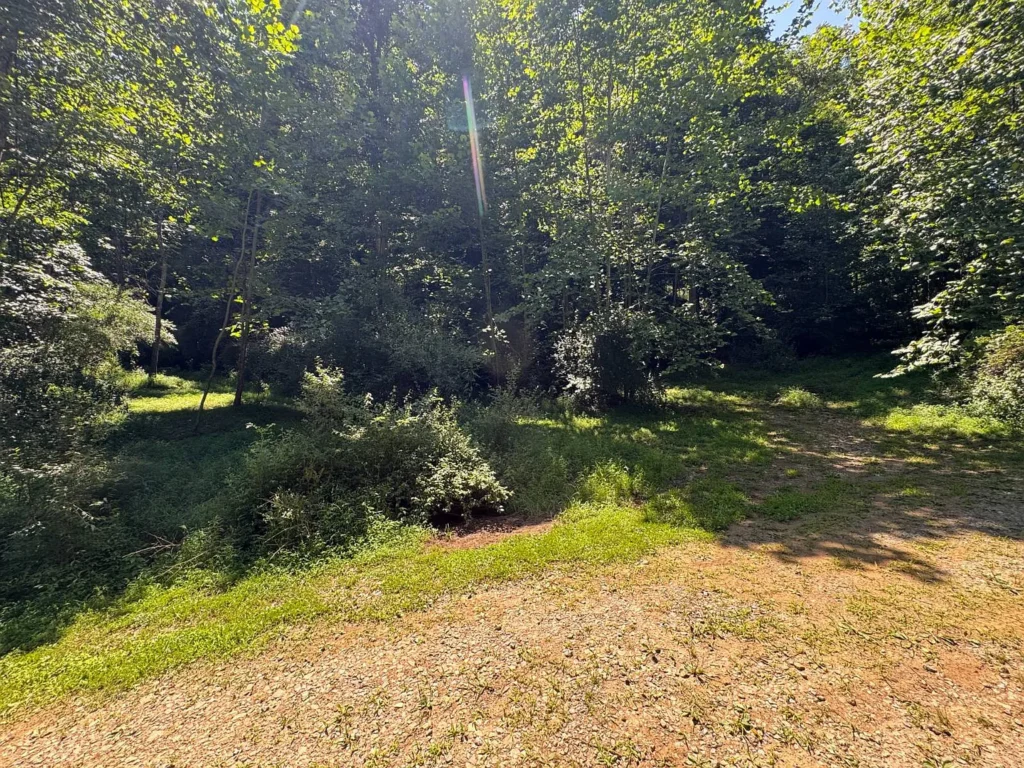
- Existing Site Improvements:Pre-cleared campsite pad
- Utilities Status: No active meters installed; electric power lines bisect the interior of the property
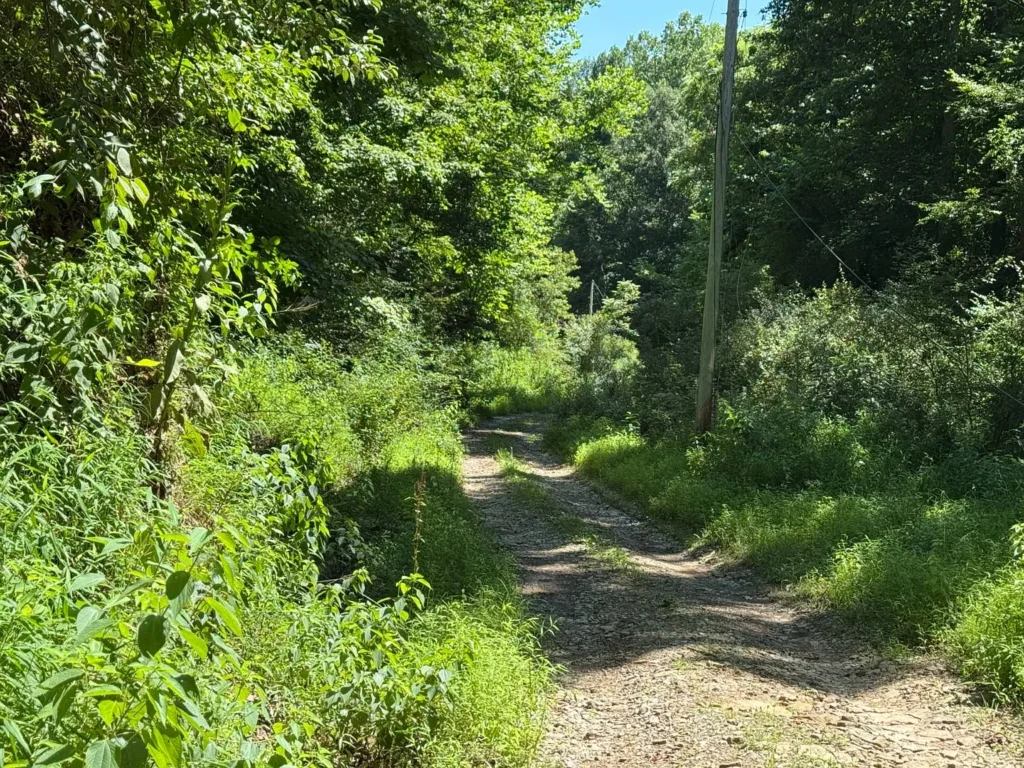
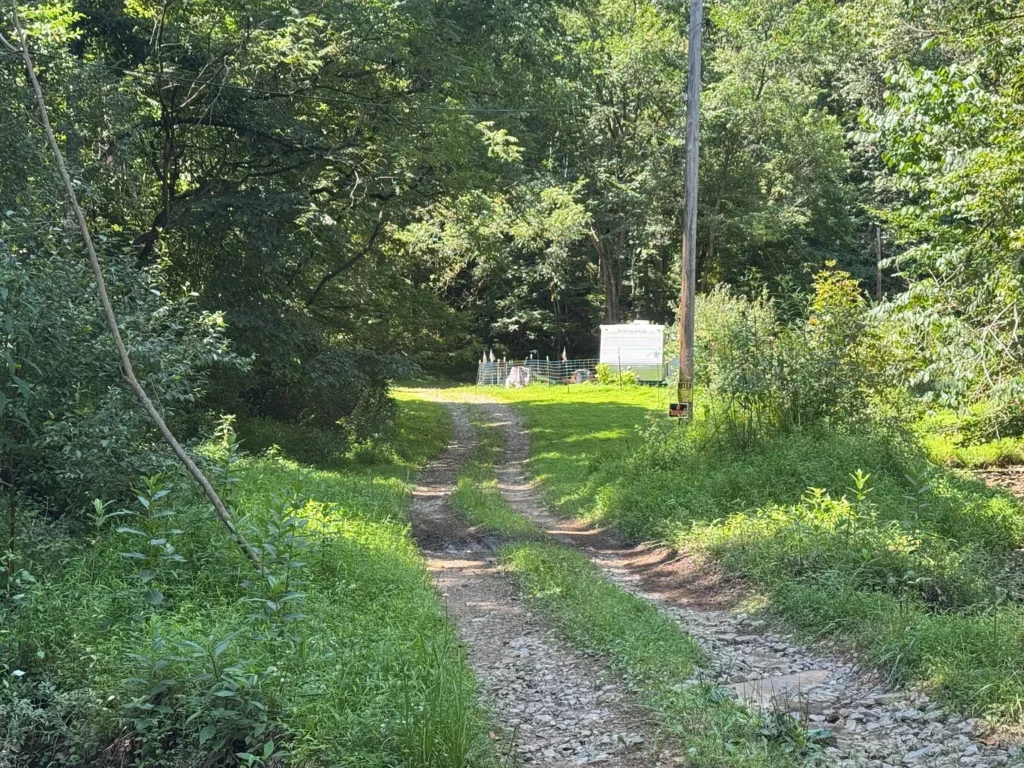
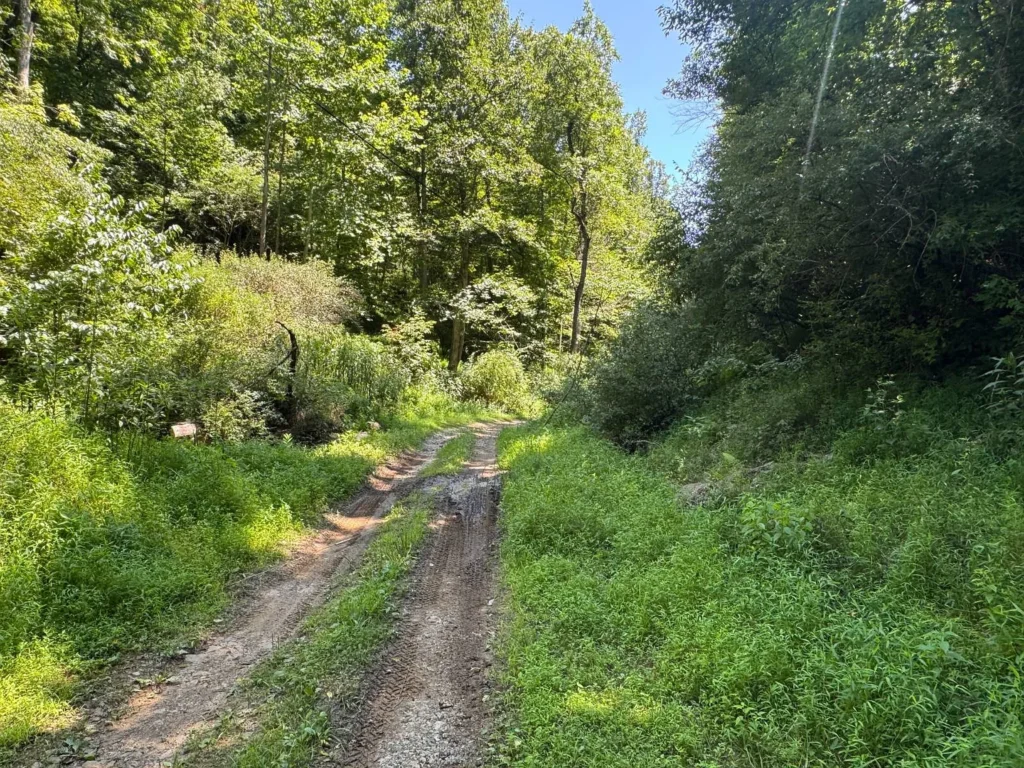
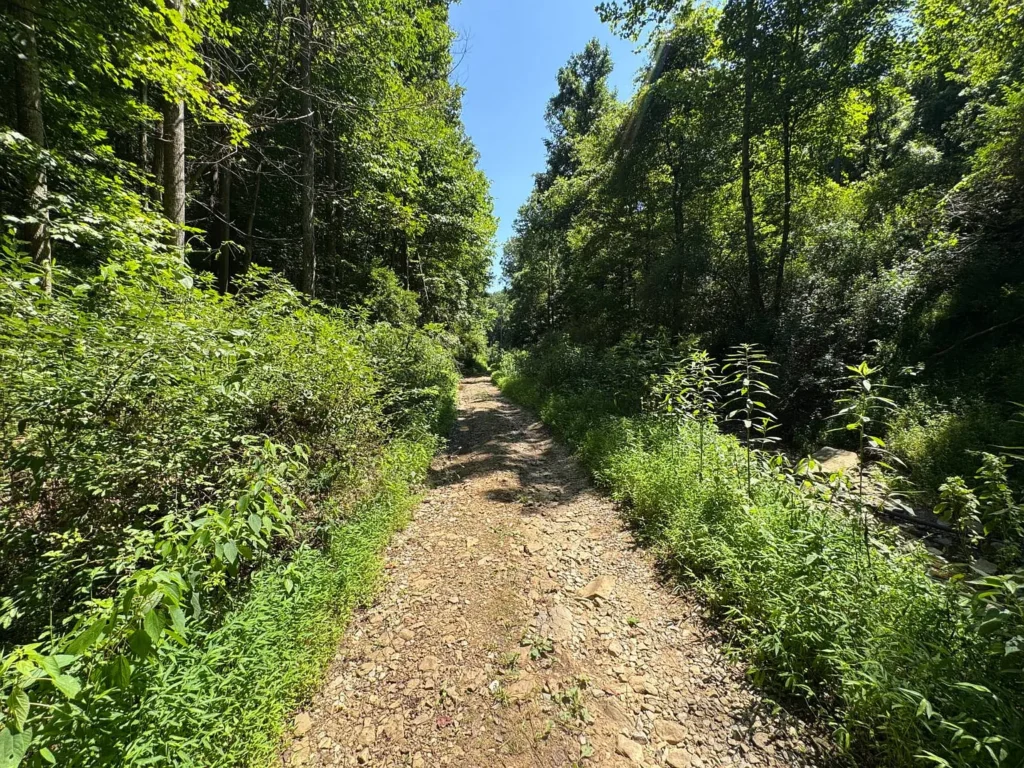
- Access Description:Creek-bed access road requiring four-wheel-drive (4WD) vehicles
- Legal / Title Status: Surface Rights Only (Mineral rights reserved by prior owners); surveyed in 2005
- Proximity:Approximately 2 miles from downtown Glenville, West Virginia
- Annual Property Taxes: Reported at $880 per year (Historical county assessment: $1,160)
- Homeowners Association (HOA):None (Unrestricted rural acreage)
- Date Placed on Market: August 5, 2026
The Financial Numbers: Breakdown of the $145,000 Price Tag
Evaluating raw or semi-improved land requires separating raw acreage value from site accessibility and infrastructure potential. On large rural land tracts, the primary valuation metric is the cost per acre combined with usable terrain and utility access.
Price Per Acre Metrics
At an asking price of $145,000 for 94 acres, the baseline mathematical breakdown is as follows:
- $145,000 ÷ 94 acres = $1,542.55 per acre
To evaluate this number, it helps to contextualize Central West Virginia land values. Across Gilmer County and neighboring Central West Virginia counties (such as Calhoun, Braxton, and Lewis), unimproved recreational land tracts ranging from 40 to 100 acres typically list between $1,400 and $2,200 per acre.
A purchase price of $1,542 per acre places this property firmly in the competitive baseline range for Gilmer County land.The pricing reflects a balanced market calculation: the discount associated with “surface rights only” title structure and 4WD creek-bed access is offset by the presence of bisecting electrical lines, a 2005 survey, a cleared campsite pad, and 2-mile proximity to town amenities.
Price Per Square Foot Baseline
While price per square foot is primarily used for residential dwellings, calculating the raw land cost per square foot illustrates the physical scale of the purchase:
- Total Square Footage: 94 acres × 43,560 sq. ft. = 4,094,640 square feet
- $145,000 ÷ 4,094,640 sq. ft. = $0.035 per square foot
At roughly three and a half cents per square foot, the buyer is acquiring a massive physical footprint for a modest capital layout.
Carrying Costs and Holding Overhead
Holding costs for this 94-acre parcel are exceptionally low:
- Annual Property Tax Liability: Reported at $880 per year
- Monthly Carrying Cost: $880 ÷ 12 months = $73.33 per month
Because there are no homeowners association dues, community maintenance fees, or mandatory municipal service fees, an owner can hold this land long-term for roughly $73 per month in real estate taxes. This low holding overhead makes the property highly attractive for land-banking investors, seasonal campers, or hunters who want to maintain private acreage without experiencing monthly financial drain.
Land, Acreage, and Topography Analysis
Understanding the physical footprint of 94 acres requires examining how the land lays, how water flows through the parcel, and how the terrain shapes potential uses.
Physical Footprint and Spatial Scale
94 acres is a substantial contiguous tract of land. To put 4.09 million square feet into visual perspective, 94 acres is roughly equivalent to 71 standard American football fields. Owning a parcel of this size in Central West Virginia provides complete personal privacy, an expansive wildlife habitat, and space for extensive off-road trail systems.
Sloping Wooded Terrain
The listing describes the land as sloping wooded terrain. In Gilmer County, sloping timberland typically consists of:
- Ridgetops and Knolls: Elevated points that often feature flat or gently sloped benches suitable for clearing secondary campsites, off-grid cabins, or hunting blinds with valley views.
- Side-Hills and Draws: Steep, heavily timbered slopes that act as natural travel corridors and bedding cover for local wildlife.
- Valley Bottoms: Lower elevations where mountain streams flow and surface water accumulates.
Sloping terrain requires realistic planning for site development. While steep slopes limit broad agricultural farming or large-scale suburban housing developments, they excel as recreational land, hunting grounds, and private forest retreats.
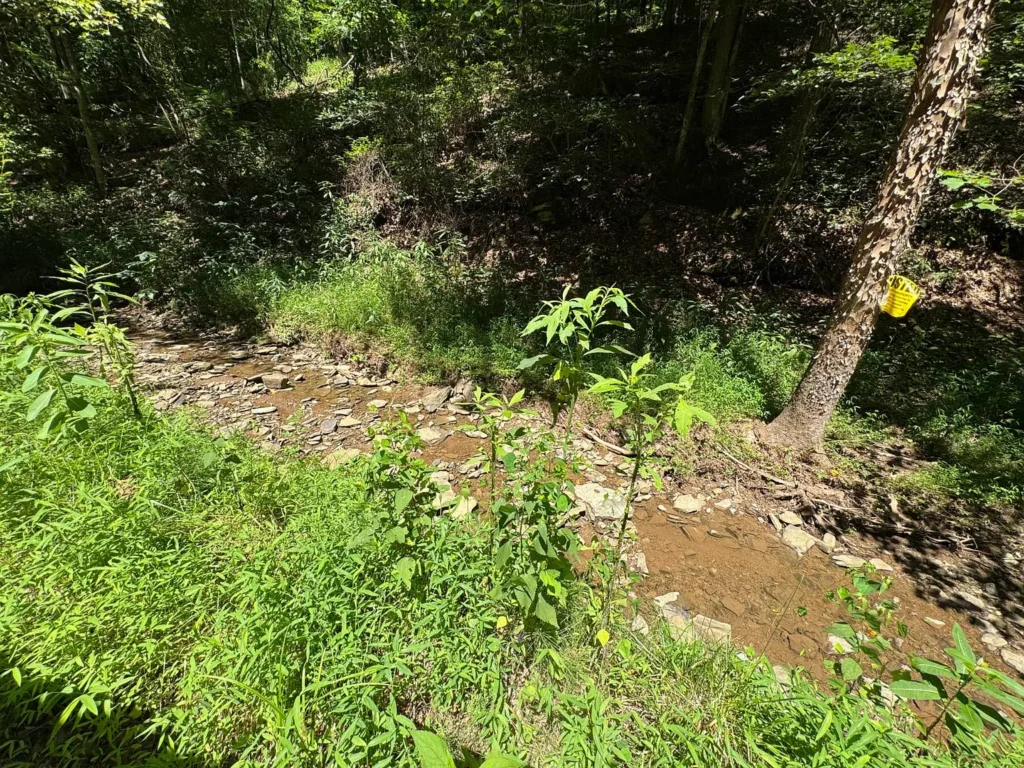
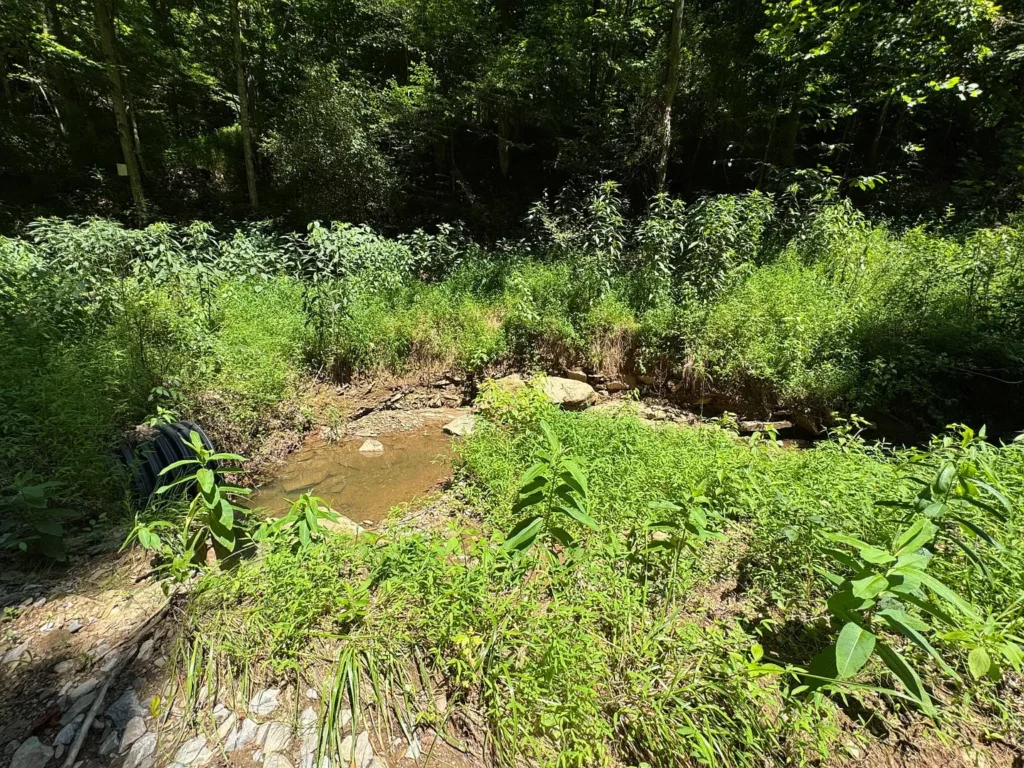
The On-Site Stream
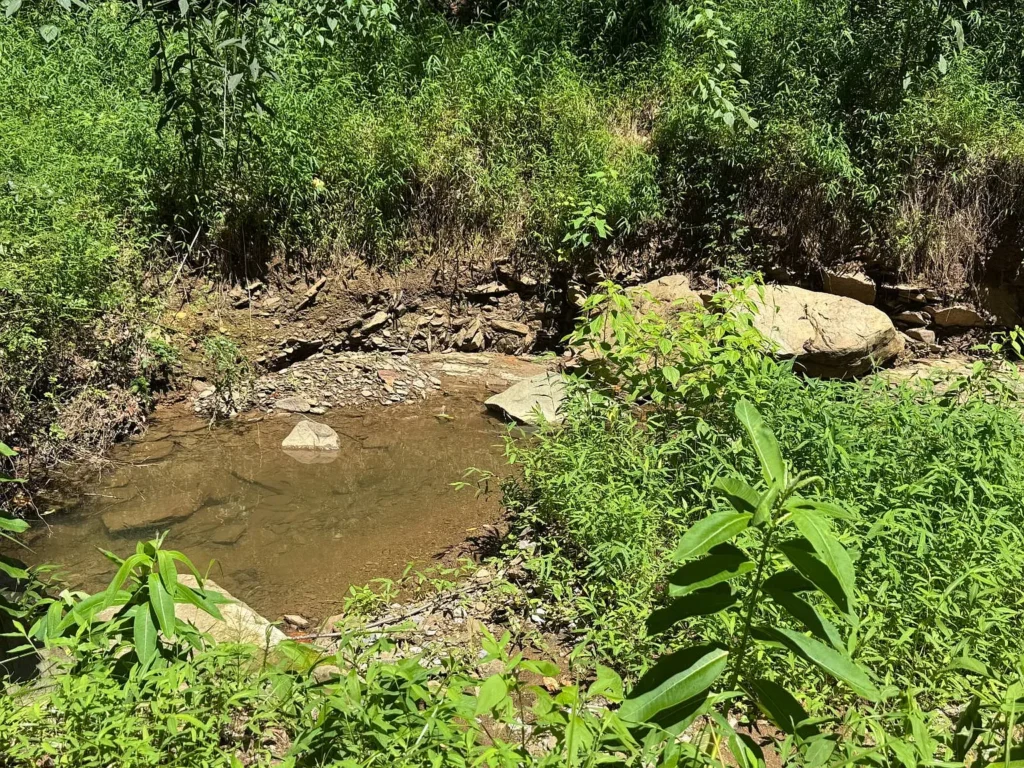
The property features an active stream running through the terrain. A natural water source adds several critical assets to rural land:
- Wildlife Attraction: A permanent or semi-permanent stream provides essential drinking water for native game, including white-tailed deer, wild turkey, black bear, and small game.
- Aesthetic and Recreational Value: Streams enhance the natural atmosphere of a campsite, providing scenic beauty, natural sound, and areas for outdoor relaxation.
- Non-Potable Utility: Water from the stream can be utilized for non-potable camp needs, livestock, or tactical off-grid washing systems.
Buyers should note that land directly adjacent to mountain streams requires careful monitoring during heavy rain events to identify seasonal flood lines before placing permanent camper pads or outbuildings.
The Cleared Campsite Pad
A distinct physical asset of this 94-acre parcel is the pre-existing cleared campsite. Clearing trees, removing stumps, and grading level dirt pads on sloping West Virginia mountain ground can easily cost $3,000 to $8,000 in excavation fees.
Having a pre-cleared campsite provides immediate utility upon closing. A buyer can park a travel trailer, set up wall tents, store off-road vehicles, or establish an off-grid cabin pad without waiting months for timber clearing contractors.
Access Logistics and Road Infrastructure
Access is often the single most critical factor governing the utility and valuation of rural mountain land. The listing explicitly details the access setup for Gluck Run Rd: the access road follows a creek bed for much of the way and requires a four-wheel-drive (4WD) vehicle.
Understanding Creek-Bed Access Roads
Creek-bed access roads are common in historic Appalachian timber and agricultural tracts. Rather than cutting expensive bench roads into steep hillsides, historical access routes followed natural low-gradient creek bottoms.
Navigating a creek-bed road involves specific operational realities:
- Vehicle Requirements: Standard two-wheel-drive (2WD) sedans, low-clearance crossovers, or street-pavement vehicles cannot reliably navigate this approach. Reaching the campsite requires high-clearance 4WD pickup trucks, modified SUVs, ATVs, or UTVs.
- Seasonality and Heavy Rainfall: During heavy spring rains or summer thunderstorms, mountain creeks swell. High-water events can temporarily make creek-bed roads impassable until water levels recede.
- Winter Conditions: In freezing winter weather, flowing water in creek beds can form thick ice sheets or deep rutted mud, requiring tire chains or tracked off-road vehicles.
- Road Maintenance Overhead: Maintaining a creek-bed drive requires periodic clearing of fallen branches, gravel shifting after high water, and clearing debris from natural culverts.
Long-Term Access Engineering Options
For a recreational buyer, a 4WD creek-bed approach adds to the adventure and privacy of an off-grid getaway. However, if a buyer eventually wants to build a permanent year-round residence, they must evaluate long-term access improvements:
- Bridge or Culvert Installation: Placing heavy-duty concrete or steel culverts at major stream crossings to elevate the road pad above normal water flow.
- Grading a High-Water Side Drive: Cutting a dedicated gravel driveway along the higher bench of the hillside above the stream bed.
- Cost Factor: Engineering a permanent, all-weather 2WD gravel driveway over complex terrain can range from $10,000 to $30,000+ depending on distance, culverts, and gravel depth.
Infrastructure and Utility Analysis: The Power Advantage
Navigating utilities is a major hurdle when evaluating raw mountain land. Developing power on remote acreage often requires running utility poles across third-party properties, incurring massive line-extension fees.
The Bisecting Electrical Line Factor
While there are currently no active meters or electrical connections installed on the property, electric service is available and passes right through the heart of the 94 acres.
This is one of the most significant financial advantages of the Gluck Run Rd property:
- Eliminating Line Extension Costs: Power companies typically charge between $15 and $30 per linear foot to extend overhead utility lines. If power sits a half-mile away, bringing electricity to a site can easily cost $40,000 to $70,000. Because the main power line already bisects the subject property, dropping a transformer and meter pole to the cleared campsite requires only a short service drop.
- Reduced Permitting Friction:Having power bisecting the land avoids the need to secure utility easements from neighboring property owners.
- Hybrid Off-Grid / On-Grid Flexibility:A landowner can choose to stay completely off-grid with solar generators or connect to grid power at a fraction of the typical rural installation cost.
Water and Wastewater Options
To transform the cleared campsite into a long-term cabin site or residence, a buyer must establish private water and wastewater systems:
- Water Supply: Because municipal water is not connected to the interior campsite, a buyer can drill a private water well, install a rainwater harvesting and filtration system, or haul potable water tanks for seasonal camp visits. Drilling a water well in Gilmer County typically costs between $6,000 and $11,000 depending on depth.
- Wastewater Disposal: Installing a permanent residence or full-plumbing cabin requires a private septic tank and drain field system. This process involves a soil percolation (“perc”) test and health department approval, typically costing between $8,000 and $14,000. For simple recreational use, composting toilets or holding tanks offer low-cost alternatives.
Surface Rights vs. Mineral Rights: Crucial Legal Realities
The property disclosures explicitly confirm that this sale includes Surface Rights Only.The underlying mineral rights (oil, natural gas, coal, timber minerals) have been severed and reserved by prior owners or energy companies.
Understanding what “surface rights only” means in West Virginia is vital for any prospective land buyer.
What Is a Severed Mineral Estate?
In West Virginia property law, real estate consists of two distinct estates: the surface estate and the mineral estate. When mineral rights are severed, the owner of the surface rights owns the dirt, trees, surface water, and rights to build structures, while a separate party owns the subsurface oil, gas, or minerals.
Legal Implications for the Surface Owner
- Dominant vs. Servient Estate: Under West Virginia common law, the mineral estate is considered the “dominant” estate. This means the mineral owner (or their gas/oil lessee) has the legal right to reasonable use of the surface to access and extract their subsurface minerals, unless explicitly restricted by deed language or state surface owners’ protection acts.
- Surface Owner Rights: Modern West Virginia statutes (such as the Oil and Gas Production Damage Compensation Act) provide protections for surface owners. Mineral operators must provide advance notice before drilling, pay compensation for surface land damage, pay for lost crops or timber, and reclaim disturbed surface areas once drilling ends.
- Market Pricing Discount:Properties sold as “surface rights only” typically trade at a 15% to 30% discount compared to tracts with 100% unsevered mineral rights intact.The $1,542 per acre asking price of Gluck Run Rd reflects this surface-only designation.
For a buyer seeking private recreational land, hunting ground, or a weekend camping getaway, surface-only ownership is extremely common in West Virginia and rarely impacts everyday surface enjoyment. However, buyers should always conduct a title search to review existing gas/oil leases or pipeline easements.
Proximity and Rural Location: Privacy Meets Town Convenience
Location plays a unique role in the market appeal of Gluck Run Rd.While the property offers deep mountain privacy and creek-bed seclusion, it sits approximately 2 miles from the town of Glenville, West Virginia.
The Value of 2-Mile Town Proximity
Many 90+ acre hunting tracts in West Virginia are located 45 to 60 minutes away from basic civilization. Reaching a grocery store or medical facility from remote parcels often requires a lengthy drive.
Gluck Run Rd avoids this isolation:
- Everyday Amenities:Located just 2 miles away, Glenville provides access to a full-service grocery store, local restaurants, gas stations, hardware stores, pharmacies, and automotive repair shops.
- Glenville State University: Glenville is home to Glenville State University, bringing cultural events, athletic facilities, educational resources, and rental housing demand to the immediate area.
- Medical Facilities: Quick access to local health clinics and emergency services in Glenville provides peace of mind for seasonal campers and residents.
- Little Kanawha River Access:Glenville sits along the Little Kanawha River, offering nearby public boat ramps, canoeing, kayaking, and warm-water fishing for bass and musky.
This proximity creates a ideal balance: a landowner can spend the morning hunting or riding ATVs in total mountain seclusion, drive 5 minutes into town for lunch or supplies, and return to camp immediately.
Comparative Value: Raw Land vs. Pre-Improved Recreational Tract
To determine whether the $145,000 asking price provides compelling value, it is helpful to compare purchasing Gluck Run Rd against the cost of buying an un-serviced bare land tract in Gilmer County and developing basic improvements independently.
Hypothetical Development Scenario: Unimproved 94-Acre Raw Land
Consider a hypothetical buyer who purchases 94 acres of completely raw, un-serviced timberland in Gilmer County lacking electricity, surveys, or site clearings:
- Raw Land Purchase Price (94 acres @ $1,300/acre): $122,200
- Boundary Survey (94 mountain acres): $6,000
- Electrical Line Extension (1/4 mile power drop): $20,000
- Excavator Site Clearing (Campsite pad): $5,000
- Total Estimated Raw Land Buildout Cost:$153,200
Subject Property Scenario (Gluck Run Rd)
- Listed Asking Price:$145,000
- Included Features:94 Acres + On-Site Bisecting Power Line + Pre-Cleared Campsite + 2005 Boundary Survey + 2-Mile Town Proximity + Stream Feature
Comparative Insight
This comparison illustrates that purchasing Gluck Run Rd at $145,000 saves a buyer thousands of dollars in upfront engineering and utility line drop costs.Having power already running through the parcel and a pre-cleared campsite pad in place removes major development headaches and financial variables.
Advantages and Disadvantages Analysis
An objective real estate evaluation requires weighing property strengths directly against physical limitations.
Key Potential Advantages
- Competitive Per-Acre Price:Offered at $1,542 per acre, the property presents an accessible price point for a large 94-acre footprint.
- On-Site Power Lines:Electrical lines bisecting the property eliminate long, expensive utility extension fees.
- Pre-Cleared Campsite:Provides immediate operational utility for travel trailers, campers, or cabin construction.
- Stream and Water Assets:Natural mountain creek running through the terrain enhances wildlife habitat and camp scenery.
- Unbeatable Proximity to Amenities:Situated just 2 miles from downtown Glenville’s grocery stores, dining, and university facilities.
- Surveyed Boundary Title:Surveyed in 2005, giving the buyer established boundary maps rather than relying strictly on old deed calls.
- Low Annual Carrying Overhead: Taxes of $880 per year ($73/month) make long-term land banking strain-free.
- Recreational Freedom:Zero HOA covenants, allowing off-road ATV riding, shooting sports, hunting, and camping.
Potential Disadvantages and Risks
- 4WD Creek-Bed Access:The access road follows a creek bed, requiring high-clearance 4WD vehicles or ATVs/UTVs and presenting high-water passability limits during heavy storms.
- Surface Rights Only:Subsurface mineral rights are severed and reserved by third parties, creating a potential (though regulated) risk of future energy extraction access.
- Sloping Topography:Steep terrain limits large-scale agricultural crop farming or dense residential subdivisions.
- Lack of Existing Well and Septic: Residential use requires investing in private water well drilling and engineered septic system installation.
- Ongoing Road Maintenance:Maintaining a creek-bed access path requires periodic clearing of flood debris and gravel grading.
Target Buyer Profiles: Who Is This Land Best For?
Matching property characteristics with buyer needs clarifies who will derive the highest utility from Gluck Run Rd.
Ideal Buyer Candidates
- Outdoor Recreationists and Hunters:For big-game hunters seeking a private 94-acre mountain tract with dense timber cover, natural stream water, abundant deer/turkey sign, and 4WD access, this property offers a prime setup.
- ATV, UTV, and Off-Road Trail Enthusiasts:Buyers who own off-road vehicles will value the creek-bed access approach and the ability to cut miles of private mountain trails across 94 acres.
- Off-Grid Campers and Weekend Retreaters:Individuals seeking a private weekend campsite equipped with bisecting power lines just 2 miles from town supplies.
- Value-Driven Land Bankers: Investors seeking to hold tangible land as an inflation hedge with ultra-low $880 annual tax holding costs.
Who Should Consider Looking Elsewhere?
- Suburban Homebuilders Needing Paved Access: Anyone seeking a paved 2WD driveway for daily commute in low-clearance sedans.
- Buyers Insisting on 100% Mineral Rights: Investors who strictly require unsevered subsurface mineral estates.
- Agricultural Crop Farmers: Buyers requiring flat, cleared, tillable bottomland soil.
Investment and Holding Strategy
From a long-term financial perspective, Gluck Run Rd operates as a versatile recreational land asset.
Land Banking Efficiency
Holding unimproved acreage in Central West Virginia provides physical asset security. With annual taxes at $880 per year, an owner can hold 94 acres for decades with minimal financial drain while enjoying private hunting and camping access.
Selective Timber Management
The 94 acres consist primarily of sloping timberland. A buyer can consult with a professional forester to evaluate standing hardwood timber volume. Conducting a selective, sustainable timber harvest can generate periodic cash flow to offset the initial land purchase price while simultaneously opening up interior wildlife clearings and trail networks.
Buyer Due Diligence Checklist Before Making an Offer
Executing thorough pre-offer due diligence protects land buyers from unexpected expenses. Prospective buyers should complete the following technical verification steps:
- Review 2005 Boundary Survey:Obtain and review the official 2005 boundary survey map on file to verify property corners and acreage boundaries.
- Title Search and Mineral Rights Audit:Retain a West Virginia real estate attorney to conduct a full title search, confirming surface ownership, reviewing severed mineral deed reservations, and checking for existing oil/gas pipeline easements.
- Creek-Bed Access Right-of-Way Verification:Confirm that the creek-bed access road carries clear, unencumbered legal right-of-way ingress/egress rights in county land records.
- Power Line Service Drop Quote:Contact the local electrical distribution utility bisecting the parcel to get an official quote for dropping a transformer, meter pole, and camper hookup at the cleared campsite.
- Physical Site Walkthrough:Walk the 94 acres in person using handheld GPS mapping applications (such as OnX Hunt or LandGlide) to inspect the cleared campsite, stream flow, bisecting power lines, and 4WD access path.
- Soil Percolation Testing: If planning permanent cabin construction, consult with a local septic contractor regarding soil perc testing requirements for private septic permitting.
- Gilmer County Tax Verification: Confirm annual tax liabilities ($880/year) and parcel details with the Gilmer County Tax Assessor.
Final Verdict
Gluck Run Rd represents an exceptional entry-level recreational land opportunity in Central West Virginia.Offered at $145,000 for 94 acres ($1,542 per acre), its primary value rests in its combination of scale, bisecting power line infrastructure, pre-cleared campsite, and 2-mile proximity to Glenville amenities.
By providing an on-site power line, a cleared campsite pad, and a stream, the property eliminates tens of thousands of dollars in utility extension and excavation costs compared to bare ground. The ultra-low $880 annual property tax burden keeps ongoing holding costs negligible.
The primary trade-offs are clear: access requires high-clearance 4WD vehicles via a creek bed, the terrain is sloping, and the title transfers surface rights only.
For hunters, ATV trail riders, campers, or land-banking investors seeking an affordable, private 94-acre retreat near Glenville under $150,000, Gluck Run Rd is well worth an on-site physical walkthrough and thorough due diligence review.
Listed on Zillow