Property Address: Parcel 29-5610-18490, No Street Address, Two Harbors, MN 55616
Listed Price: $145,000
Land Size: 40 Acres
Cabin Size: 704 Square Feet
Bedrooms: 1
Bathrooms: 0
Year Built: 1996
Property Type: Rustic Single-Family Cabin
Annual Property Taxes: $516 (reported)
HOA: None reported
A 40-acre wooded retreat with a rustic cabin, stream frontage, and no utility connections may sound like an appealing escape from everyday life. That’s the opportunity being advertised near Two Harbors, Minnesota, where a secluded Northwoods property is listed for $145,000.
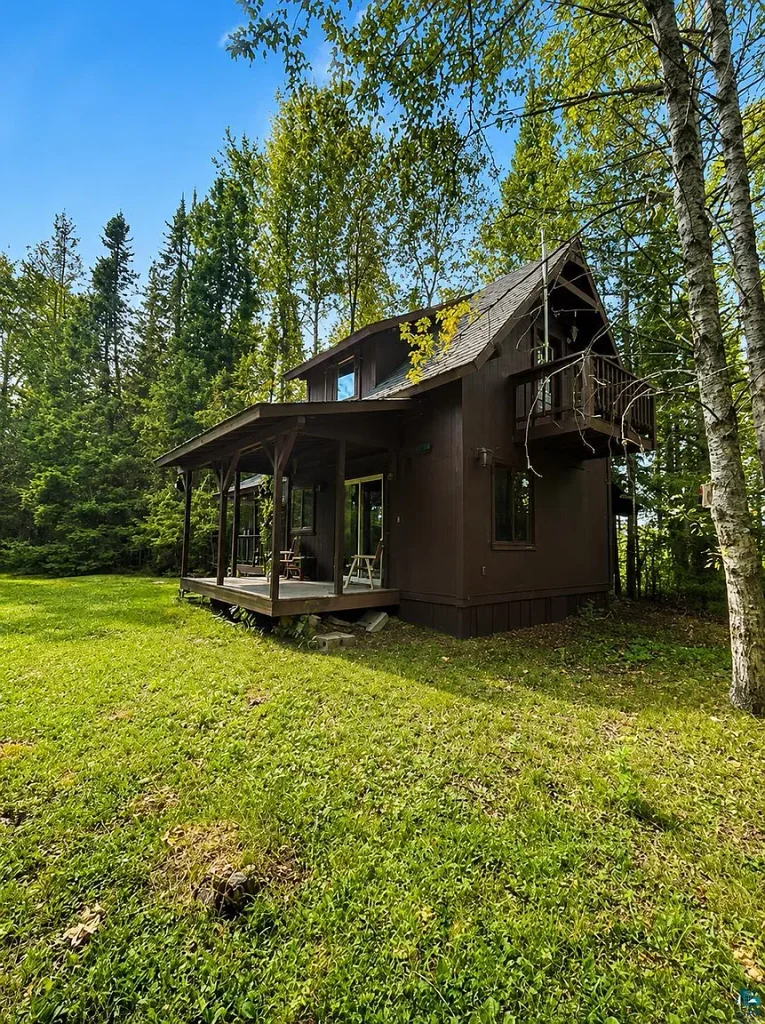
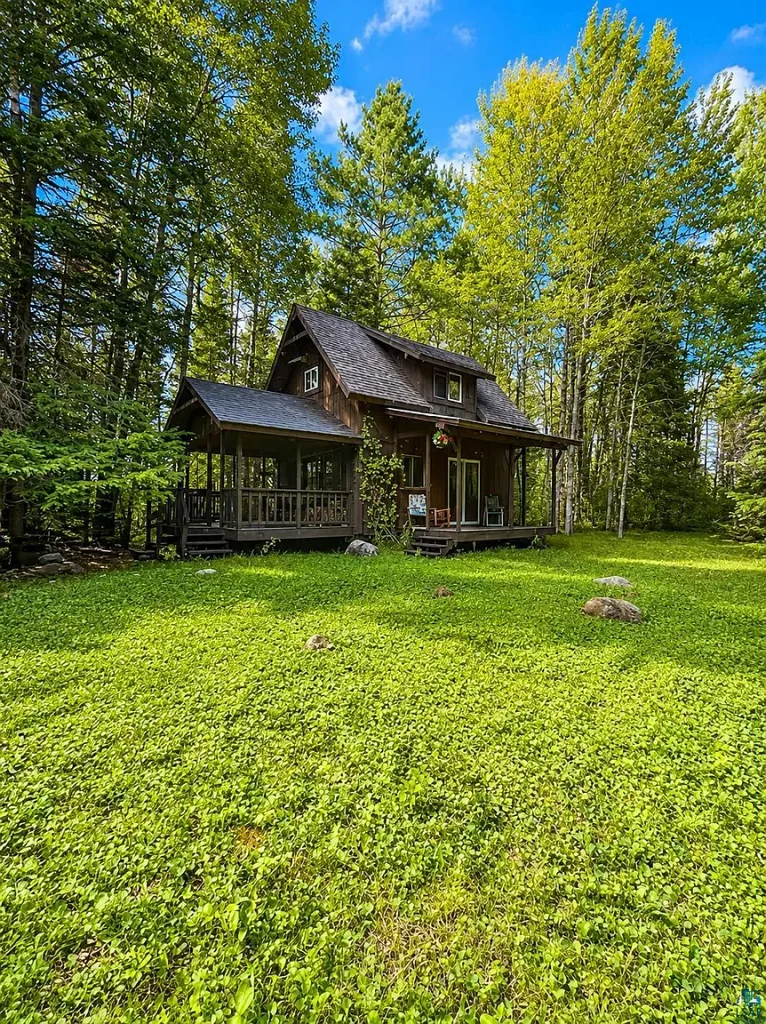
The property includes a 704-square-foot cabin built in 1996, surrounded by a substantial tract of wooded land. It is presented as a recreational getaway for people interested in hunting, outdoor exploration, and a simpler off-grid lifestyle.
However, there is one particularly important detail that buyers should investigate before getting attached to the setting: the property is identified in its listing address as landlocked.
That distinction could affect everything from reaching the cabin to obtaining financing, insurance, and long-term access.
A 40-Acre Northwoods Retreat
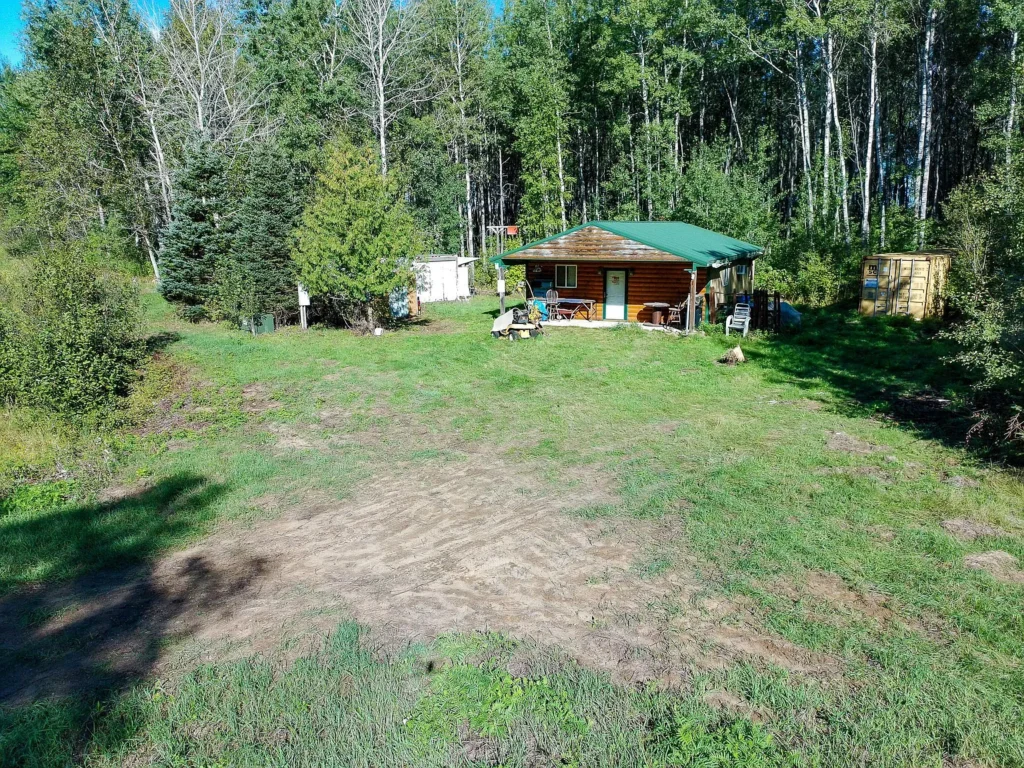
The property consists of approximately 40 acres, with reported lot dimensions of 1,320 by 1,320 feet. That is roughly a quarter-mile square, providing considerably more space than a typical recreational cabin lot.
According to the listing description, the retreat is located approximately 25 miles north of Highway 61 in the Two Harbors area.
The surrounding wooded environment could appeal to buyers seeking privacy, wildlife observation, seasonal recreation, or a place to spend weekends away from more developed areas.
The listing also suggests possibilities for gardening and hunting. However, buyers should evaluate soil conditions, sunlight, local regulations, wildlife management rules, and physical access before assuming those activities will be practical.
While 40 acres offers considerable space, not every part of a wooded property will necessarily be easy to reach or use. Wetlands, drainage areas, uneven terrain, and dense vegetation can affect how the land functions.
Inside the 704-Square-Foot Rustic Cabin
The existing cabin is one of the property’s main attractions.
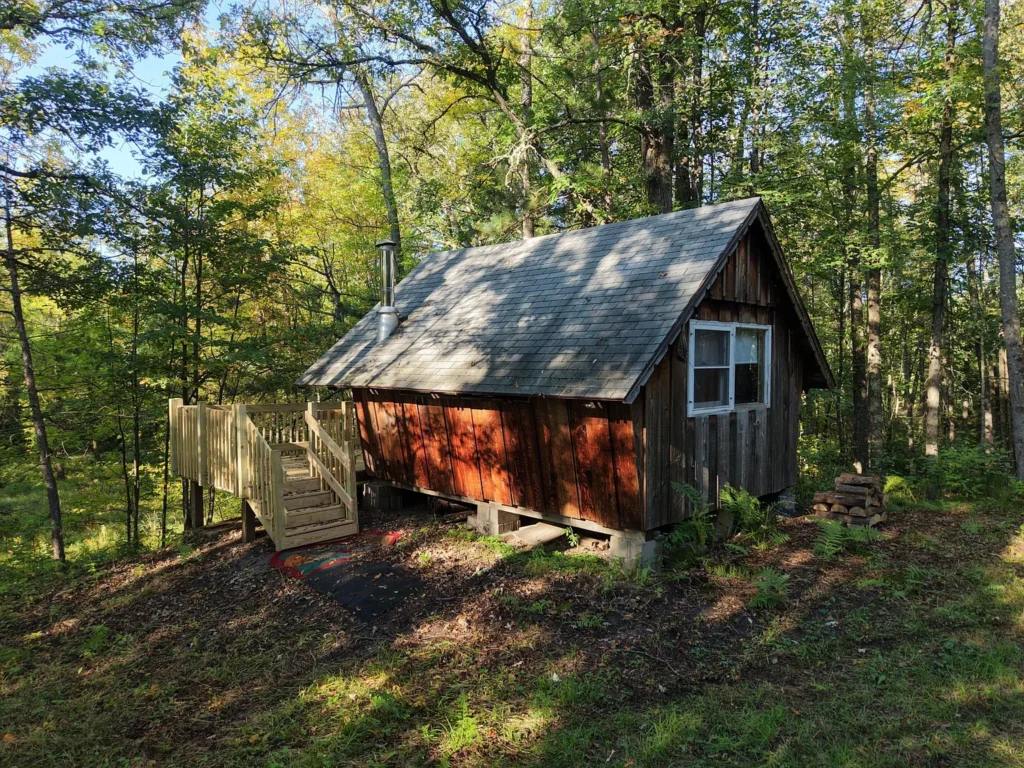
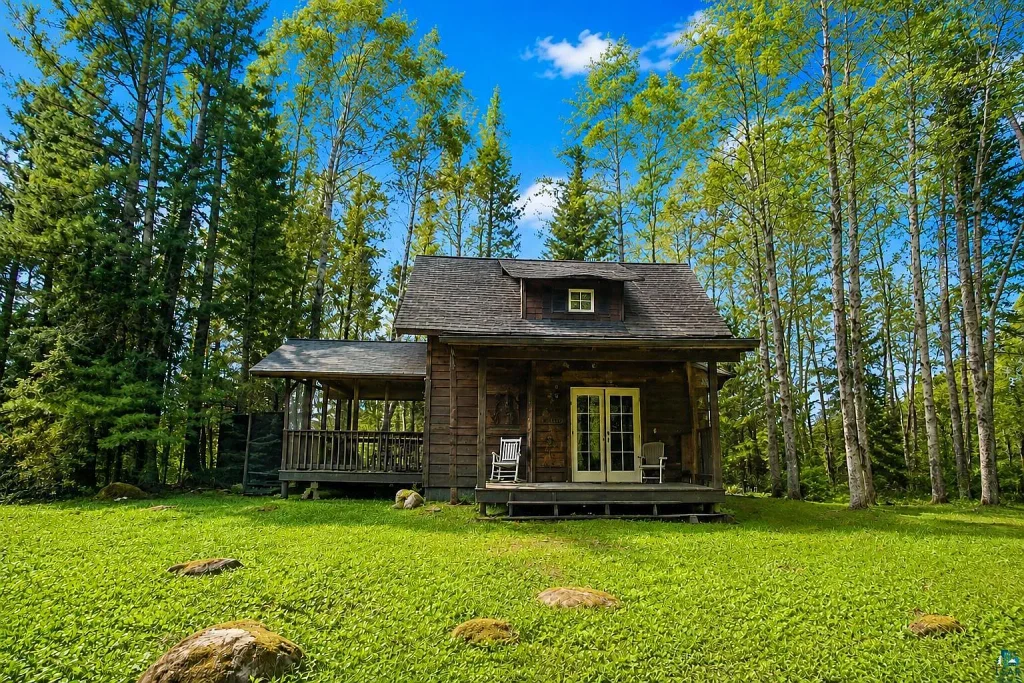
Built in 1996, the structure is described as a timber-built retreat with insulation intended to support winter use. The listing reports 704 square feet of interior living area, one bedroom, and no bathrooms.
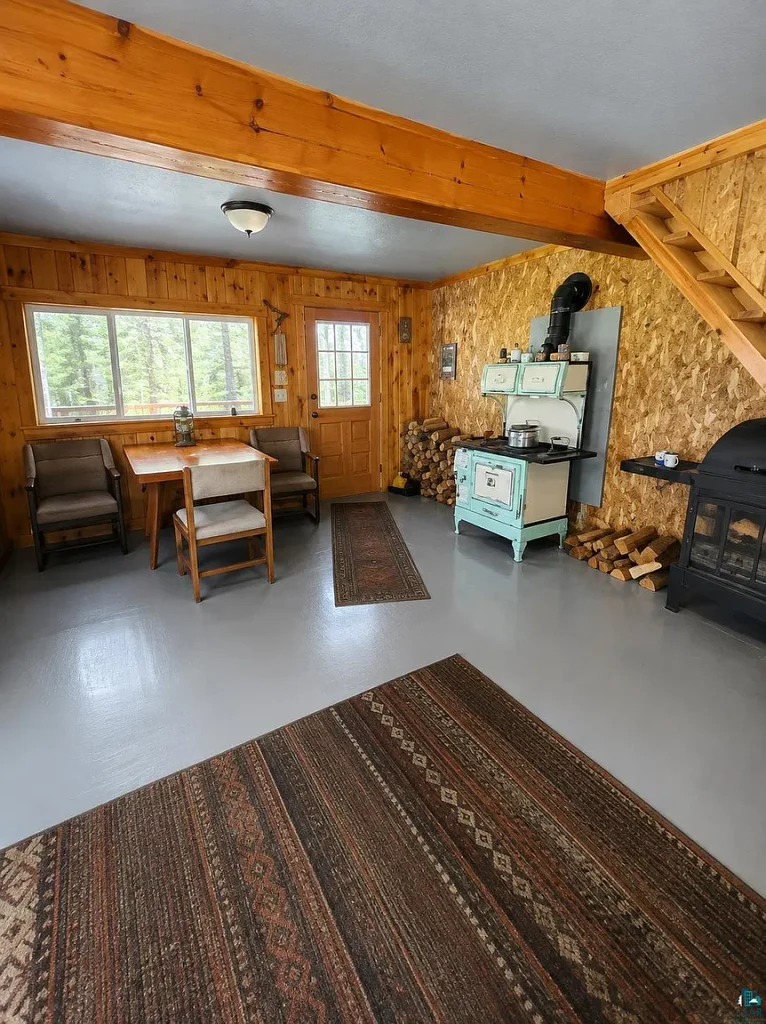
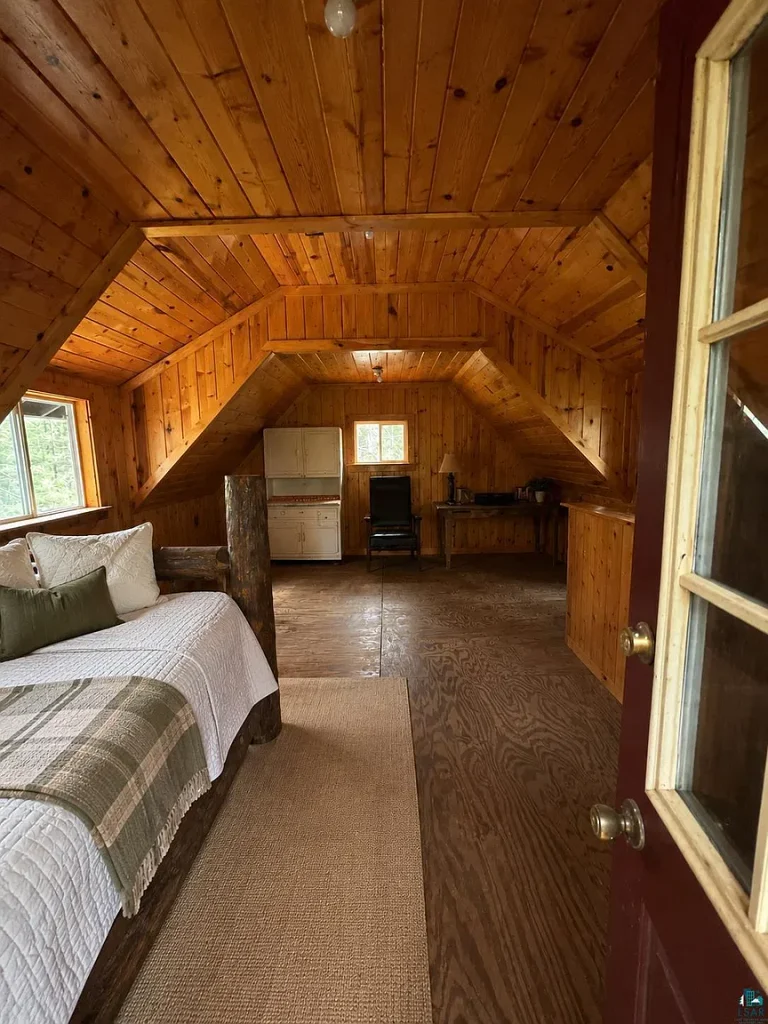
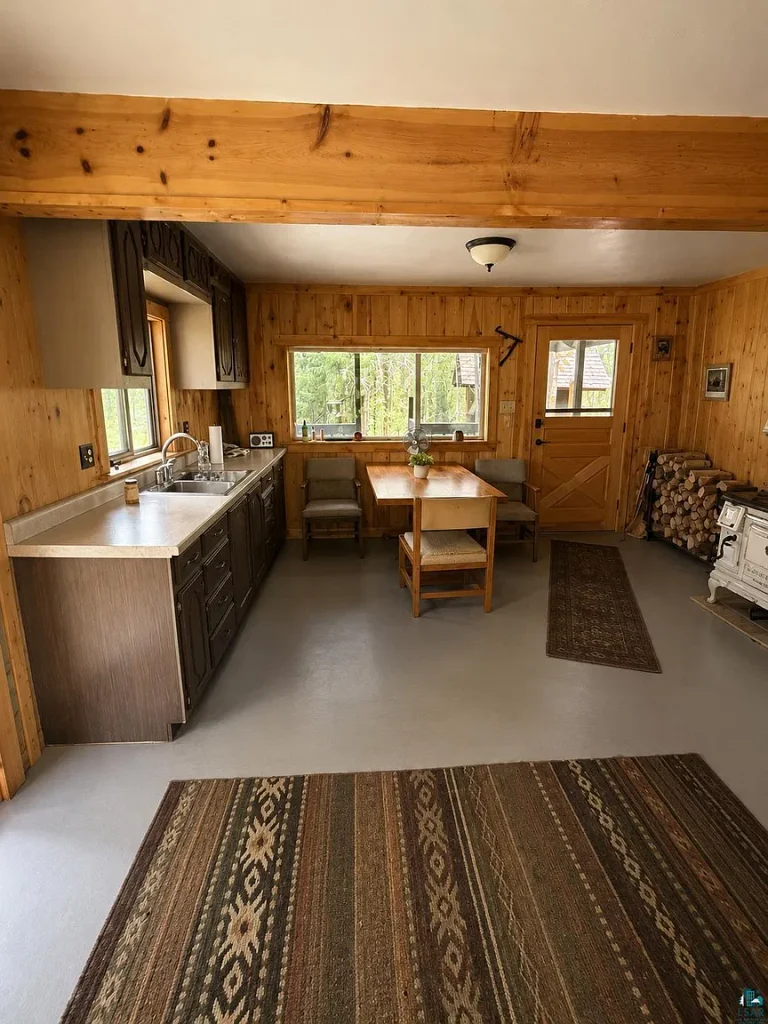
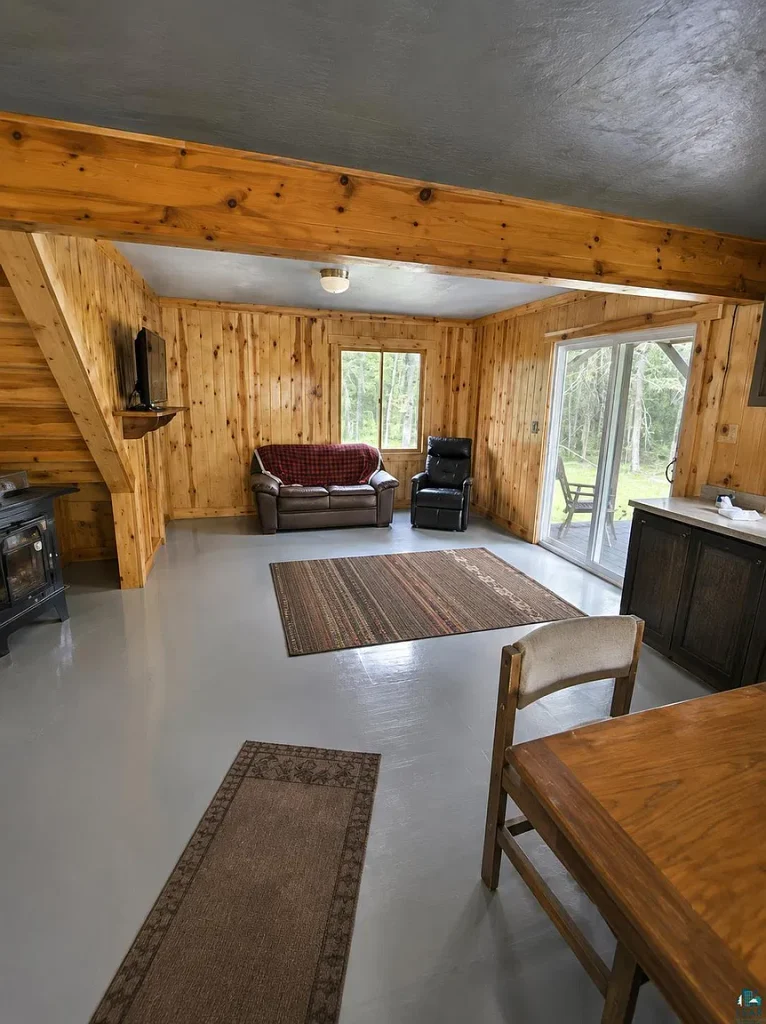
Interior photographs show a warm, rustic design with wood-paneled walls, exposed structural beams, and a relatively open main-floor layout.
The main living space includes a kitchen area, a small dining table, seating, and wood-burning appliances. A staircase leads to an upper-level room with additional sleeping and flexible-use space.
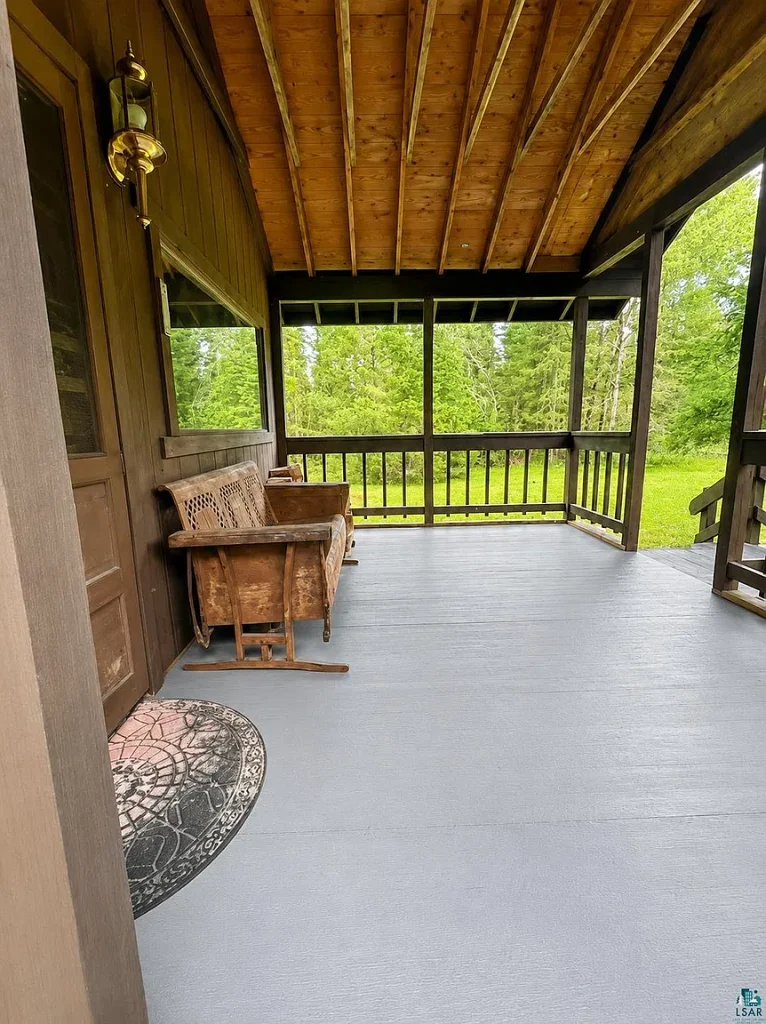
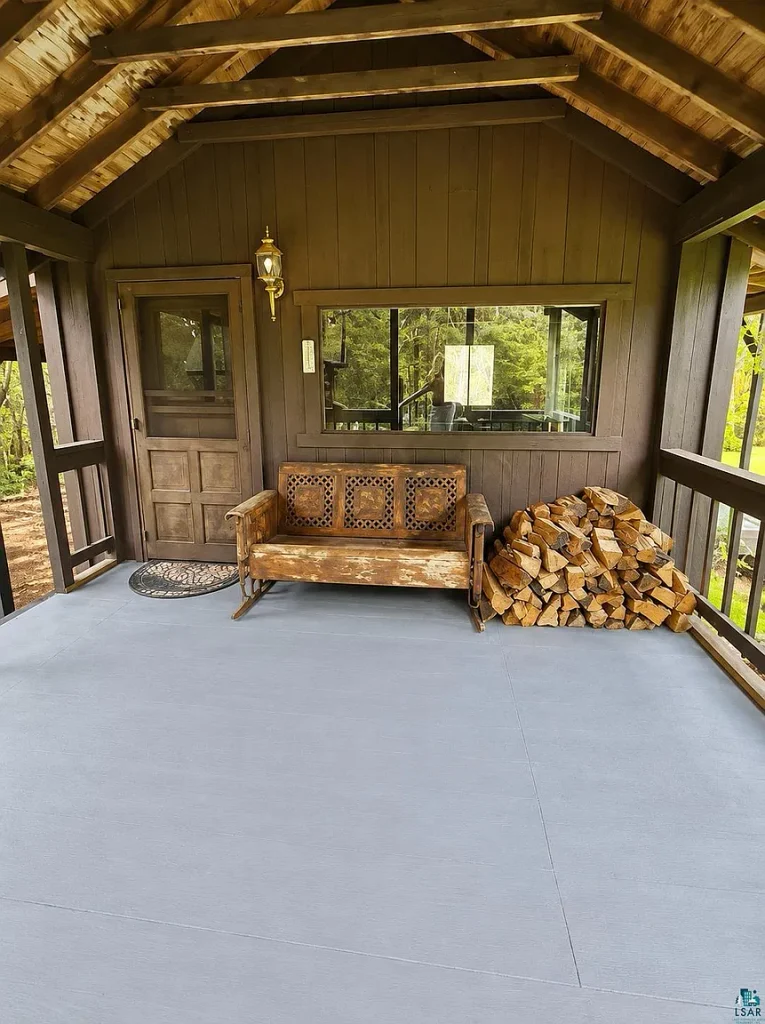
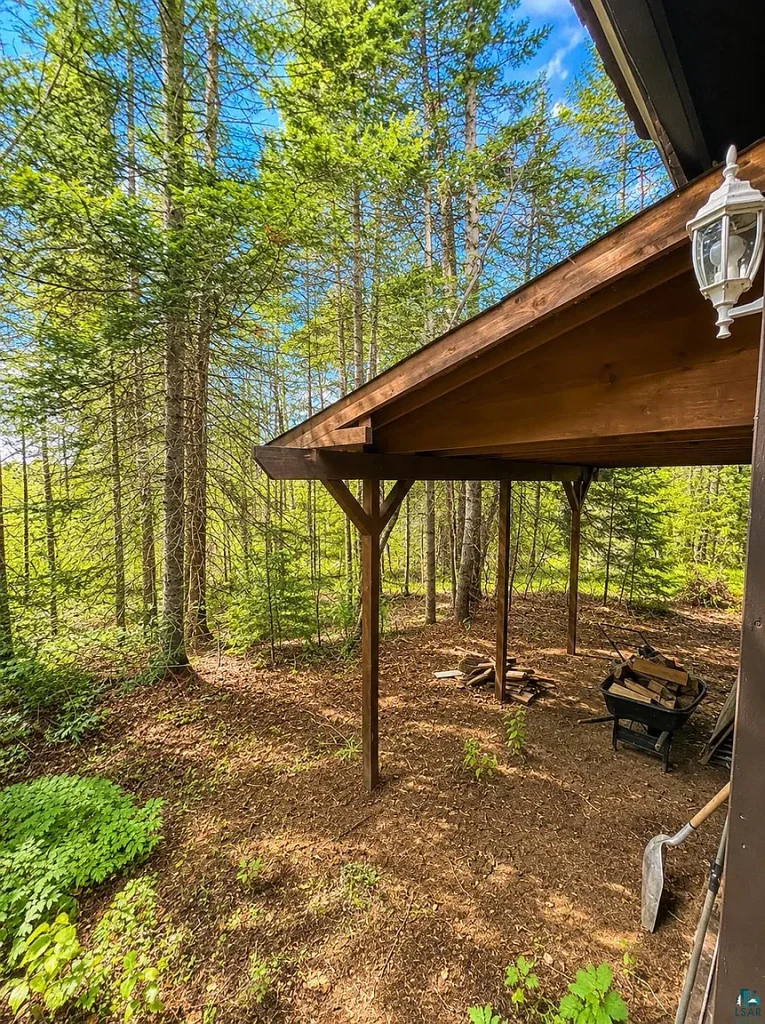
The property also features covered outdoor areas, including a screened porch and an additional lean-to-style covered space.
These features may make the cabin appealing for short recreational stays, although buyers should verify the structure’s condition and suitability for their intended use.
An important distinction: The presence of a wood-burning stove and kitchen equipment does not establish that the cabin meets residential building codes or is approved for year-round occupancy.
A Genuine Off-Grid Setup
Unlike properties marketed as off-grid despite having conventional utilities nearby, this listing describes a cabin without established electrical, water, or sewer service.
The reported utility information includes:
- Electricity: None connected
- Water: No well or other installed water supply reported
- Sewer: None
- Heating: Listed as none, although photographs show wood-burning appliances
- Cooking: A range is included in the listing
- Bathroom: No indoor bathroom
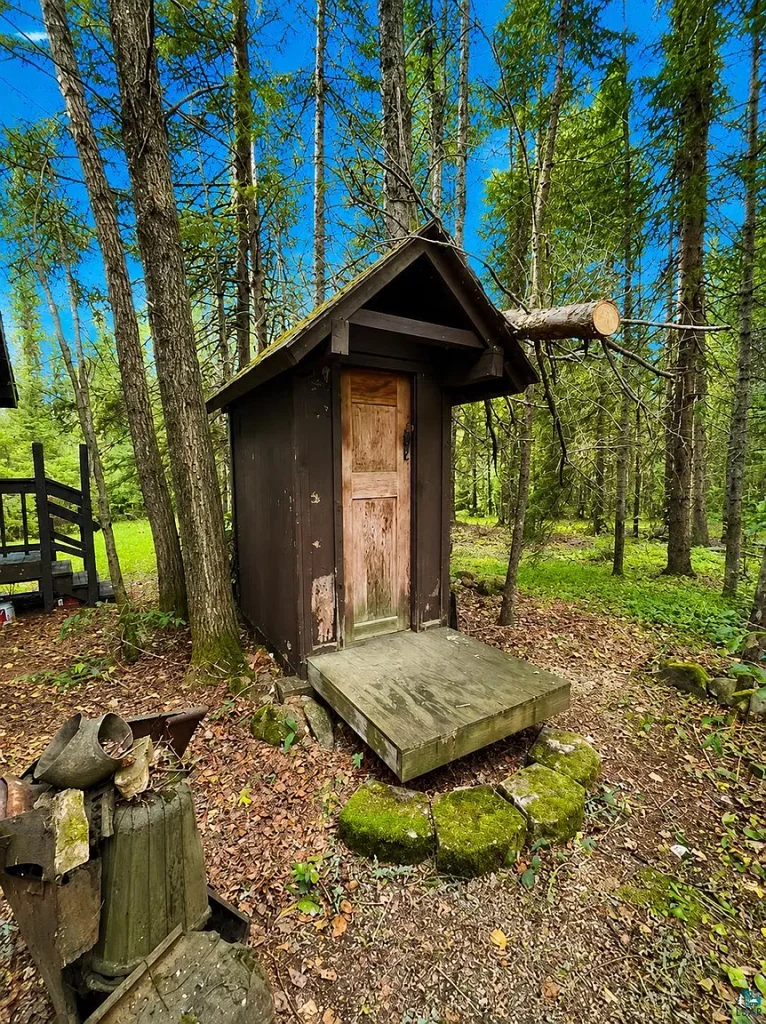
- Sanitation: An outdoor outhouse is described
The seller’s description indicates that electricity can be supplied using a generator.
For recreational buyers accustomed to hauling water, using generators, and managing off-grid sanitation, this arrangement may be familiar.
For someone expecting the convenience of a conventional home, it represents a major lifestyle adjustment.
A future owner considering permanent occupancy or more extensive seasonal use should investigate the costs and regulatory requirements for a well, approved wastewater system, solar installation, battery storage, and other utilities.
The existing outhouse should also be checked for compliance with applicable local sanitation requirements.
Stream Frontage and Water Features
Another appealing feature is the reported presence of water on the property.
The listing identifies the property as waterfront, references the Langley River, and reports approximately 305 feet of frontage.
Its description also mentions waterways associated with the Langley and Cloquet watersheds, while acknowledging that their exact locations on the property are not clearly established in the marketing information.
This uncertainty matters.
A creek shown on a county map may not necessarily provide convenient water access near the cabin. Its flow may vary seasonally, and the surrounding ground could be wet or difficult to cross.
Buyers should obtain a survey or reliable parcel mapping and verify the location, frontage, and characteristics of any watercourse.
They should also investigate potential floodplain, wetland, and shoreland restrictions before planning improvements near the water.
The Biggest Concern: Is There Legal Access?
The property’s listing address includes the words “Landlocked Property – No Street Address.”
This should be treated as a significant due-diligence issue rather than a minor inconvenience.
A landlocked parcel generally lacks direct access to a public road. Some landlocked properties have legally recorded easements allowing access across neighboring land, while others may have unresolved access arrangements.
The supplied listing details do not establish whether this property has a recorded, transferable, legally enforceable access easement.
Before making an offer, buyers should establish:
- Whether a recorded deeded easement provides access from a public road.
- Whether the easement allows vehicle access, including construction and emergency vehicles.
- Whether the access route crosses privately owned land.
- Who is responsible for road construction, maintenance, and snow removal.
- Whether the route is usable throughout the year.
- Whether a title company and lender will accept the access arrangement.
A visible trail or an existing history of using a neighboring road is not automatically proof of legal access.
For a remote Minnesota property, winter access deserves particular attention. Even an established route may become difficult or expensive to maintain during periods of heavy snow.
Buyers should resolve the legal access question before treating this property as a practical cabin purchase.
What Does $145,000 Buy?
At the advertised price of $145,000, the property works out to approximately $3,625 per acre when the entire purchase price is divided by 40 acres.
That calculation includes the existing cabin and improvements, so it should not be interpreted as the market value of the land alone.
The listing also reports approximately $206 per square foot of cabin living area. However, square-foot comparisons are of limited use for a property where the land, seclusion, recreational opportunities, and access arrangements may account for a substantial portion of the overall value.
The reported annual property tax is $516, although future assessments and tax bills may change after a sale.
The true ownership cost could also include:
- Property insurance, if coverage is available
- Generator fuel and maintenance
- Firewood and chimney maintenance
- Road and trail maintenance
- Snow removal or winter transportation
- Water transportation or well installation
- Sanitation improvements
- Building repairs and pest prevention
- Survey, title, and legal access expenses
The low reported property tax should not be confused with low total ownership costs.
Who Might Find This Property Appealing?
This retreat may interest experienced recreational property buyers who understand the limitations of remote land.
It could be worth investigating for someone seeking a seasonal hunting base, a weekend cabin, or a private place to enjoy the Northwoods without relying on a conventional utility network.
The combination of an existing structure, substantial acreage, wooded surroundings, and reported stream frontage is unusual enough to deserve a closer look.
However, it may be a poor fit for buyers who need reliable daily vehicle access, indoor plumbing, grid electricity, or a conventional mortgage without complications.
It should also not be assumed suitable for full-time residential use until access, permits, utilities, and applicable occupancy requirements have been verified.
Important Checks Before Buying
Before proceeding, a prospective buyer should consider the following investigations.
Legal access and title: Obtain a title commitment, review recorded easements, and have a qualified real estate attorney evaluate any access limitations.
Property boundaries: Confirm the 40-acre parcel dimensions and identify the cabin, trails, and water features relative to the legal boundaries.
Cabin inspection: Have a qualified inspector examine the roof, framing, foundation, moisture intrusion, insulation, stairs, and overall structural condition.
Wood-burning equipment: Verify that the stove installations, chimneys, and clearances are safe and suitable for continued use.
Water and sanitation: Confirm whether a well or compliant wastewater system could be installed and what approvals would be required.
Wetlands and shoreland: Review applicable land-use restrictions before planning any additional construction or clearing.
Seasonal access: Investigate road conditions during winter and spring thaw, including emergency access.
Financing and insurance: Discuss the property’s lack of conventional utilities and potential access limitations with lenders and insurers before relying on financing.
These checks are especially important when purchasing a remote property that may not meet the expectations associated with a conventional residence.
Final Thoughts
This 40-acre property near Two Harbors offers several features that attract buyers to northern Minnesota: wooded surroundings, an existing rustic cabin, substantial privacy, and reported stream frontage.
The $145,000 asking price may initially look appealing to someone searching for an off-grid recreational retreat.
But the property also comes with meaningful limitations. It has no reported installed water, sewer, or electrical service, no indoor bathroom, and an unresolved legal access question based on the information provided.
For the right buyer, those challenges may be manageable. For someone seeking an easy-to-use cabin with conventional comforts, they could become expensive obstacles.
The most important step is to verify legal access and evaluate the property’s practical usability before deciding whether the asking price represents good value.
Original Property Listing
Disclaimer: This article is provided for general informational purposes and is based on supplied real estate listing details and photographs. It is not an appraisal, legal opinion, inspection report, or guarantee of property condition or availability. Listing prices, descriptions, property features, and availability may change. Buyers should independently verify all material facts with the listing agent, county authorities, qualified inspectors, and appropriate legal professionals before making a purchase decision.