Amasa, Michigan | 40 Wooded Acres | 378 Sq Ft Cabin | Asking Price: $138,800
Finding 40 acres of mature hardwood forest with an existing cabin in Michigan’s Upper Peninsula is worth a closer look, particularly for buyers interested in recreational land, hunting, and remote weekend retreats.
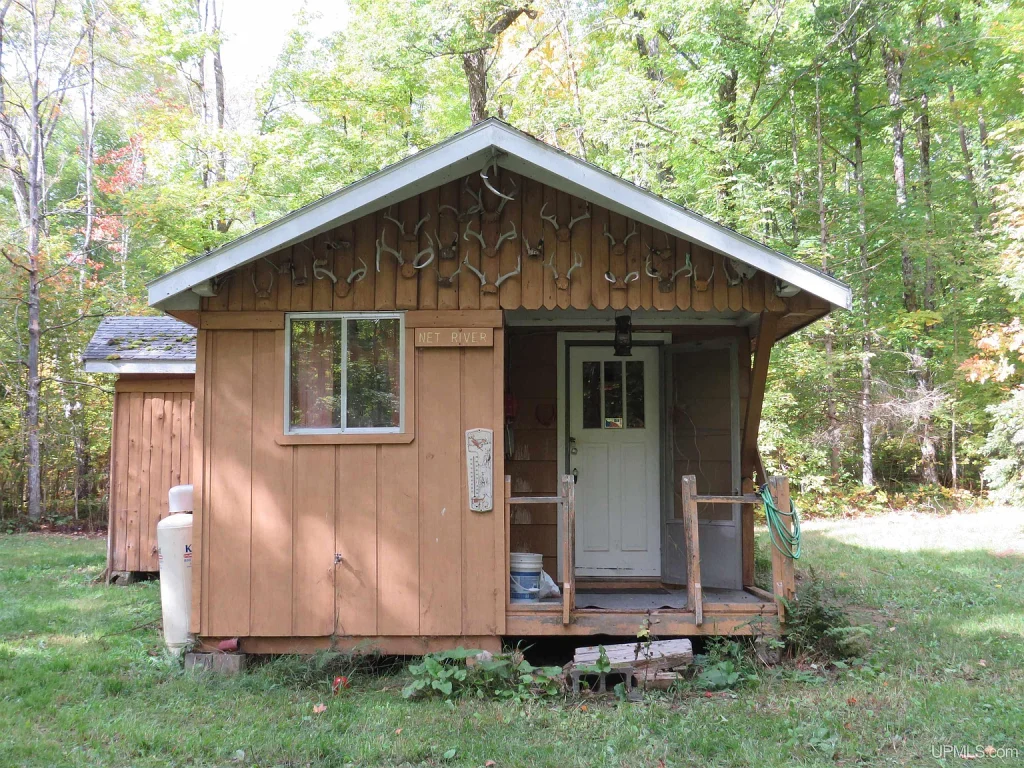
A property listed at $138,800 off Net River Road in Amasa, Michigan, combines approximately 40 wooded acres with a small, rustic cabin built in 1971. The land features mature maple trees, established woodland surroundings, and opportunities for outdoor recreation.
However, this is not a conventional move-in-ready home. The cabin has no bathroom, no listed conventional utility connections, and access conditions that may require a high-clearance four-wheel-drive vehicle.
For the right buyer, the attraction is the combination of land, privacy, and an existing recreational structure. Understanding the limitations is just as important as appreciating the setting.
Property Overview
| Feature | Details |
|---|---|
| Location | Off Net River Rd, Amasa, MI 49903 |
| Asking Price | $138,800 |
| Property Type | Single-family residence / rustic camp |
| Land Size | 40 acres |
| Cabin Size | 378 sq ft |
| Bedrooms | 1 |
| Bathrooms | 0 |
| Year Built | 1971 |
| Heating | Wood-burning stove |
| Cooling | None |
| Water | Drilled well |
| Sewer | None listed |
| Electricity | No conventional utility service listed |
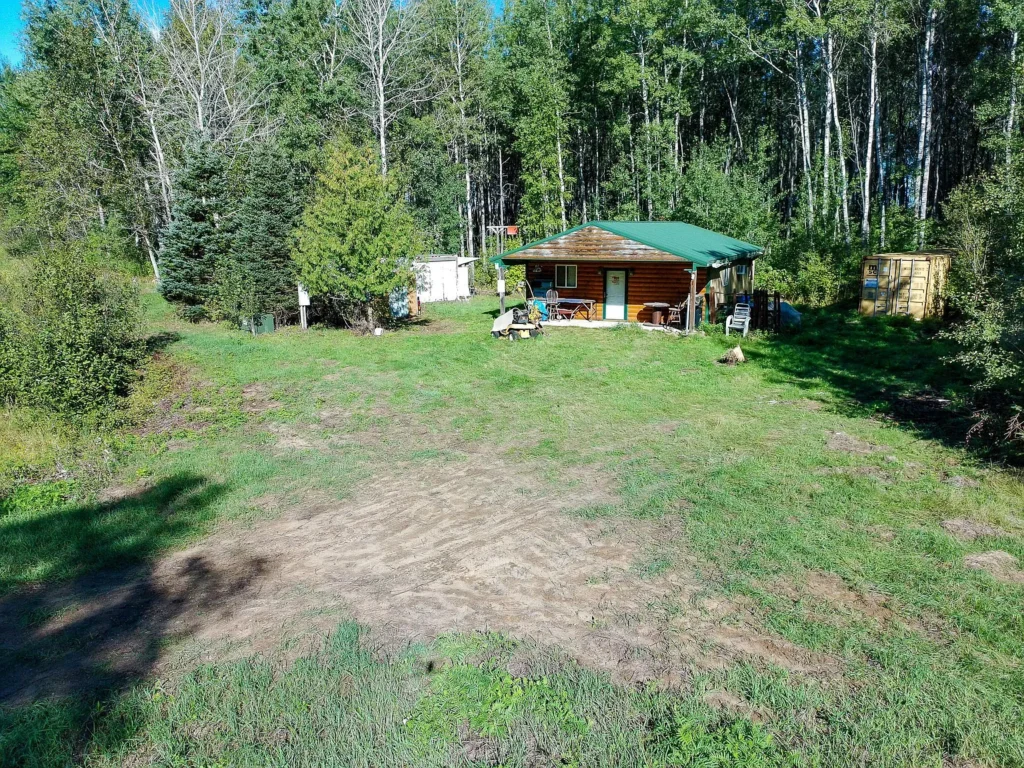
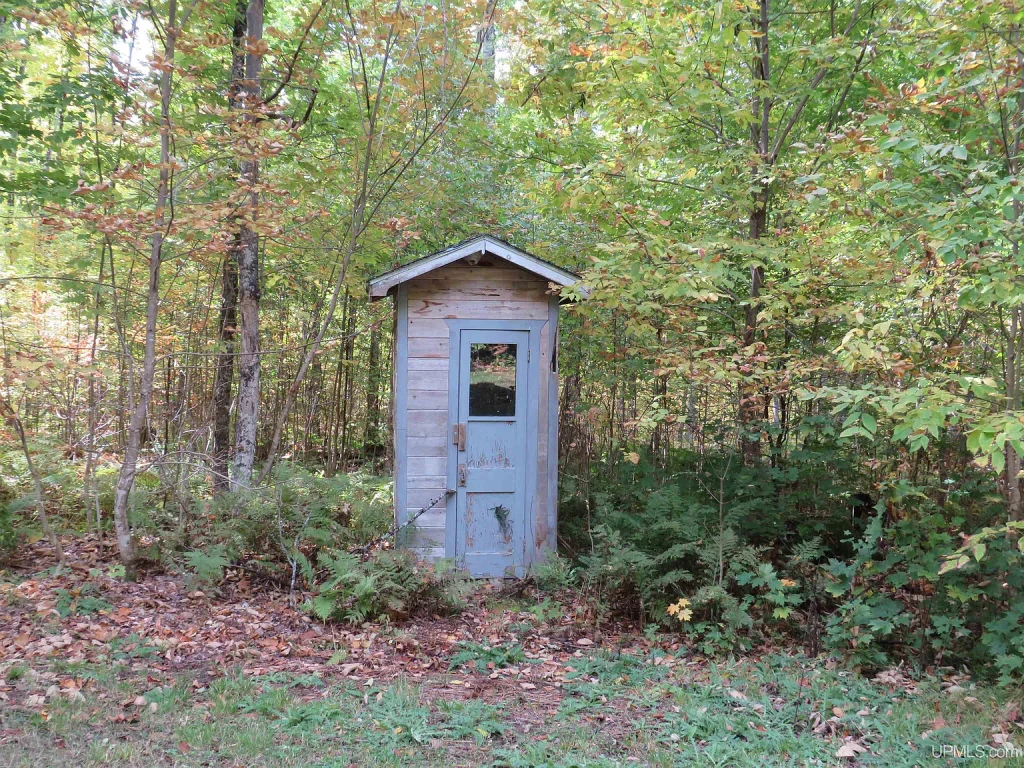
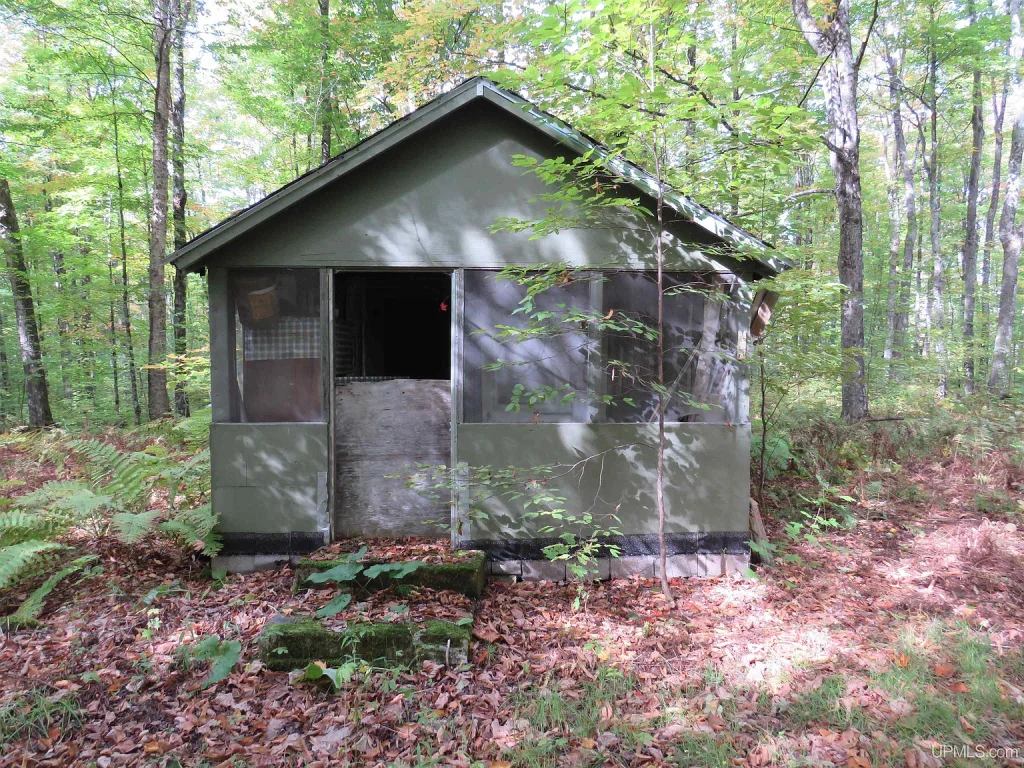
| Additional Structures | Shed and outhouse |
| HOA | None listed |
| Annual Property Tax | $425 |
| Parcel Number | 00318300300 |
These details reflect the supplied real estate listing. Price, availability, property condition, and other information should be independently verified before making a purchasing decision.
A 40-Acre Hardwood Forest in Michigan’s Upper Peninsula
The most significant feature of this property is its land.
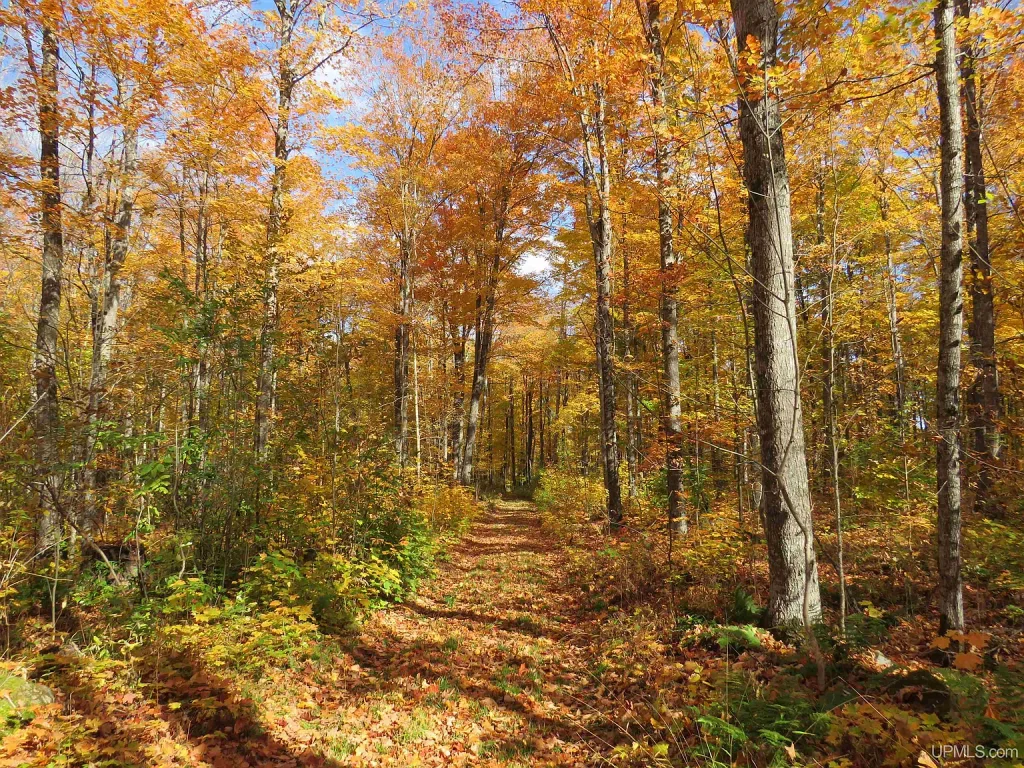
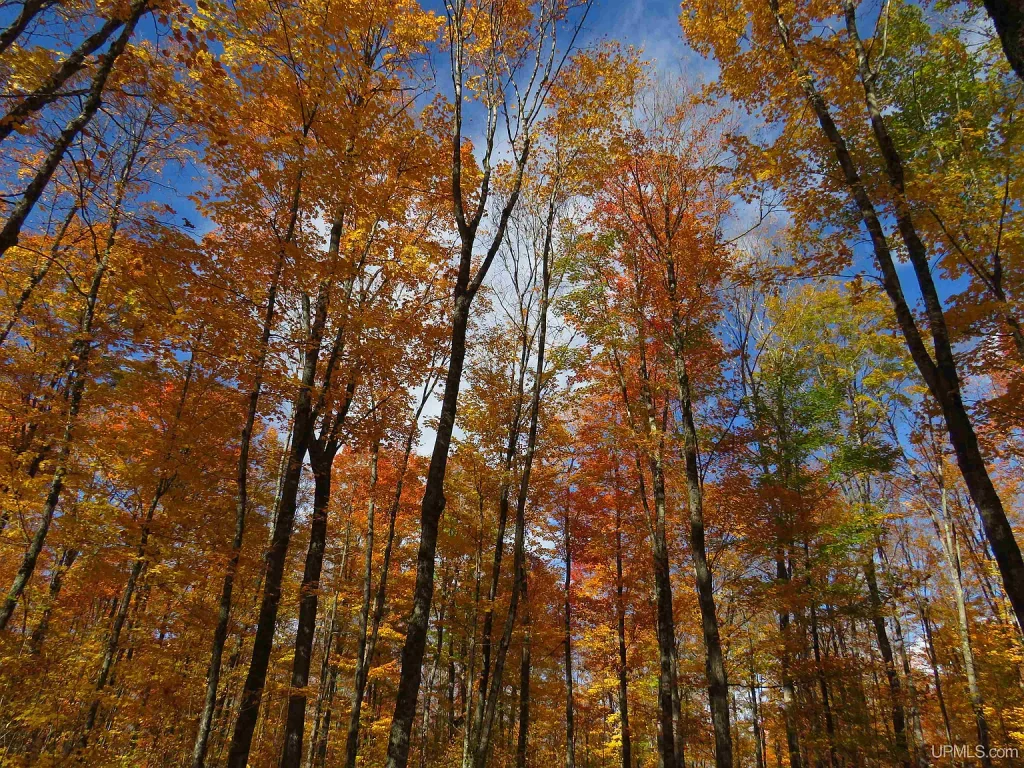
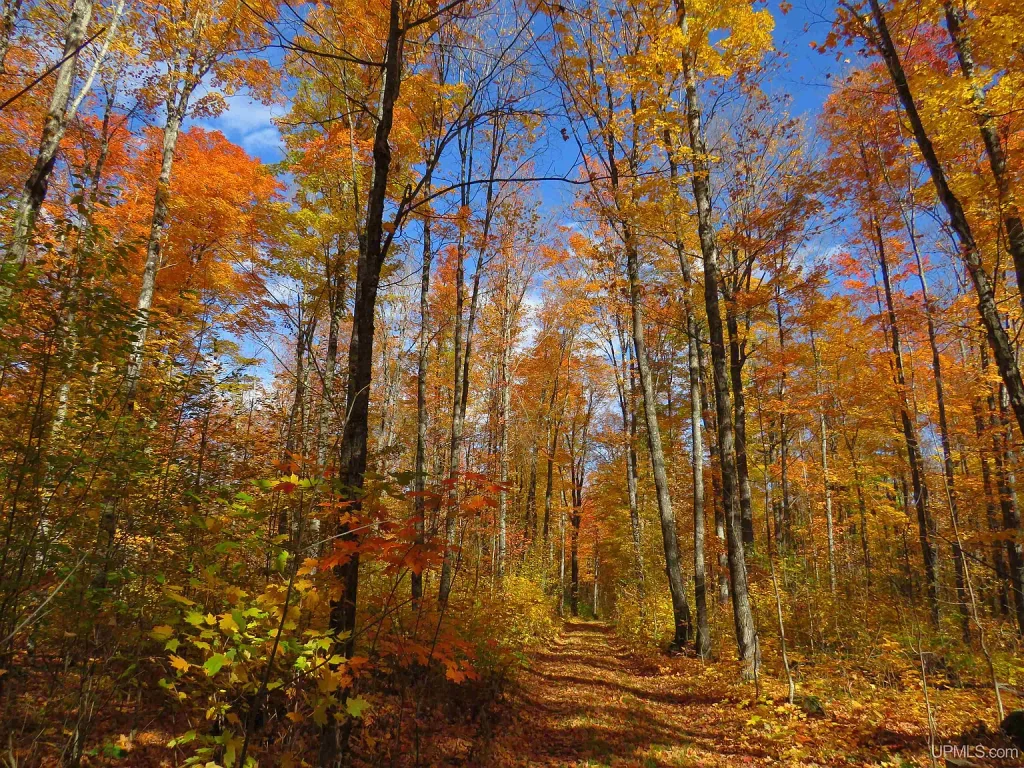
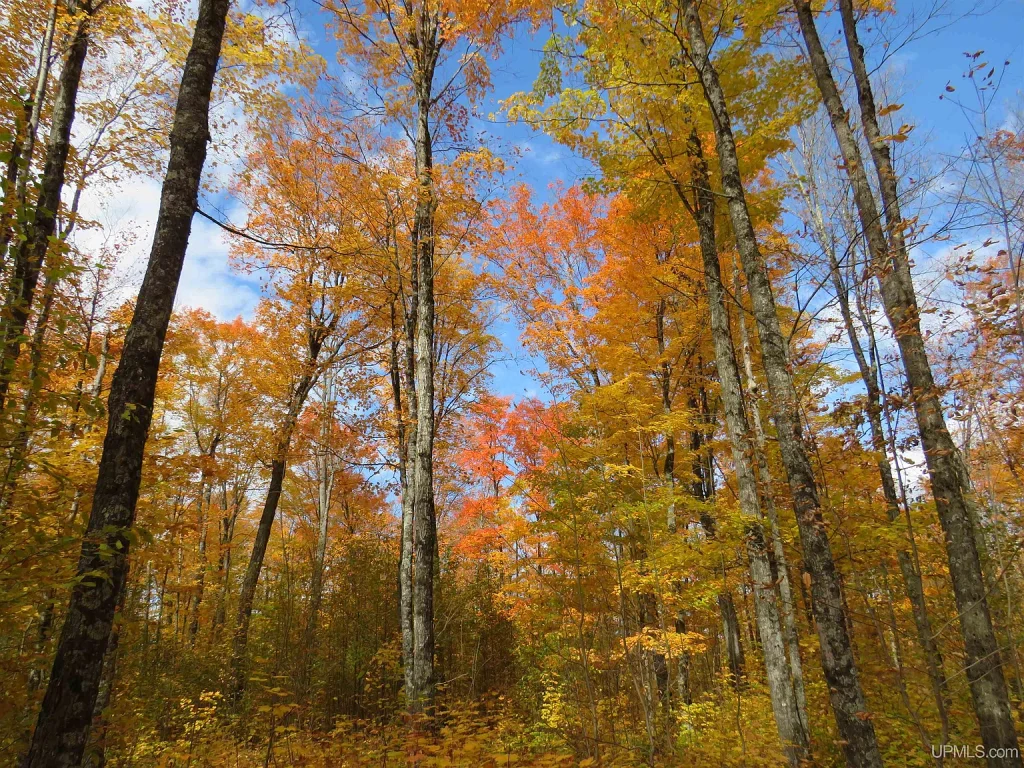
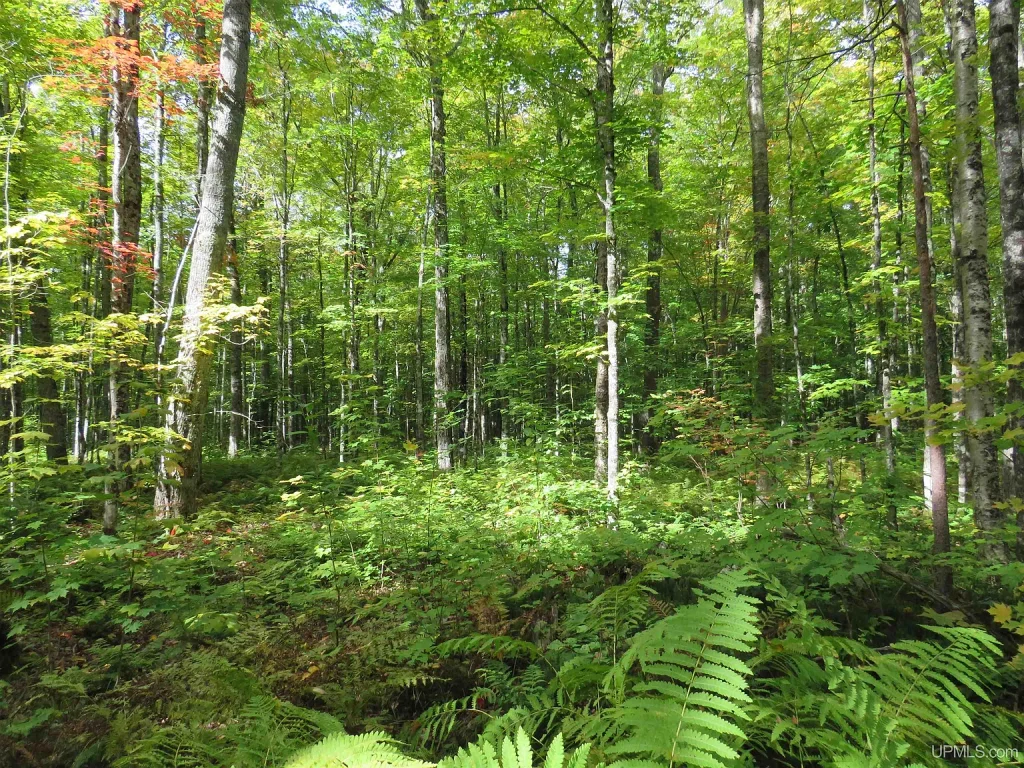
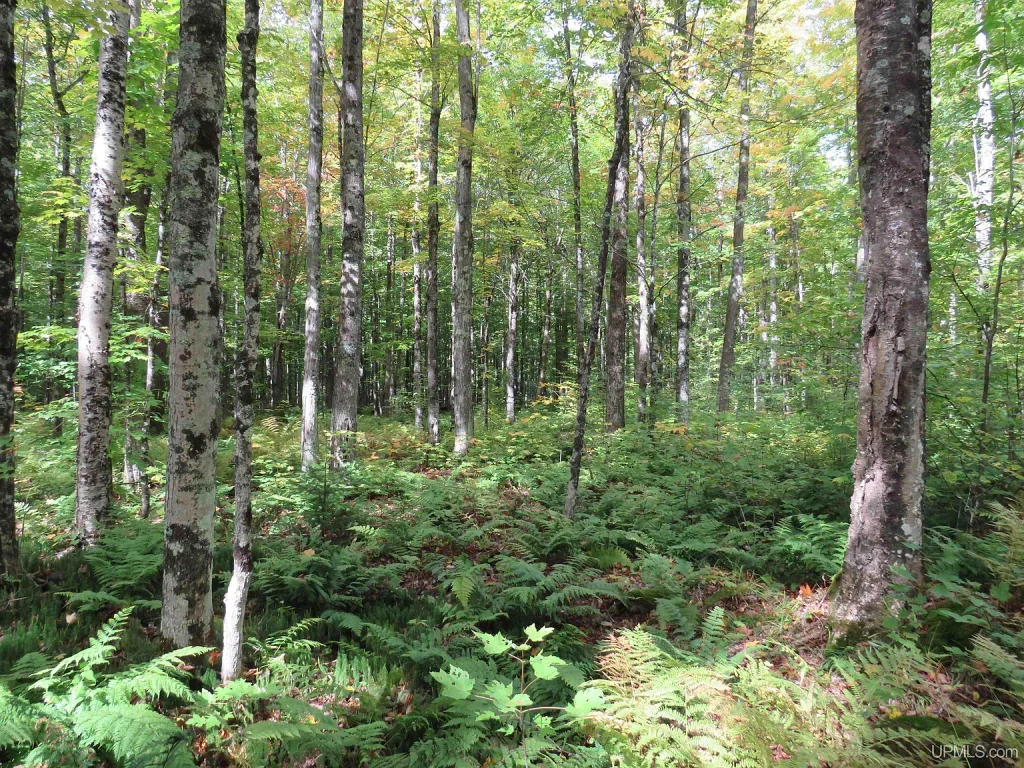
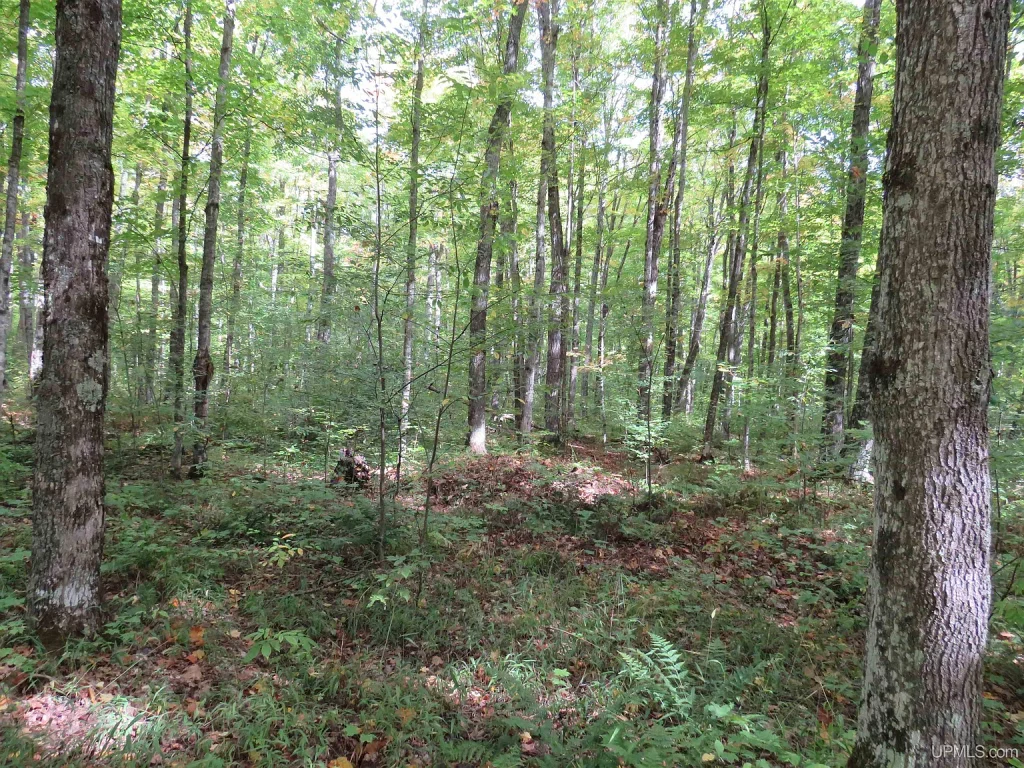
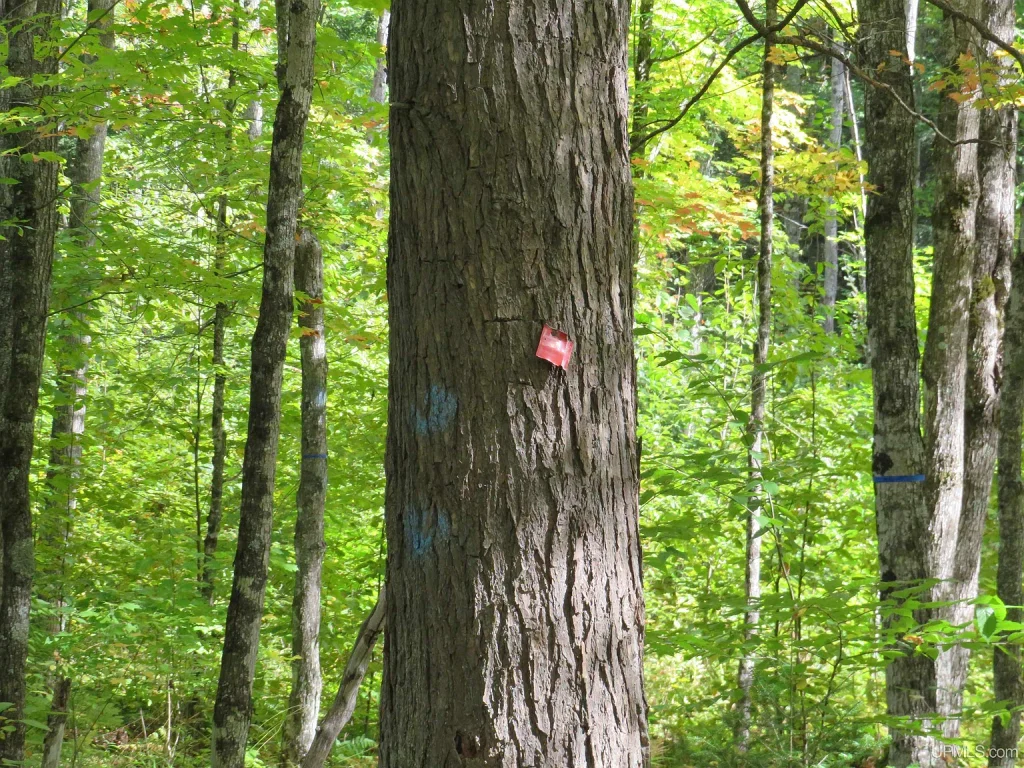
Forty acres is a substantial amount of space for someone seeking a recreational woodland retreat. The property is described as having mature hardwood trees, including maple varieties, with a forest canopy that has reportedly avoided selective cutting for many years.
The listing also highlights the presence of birdseye maple, a distinctive wood grain sometimes valued in specialty woodworking.
That detail is interesting, but buyers should not assume the forest has a particular commercial timber value based solely on the listing description.
A professional forester would need to assess the species, tree quality, harvestable volume, accessibility, and applicable restrictions before estimating potential timber revenue.
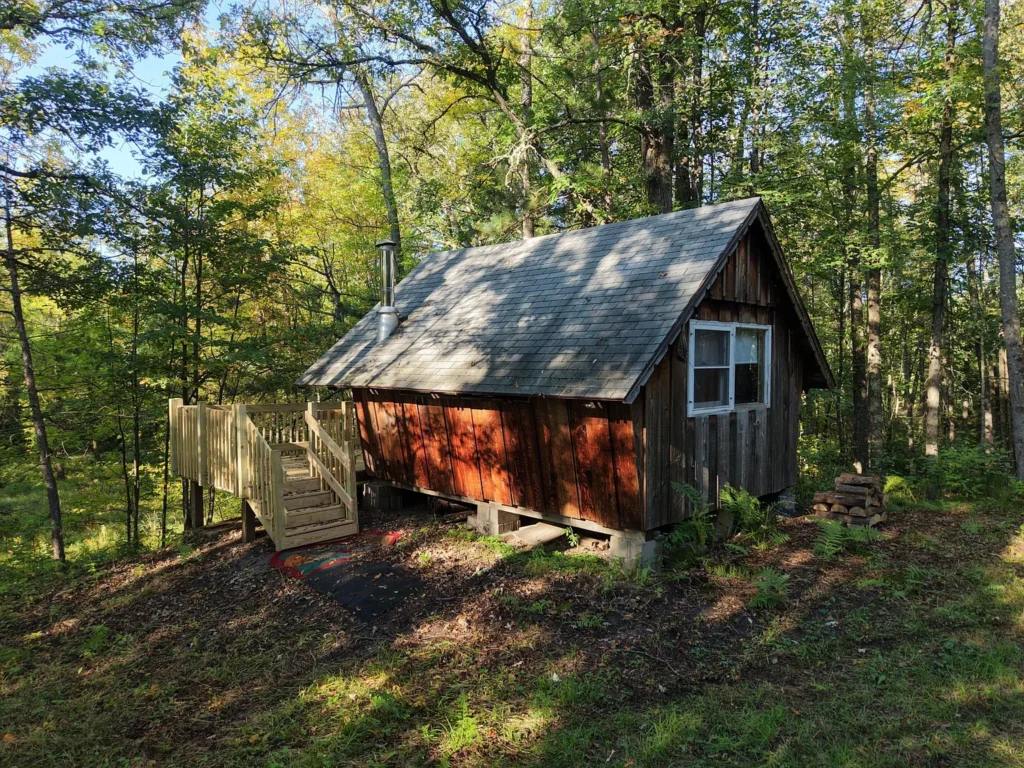
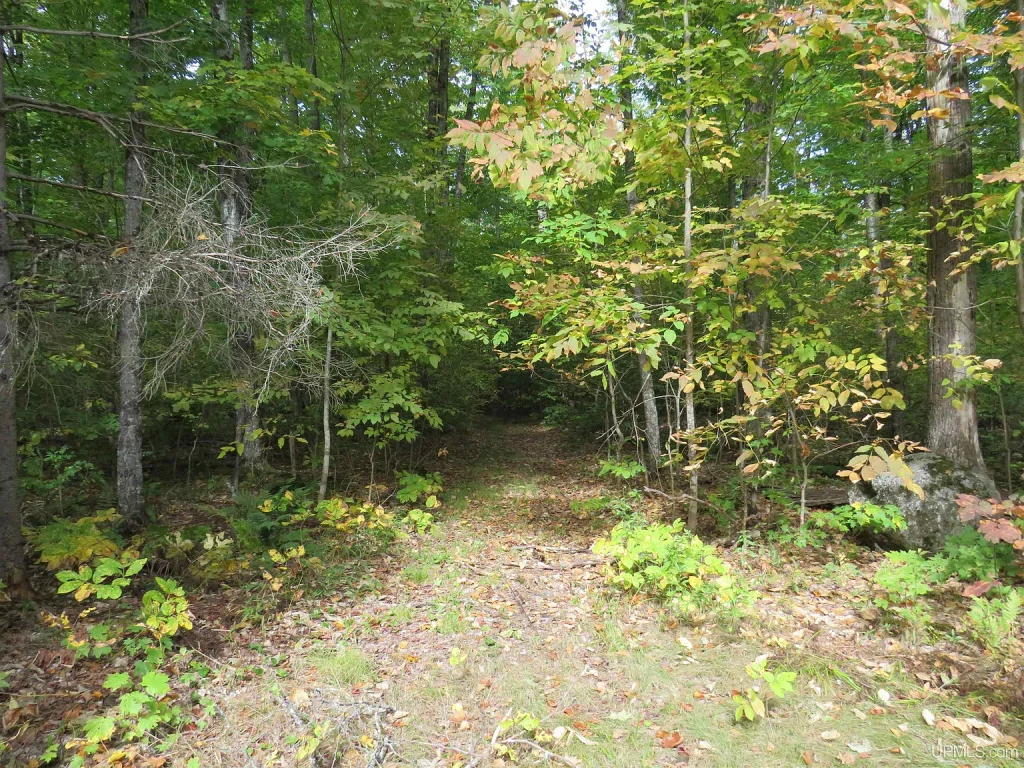
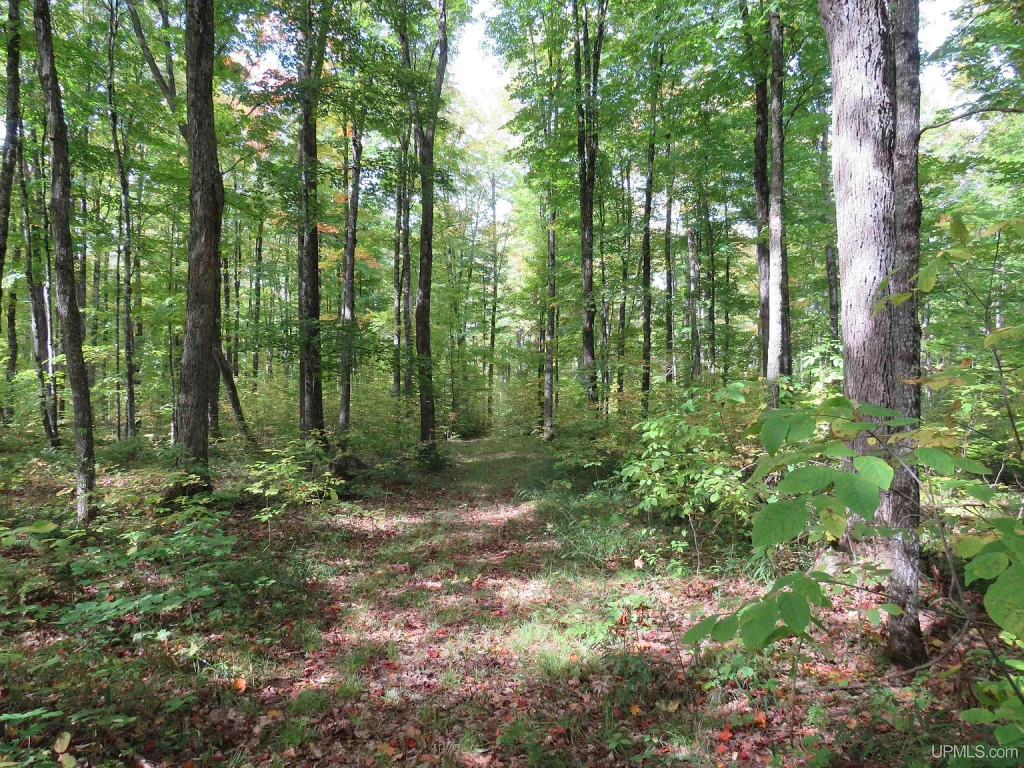
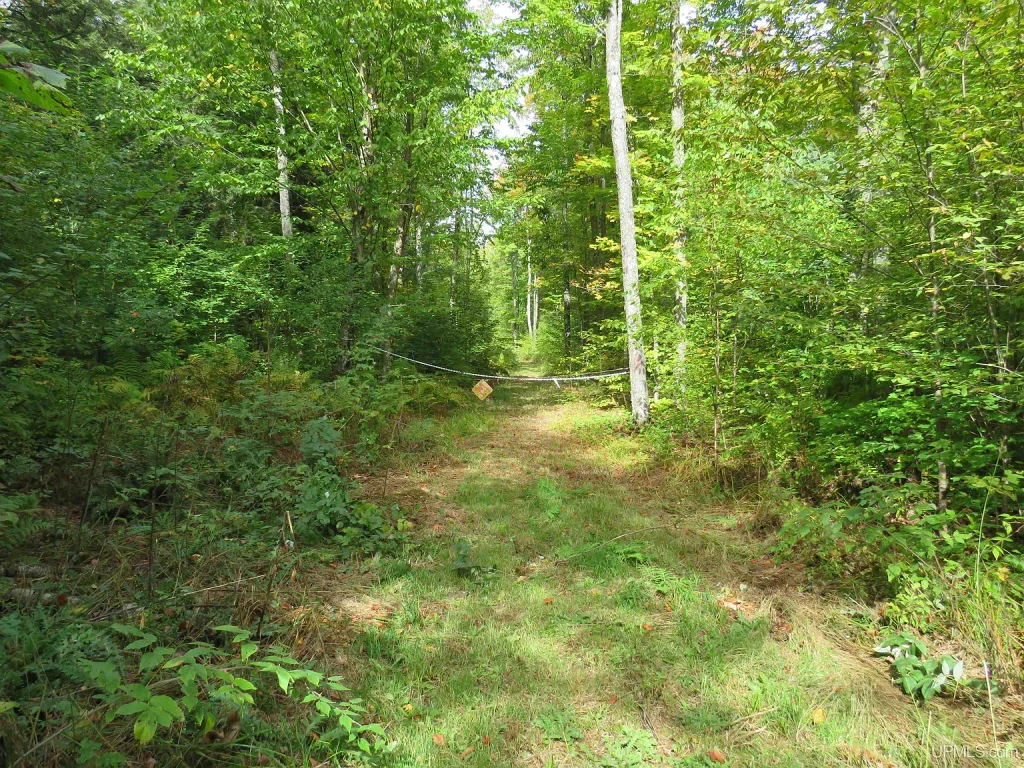
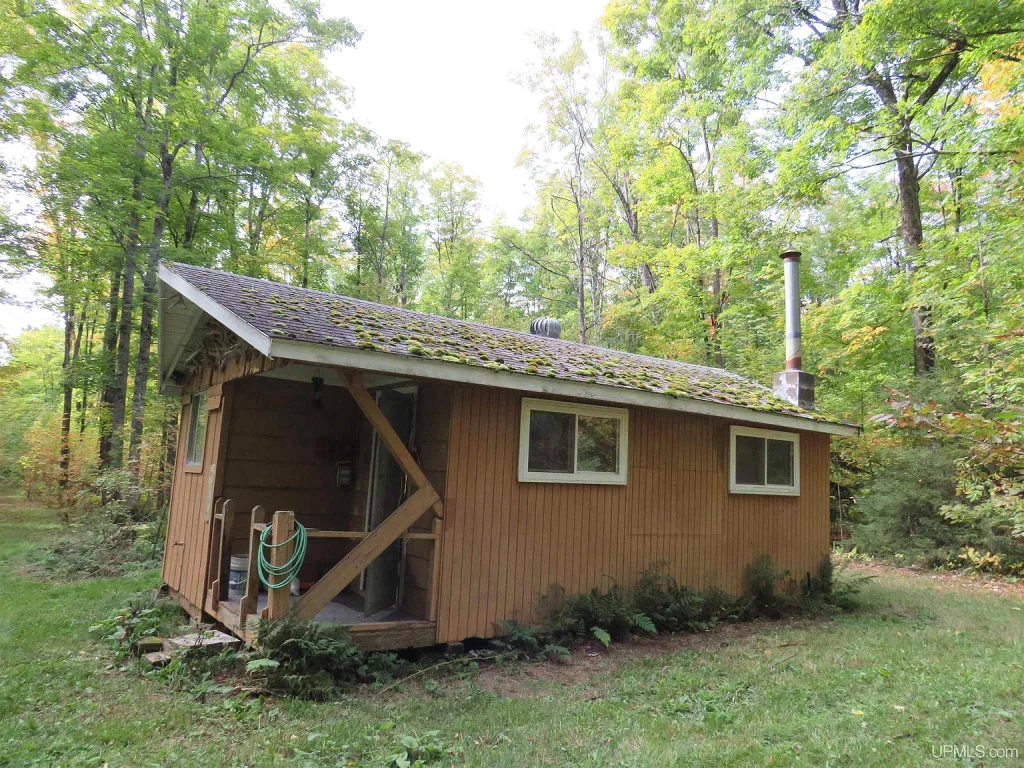
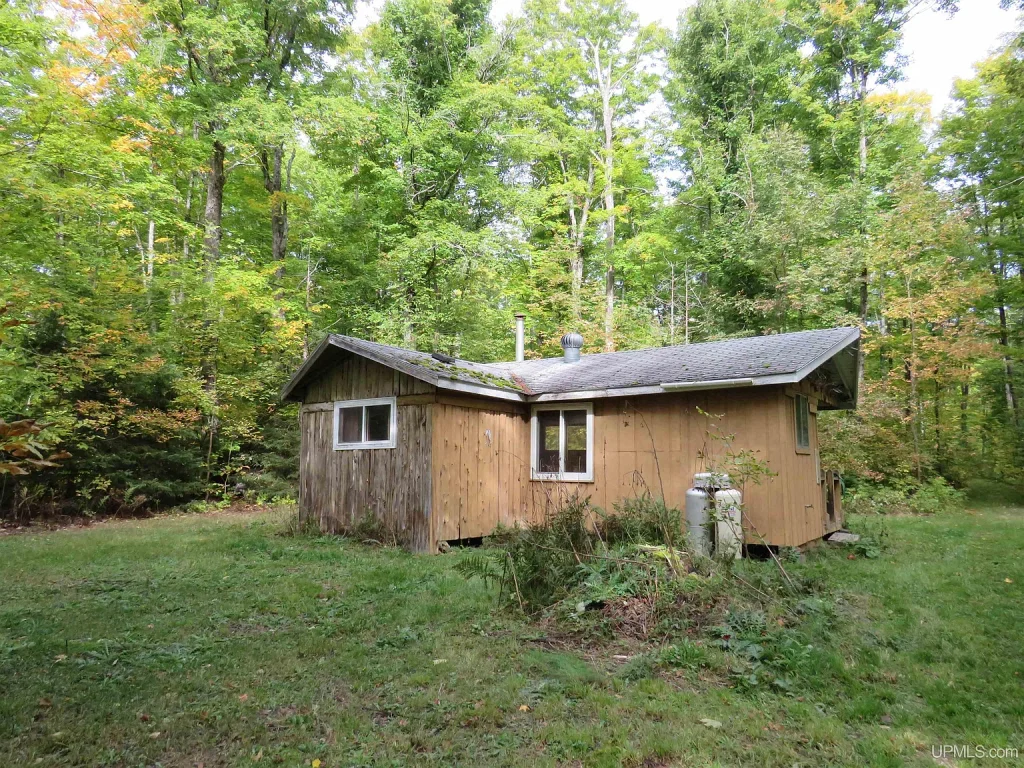
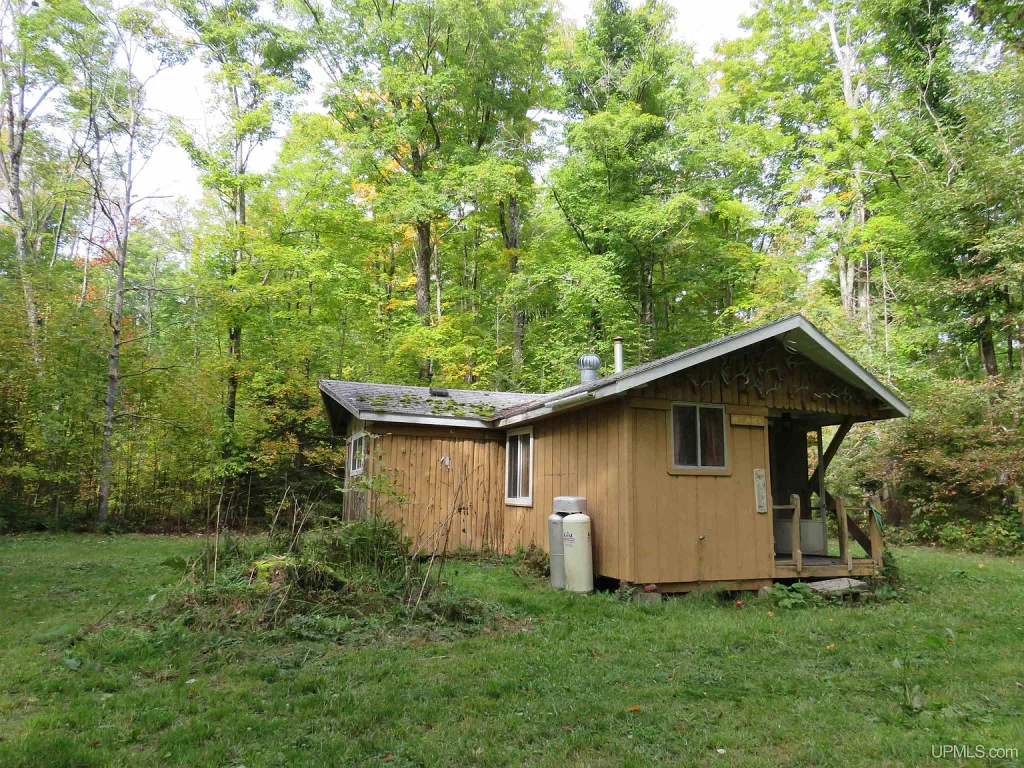
The wooded landscape could appeal to buyers who value a relatively natural setting rather than cleared residential land. The property photographs show dense vegetation, established trees, and areas that appear suitable for walking or exploring.
However, the amount of usable ground, the property’s topography, and the exact boundaries require further investigation.
A Small Rustic Cabin With Basic Amenities
The existing cabin measures approximately 378 square feet and contains one bedroom.
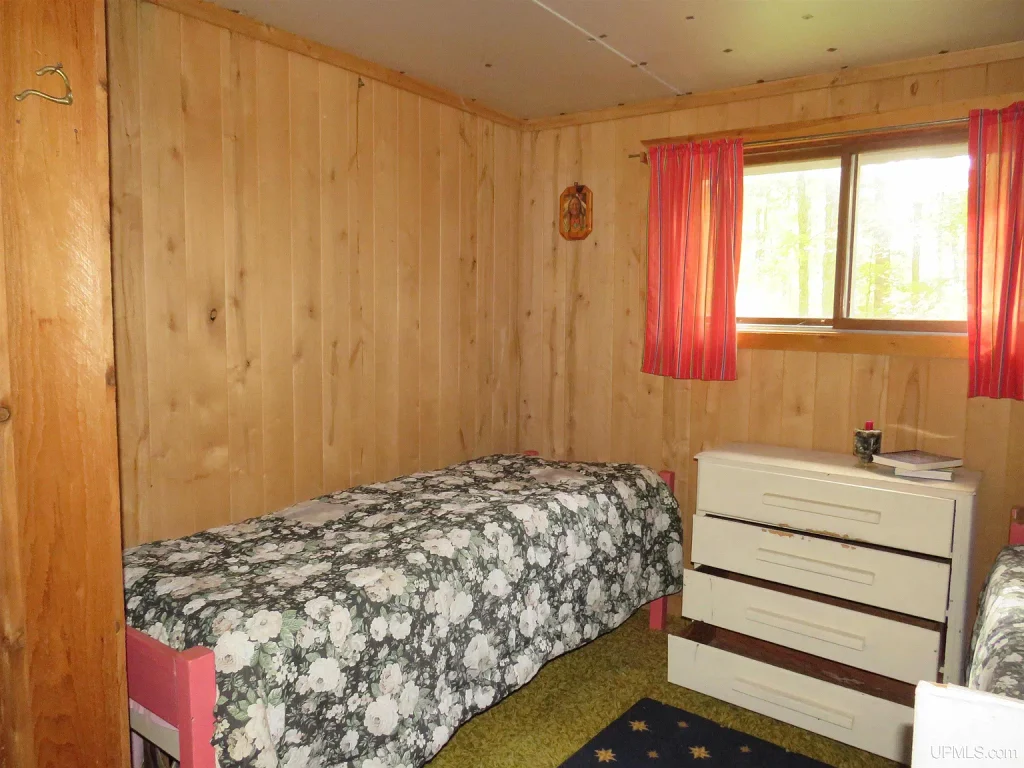
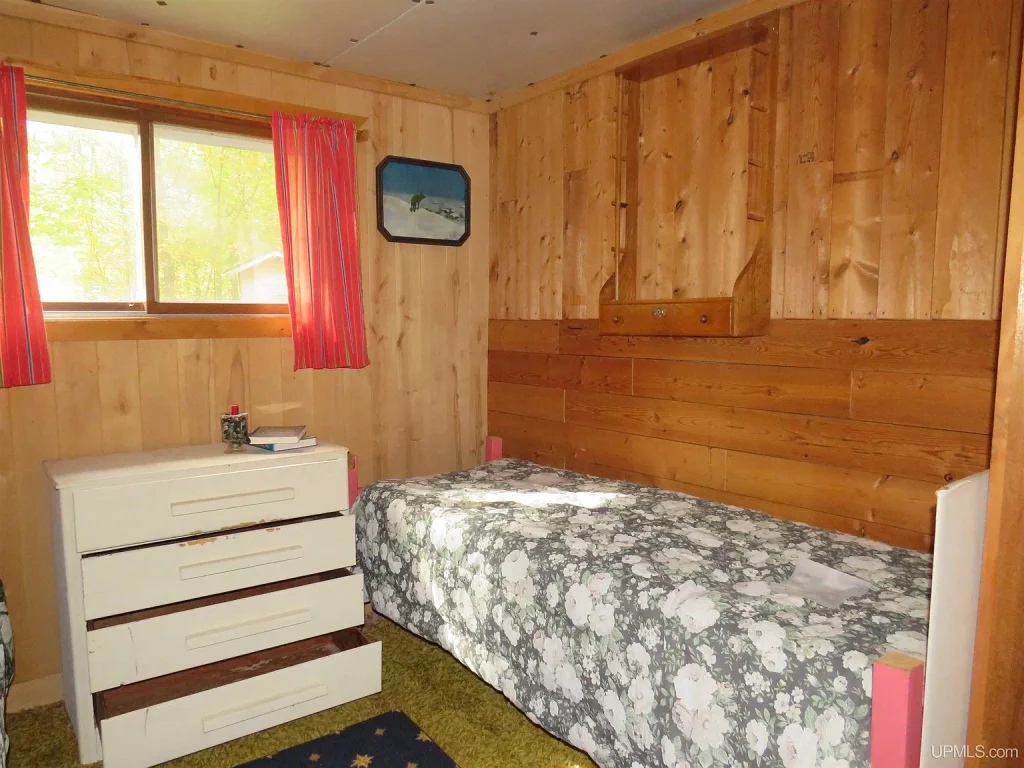
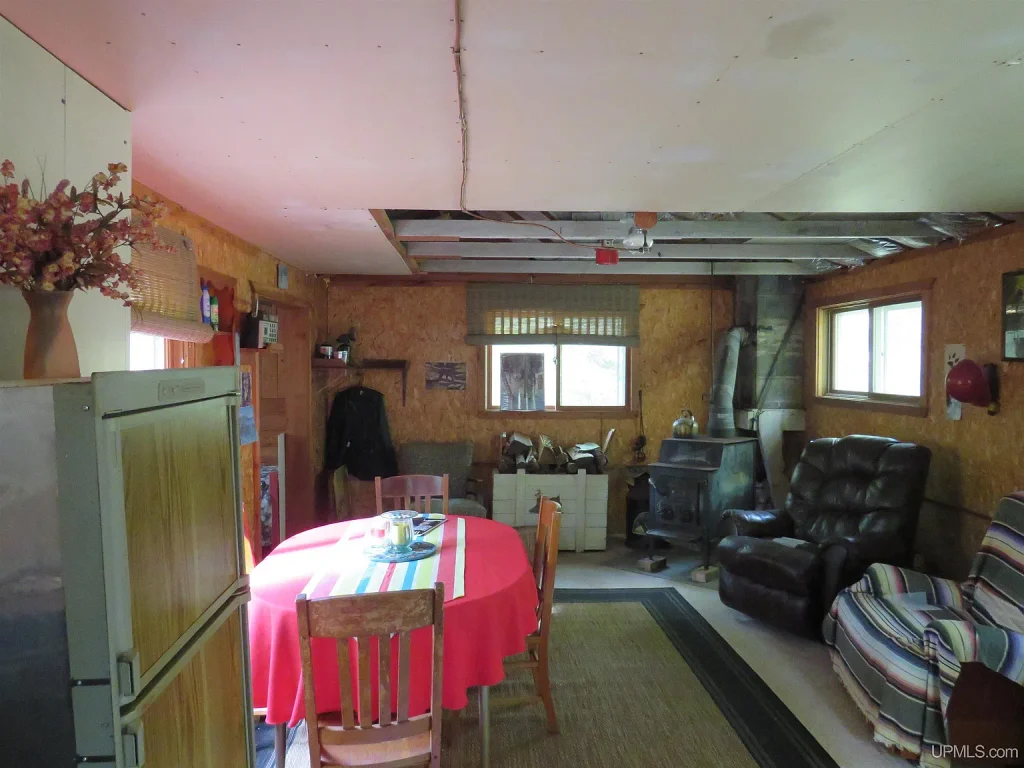
Built in 1971, the structure has a simple, traditional camp-style appearance, with wood siding, a compact kitchen, and a living area heated by a wood-burning stove.
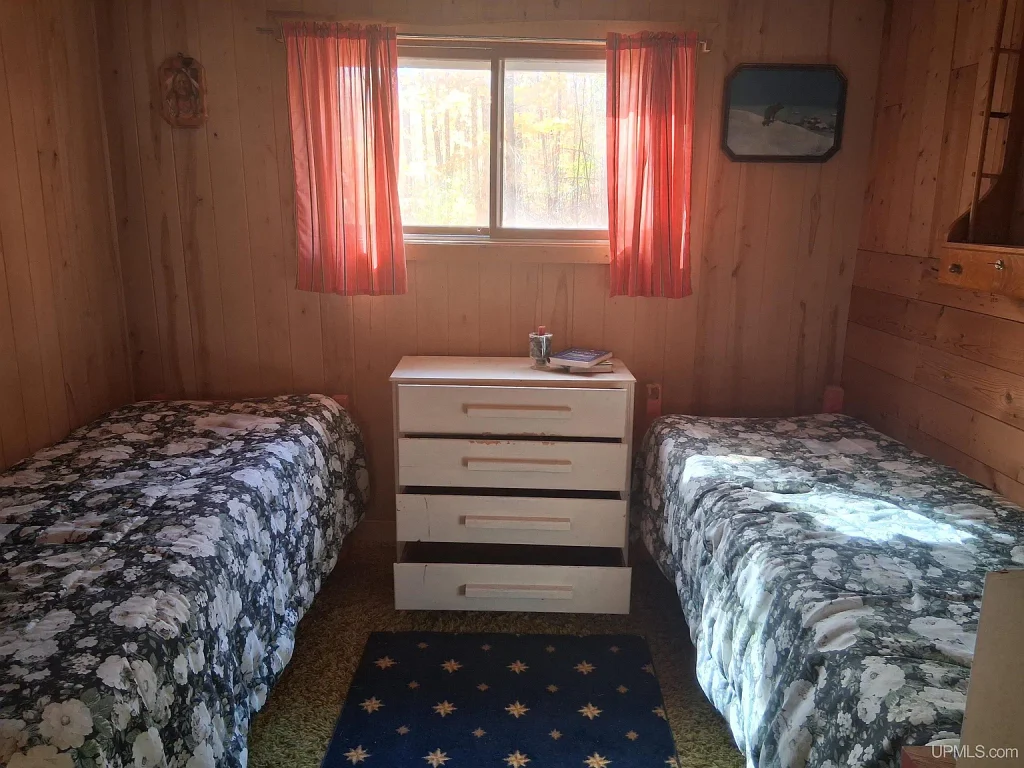
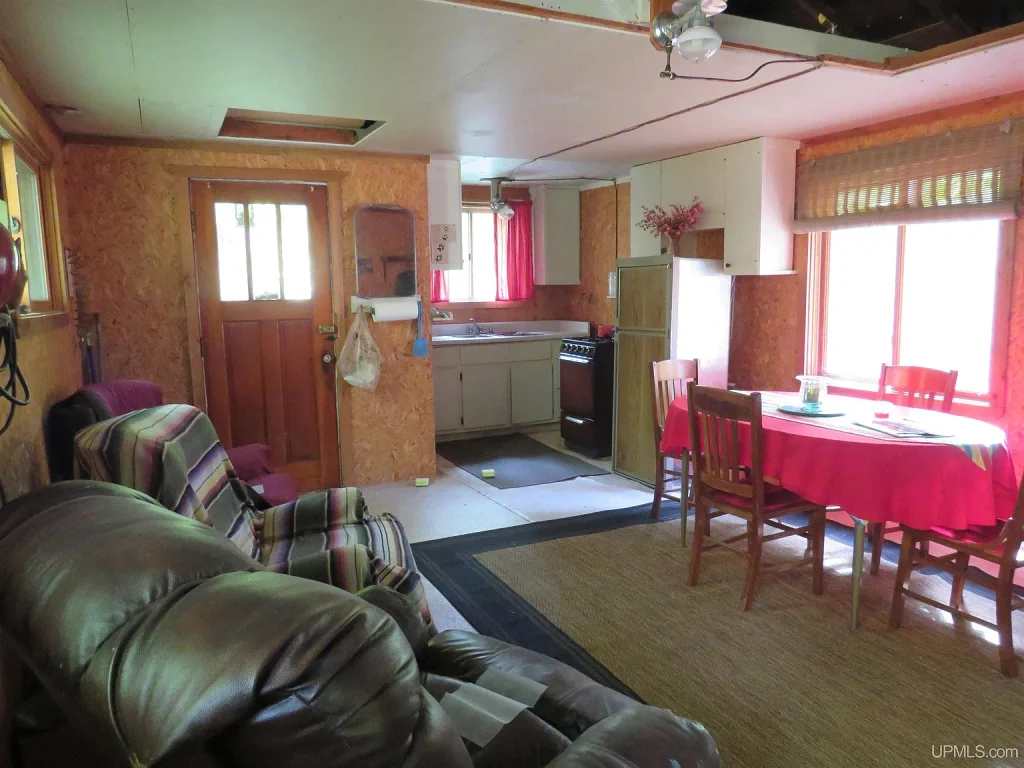
The interior photographs show wood-paneled rooms, a small kitchen with a range, and a combined living and dining space.
This layout may be sufficient for occasional recreational visits, but it offers considerably less space and convenience than a typical residential home.
There is also no indoor bathroom listed.
The property includes an outhouse, which may serve as a basic sanitation arrangement for camp use. Buyers should confirm whether the existing arrangement is lawful and functional, and whether any additional sanitation improvements would be permitted.
Although the cabin appears furnished in the marketing photographs, furniture and other personal property should not be assumed to be included in the sale.
Is the Cabin Suitable for Year-Round Living?
That is an important question, especially in the Upper Peninsula, where winters can be long and severe.
The listing identifies wood heating and no cooling system. It does not establish that the cabin has the insulation, plumbing protection, electrical capacity, or other features needed for comfortable year-round occupancy.
Before considering permanent use, a buyer should investigate the building’s structural condition, applicable occupancy requirements, winter accessibility, and the cost of any necessary upgrades.
For now, it is more appropriate to evaluate the structure as a rustic recreational camp rather than assume it is a fully equipped residence.
Off-Grid Features: What Is Actually Included?
Remote cabins often appeal to people interested in simpler living, but off-grid ownership requires careful planning.
This property has several useful features, although important limitations remain.
Wood-burning stove: The stove provides a potential heating source without relying on conventional electric heating. Its condition, chimney installation, and fire safety should be professionally checked.
Propane cooking and lighting: The listing describes a propane oven and lights. Buyers should inspect the propane system, tanks, ventilation, and appliance condition.
Drilled well: A drilled well is listed, with water access potentially supported by a generator or alternative power source. The well’s output, water quality, pump condition, and power requirements need verification.
No conventional utilities listed: The listing does not identify connected electric service or a sewer system.
These details suggest that buyers should budget for more than the purchase price if they intend to improve the cabin.
Solar power, battery storage, generator equipment, water-system upgrades, and sanitation improvements may be possible options, but their suitability and cost depend on site conditions and local requirements.
Hunting and Outdoor Recreation Potential
The listing describes the surrounding forest as habitat for deer, bear, partridge, and turkey.
For outdoor enthusiasts, a wooded property of this size may provide space for wildlife observation, seasonal hunting, and exploring the forest.
However, owning 40 acres does not automatically guarantee a particular hunting experience.
Wildlife movement changes throughout the year, and hunting activities remain subject to Michigan regulations, licensing requirements, safety considerations, and property boundaries.
The property may also interest buyers who enjoy quiet woodland retreats, photography, hiking, and spending time away from developed areas.
The practical recreational value depends partly on how much of the land is accessible and how easily the owner can maintain trails or reach different sections of the parcel.
Net River and Snake Rapids: Nearby Outdoor Attractions
According to the listing description, the property is close to the Net River and Snake Rapids, where public access provides opportunities for outdoor activities.
The area is marketed for activities including kayaking, canoeing, and fishing.
Fish species mentioned in the listing include trout, walleye, northern pike, and smallmouth bass.
These nearby recreational features could make the property more appealing as a seasonal base camp.
However, the property is not advertised as waterfront, and the listing reports no waterfront frontage.
Buyers should verify the distance to public access points, current access conditions, fishing regulations, and whether the activities they want are practical during their preferred season.
Proximity to a river should not be confused with private river ownership or deeded water access.
Maple Trees and Possible Timber Value
One of the more unusual aspects of this listing is its emphasis on the hardwood forest.
Mature maple trees can offer more than visual appeal. Depending on species, health, diameter, and accessibility, certain trees may have value for specialty wood products or potential maple syrup production.
The seller’s description specifically mentions birdseye maple and opportunities for tapping maple trees.
These possibilities deserve investigation rather than being treated as guaranteed income.
A buyer considering timber harvesting should consult a qualified forester to understand sustainable harvesting options, market conditions, and potential costs.
Likewise, maple syrup production requires suitable trees, equipment, seasonal conditions, labor, and a practical collection system.
Maintaining the woodland’s recreational and ecological qualities may be more important to some buyers than harvesting it.
The right approach depends on the owner’s goals.
The Biggest Concern: Difficult Road Access
Perhaps the most important warning in the listing is the recommendation to use a high-clearance four-wheel-drive vehicle to reach the property.
This is a significant consideration.
The listing identifies a gravel road surface, but that does not establish that every section of the route is publicly maintained, accessible in winter, or suitable for ordinary passenger vehicles.
In remote parts of Michigan, rain, snow, mud, and seasonal deterioration can make access more challenging.
Before buying, purchasers should determine:
- Whether there is legally recorded access from a public road.
- Whether any private road or easement is involved.
- Who maintains the road and pays for repairs.
- Whether the route is accessible during winter and spring thaw.
- Whether emergency vehicles and service contractors can reach the cabin.
An in-person visit during less favorable conditions can reveal issues that are not obvious from listing photographs.
For someone seeking a secluded recreational camp, difficult access may be acceptable. For a buyer planning frequent visits or full-time occupancy, it could become a major disadvantage.
What Does $138,800 Buy?
At the listed asking price, the property works out to approximately $3,470 per acre when the entire purchase price is divided by 40 acres.
That calculation includes the cabin and other improvements, so it should not be treated as a direct comparison with vacant land.
The advertised price per square foot is approximately $367, based on the cabin’s 378-square-foot interior.
However, price per square foot is not especially useful for a property where most of the appeal comes from the acreage.
A more meaningful evaluation would compare nearby recreational woodland parcels with similar timber characteristics, access conditions, improvements, and legal restrictions.
The annual property tax reported in the listing is $425. Future tax bills may differ depending on reassessment, ownership changes, and applicable tax treatment.
Buyers should also consider insurance, road maintenance, property upkeep, heating fuel, generator costs, and any necessary cabin repairs.
Important Risks and Tradeoffs
This property has appealing characteristics, but several issues deserve special attention.
1. No indoor bathroom
The cabin is listed with zero bathrooms. Any plan to install plumbing or a septic system would require investigation of local requirements, soil conditions, and cost.
2. No conventional electric service listed
Buyers should confirm the current power arrangement and determine whether a reliable off-grid system can meet their needs.
3. Challenging vehicle access
The four-wheel-drive recommendation suggests that ordinary road access may be difficult. Legal access and year-round usability should be checked separately.
4. An older cabin
The structure dates to 1971. A professional inspection should assess the roof, framing, foundation, moisture intrusion, wood deterioration, chimney, and any unpermitted alterations.
5. Unverified timber potential
Mature hardwoods may be valuable, but timber quality and commercial harvest feasibility have not been independently established.
6. Ongoing maintenance
Forty wooded acres may require trail clearing, fallen-tree removal, boundary monitoring, and management of vegetation or invasive species.
None of these factors automatically makes the property unsuitable. They simply affect who is likely to enjoy owning it and how much additional money may be required.
Who Might Consider This Property?
This property may be worth investigating for a buyer who wants a rustic recreational retreat and is comfortable with limited amenities.
It could appeal to hunters seeking a private base camp, outdoor enthusiasts who enjoy forested acreage, or buyers interested in managing a hardwood woodland.
Someone hoping to improve an existing camp over time might also appreciate having a structure already on the land.
On the other hand, the property may be a poor match for buyers who need conventional utilities, easy daily access, modern bathrooms, or a move-in-ready residence.
The distinction matters: this is primarily a land-and-recreation opportunity with a small existing camp, not a conventional suburban home.
Buyer Due Diligence Checklist
Before making an offer, consider completing the following checks:
- Confirm property boundaries: Obtain a survey or review an existing reliable survey, especially before clearing trails or harvesting timber.
- Verify legal access: Review recorded easements, road ownership, and maintenance responsibilities.
- Inspect the cabin: Evaluate the structure, roof, stove, chimney, electrical arrangements, and signs of moisture or pest damage.
- Test the well: Confirm water availability, quality, pump operation, and any seasonal limitations.
- Investigate sanitation options: Determine whether the outhouse is compliant and whether a permitted septic system could be installed.
- Assess the forest: Hire a forester if timber harvesting or maple production is part of the purchase plan.
- Check zoning and permits: Verify allowable residential, recreational, and construction uses with the appropriate local authorities.
- Review insurance and financing: Confirm whether the cabin’s condition and utility arrangements qualify for the coverage and financing being considered.
- Visit the access road: Evaluate vehicle requirements and seasonal access before committing.
- Confirm listing status and price: Ask the listing agent for current information and any available disclosures.
For additional background, the Michigan Department of Natural Resources provides information on outdoor recreation and wildlife regulations, while the USDA Natural Resources Conservation Service offers resources useful when investigating land and soil conditions.
Final Thoughts: Is This Michigan Woodland Camp Worth Exploring?
At $138,800, this Amasa property offers a distinctive combination: 40 acres of mature hardwood forest, a 378-square-foot rustic cabin, a drilled well, and a secluded Upper Peninsula setting.
Its appeal is easy to understand for buyers who prioritize wooded acreage and outdoor recreation over modern conveniences.
But the limitations are equally significant.
There is no listed indoor bathroom, no conventional utility service, and the access road may require a capable four-wheel-drive vehicle. The cabin’s age and the forest’s potential commercial value also warrant professional evaluation.
For buyers comfortable with those tradeoffs, this property could be an interesting candidate for further research. For buyers seeking an easy-to-maintain, fully equipped home, it may be less suitable.
The most important next step is to confirm the legal access, cabin condition, and practical cost of ownership before deciding whether the property fits your plans.
View the Original Property Listing
Property: Off Net River Rd, Amasa, MI 49903
Listed Price: $138,800
Disclaimer: This article is provided for general informational and educational purposes only. Property information is based on supplied listing details and has not been independently verified. Prices, availability, features, taxes, and conditions may change. This article is not real estate, legal, tax, forestry, or financial advice. Prospective buyers should consult qualified professionals and independently verify all material facts before purchasing.