The rural real estate market in Upstate New York is undergoing a profound transformation. As urban centers become increasingly expensive and congested, a massive wave of outdoor enthusiasts, anglers, and strategic land investors are shifting their capital northward. Oswego County, New York’s 14th biggest county spanning 1,312 square miles, has rapidly emerged as a premier destination for this demographic. Known for its world-class river systems, vast public hunting lands, and rugged natural beauty, this region offers an authentic back-to-nature lifestyle.
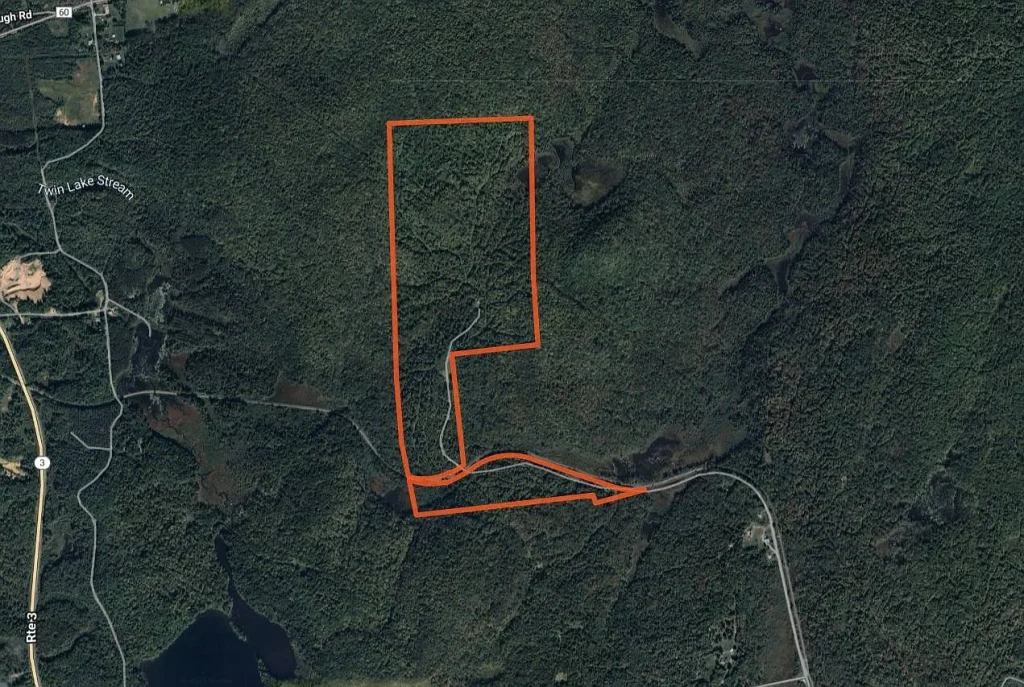
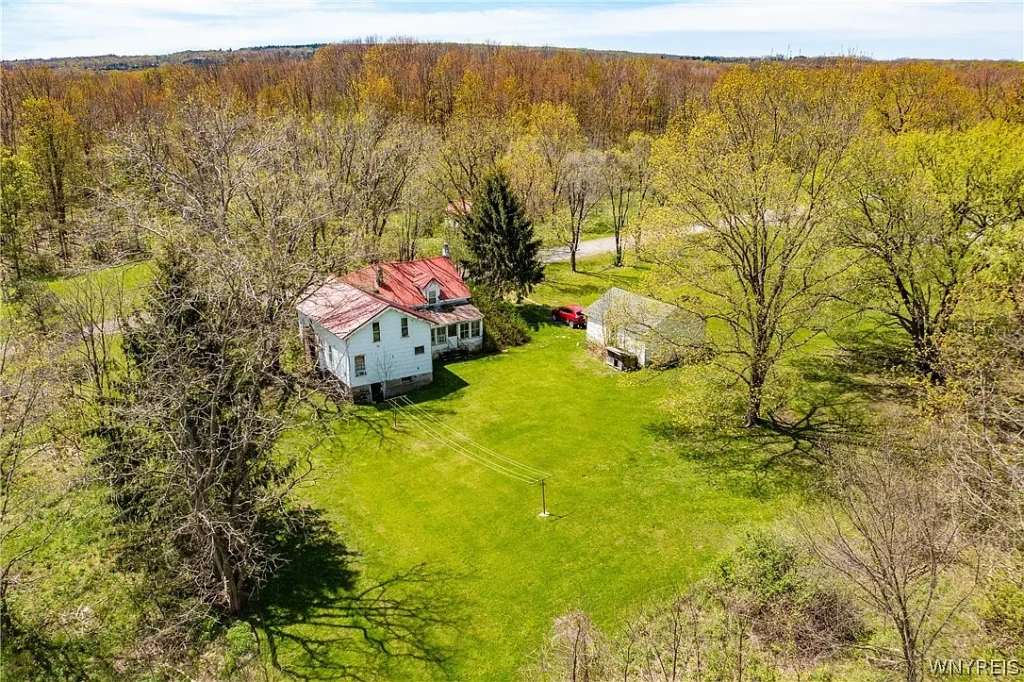
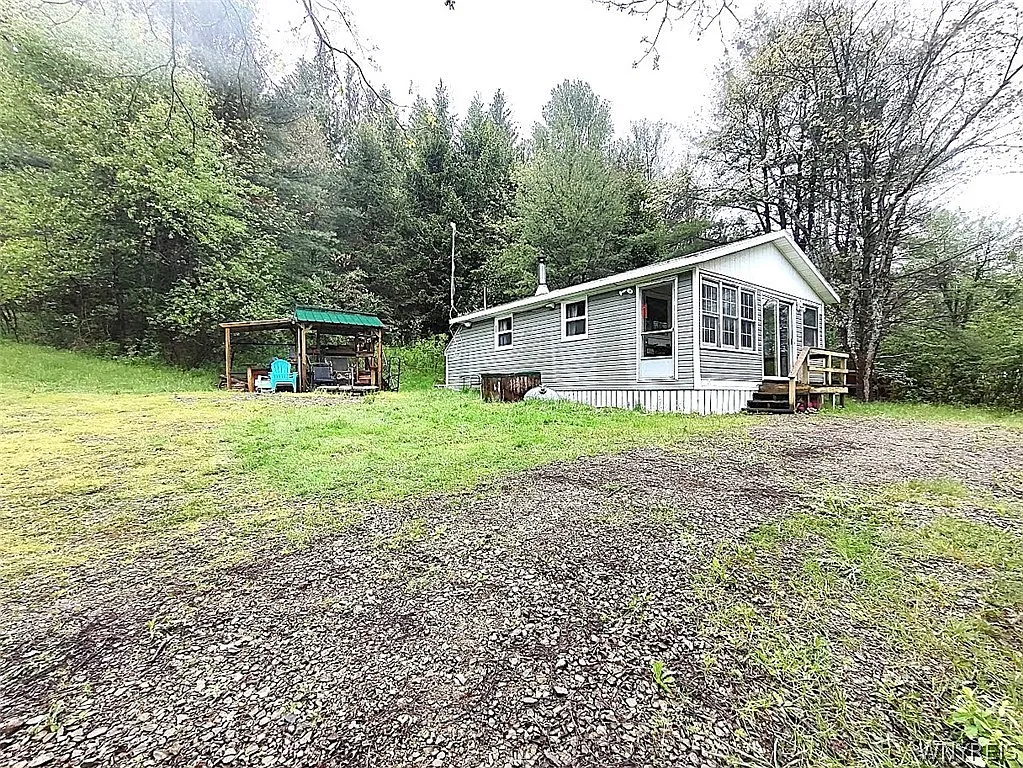
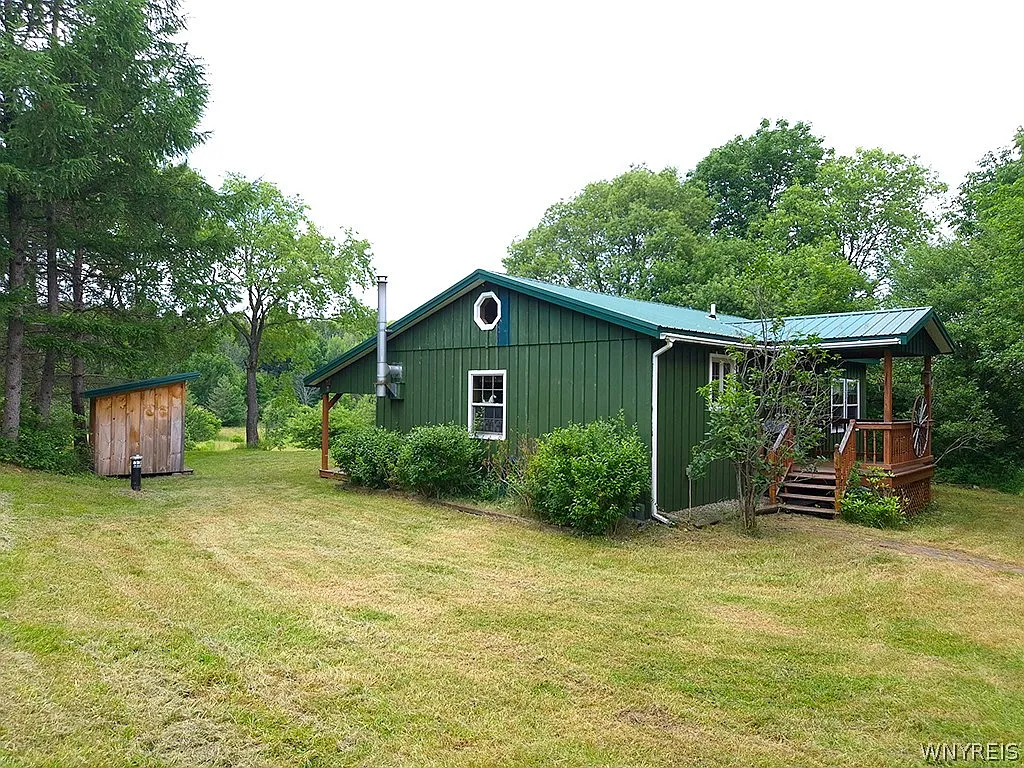
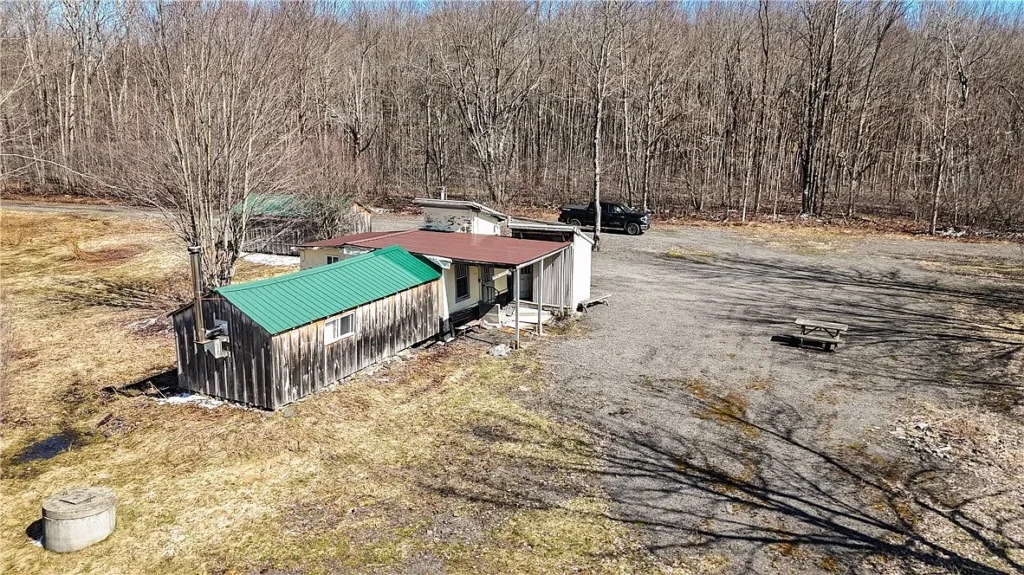
Today, we are conducting a rigorous, multi-layered real estate analysis of a highly strategic listing: 109 County Route 28 #9, Altmar, NY 13302. Currently priced at $39,900 following a recent massive price reduction, this 8.07-acre property presents a unique blend of extreme affordability, existing heavy infrastructure, and proximity to legendary recreational waters. Featuring a 500-square-foot project cabin, a milling-finished driveway, an active electric meter, a dug well, and a creek tied to the North Branch of Grindstone Creek, this parcel is far more than just raw dirt.
However, this deeply discounted price tag comes with specific ecological and regulatory complexities, namely its transition into wetlands and flood zone designation. In this comprehensive, 3,000+ word investment and lifestyle guide, we will break down every physical, financial, and legal aspect of this property. We will conduct a deep-dive Comparative Market Analysis (CMA), evaluate the logistics of building in flood zones, detail the exact carrying costs, and provide actionable monetization strategies. Whether you are looking for a basecamp for the legendary Salmon River runs, a private wildlife sanctuary, or a strategic land flip, this analysis will equip you with the exact data needed to make a highly profitable decision.
Part 1: Property Snapshot & Core Specifications
Before diving into the economic arbitrage and regional market data, it is crucial to outline the exact physical parameters and municipal classifications of the asset. The following table translates the raw listing data into actionable investment context.
Key Property Data & Specifications
| Property Attribute | Specification Details | Strategic Real Estate Takeaway |
| Current Asking Price | $39,900 | Exceptional entry-level price for nearly 10 acres in the highly coveted Salmon River corridor. |
| Total Deeded Acreage | 8.07 Acres | Provides substantial spatial scale for privacy, wildlife management, and recreation. |
| Price Per Acre | $4,944 / Acre | Highly competitive metric, sitting significantly below the Oswego County median. |
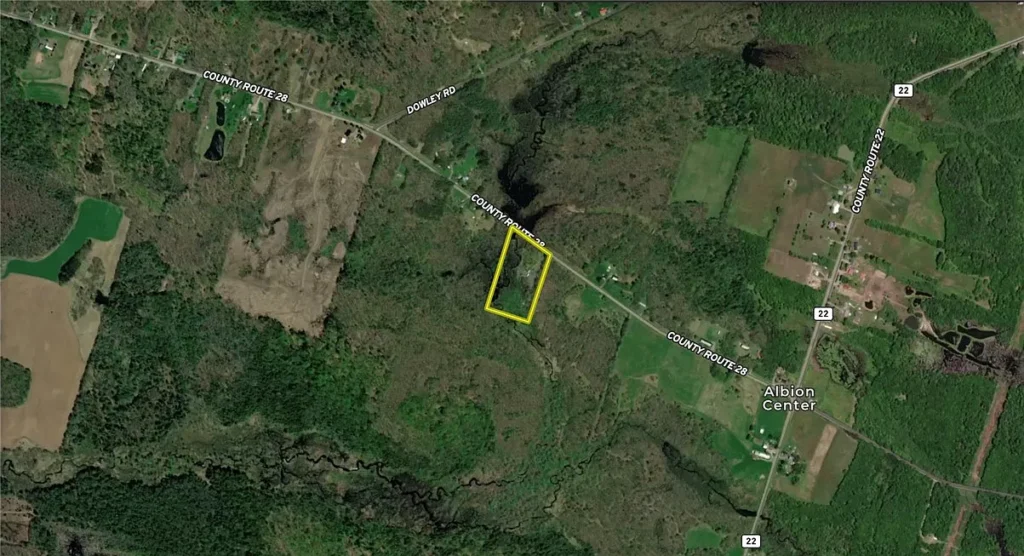
| Location & Zip Code | 109 County Route 28 #9, Altmar, NY 13302 | Located just outside of Altmar with rapid access to the Interstate 81 corridor. |
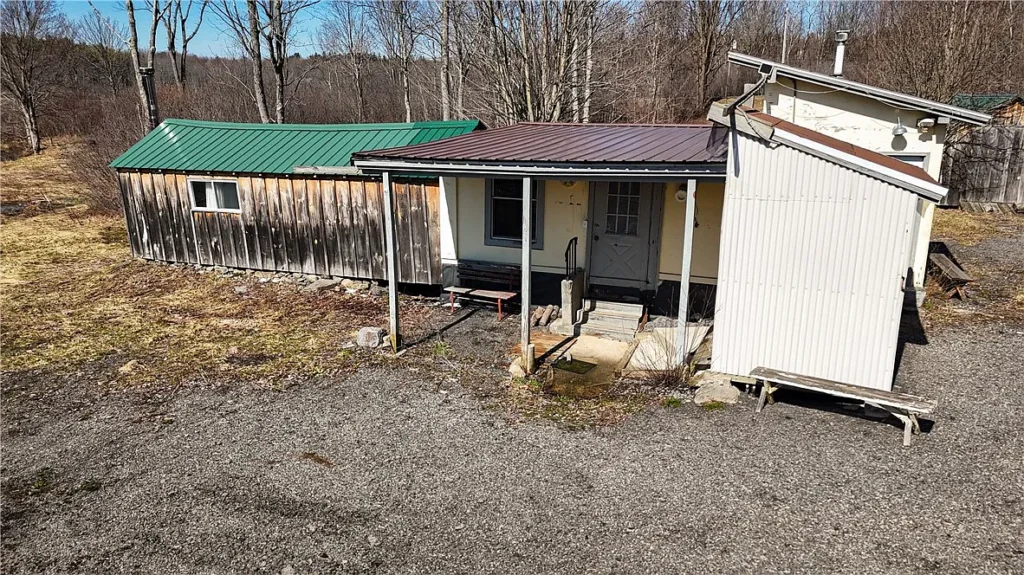
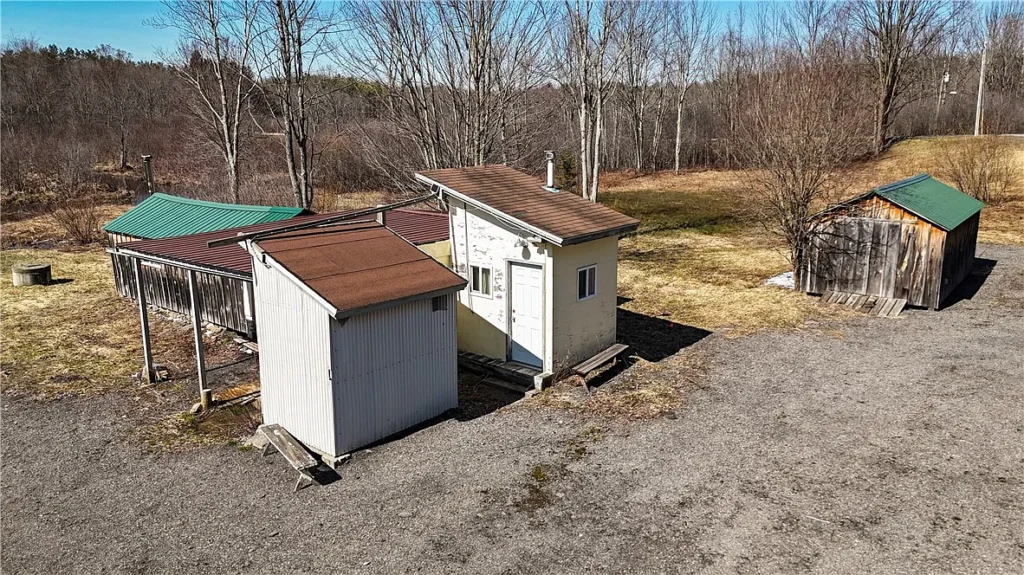
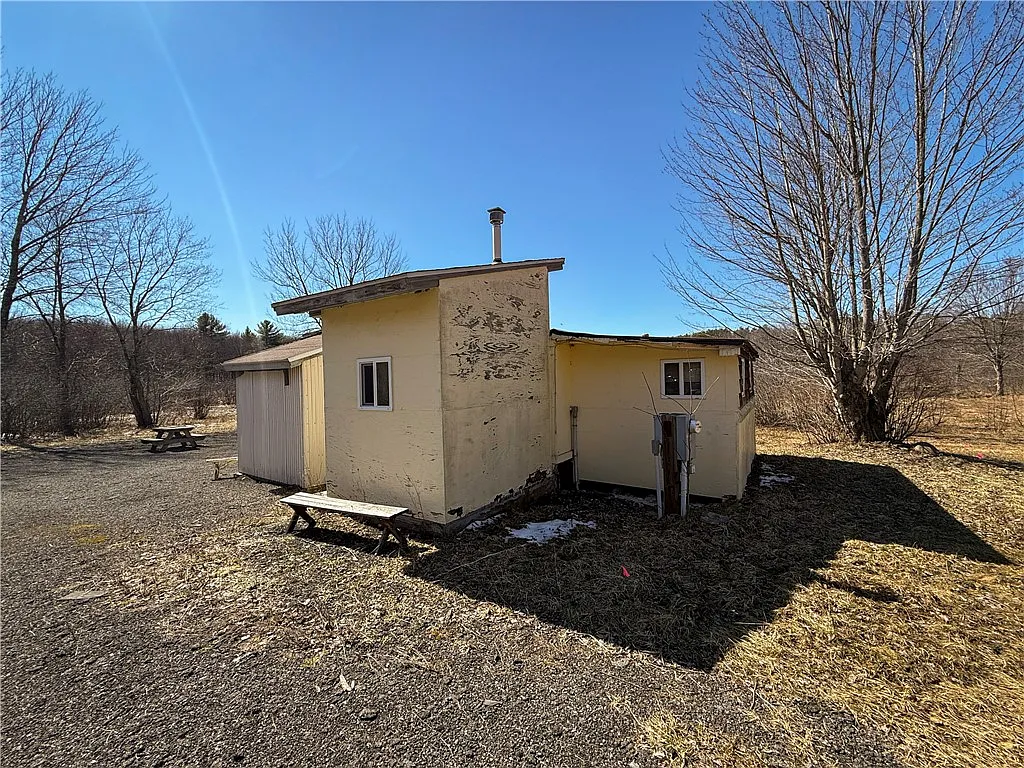
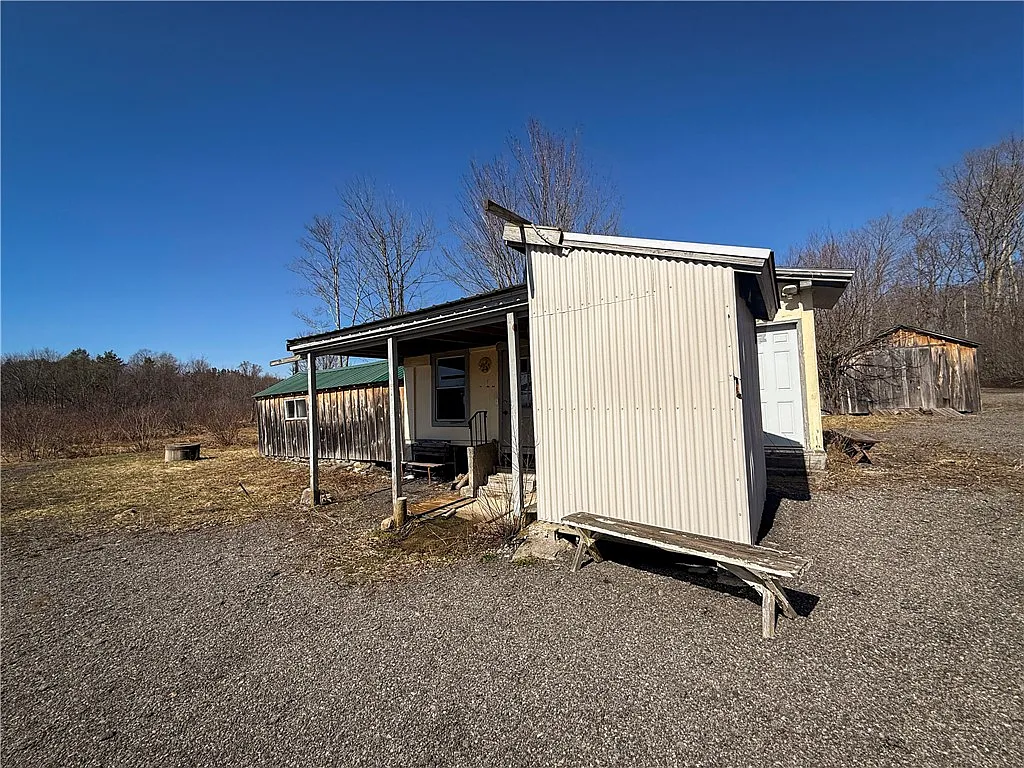
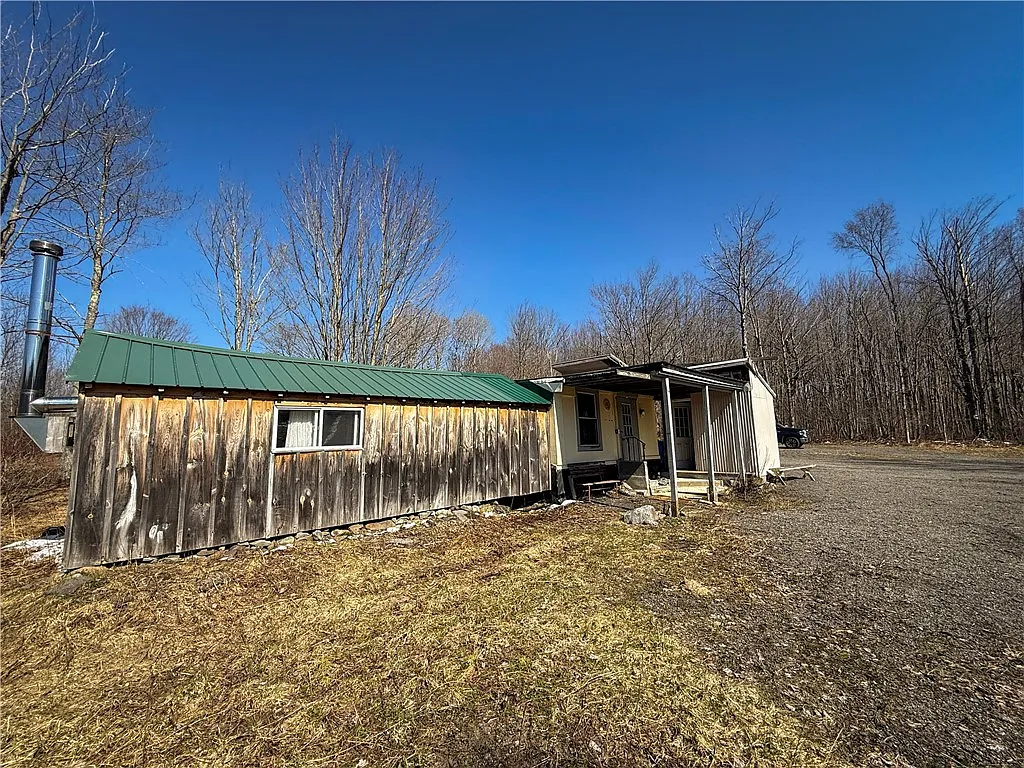
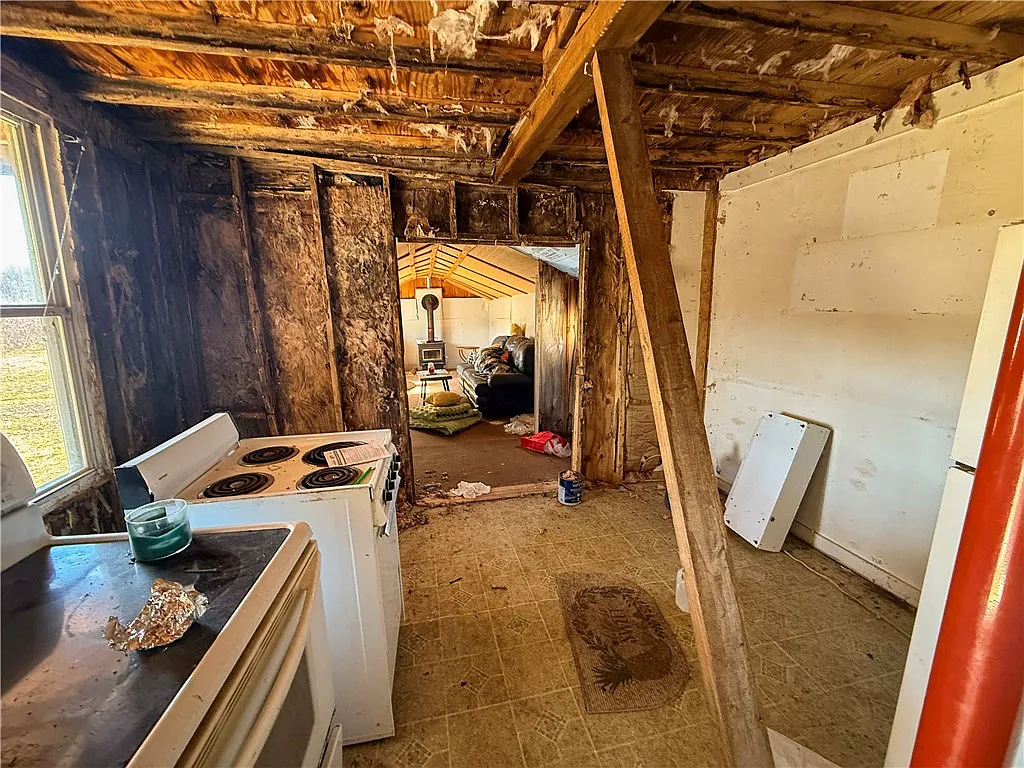
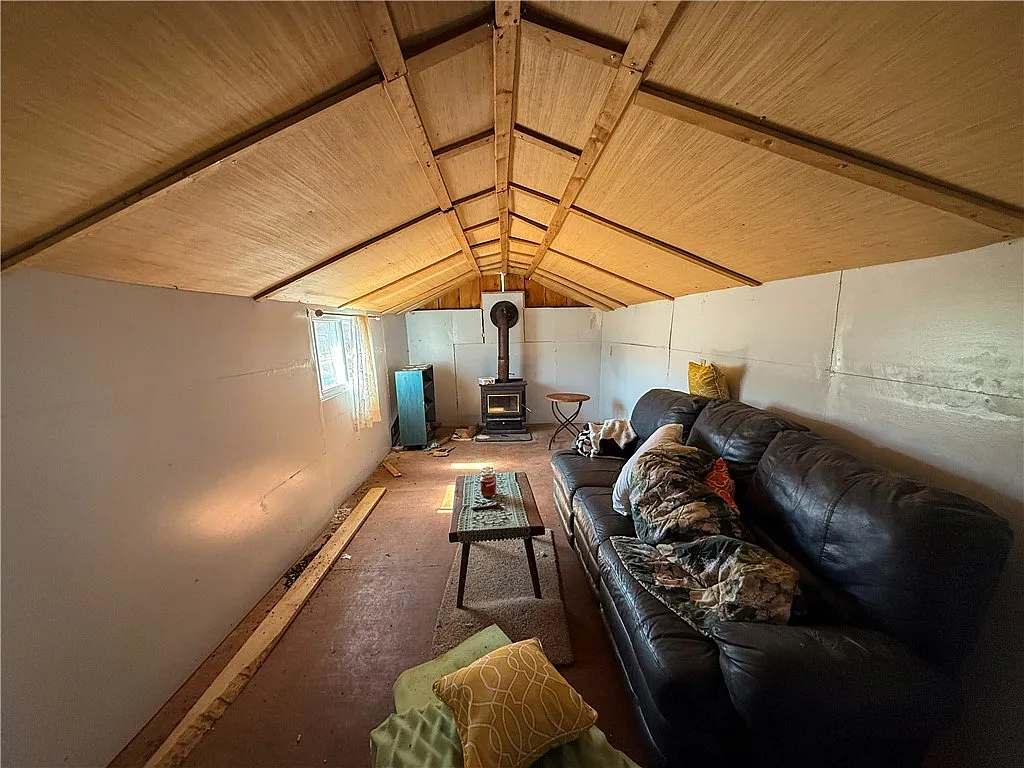
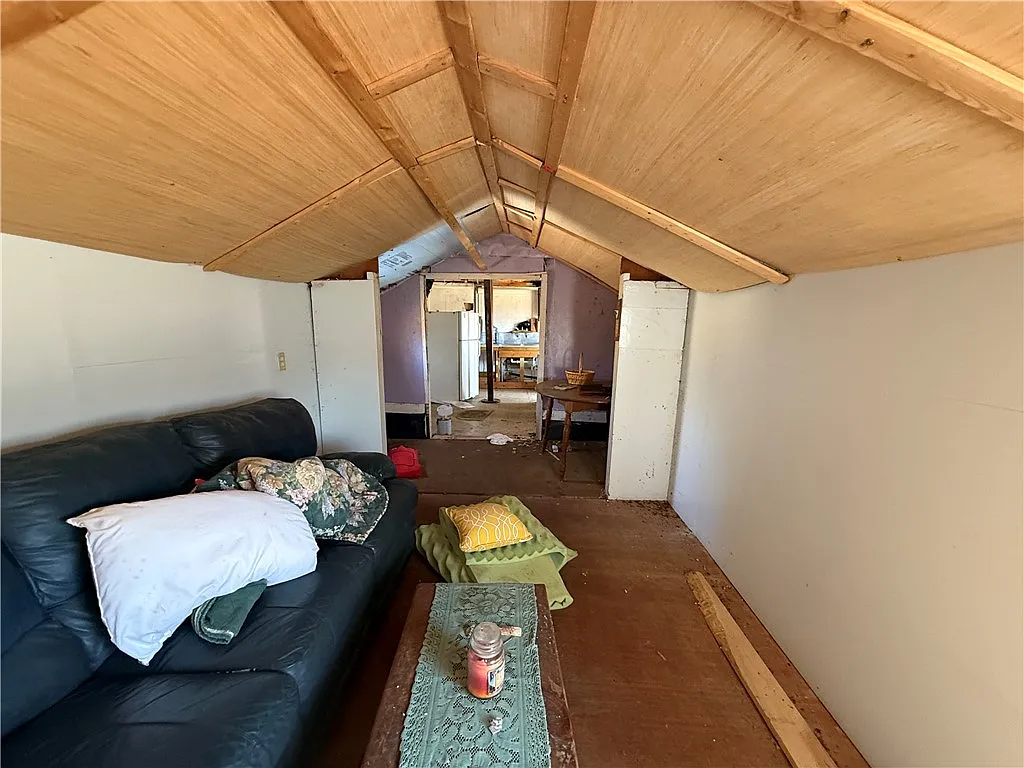
| Existing Structure | 500 Sq. Ft. Cabin (Built 2006) | A “project camp” providing a vital existing footprint for renovation or replacement. |
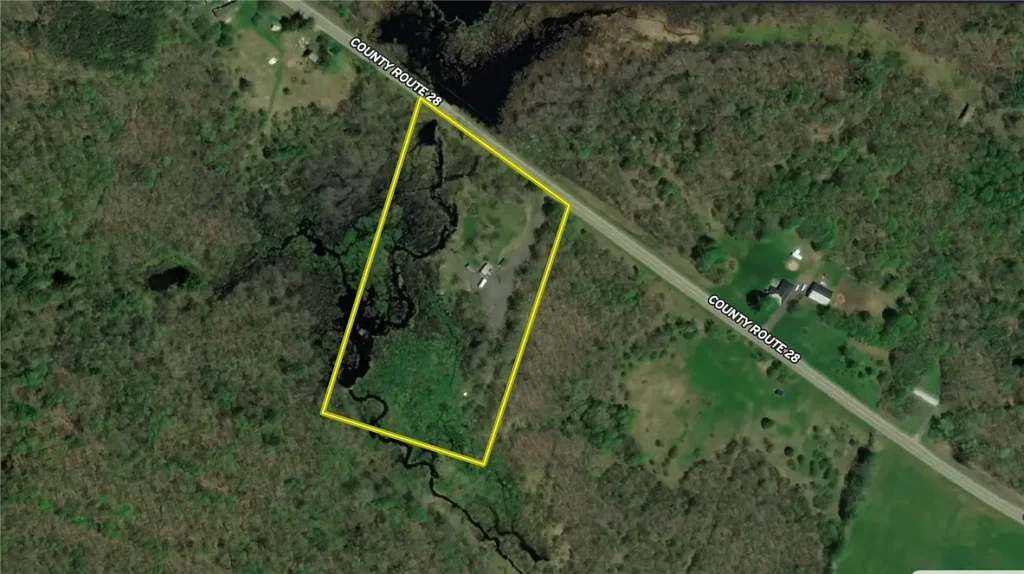
| Topography & Terrain | Level, Wetlands, Flood Zone | Level ground is easy to navigate, but wetland presence dictates strict land-use logistics. |
| Water Features | Creek on Property | Ties into the North Branch of Grindstone Creek, creating a dynamic seasonal habitat. |
| Ingress / Egress | Established Gravel Driveway | Finished with millings and opens to a well-defined parking area; saves thousands in excavation costs. |
| Electric Infrastructure | Electricity Extended & Metered | Massive value-add; the property is already grid-tied, bypassing expensive utility line drops. |
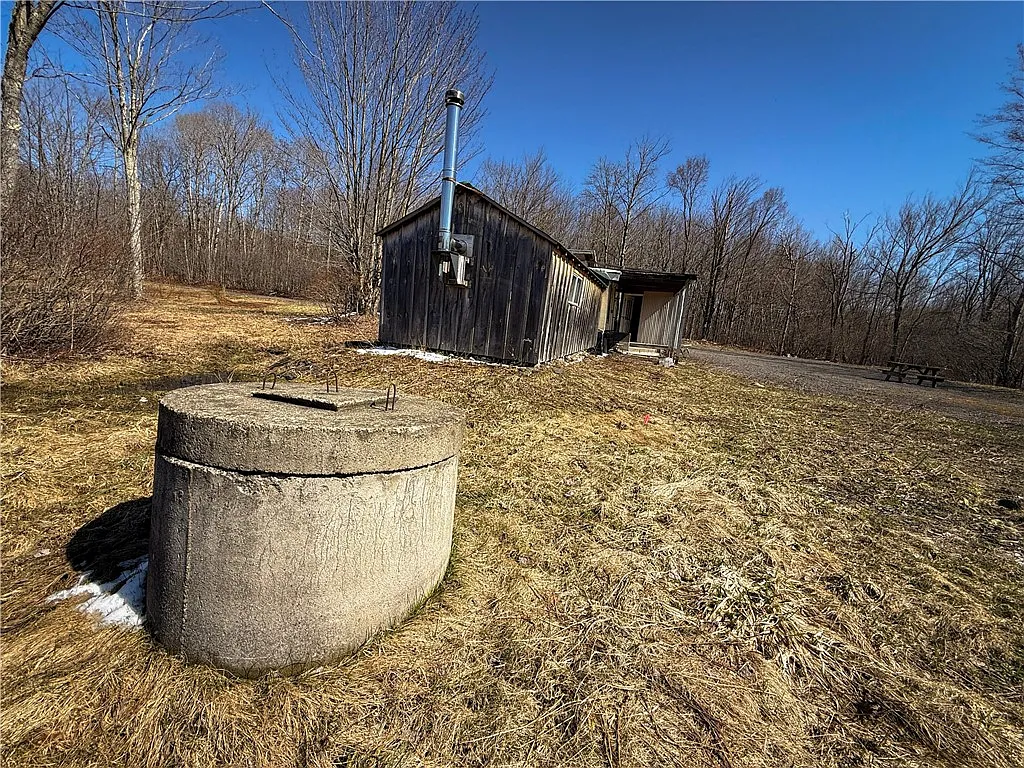
| Water Utility | Dug Well On-Site | Provides a potential functional water source without the exorbitant cost of modern deep-well drilling. |
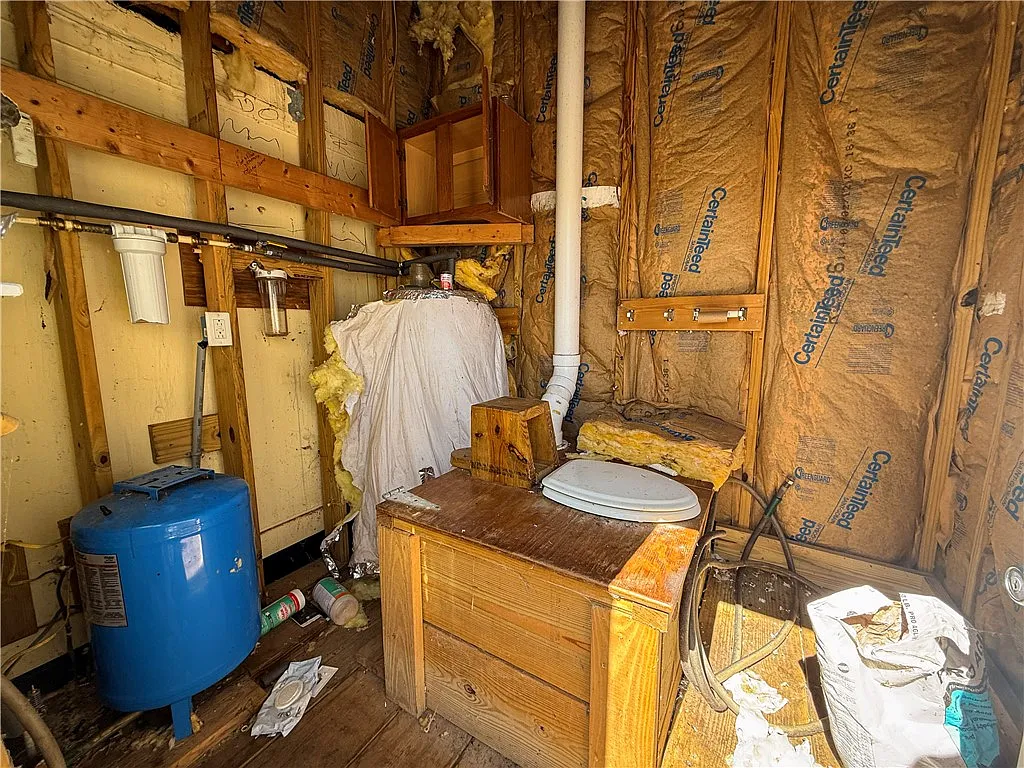
| Wastewater System | Holding Tank & Outhouse | Due to the flood zone, a holding tank is utilized in place of a traditional leaching septic field. |
| Annual Tax Burden | $1,753 / Year (~$146 / Month) | Based on an assessed value of $45,000, creating a manageable fixed overhead for long-term holding. |
Part 2: Pricing Strategy & Historical Price Capitulation
In real estate investment, tracking a property’s timeline on the market and analyzing the seller’s pricing behavior provides critical leverage for negotiations. The pricing history of 109 County Route 28 #9 reveals a clear pattern of market testing followed by significant “price capitulation,” which is highly advantageous for an incoming buyer.
The Timeline of Price Reductions
This property has experienced an extended journey on the local MLS, allowing us to trace the seller’s pricing trajectory and the market’s response:
- August 28, 2025: Originally listed for sale at $49,900.
- September 15, 2025: Price reduced by 20% to $39,900.
- January 1, 2026: Listing temporarily removed from the market (likely for the winter season).
- April 10, 2026: Property relisted for the spring market at the higher price of $49,900.
- July 29, 2026: Price reduced massively again by 20% back down to $39,900.
Market Interpretation for Buyers
Over a span of a year, the seller has twice attempted to capture a $49,900 premium and has twice been forced by the market to slash the price by $10,000.
Rapid, large-scale price cuts typically indicate one of two things: high seller motivation or a specific developmental hurdle that scares away retail buyers. In this case, the hurdle is unequivocally the property’s designation as a “Flood Zone” combined with its transition into wetlands. When traditional retail buyers (who intend to build a massive, sprawling, permanent modern home) discover the complexities of building in a flood plain, they back out of the deal.
This leaves the property available only to a highly specific subset of buyers: hardcore anglers, recreational campers, and savvy investors who understand how to navigate wetland regulations. By reducing the price by $10,000, the seller is actively compensating the buyer for the ecological restrictions on the land. For a cash or conventional buyer willing to embrace the existing 500-square-foot footprint, this capitulation creates a golden opportunity to acquire premium Altmar dirt at a steep wholesale discount. The listing even notes that the “seller is motivated and has priced the property accordingly, with seller financing potentially available for qualified buyers”.
Part 3: Comparative Market Analysis (CMA) of Oswego County
To objectively determine if $39,900 is a mathematically sound price for 8.07 acres in this specific region, we must conduct a Comparative Market Analysis (CMA), evaluating 109 County Route 28 against regional baselines in Oswego County, New York.
Regional Land Valuation Context
Oswego County is heavily targeted by buyers across the Northeast due to its proximity to Lake Ontario and the world-famous Salmon River. Because of this unique blend of rural seclusion and heavy outdoor tourism, land prices in the Altmar corridor can command a steep premium.
According to recent land market data, the median price per acre across Oswego County, NY, sits at $6,937. When analyzing raw, undeveloped land, properties that feature road frontage and close proximity to the interstate often push higher toward the $8,000 to $10,000 per acre mark.
The Arbitrage Opportunity: Valuing the Dirt vs. The Infrastructure
If we apply the conservative Oswego County median valuation of $6,937 per acre to this 8.07-acre parcel, the raw, unimproved land alone should theoretically carry an implied market value of approximately $55,981.
However, the asking price is just $39,900. By purchasing this property, you are securing the land for just $4,944 per acre a massive discount compared to the county median.
But the arbitrage opportunity goes much deeper. This is not raw land; it is heavily improved land. Let us estimate the replacement cost of the existing infrastructure:
- Established Gravel Driveway & Parking Area: Excavating, grading, and laying road millings for a driveway and parking pad typically costs $5,000 to $8,000.
- Electric Service & Meter: Paying the local utility company to drop a pole, run lines into the property, and install an active meter box easily costs $3,000 to $6,000.
- Dug Well: While not a modern drilled well, digging and casing a shallow well still requires heavy equipment, costing roughly $3,000 to $5,000.
- The 500 Sq Ft Cabin: Even in a state of disrepair requiring renovation, the structural shell, framing, and roofing of a 2006-built 500-square-foot cabin holds a replacement value of at least $15,000 to $20,000.
CMA Chart: Oswego County Acreage Comparison
| Valuation Metric | Price Per Acre | Total Implied Value (8.07 Acres) | Strategic Buyer Takeaway |
| 109 County Route 28 (Subject) | $4,944 / Acre | $39,900 | Deeply discounted due to flood zone; incredible infrastructure value. |
| Oswego County Median Raw Land | $6,937 / Acre | ~$55,981 | Subject property is priced 28.7% BELOW the county median. |
| Implied Value of Infrastructure | N/A | ~$26,000 – $39,000 | You are essentially acquiring the 8 acres of land for free when factoring in the existing utilities and driveway. |
CMA Verdict: From a purely mathematical standpoint, the $39,900 asking price is highly competitive and heavily undervalued relative to its replacement cost. The $10,000 price cut accurately adjusted the property down from a “traditional residential build site” valuation to an “ecologically restricted recreational” valuation, ensuring the buyer is securing immense value.
Part 4: Geographical Breakdown – Topography, Water, and Wetlands
In Upstate New York, raw acreage can be deceiving on a map. A buyer could purchase 8 acres, but if that land is entirely submerged or inaccessible, it is effectively useless. The physical geography of 109 County Route 28 #9 provides immense ecological value but demands strategic land-use planning.
The Wetland Transition
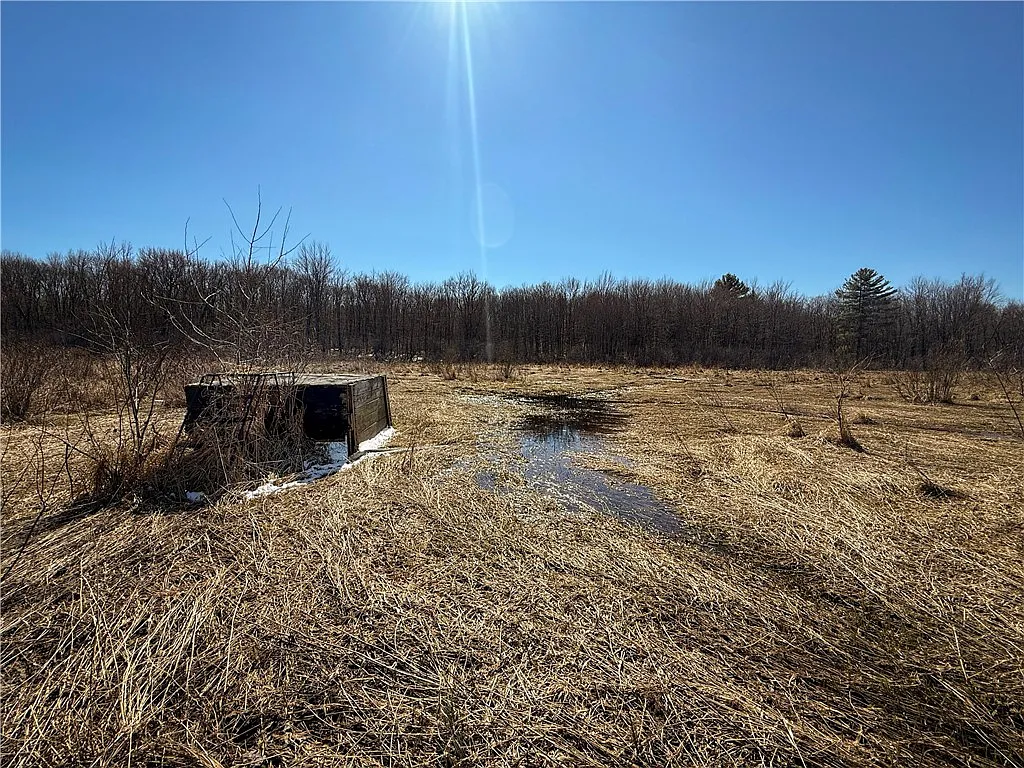
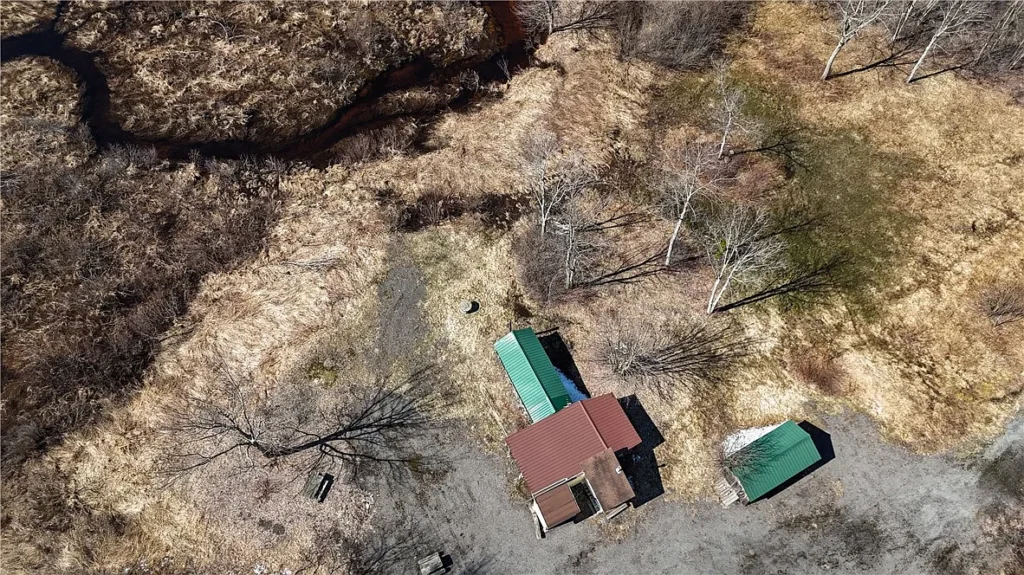
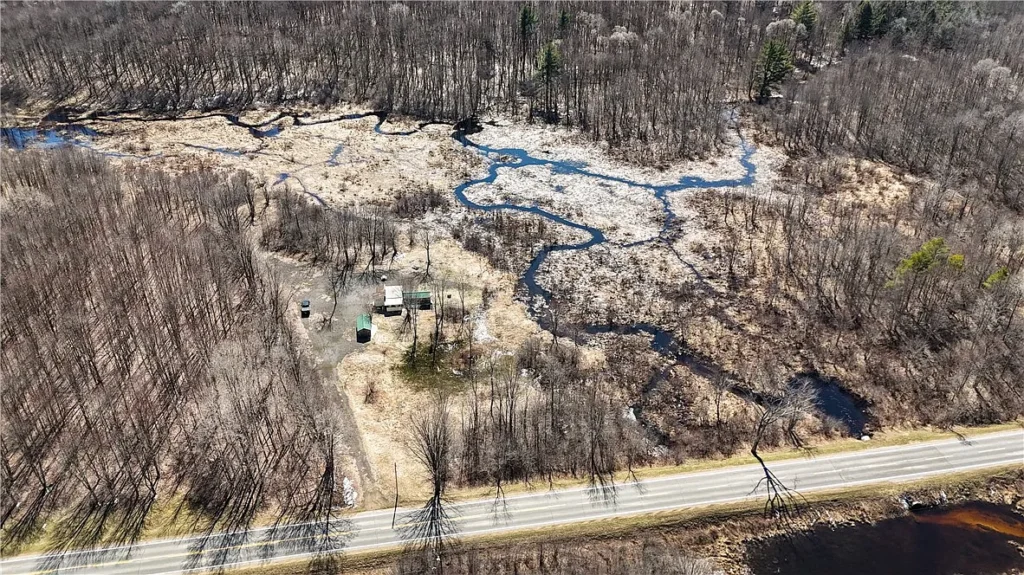
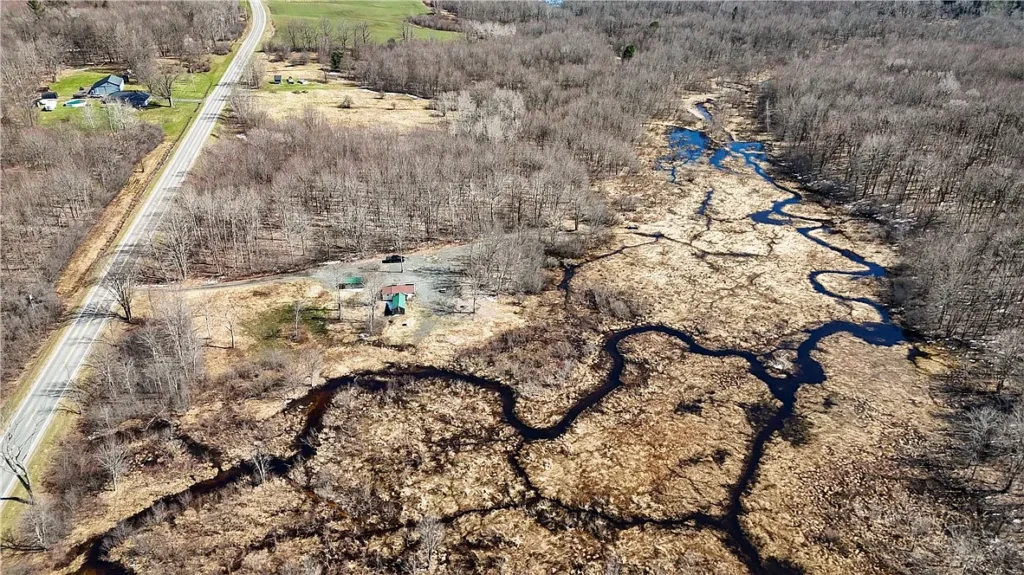
The listing explicitly states: “Water shapes the balance of the land. Much of the acreage transitions into wetlands, creating a natural environment that supports migratory birds, amphibians, and a steady flow of wildlife activity”.
- The Ecological Asset: For bird watchers, waterfowl hunters, and naturalists, wetlands are the most productive ecosystems on the planet. This property acts as a natural sponge, drawing in diverse species year-round. It is a private nature preserve right out your back door.
- The Development Restriction: Wetlands are heavily protected by the New York State Department of Environmental Conservation (DEC) and the Army Corps of Engineers. You cannot legally dump fill dirt into a wetland to build a massive garage or a sprawling lawn. Your developmental footprint on this property is largely confined to the existing high ground where the driveway and cabin currently sit.
The Creek and Grindstone Connection
Adding dynamic motion to the landscape, “a creek winds through the property, tied into the North Branch of Grindstone Creek, bringing movement, habitat, and a sense of space that shifts with the seasons”.
- Grindstone Creek is a significant tributary in Oswego County. Having a creek tied to this system means your property experiences the natural ebb and flow of regional water levels.
- A live water feature exponentially increases the aesthetic and psychological value of a recreational property. The sound of moving water provides a natural acoustic barrier against highway noise, while the creek banks serve as a prime travel corridor for local whitetail deer.
The “Flood Zone” Designation
The property details indicate the lot features a “Flood Zone” and is “Level”.
- What this means: Being located in a designated FEMA flood zone means the property is susceptible to periodic inundation, usually during the heavy spring snowmelts that Central New York is famous for.
- Strategic Navigation: This is exactly why the property features a “Holding Tank” instead of a traditional leaching septic field. Traditional septic fields fail in flood zones because the groundwater table rises too high, saturating the leach lines. The holding tank is a sealed, waterproof vault that safely stores wastewater without risking environmental contamination during high water events.
Part 5: Infrastructure & Existing Footprint (The Project Cabin)
Developing rural land from scratch is an exhausting, capital-intensive process that can take years of permitting and heavy machinery work. The most profound advantage of 109 County Route 28 is the fact that the hardest groundwork is already finished.
The 2006 Project Cabin (500 Sq. Ft.)
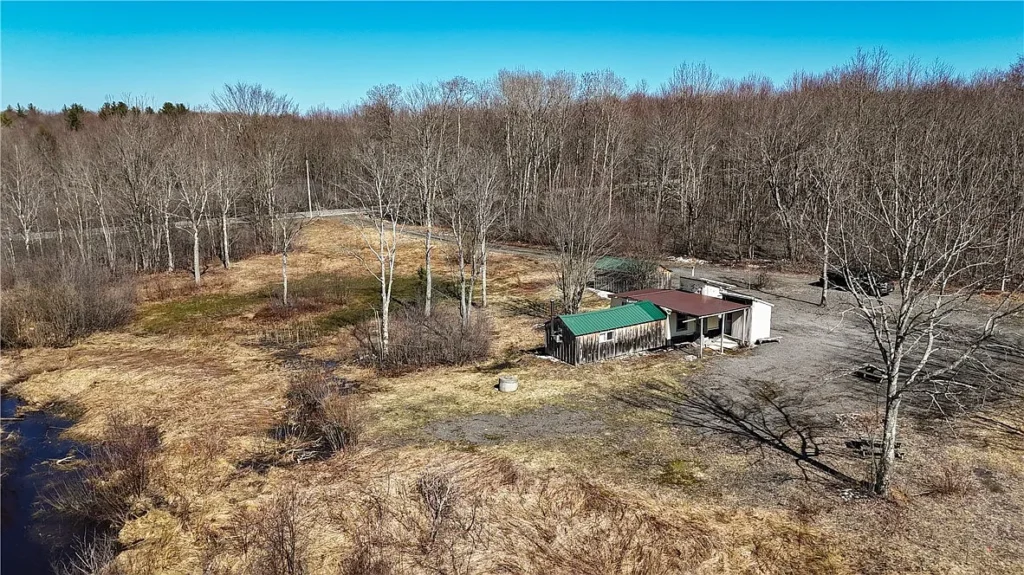
Tucked within the landscape, an existing 500-square-foot cabin remains on site. The listing describes it as a “project camp… suited for those willing to take on a project or reimagine the footprint entirely”.
- The Grandfathered Footprint: In highly regulated wetland and flood zone environments, the most valuable asset you can own is an existing, grandfathered structural footprint. Getting a permit to build a new cabin in a flood zone is incredibly difficult. However, obtaining a permit to renovate or rebuild on the exact footprint of an existing 2006 structure is significantly easier.
- Renovation vs. Replacement: A 500-square-foot structure is highly manageable. Depending on the integrity of the framing and the roof, a buyer could completely gut the interior, install modern spray-foam insulation, run new PEX plumbing from the dug well, and wire the cabin directly into the existing electrical meter. Alternatively, you could tear it down to the foundation and place a pre-fabricated tiny home or modular cabin directly on the established site.
The Driveway and Parking Millings
The listing highlights an “established driveway leads from the road and opens to a well-defined parking area finished with millings”.
- In wetland-adjacent properties, the ground is often soft. Attempting to drive heavy trucks or RVs onto soft loam will result in deep ruts and stuck vehicles.
- “Millings” (recycled asphalt) are the gold standard for rural driveways. They pack down incredibly hard under the summer sun, creating a nearly impervious, dust-free surface that resists erosion better than standard crushed gravel. This existing infrastructure means you can immediately pull a heavy 5th-wheel camper or an equipment trailer onto the lot on day one without fear of sinking into the mud.
The Pre-Existing Grid Connection
“Electricity has been extended into the property with a meter in place”.
- This cannot be overstated: having active, metered power on a recreational lot is a massive luxury. It completely bypasses the need for expensive, high-maintenance off-grid solar arrays or noisy generators. You can run power tools for your cabin renovation, plug in an RV, and utilize modern electric baseboard heating instantly.
Part 6: The Force Multiplier – Proximity to World-Class Recreation
The golden rule of real estate remains “Location, Location, Location.” While 109 County Route 28 offers profound isolation, it is situated in the epicenter of the Northeast’s most legendary outdoor recreational corridors.
The Salmon River Hub
The listing notes that “The Salmon River is just minutes away, drawing anglers from across the region and beyond for its renowned salmon and steelhead runs”.
- Global Recognition: The Salmon River in Altmar and Pulaski is arguably the premier tributary in North America for Pacific Salmon (Chinook and Coho) and Steelhead trout. Every autumn, tens of thousands of anglers flock to this region, injecting millions of dollars into the local economy.
- The Basecamp Advantage: Finding lodging in Oswego County during the fall salmon run is notoriously difficult and expensive. By owning a basecamp just minutes from the river, you have permanent, guaranteed access to the fishery without the exorbitant hotel costs. You can wake up, brew coffee on your electric stove, and be on the river before dawn.
Happy Valley Wildlife Management Area
The property sits in the shadow of massive public lands. “The 8000± acre Happy Valley Wildlife Management Area provides expansive public access for hunting and year-round recreation”.
- Expanding Your Footprint: While 8 acres is plenty of space for privacy, it is relatively small for tracking big game. The proximity to Happy Valley effectively expands your 8 acres into an 8,000-acre playground.
- Multi-Season Use: Happy Valley WMA is not just for hunting. It offers miles of unpaved roads and trails for hiking, cross-country skiing, and snowshoeing. The habitat consists of upland forests, wetlands, and open fields, providing a diverse backdrop for year-round exploration.
Interstate 81 Accessibility
The listing highlights that the property is “Located in close proximity to the Interstate 81 corridor”.
- Rural properties are only valuable if you can get to them. I-81 is the main north-south artery connecting Syracuse and Central New York to the Canadian border. Close proximity to the interstate means you spend less time navigating winding, snow-covered backroads in the winter and more time enjoying your camp. It makes weekend getaways from major metropolitan hubs effortless.
Part 7: Regulatory Constraints & Logistical Solutions
To successfully develop and utilize this property, a buyer must approach the ecological constraints with clear eyes and strategic planning.
Building in a Flood Zone
Because the property is designated as a flood zone, any major structural renovations or new builds will be subject to local floodplain management ordinances.
- Elevation Requirements: If you choose to replace the 500-square-foot cabin, the local building code will likely require the new structure to be elevated. This usually involves building on concrete piers or pilings so that the lowest floor sits above the Base Flood Elevation (BFE).
- Flood Insurance: If you plan to finance the renovation with a traditional bank loan, the lender will legally require you to carry flood insurance. However, if you purchase in cash or use seller financing, you can self-insure the project camp, bypassing the expensive federal flood insurance premiums.
Managing Wastewater: The Holding Tank
The property currently utilizes a holding tank and an outhouse.
- How a Holding Tank Works: Unlike a septic system that constantly leaches effluent into the ground, a holding tank is a sealed underground vault (usually 1,000 to 2,000 gallons). All wastewater from the cabin flows into this vault and stays there.
- The Logistics: The catch is that a holding tank must be periodically pumped out by a commercial sanitation truck. For a weekend recreational camp, you might only need to pump the tank once or twice a year (costing roughly $200 to $350 per pump). It is an incredibly reliable, environmentally safe solution for wetland properties, but it requires mindful water conservation by the owner.
Part 8: Financial Proforma & Holding Costs
Real estate wealth is generated by holding tangible assets over the long term. Therefore, calculating your annual carrying costs is essential for maintaining financial flexibility.
The Property Tax Breakdown
New York State is famous for high property taxes, but this specific parcel offers manageable relief due to its unimproved “project” status.
- The tax assessed value of the property is currently $45,000.
- The actual annual property tax bill is listed at $1,753.
Let us break down the holding costs for a cash buyer:
- Annual Property Taxes: $1,753
- HOA Fees: $0
- Vacant Land / Camp Liability Insurance: ~$300 / year
- Total Annual Overhead:~$2,053 (or roughly $171 per month).
For less than $175 a month, you can securely hold 8 acres of prime Oswego County recreational land. This allows you to chip away at the cabin renovation on your own timeline without the stress of crushing monthly overhead.
Seller Financing Opportunity
The listing explicitly states that “seller financing potentially available for qualified buyers”.
- This is a massive advantage. Because traditional banks despise lending on project cabins in flood zones, seller financing acts as a bridge.
- If you can negotiate a 20% to 30% down payment (roughly $8,000 to $12,000), the seller may carry the note for 3 to 5 years. This allows you to secure the property, invest your remaining cash into renovating the cabin, and enjoy the land immediately without dealing with strict bank underwriting.
Part 9: Monetization & Value-Add Strategies (ROI)
For the entrepreneurial buyer, an 8-acre parcel with utility infrastructure just minutes from the Salmon River offers incredible avenues to force appreciation and generate yield.
Strategy 1: The Salmon River Rental Basecamp
The demand for lodging during the autumn salmon run and the winter steelhead run in Altmar is staggering. Anglers will pay premium rates for a warm, dry place to sleep that is close to the river.
- If you renovate the 500-square-foot cabin into a rugged, comfortable bunkhouse (utilizing the existing electric meter for heat and the holding tank for a simple bathroom), you could easily list the property on Airbnb or Vrbo.
- A clean, well-appointed fishing cabin in Altmar can command $150 to $250 a night during peak fishing seasons. Renting the cabin for just 20 nights a year during the fall run could gross $4,000+, entirely paying off your annual property taxes and insurance while leaving pure profit.
Strategy 2: The RV / Camper Pad Leasing
Because the property already features an established driveway, a milled parking area, and an active electric meter, you possess the exact infrastructure required for an RV pad.
- Instead of dealing with cabin renovations, you could simply clean up the existing parking area, install a 30-amp or 50-amp RV hookup to the electric pole, and lease the site to a seasonal camper.
- Many anglers look for long-term seasonal leases to park their 5th-wheel trailers near the Salmon River from September through November. A seasonal site lease with electric could easily yield $1,500 to $2,500 annually with virtually zero maintenance required from you.
Part 10: Comprehensive Due Diligence Checklist for Buyers
While the mathematical value of $39,900 is incredibly enticing, ecologically restricted land requires rigorous due diligence before your earnest money goes hard. If you move to put 109 County Route 28 under contract, ensure the following steps are executed:
- FEMA Flood Map Verification: Have your real estate agent pull the exact FEMA flood plain maps. Determine exactly what flood zone the 500 sq ft cabin sits in (e.g., Zone A, Zone AE). This will dictate exactly what you can and cannot do regarding renovations.
- Structural Inspection of the Cabin: While it is a “project camp,” you need to know if the “bones” are good. Have a contractor inspect the foundation sill plates, the roof trusses, and the wall framing for severe rot or water damage. If the framing is completely rotten, you must budget for a full tear-down and rebuild rather than a cosmetic renovation.
- Well and Holding Tank Inspection: Hire a local well company to test the “dug well” to see if it actually produces water, and test the water quality. Additionally, have a sanitation company inspect the “Holding Tank” to ensure it is not cracked and leaking groundwater into the vault.
- Zoning and DEC Setbacks: Contact the Town of Albion/Altmar zoning office and review the NYS DEC wetland maps. Confirm what the required setbacks are from the creek and the wetlands if you plan to expand the cabin’s footprint.
Part 11: Pros vs. Cons Analysis
To synthesize this exhaustive real estate analysis, here is an objective, unfiltered breakdown of the strengths and weaknesses of the property.
The Pros (The Upside)
- Massive Infrastructure Value: You are getting a milled driveway, a dug well, and an active electric meter included in the $39,900 price tag, saving tens of thousands in development costs.
- The Price Capitulation: The $10,000 (20%) price drop offers the buyer massive instant equity and wholesale-level pricing at $4,944 per acre.
- World-Class Location: Minutes from the globally renowned Salmon River fishery and the 8,000-acre Happy Valley WMA.
- Seller Financing: The potential for seller financing bypasses traditional bank restrictions and allows for creative, low-money-down acquisition.
- Ecological Beauty: The creek and wetland transition create a stunning, dynamic private nature preserve.
The Cons (The Risks)
- Flood Zone Restrictions: Being in a flood plain severely limits your ability to build a traditional, sprawling residential home and may require expensive flood insurance if bank-financed.
- The “Project” Status: The 500-square-foot cabin built in 2006 requires significant time, capital, and labor to become a comfortable, modern dwelling.
- Holding Tank Maintenance: Relying on a holding tank rather than a traditional septic field requires you to pay for commercial pump-outs and strictly monitor your water usage.
Part 12: Final Verdict & Investment Recommendation
The Real Estate Verdict: A STRONG BUY FOR ANGLERS, RECREATIONAL ENTHUSIASTS, AND STRATEGIC VALUE-ADD INVESTORS.
109 County Route 28 #9 in Altmar, NY, is not a property for the suburban homebuilder seeking a manicured, turnkey subdivision lot. The combination of wetlands, a flood zone, and a project cabin acts as a massive filter, stripping away retail competition and leaving a deeply discounted asset for the rugged individualist.
For the hardcore Salmon River angler, the waterfowl hunter, or the strategic real estate investor, this property represents an absolute home run. The seller’s $10,000 price capitulation has pushed the valuation into highly lucrative territory. When you factor in the replacement cost of the milled driveway, the dug well, and the active electric meter, you are effectively acquiring the 8.07 acres of Oswego County land for pennies on the dollar.
By embracing the ecological reality of the flood zone utilizing the holding tank and elevating your renovations within the existing 500-square-foot footprint you can establish a world-class fishing camp just minutes from some of the best steelhead water in North America.
Next Steps for Buyers:
Properties priced under $40k with active power and driveway infrastructure in the Altmar corridor rarely survive the fall fishing season. Contact a local Oswego County real estate agent immediately. Arrange a viewing to physically inspect the structural integrity of the project cabin, verify the status of the electric meter, and prepare to submit a clean offer exploring the seller financing option before this prime recreational basecamp is claimed.


Listed on Zillow