Finding an affordable rural property with substantial acreage, an existing house and access to public utilities can be challenging. In many cases, inexpensive land comes without infrastructure, while properties with established homes and utility connections command significantly higher prices.
A 40-acre property near Glenville, West Virginia, presents an interesting middle ground.
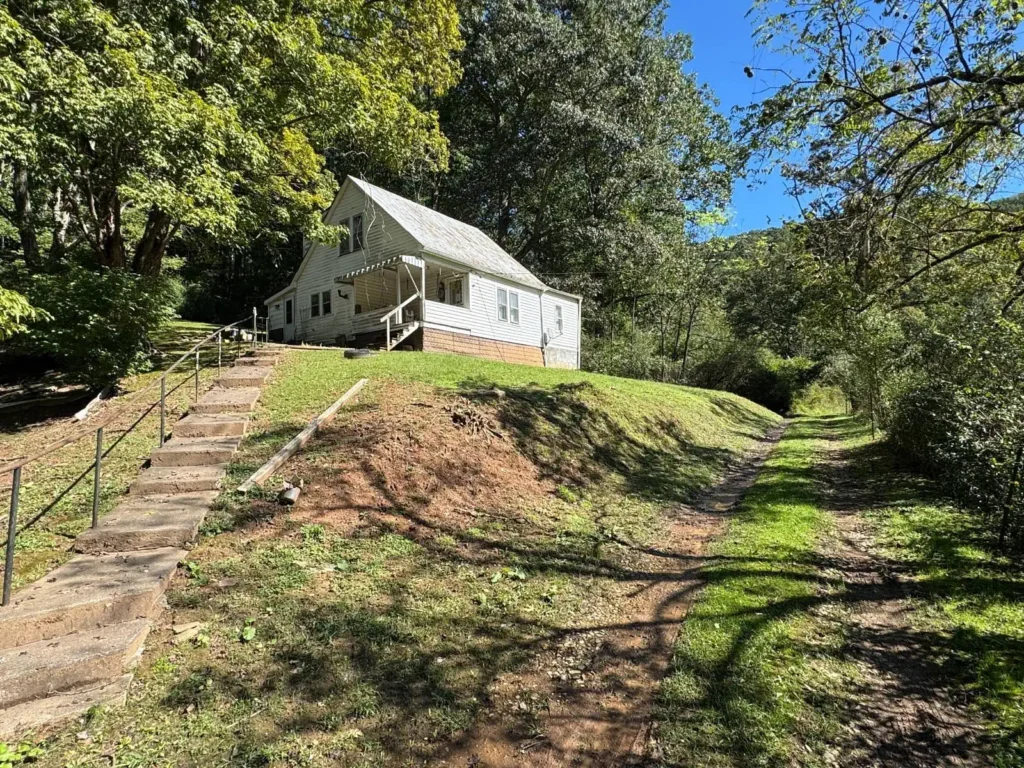
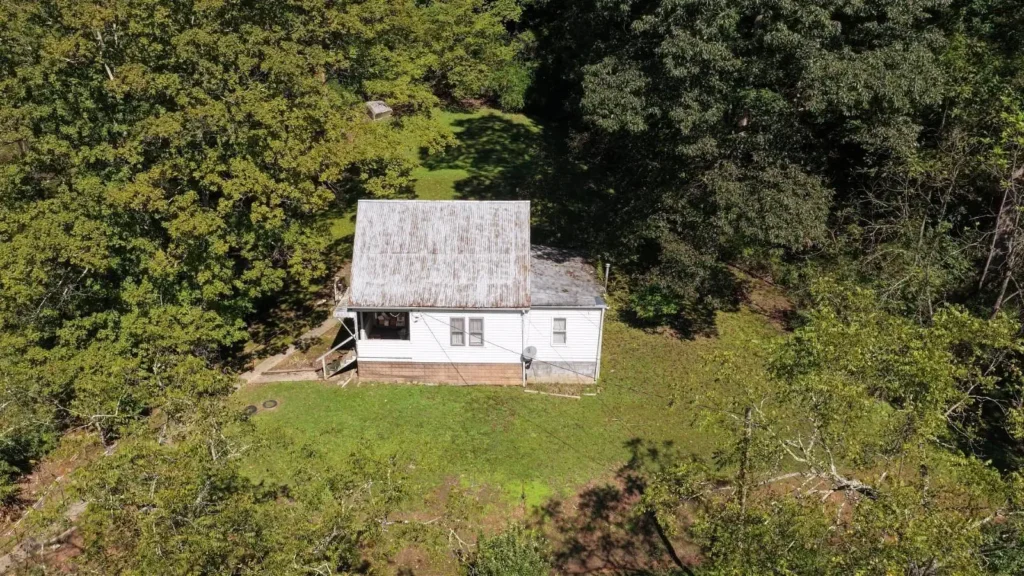
Located at 2208 US Highway 33E, Glenville, WV 26351, this property is advertised for $130,000 and includes a historic farmhouse, wooded mountain acreage, a creek and a combination of existing and potentially available utility services.
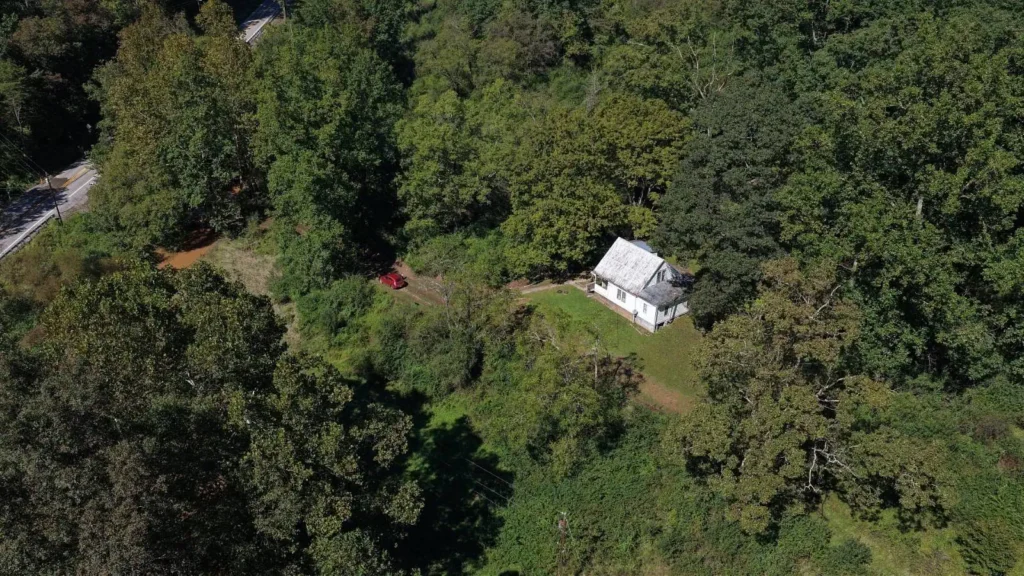
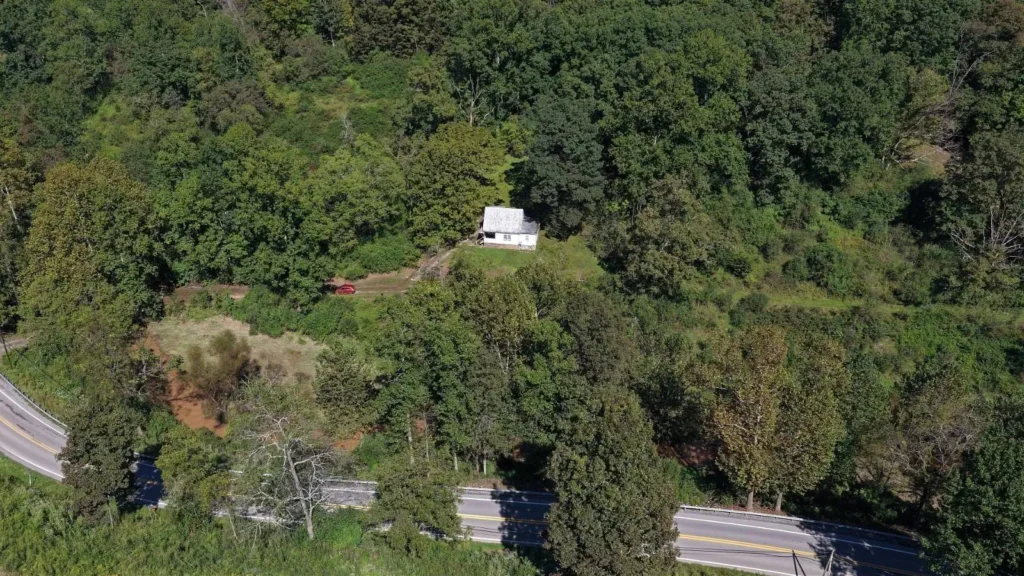
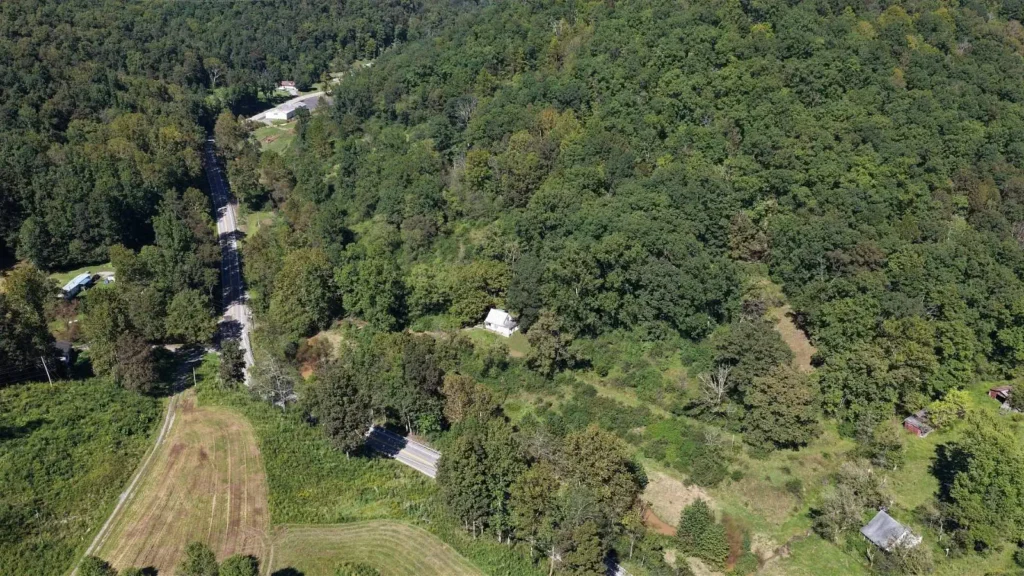
The property is only about two miles from downtown Glenville, according to the listing, making it notably different from remote rural parcels that require long drives to reach essential services.
For buyers researching West Virginia land for sale, affordable farmhouses, recreational acreage or rural real estate investment opportunities, this listing offers several possibilities.
However, its age, terrain, water infrastructure and potential flood exposure deserve careful consideration before any purchase decision.
Property Overview: What Does $130,000 Include?
| Property Feature | Listing Information |
|---|---|
| Asking Price | $130,000 |
| Address | 2208 US Highway 33E, Glenville, WV 26351 |
| County | Gilmer County, West Virginia |
| Land Area | 40 acres |
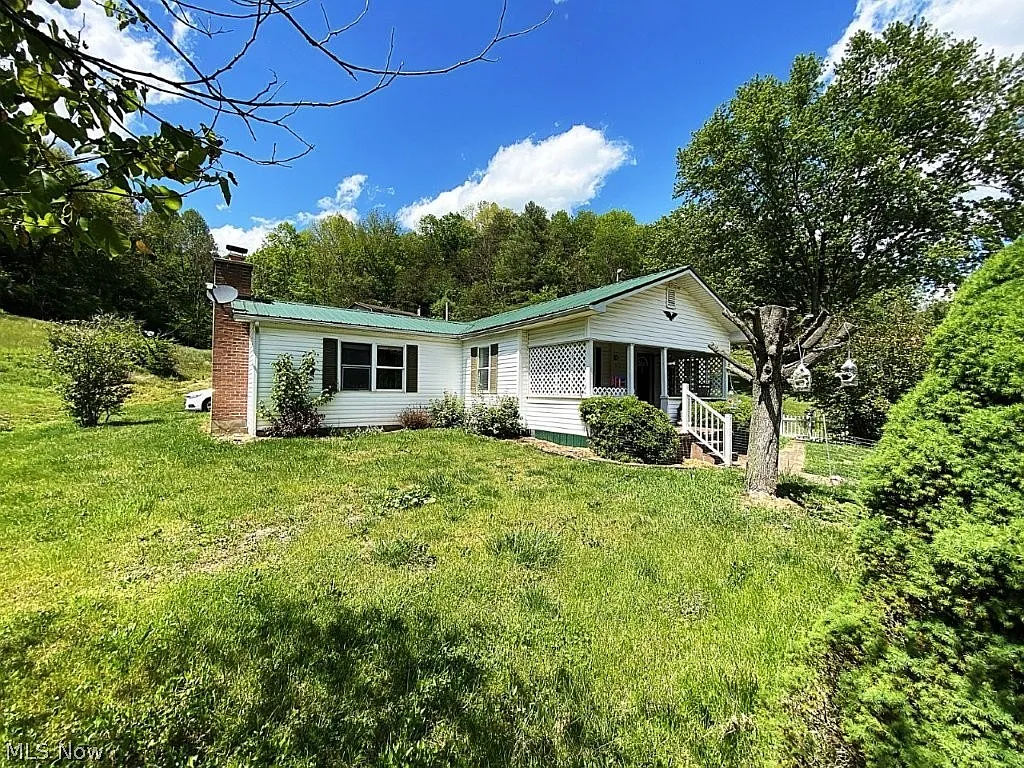
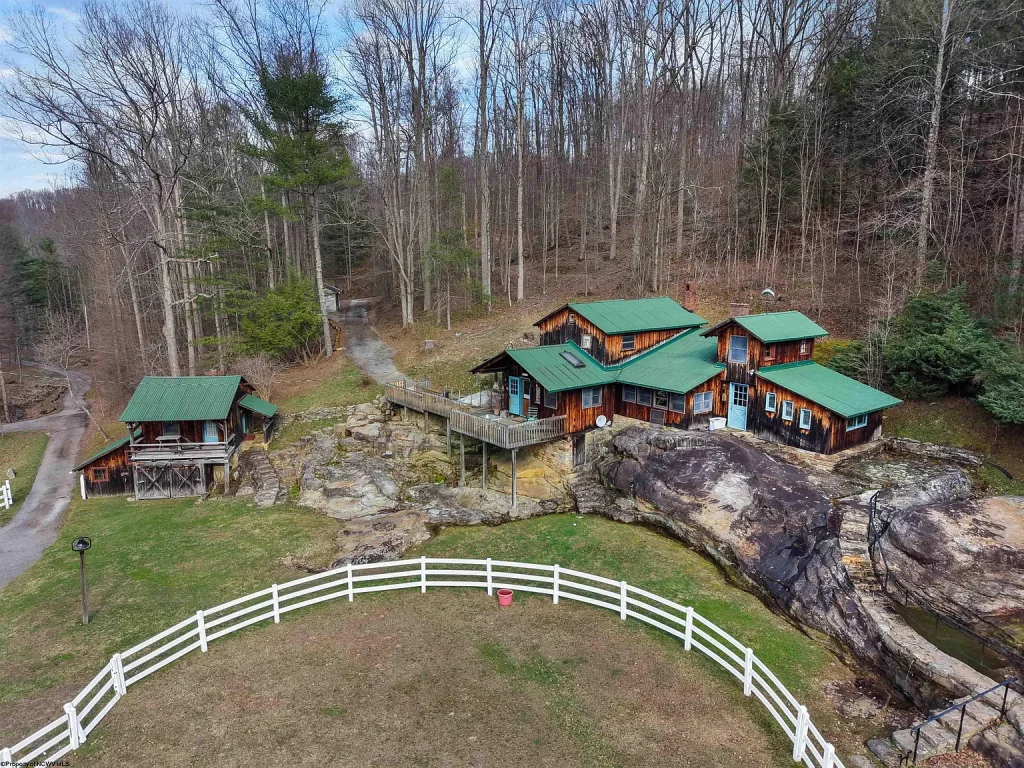
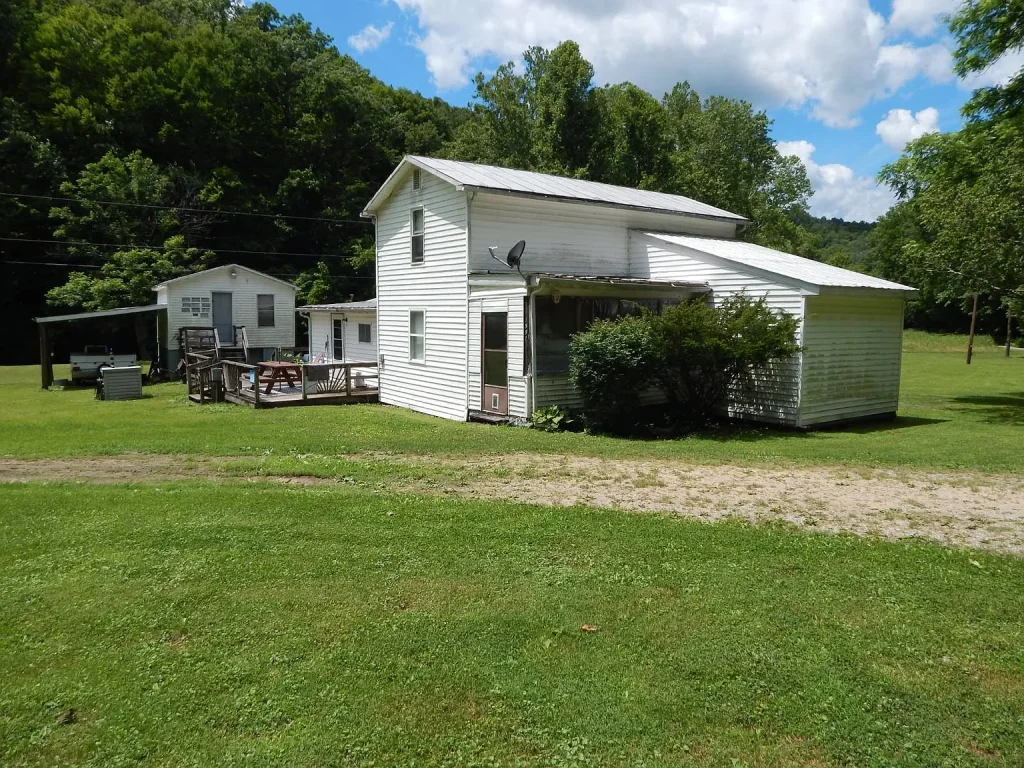
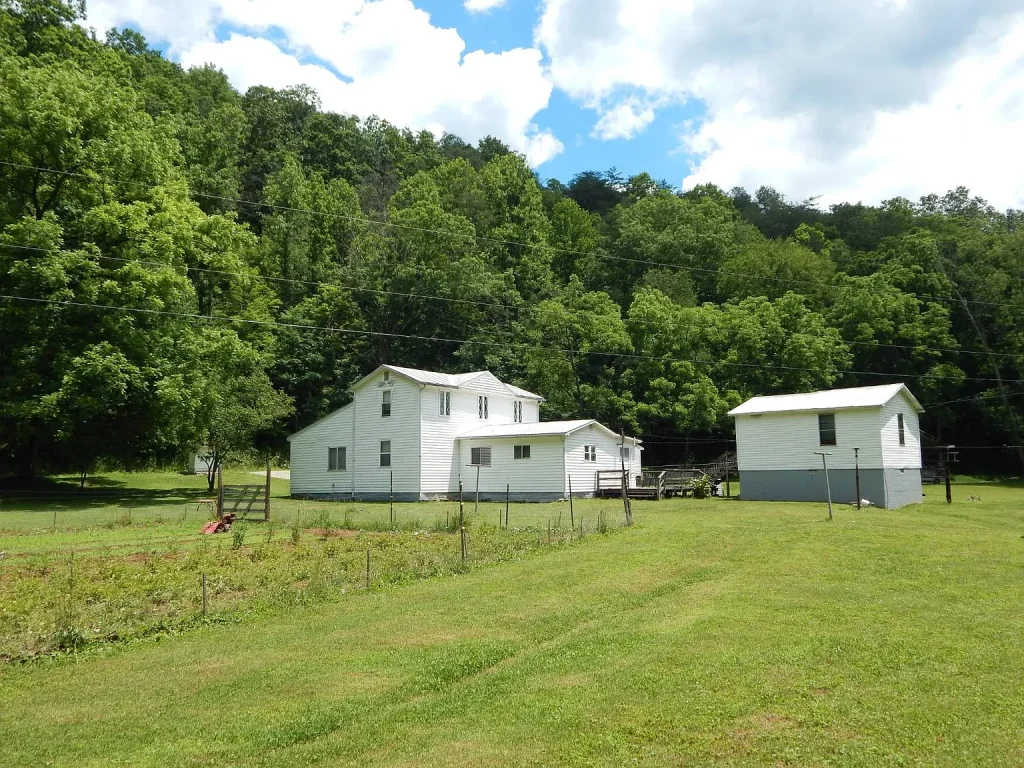
| Existing Building | Older farmhouse |
| Reported Building Area | 1,080 square feet |
| Year Built | 1900 |
| Building Stories | 2 |
| Terrain | Wooded hillside, gentler slopes and bottomland |
| Water Feature | Creek near the road |
| Water | Private well; public water reportedly available |
| Sewer | Private septic; public sewer reportedly available |
| Gas | Reportedly available |
| Access | Bridge crossing the creek |
| Recent Property Taxes | Approximately $500 |
| MLS Number | MyStateMLS 12001248 |
| Parcel Number | 11-03-0010-0062-0000 |
| Listing Date | September 25, 2026 |
The property was advertised as an active listing in the supplied information. Buyers should confirm its current price, availability and condition with the listing agent.
Why This West Virginia Property Stands Out
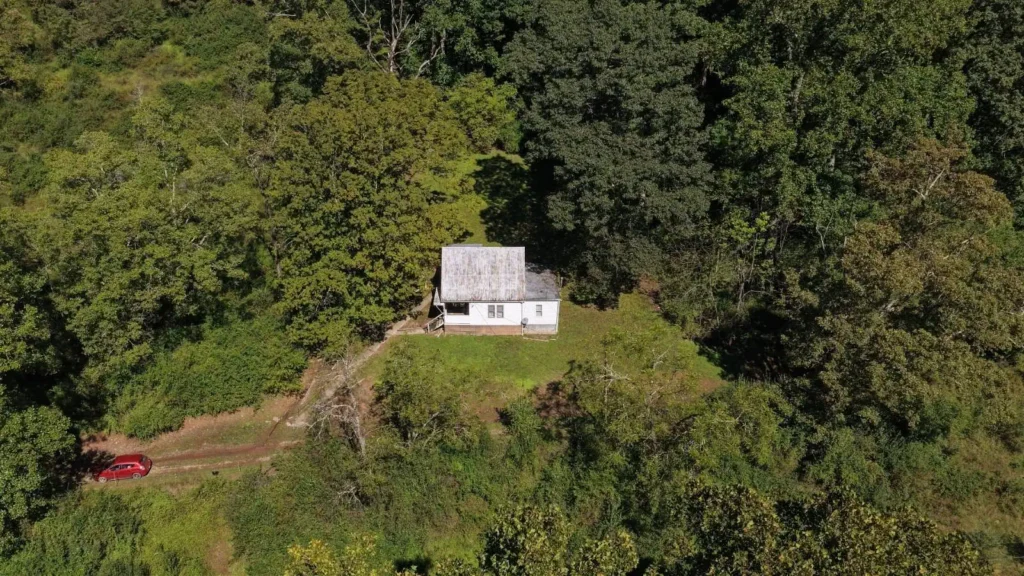
The main attraction is the combination of 40 acres and an existing farmhouse relatively close to town.
Many rural land listings offer attractive scenery but require buyers to start from scratch with access roads, water, wastewater systems and buildings.
Here, some improvements already exist.
The farmhouse may provide a potential renovation project, while the wooded acreage offers opportunities for outdoor recreation and land management.
Another notable feature is the variety of terrain.
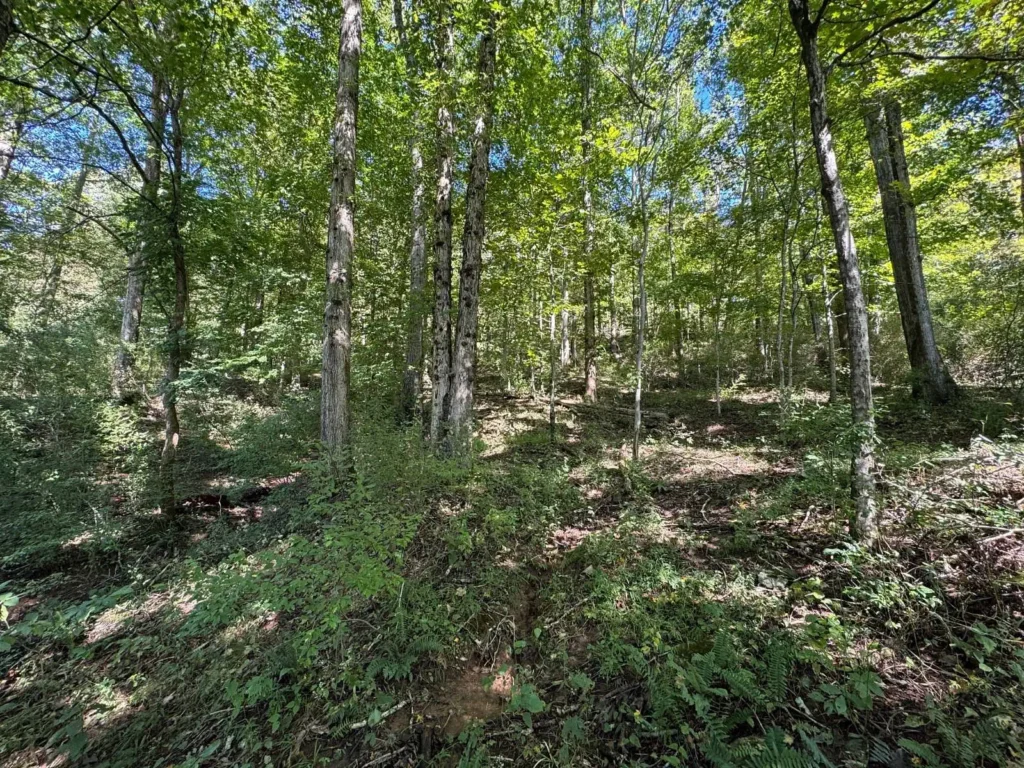
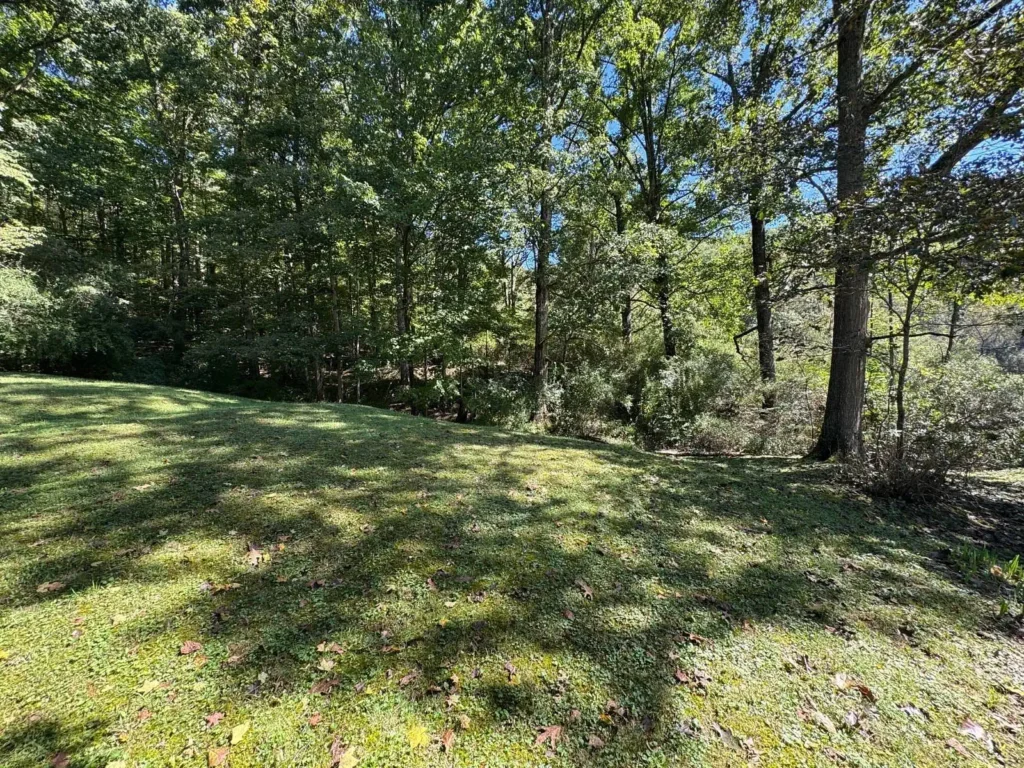
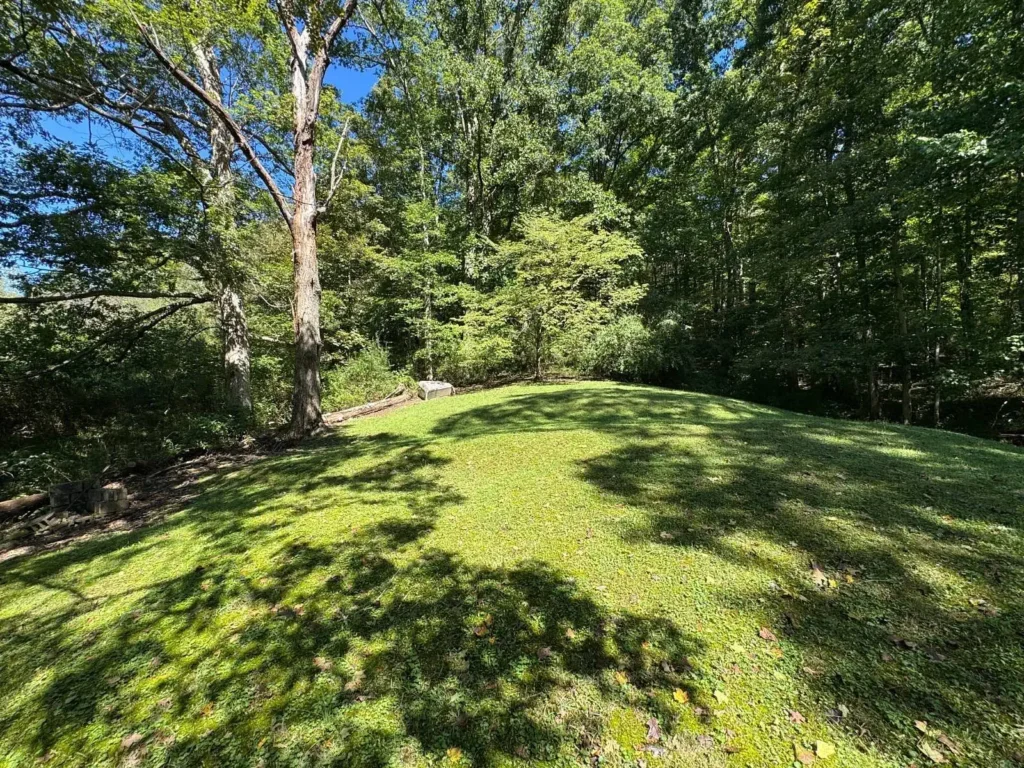
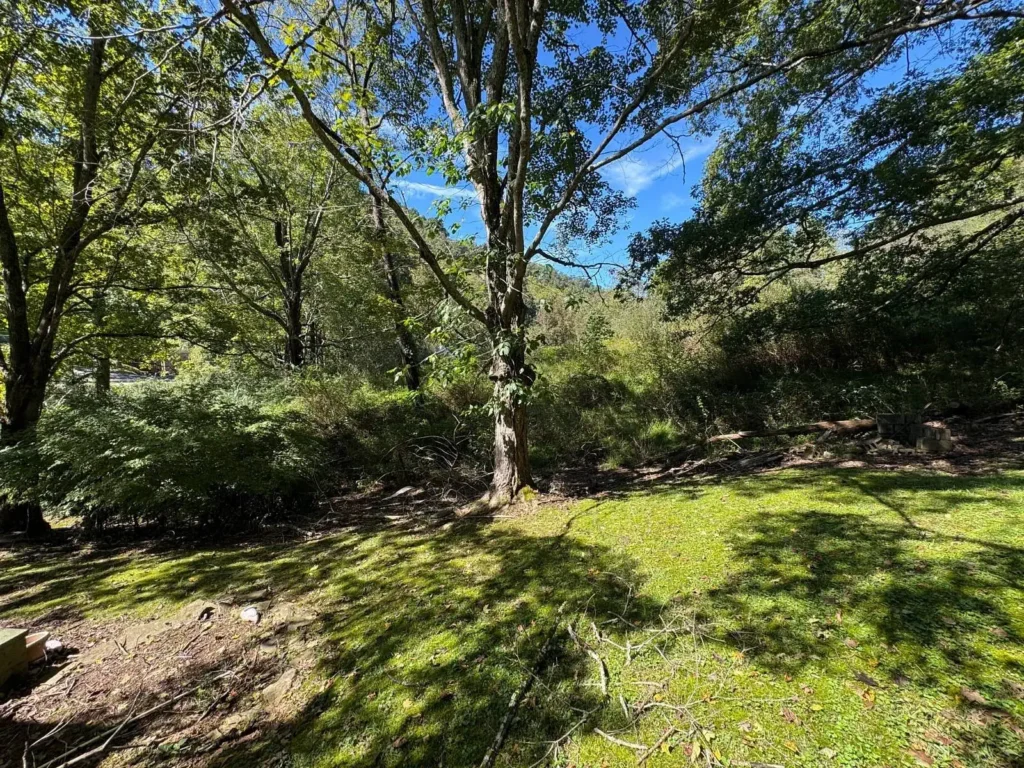
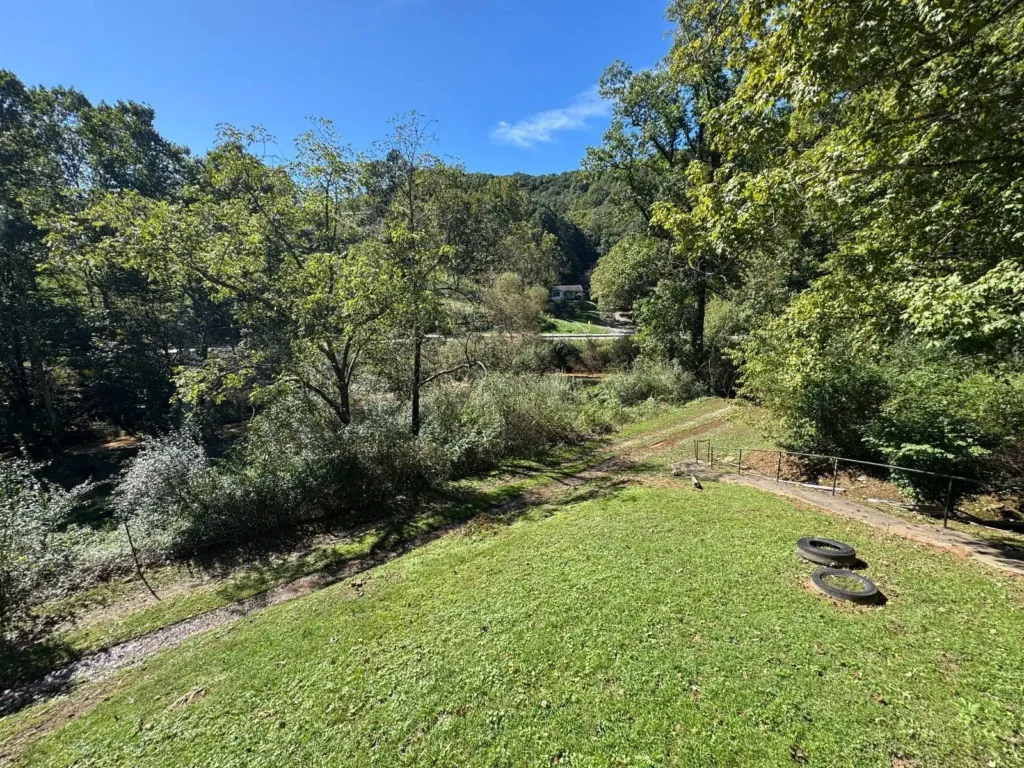
The listing describes a wooded mountainside containing oak and other hardwood trees, along with sections of gentler hillside and bottomland.
This mix of land types could appeal to buyers interested in a private retreat, a future homesite or a small rural homestead.
However, the usable acreage may be significantly less than the full 40 acres because of slopes, drainage areas and other site limitations.
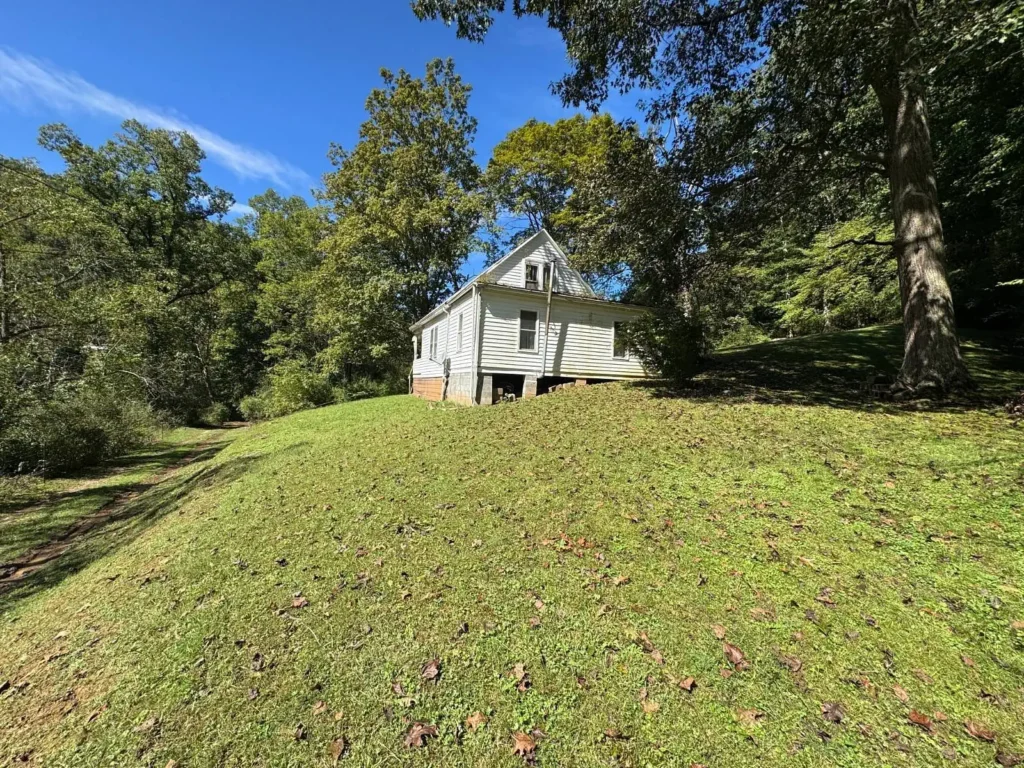
The 1900 Farmhouse: Renovation Opportunity or Major Expense?
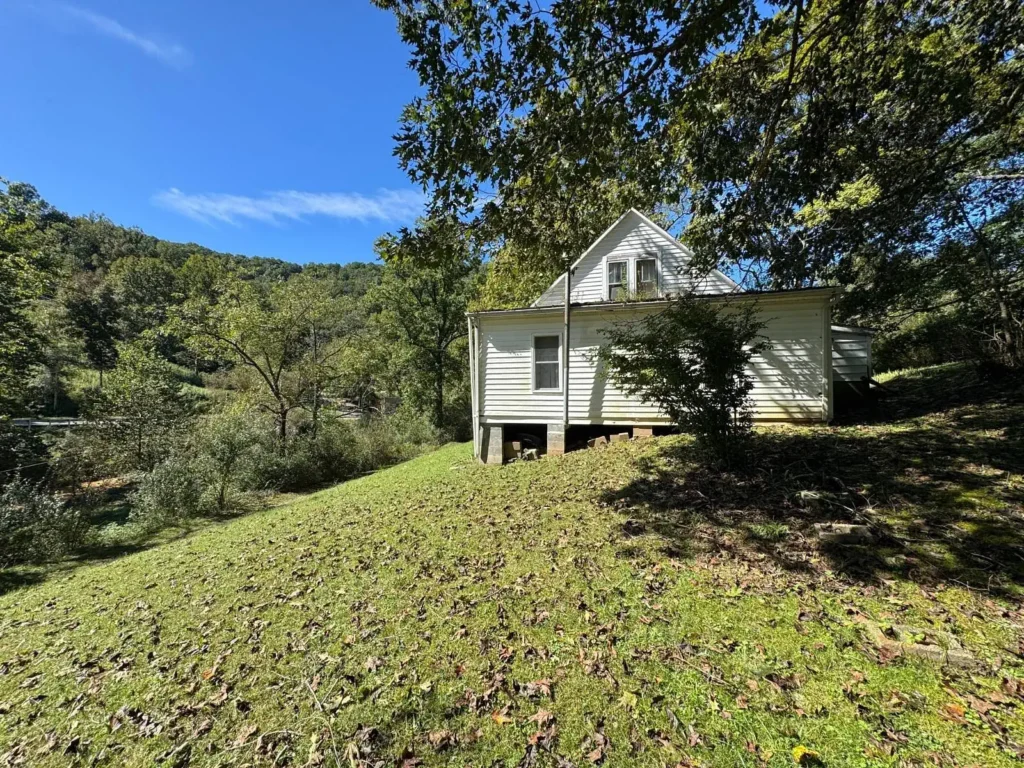
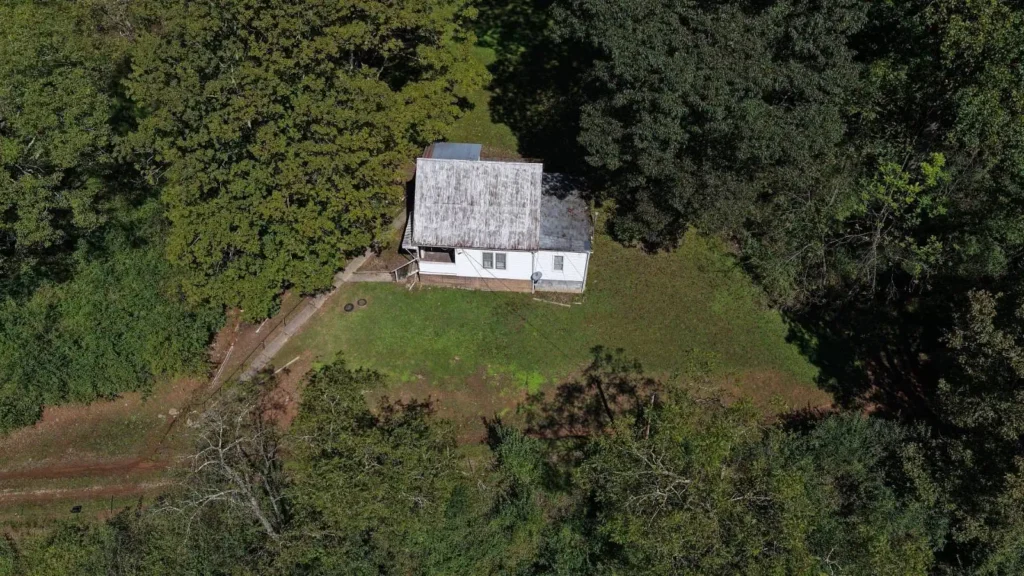
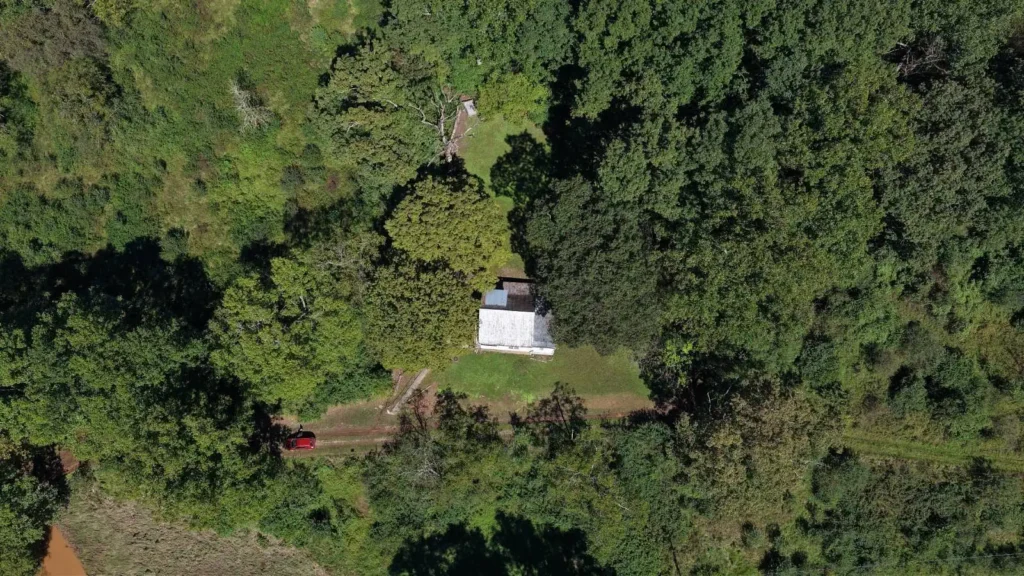
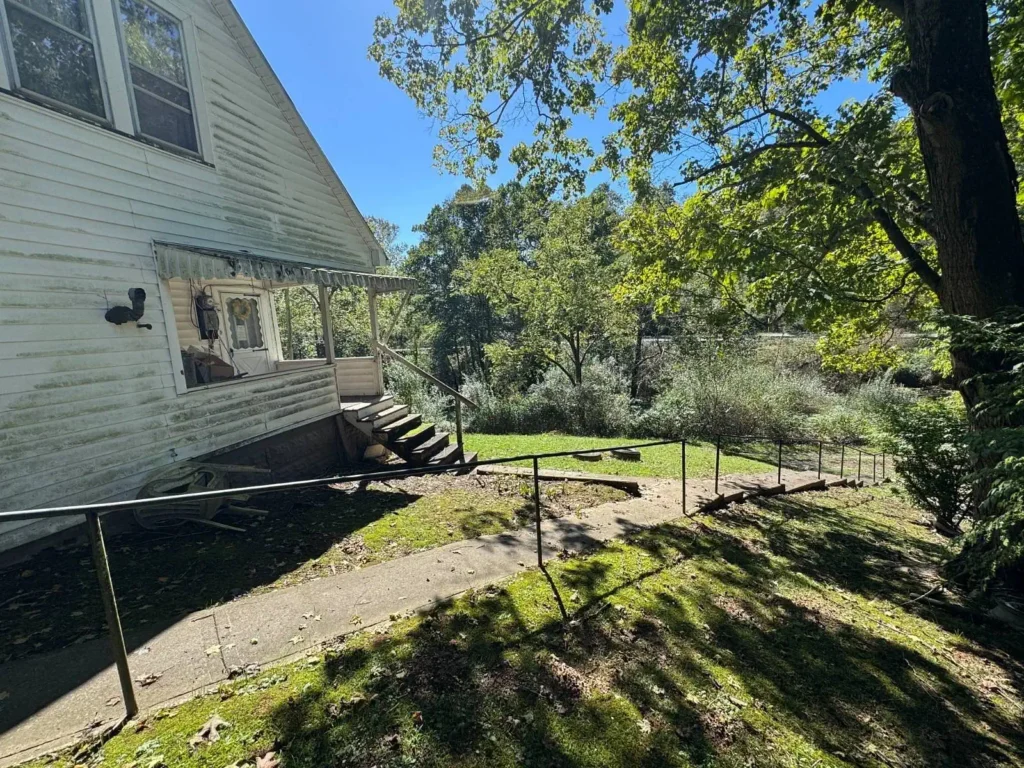
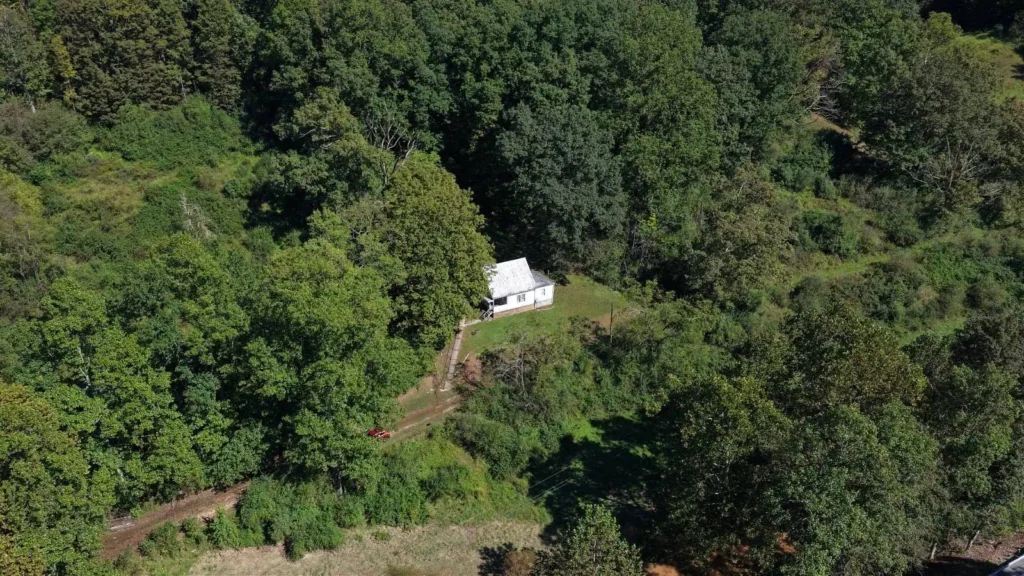
The existing farmhouse is reported to contain approximately 1,080 square feet and was built in 1900.
That makes the building more than a century old.
Historic rural houses can be appealing because of their character and the possibility of restoring an existing structure.
But age alone does not establish whether renovation is practical.
The listing does not provide enough detail to determine the farmhouse’s structural condition, foundation integrity, roof condition, electrical safety or overall habitability.
Before estimating renovation costs, buyers should arrange a qualified inspection.
Particular attention should be given to the foundation, framing, moisture intrusion, roofing, electrical systems and plumbing.
Depending on the building’s condition, rehabilitation expenses could be substantial.
A buyer considering a major renovation should also obtain contractor estimates and compare the projected total investment against the value of similar renovated properties in the area.
The advertised purchase price is only the starting point.
40 Acres of Wooded Mountain Land
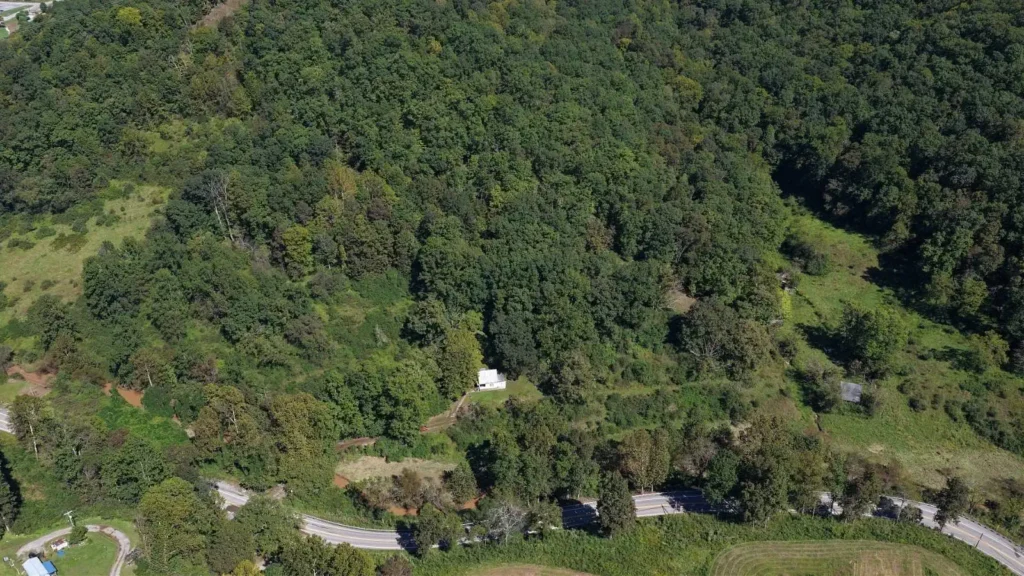
The property includes a substantial wooded hillside with oak and other hardwood species.
Wooded acreage can provide privacy, shade, wildlife habitat and opportunities for recreational trails.
The listing also describes gentler terrain and bottomland, which may offer more practical locations for certain improvements.
However, a 40-acre parcel should not be evaluated as though every acre were flat, accessible or suitable for construction.
Steeper sections may require additional grading, drainage planning or erosion control.
Before purchasing, buyers should examine topographic maps, parcel boundaries and the actual location of existing structures.
A professional site evaluation can help determine which areas may be appropriate for building, agricultural activity or recreational use.
Could the Timber Have Commercial Value?
The presence of hardwood trees may raise questions about potential timber value.
However, the listing does not include a timber inventory, estimated harvest volume or professional valuation.
Commercial timber potential depends on tree quality, accessibility, species, market conditions and applicable harvesting requirements.
Buyers should not assign an assumed timber value without consulting a qualified consulting forester.
Creek Frontage and Floodplain Considerations
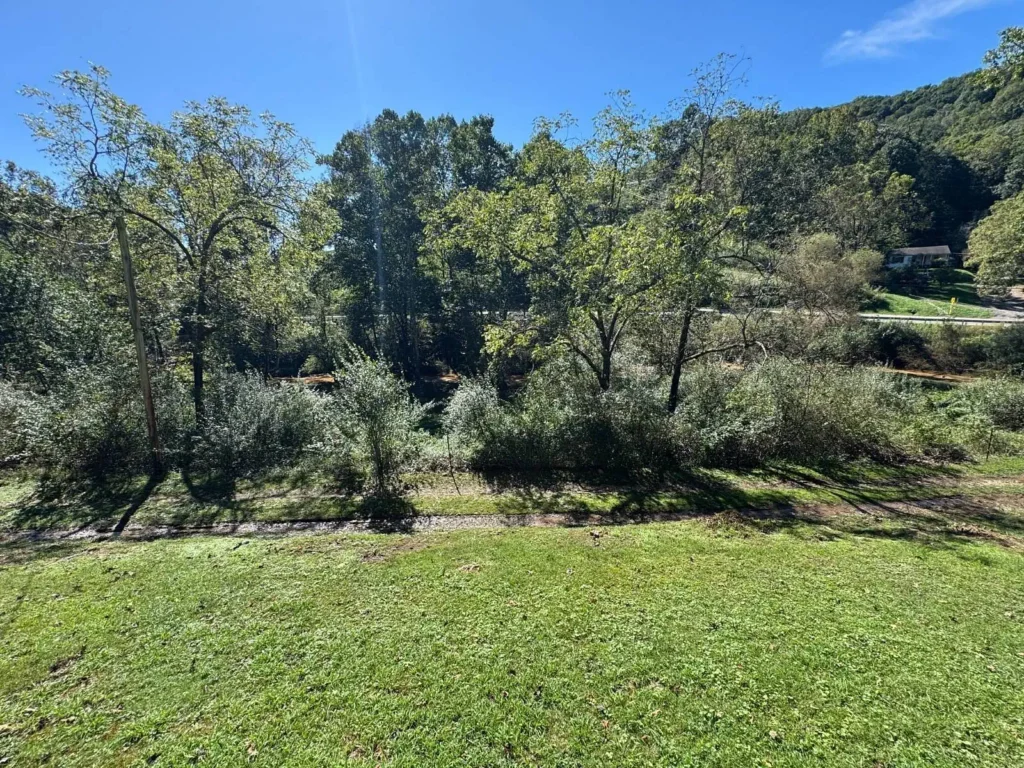
One of the property’s natural features is a creek flowing near the road.
A creek can enhance a rural setting and contribute to wildlife habitat.
However, it can also introduce drainage and flood-related considerations.
The listing indicates that building areas may exist outside the floodplain.
That statement should be independently verified.
Buyers should review available FEMA flood maps and consult local authorities before deciding where to build.
A floodplain designation can affect construction requirements, insurance costs and financing options.
The presence of a creek also makes it important to examine erosion, stream crossings and seasonal changes in water levels.
A scenic water feature can be an asset, but its potential risks should be included in the overall property assessment.
Bridge Access: A Critical Detail
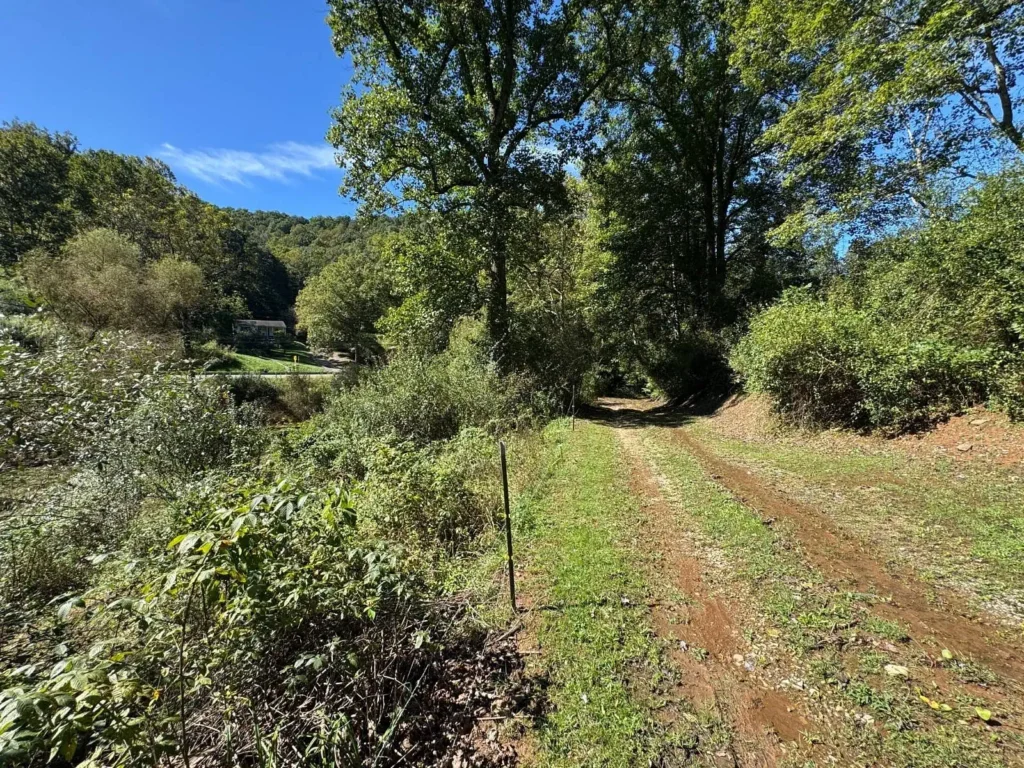
The listing reports that a bridge crosses the creek to provide access to the property.
This is a particularly important feature because access infrastructure can be expensive to replace or repair.
Before buying, prospective owners should establish whether the bridge is entirely on the property, who is responsible for maintaining it and whether it is suitable for their intended vehicles.
A professional inspection may be appropriate to evaluate its condition and load capacity.
For buyers planning construction, the ability of delivery trucks and heavy equipment to cross the bridge could become a significant consideration.
Reliable access matters not only for daily use but also for emergency services, insurance and future development.
Public Water and Sewer Availability: What Buyers Must Verify
Utility access is one of the property’s most interesting features.
According to the listing, city water, city sewer and gas are available in the area.
It also reports an existing private water well and private septic system.
However, the public water and sewer services have not been connected to a dwelling.
This distinction is important.
Available utilities are not the same as completed, active utility connections.
A buyer may still need to pay connection fees, install service lines, obtain permits or make improvements to existing infrastructure.
The private well and septic system should also be inspected and evaluated.
Important questions include whether the well provides adequate water, whether water quality testing has been completed and whether the septic system is properly permitted and functioning.
A buyer should obtain written confirmation of public utility availability and estimated connection costs from the relevant service providers.
How Much Does This Property Cost Per Acre?
At the advertised asking price of $130,000 for 40 acres, the property has an approximate price of:
$3,250 per acre.
That figure includes the existing farmhouse and other reported improvements.
It should not be interpreted as the market value of undeveloped land alone.
The price per acre may appear attractive compared with smaller residential lots, but direct comparisons can be misleading.
Rural property values depend on access, usable terrain, buildings, utilities, local demand and other factors.
For a meaningful valuation, buyers should review recent sales of similar properties in Gilmer County and surrounding areas.
A professional appraisal may also be useful, particularly when the condition of the farmhouse is uncertain.
Location: Approximately Two Miles From Glenville
The property is located near Glenville, a small community in central West Virginia.
According to the listing, downtown Glenville is approximately two miles away.
The advertised driving estimates also place the property about one hour from Clarksburg and approximately one and a half hours from Charleston and Parkersburg.
These are approximate listing estimates, and actual travel times will vary.
The relatively short distance to Glenville could be convenient for groceries, basic services and other everyday needs.
For some buyers, this balance between rural privacy and access to town may be more appealing than a highly isolated mountain parcel.
Nevertheless, prospective owners should personally evaluate the route, road conditions and proximity to the services they expect to use regularly.
Recreational Potential and Wildlife
The listing describes deer activity on the property and notes that Gilmer County supports wildlife such as turkey and black bear.
A large wooded parcel could appeal to outdoor enthusiasts interested in wildlife observation, photography, hiking or other recreational activities.
However, wildlife sightings and hunting success cannot be guaranteed.
Anyone planning to hunt should verify applicable West Virginia hunting regulations, seasons, licensing requirements and property boundaries.
The wooded landscape may also require regular maintenance to keep trails and access areas usable.
Could This Become a Homestead or Small Farm?
A rural homestead is another possible use worth exploring.
The property includes an existing farmhouse, wooded acreage and some gentler terrain.
Depending on site conditions and applicable requirements, a buyer might consider gardens, small-scale agriculture or additional outbuildings.
However, the listing’s description of no zoning or restrictions should not be treated as proof that every proposed use is legally permitted.
Buyers should independently verify land-use rules, building permits, environmental requirements, deed restrictions and any applicable county regulations.
The amount of practical agricultural land will also depend on soil conditions, sunlight, slopes, drainage and access to water.
A soil evaluation and site inspection can help establish whether the property is appropriate for a particular farming or homesteading plan.
Financing an Older Farmhouse With Acreage
Financing a rural property with a century-old farmhouse can be more complicated than financing a conventional suburban home.
Lenders often consider the condition and habitability of the primary residence, appraisal support, acreage and access.
If the farmhouse requires extensive repairs or fails to meet a lender’s property standards, certain traditional mortgage products may not be available.
Alternative financing arrangements may include specialized rural property loans, renovation loans or land-focused financing, depending on the buyer’s qualifications and the property’s condition.
Financing availability and interest rates should be confirmed directly with qualified lenders.
Buyers should also budget for closing costs, title insurance, inspections, taxes and potential repairs.
An attractive asking price does not necessarily mean the overall project will be inexpensive.
Property Taxes and Long-Term Ownership Costs
The supplied listing reports recent property taxes of approximately $500.
That is a useful historical reference, but future taxes may differ after reassessment, ownership changes or improvements.
Additional expenses could include property insurance, bridge maintenance, well and septic servicing, vegetation management and farmhouse repairs.
A buyer planning to renovate should prepare a separate budget for unexpected structural or utility problems.
For rural properties, maintaining infrastructure can represent a meaningful part of annual ownership costs.
Pros and Cons of This 40-Acre West Virginia Property
Potential Advantages
- Approximately 40 acres at an advertised price of $130,000.
- Existing farmhouse with potential for restoration, subject to inspection.
- Wooded land with hardwood trees and wildlife habitat.
- Creek and varied terrain.
- Public water and sewer reportedly available nearby.
- Private well and septic system reported on the property.
- Approximately two miles from downtown Glenville.
- Potential for recreational use, homesteading or a future rural retreat, subject to approvals.
Potential Challenges
- The 1900 farmhouse may require substantial renovation.
- Public water and sewer connections are not completed.
- The condition of the private well and septic system is unverified.
- Creek and bottomland areas may present flood risks.
- Bridge condition and maintenance responsibilities need investigation.
- Mountainous terrain may limit usable or buildable acreage.
- Financing and insurance may be more complicated than for a conventional home.
- Building and land-use permissions require independent confirmation.
Questions to Ask Before Making an Offer
Before purchasing this property, buyers should request clear answers to the following questions:
- Is the farmhouse currently habitable, and what repairs are necessary?
- What is the condition of the foundation, roof and electrical systems?
- Are the private well and septic system functional and properly documented?
- What would it cost to connect public water and sewer?
- Is the bridge structurally sound and suitable for construction vehicles?
- Which portions of the property are within a mapped floodplain?
- Are there recorded easements, deed restrictions or access limitations?
- What building and agricultural uses are legally permitted?
- Are mineral, timber and other relevant property rights included?
- What have comparable rural properties recently sold for in the surrounding area?
These questions can help buyers distinguish a promising rural opportunity from a project with unexpectedly high development expenses.
Final Thoughts: Is This $130,000 West Virginia Property Worth Considering?
At $130,000, the 40-acre property near Glenville offers an interesting combination of rural acreage, an older farmhouse, hardwood woodland and proximity to town.
The creek, varied terrain and reported utility availability add to its potential appeal.
However, this is not a property that should be evaluated solely by its acreage or asking price.
The condition of the farmhouse, cost of connecting utilities, bridge access, floodplain exposure and amount of usable land could all significantly influence its value to a particular buyer.
For someone willing to conduct thorough due diligence and potentially undertake renovation work, the property may be worth investigating.
The strongest purchasing decision will come from understanding the complete cost of ownership rather than focusing only on the advertised $130,000 price.
Original Property Listing
2208 US Highway 33E, Glenville, WV 26351
Listing brokerage: Central WV Real Estate.
Disclaimer: This article provides independent educational commentary based on supplied real estate listing information. It is not an offer to sell property, a professional appraisal, legal advice or financial advice. The author is not affiliated with the seller or listing brokerage. Property details, prices, taxes, availability and development possibilities should be independently verified with the listing agent and qualified professionals before making a purchase decision.