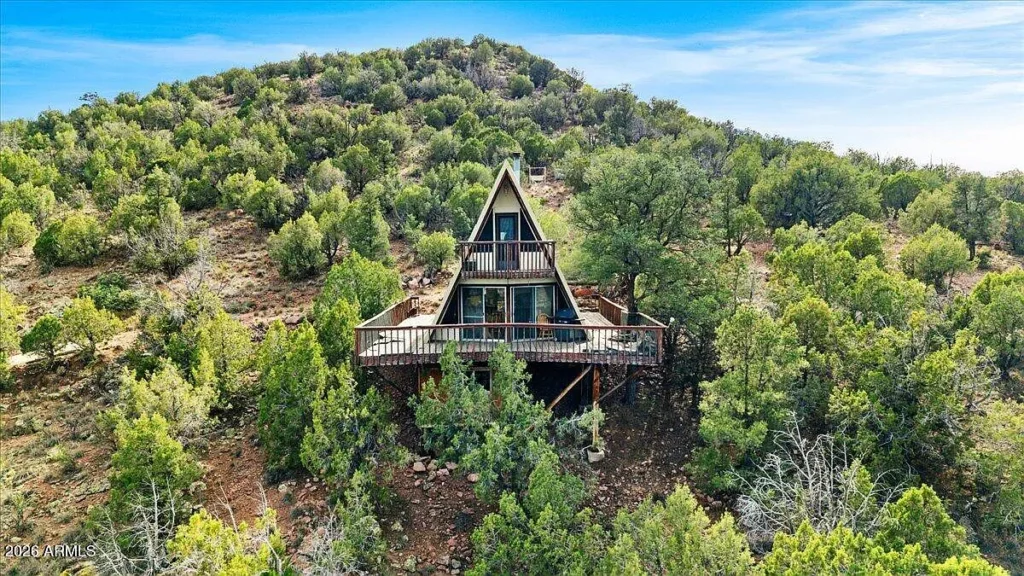
Finding 40 acres of land in Arizona with existing cabins, a solar power system and a private wooded setting for under $100,000 is an interesting prospect for buyers exploring affordable rural real estate.
One property worth examining is located at 51 Rising Rock Road, Ash Fork, Arizona 86320. Advertised for $95,000, this 40.01-acre parcel in Juniperwood Ranch includes two small cabins, an off-grid electrical setup, water storage infrastructure and a landscape of juniper and pinyon trees.
At first glance, the property may appeal to anyone searching for Arizona land for sale, a private recreational retreat or an off-grid homestead.
However, there is an important distinction between having structures already on a property and having structures that are legally approved for residential use.
The listing specifically states that the existing structures are not permitted. That makes zoning, building permits, water infrastructure and financing eligibility especially important considerations.
Here is a closer look at what this property offers, how its asking price compares on a per-acre basis and what potential buyers should investigate before making a decision.
Property Overview: 51 Rising Rock Road, Ash Fork, AZ
| Property Detail | Listing Information |
|---|---|
| Asking Price | $95,000 |
| Location | Ash Fork, Arizona 86320 |
| Land Area | 40.01 acres |
| Property Type | Land with existing cabins |
| Existing Structures | Kitchen cabin and separate sleeping cabin |
| Power | Solar system; propane listed as a utility |
| Water | Cistern and water distribution infrastructure |
| Bathroom | Shower and composting toilet reported |
| Zoning | RCU 10 Acre |
| Subdivision | Juniperwood Ranch |
| HOA | None reported |
| Annual Property Tax | $264 reported |
| Road Surface | Dirt and unimproved |
| Listing Date | August 19, 2026 |
These details are based on the supplied property listing. Price, availability, taxes, improvements and legal status should be independently verified.
What Makes This 40-Acre Arizona Property Interesting?
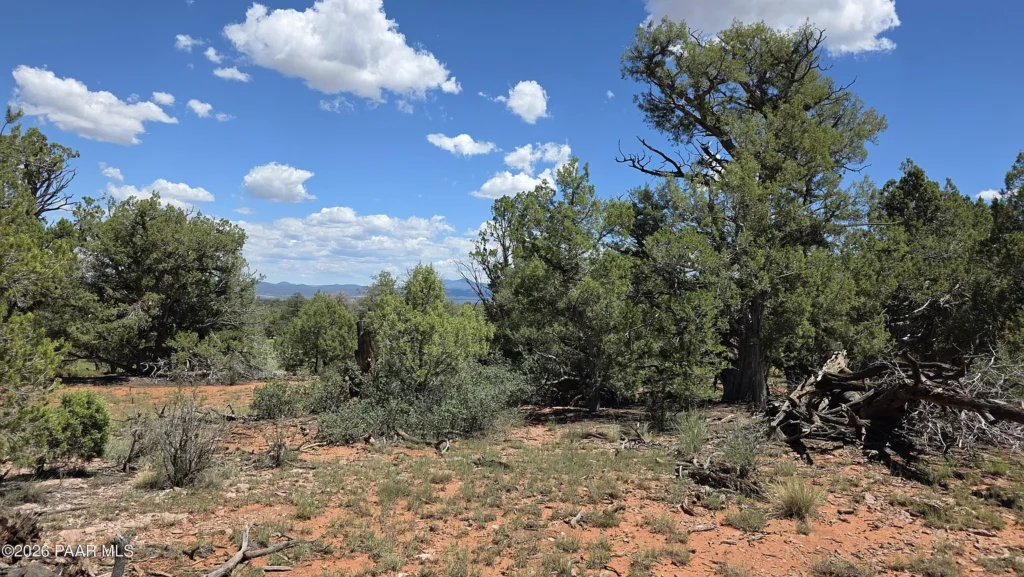
The strongest selling point is the combination of acreage, privacy and existing off-grid improvements.
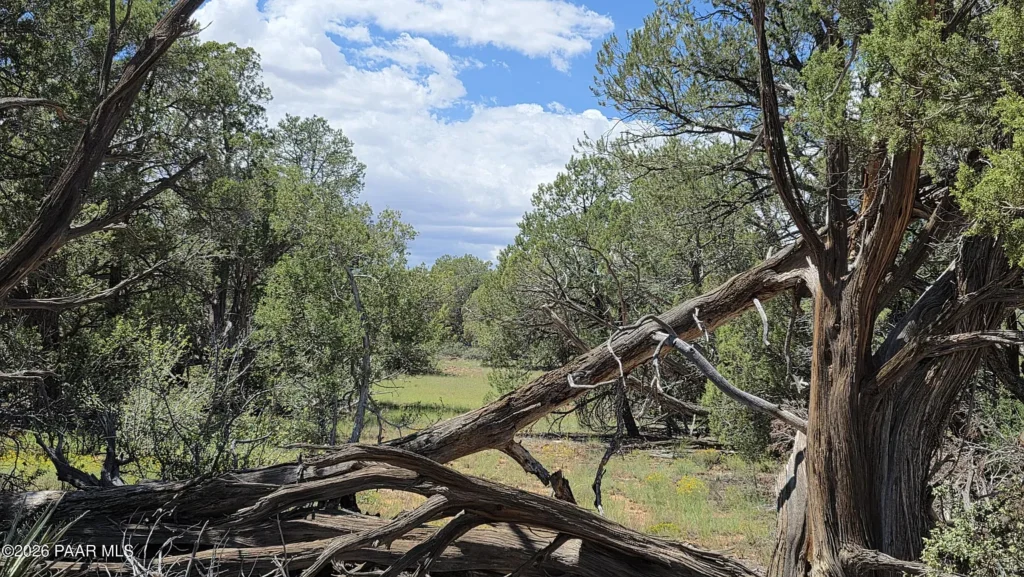
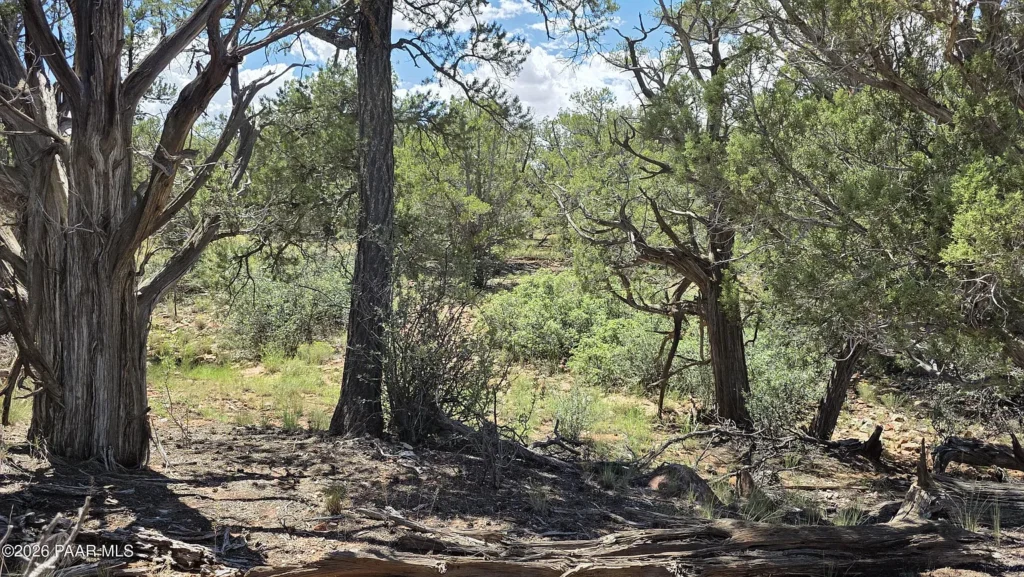
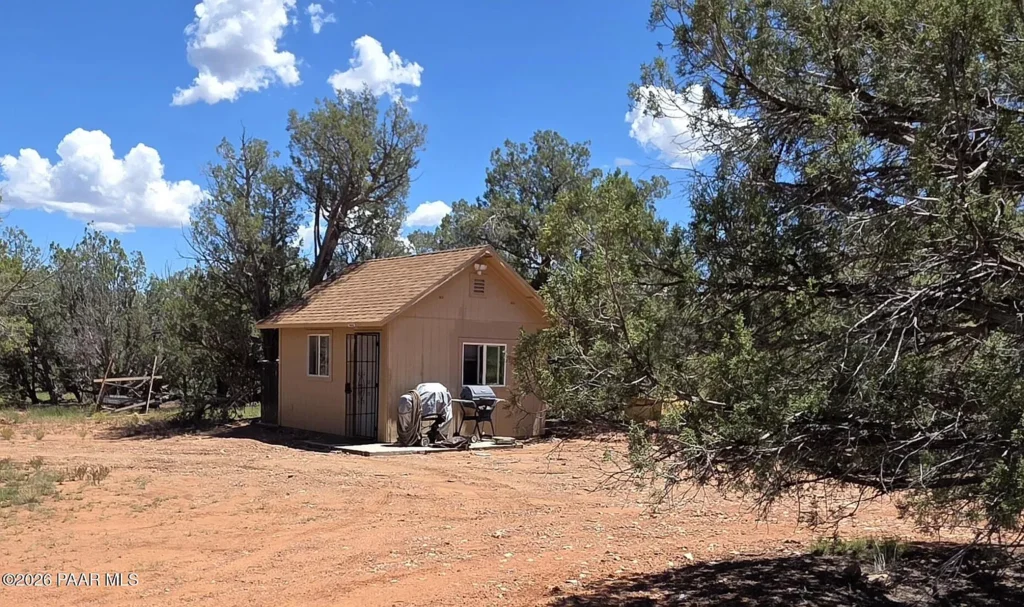
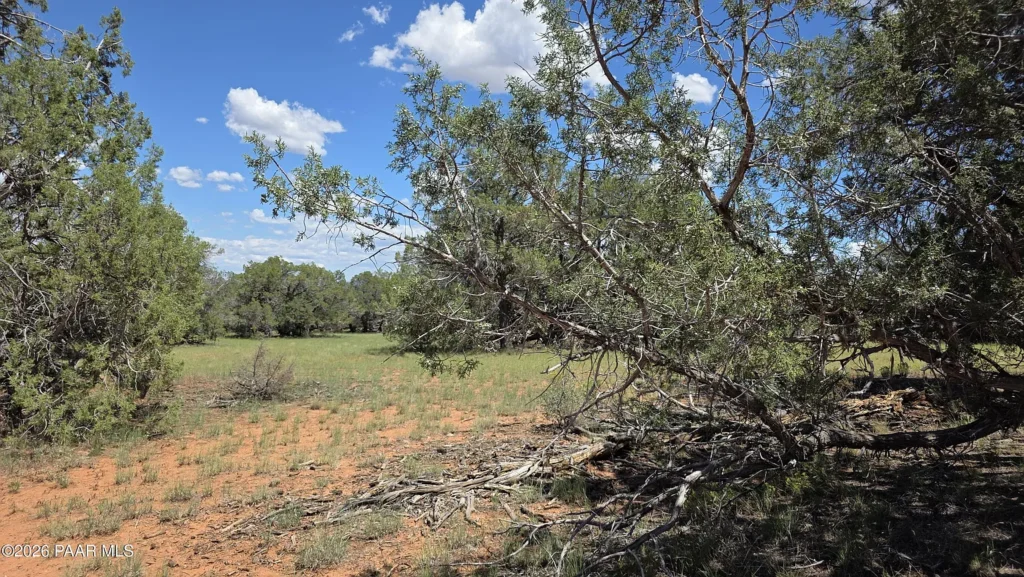
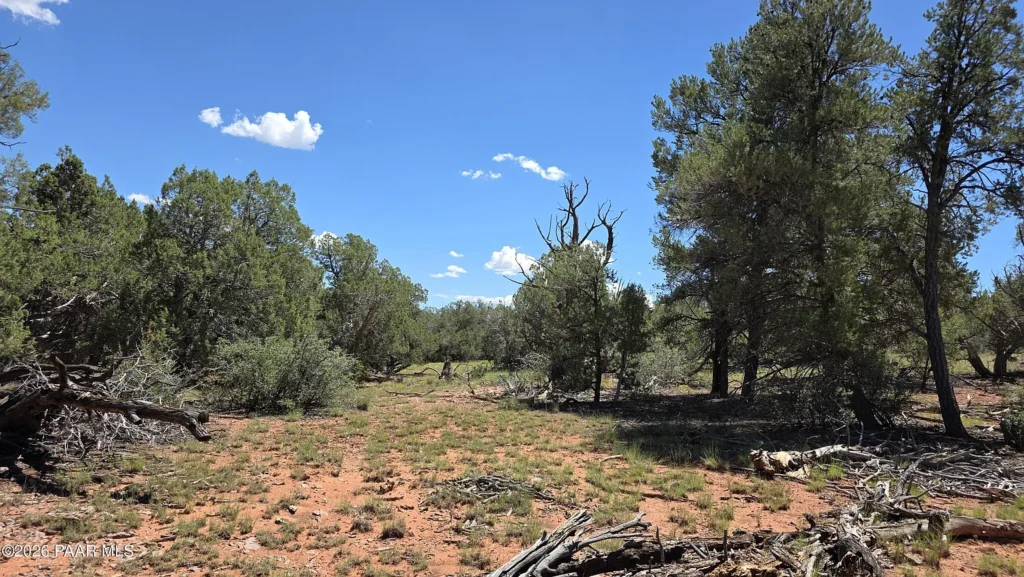
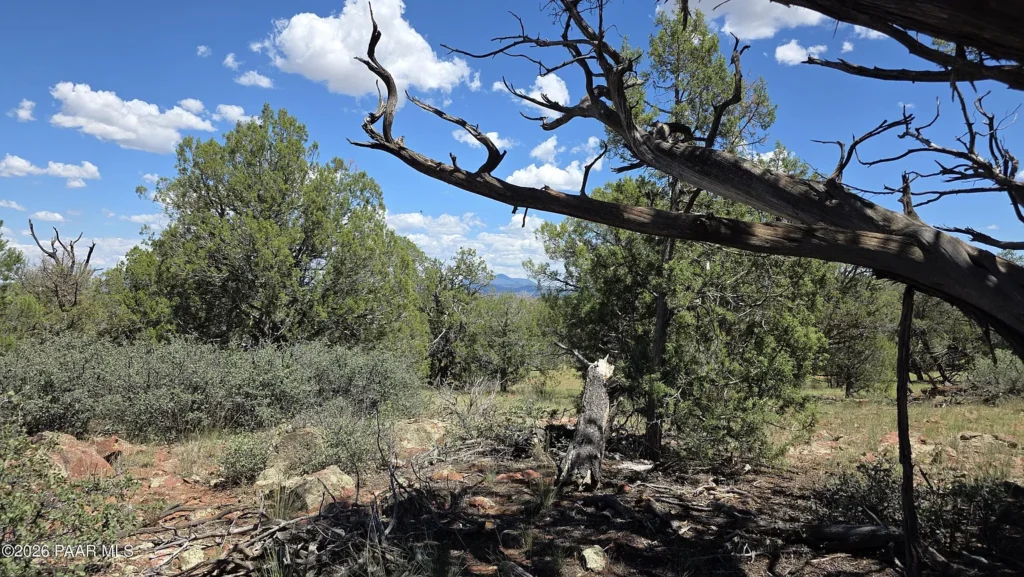
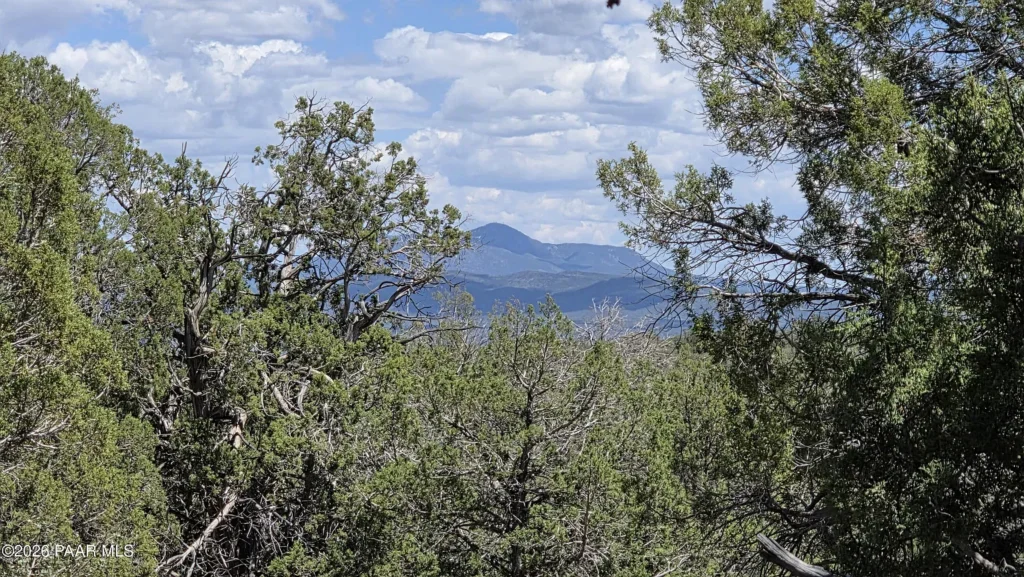
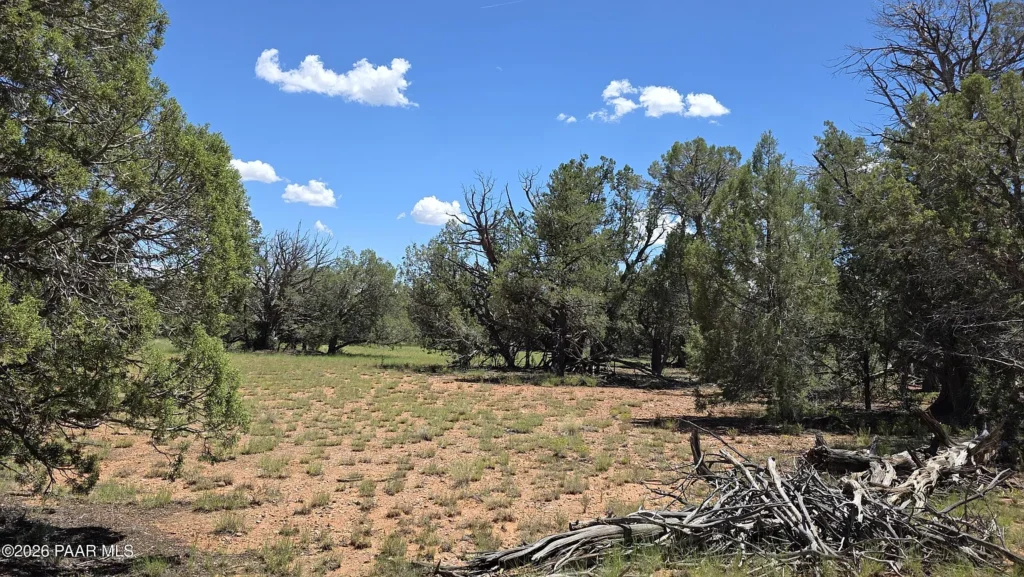
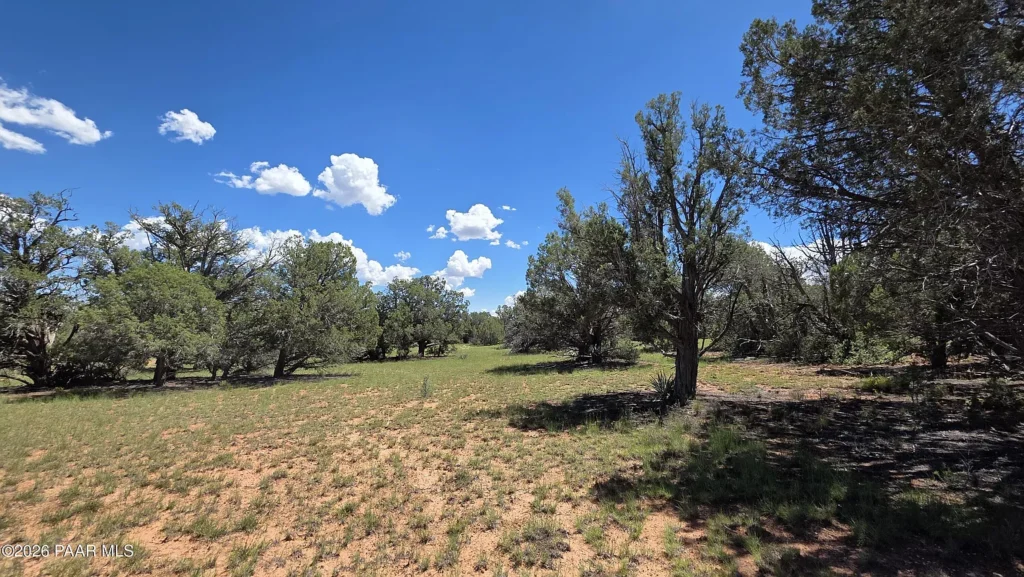
Rather than offering only undeveloped desert land, the property has a small compound surrounded by mature trees and natural clearings.
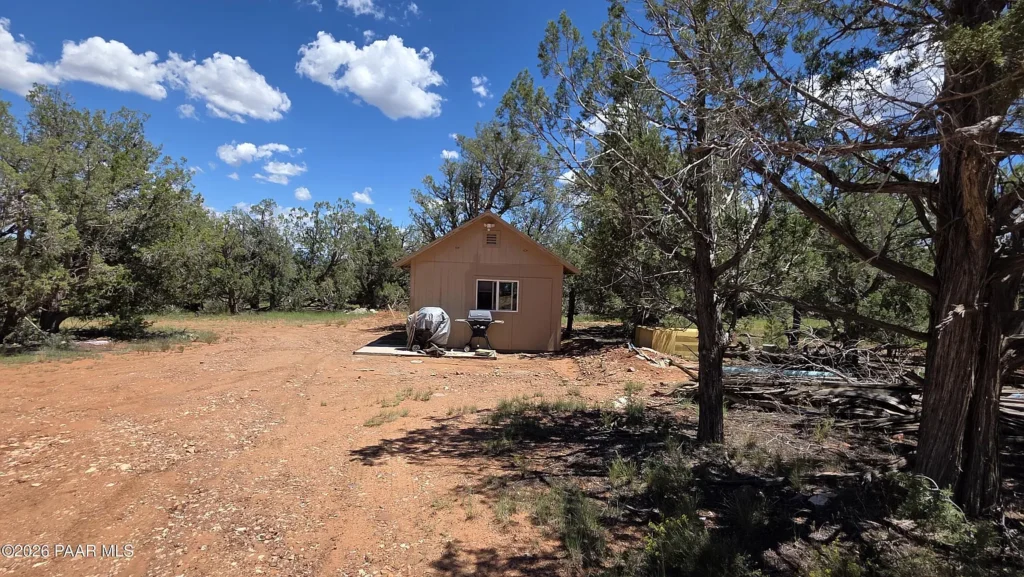
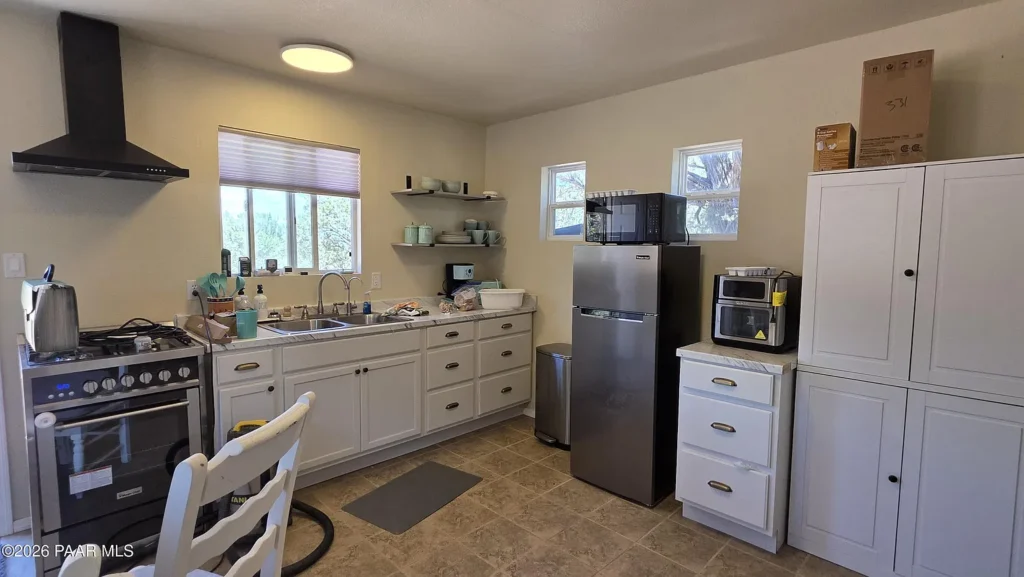
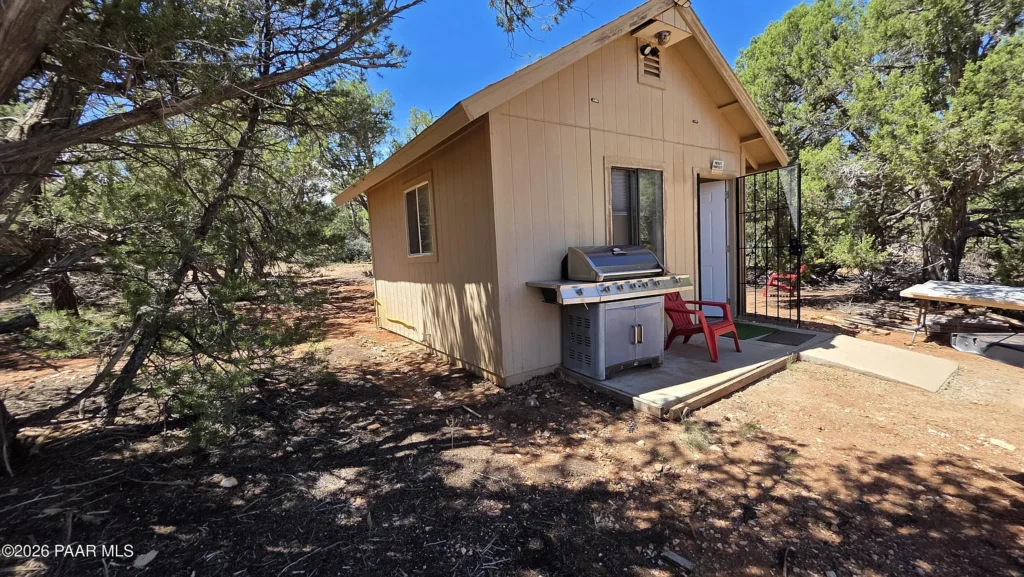
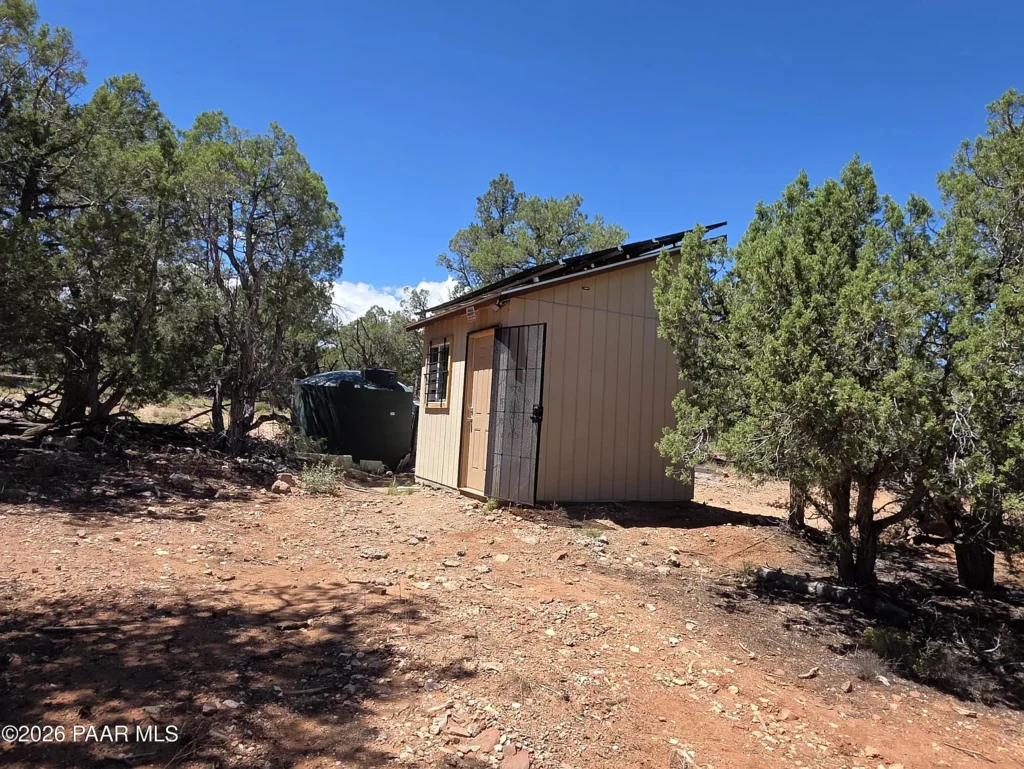
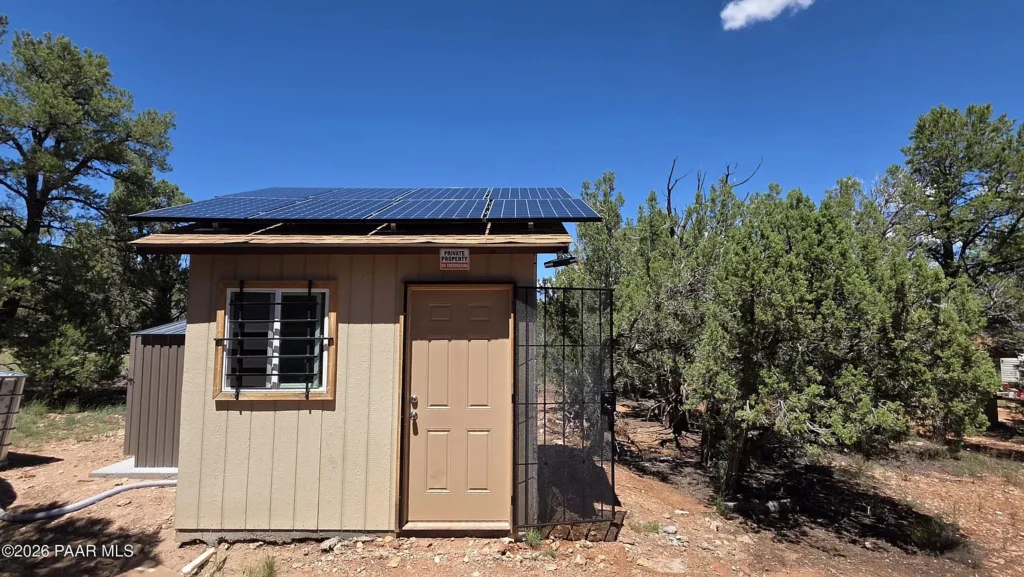
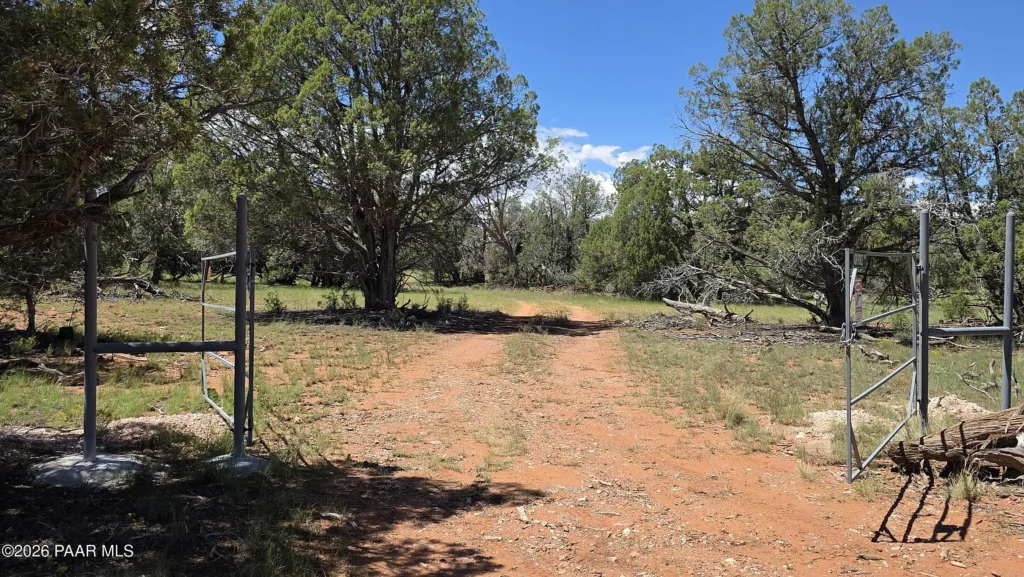
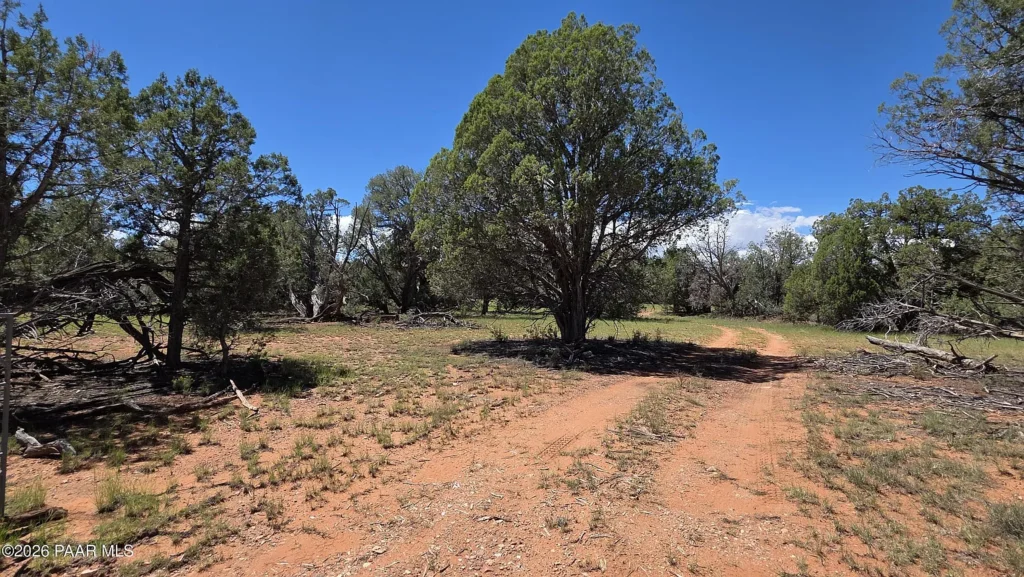
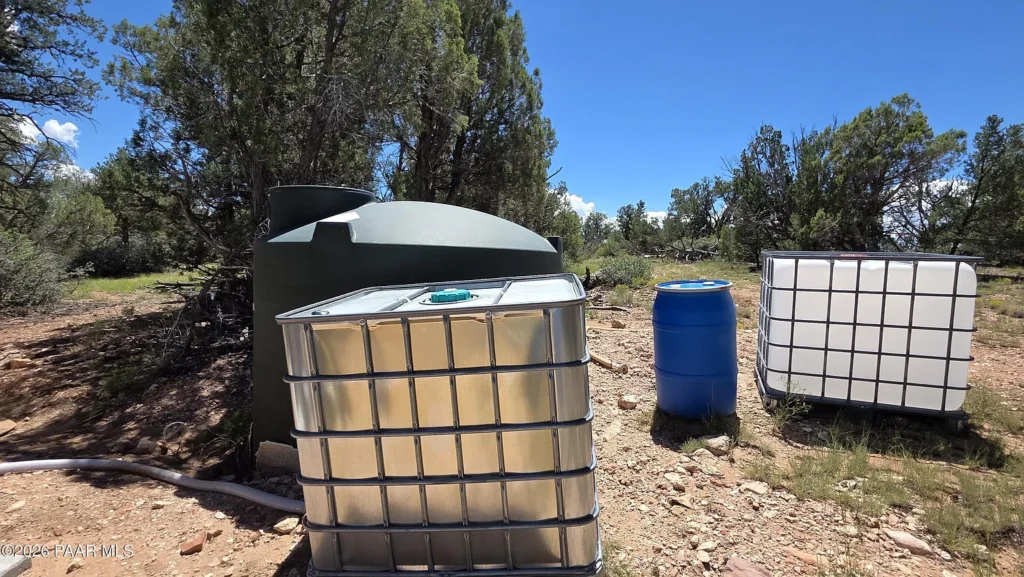
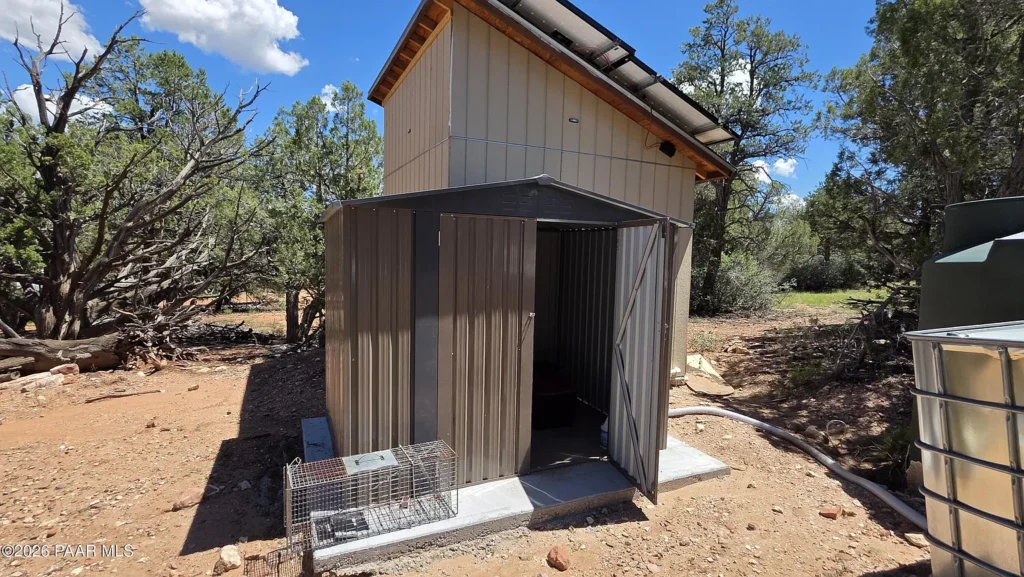
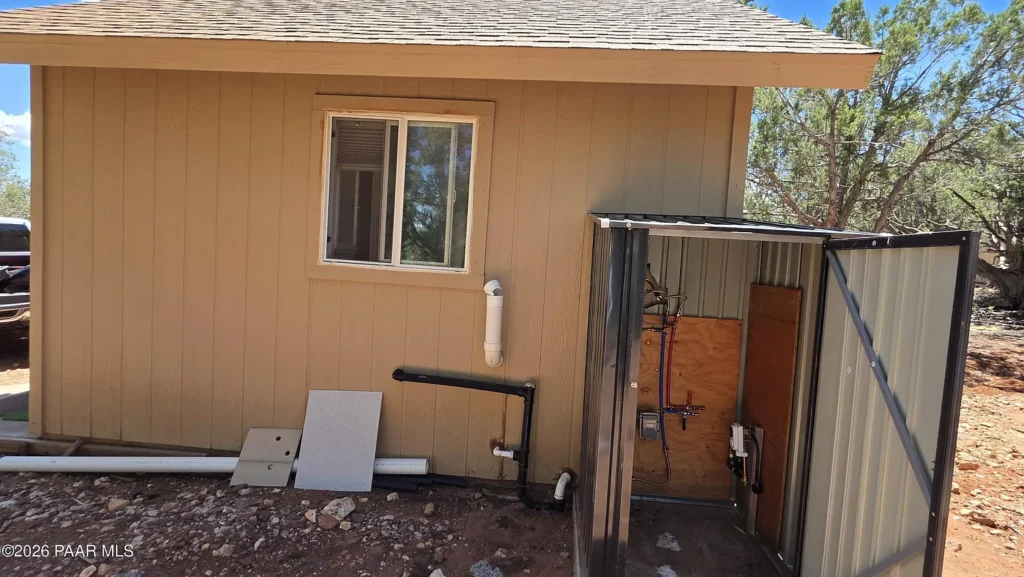
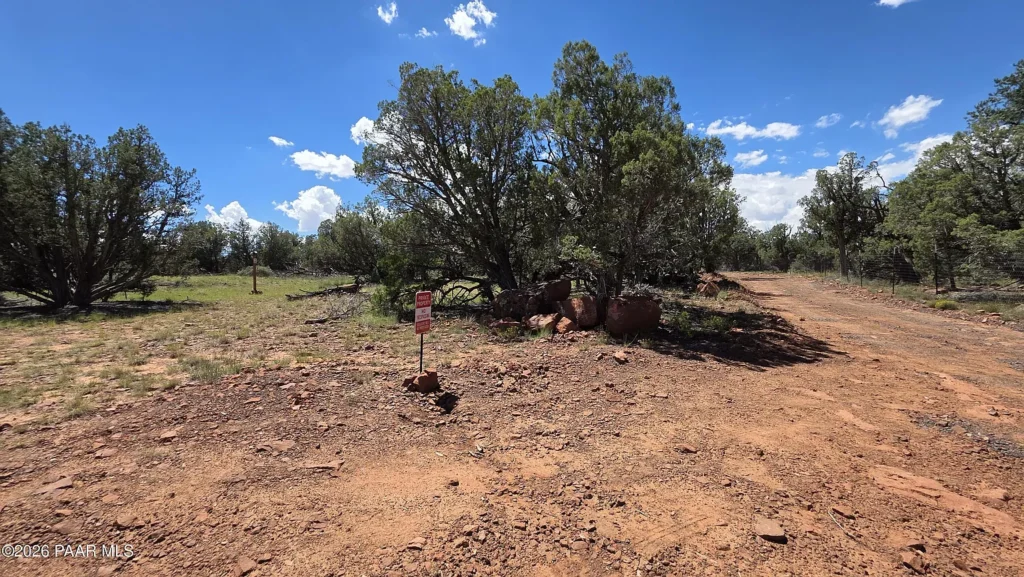
The supplied photographs show a compact cabin structure, a separate utility arrangement, solar panels, water tanks, plumbing equipment and wooded areas connected by rough dirt tracks.
There are also open spaces between the trees that may be suitable for outdoor recreation, subject to land-use restrictions.
For someone considering a rural retreat, having existing improvements could make the property more interesting than a completely vacant parcel.
However, those improvements should not automatically be assigned the same value as permitted residential construction.
Two Cabins With an Off-Grid Setup
According to the listing, the property includes a kitchen cabin and a separate sleeping cabin.
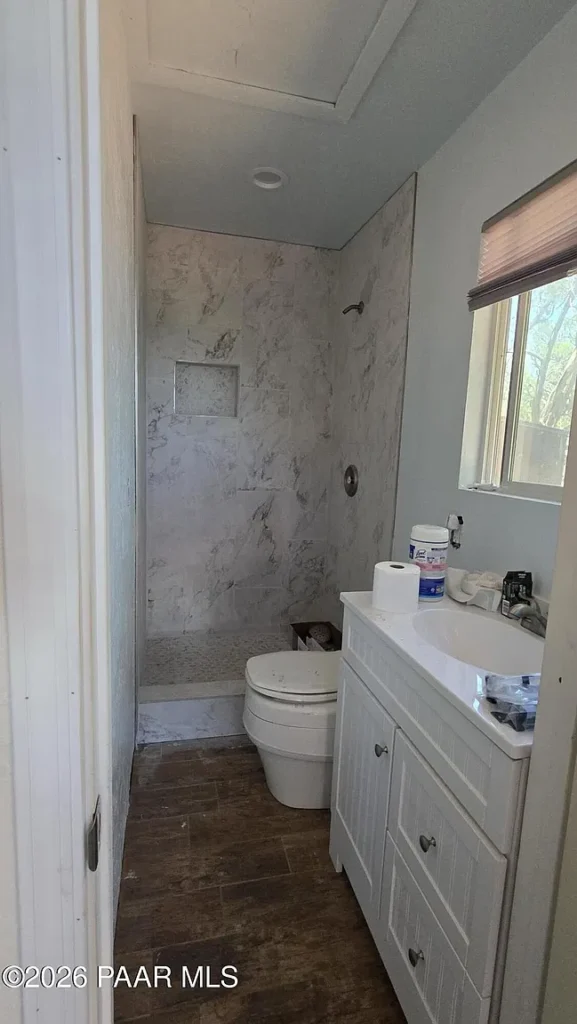
The sleeping cabin is described as having access to a modern shower and bathroom arrangement, including a composting toilet.
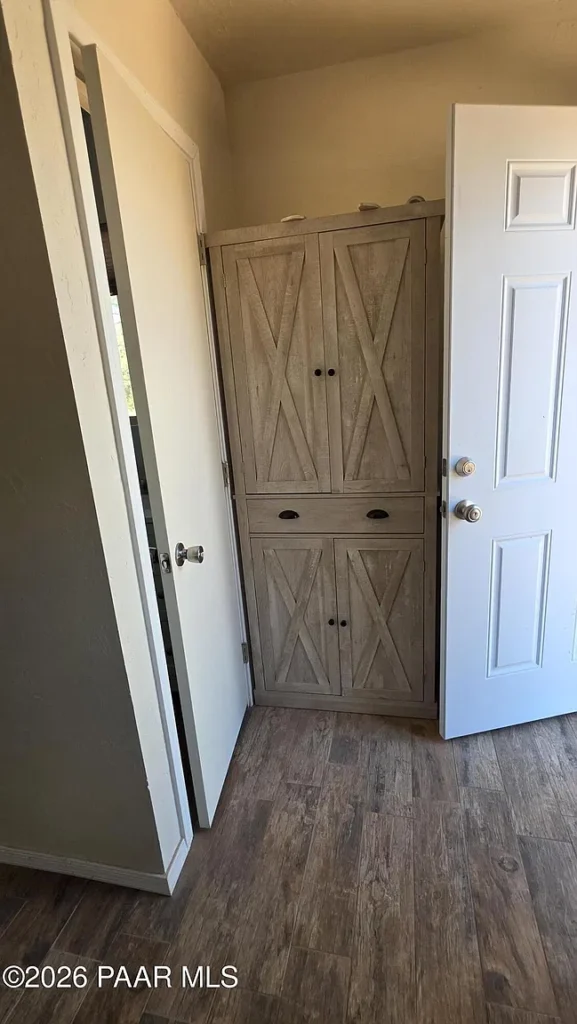
The photographs show a small finished bathroom with a shower, sink and toilet, along with an exterior cabin structure that appears relatively compact.
This arrangement may suit occasional recreational use, but prospective buyers should verify whether overnight occupancy is legally allowed and whether the cabins meet applicable building, sanitation and safety requirements.
Because the listing does not provide an official residential bedroom or bathroom count, buyers should avoid assuming this is a conventional two-bedroom home.
It is more accurately evaluated as rural acreage with unpermitted cabin improvements.
Solar Power and Water Infrastructure
One of the more notable features is the property’s off-grid utility equipment.
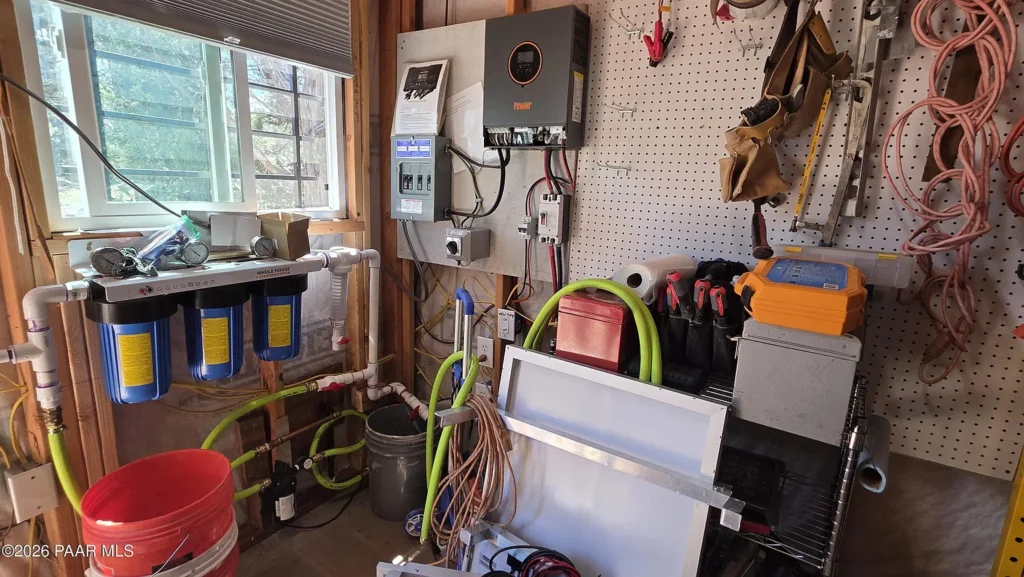
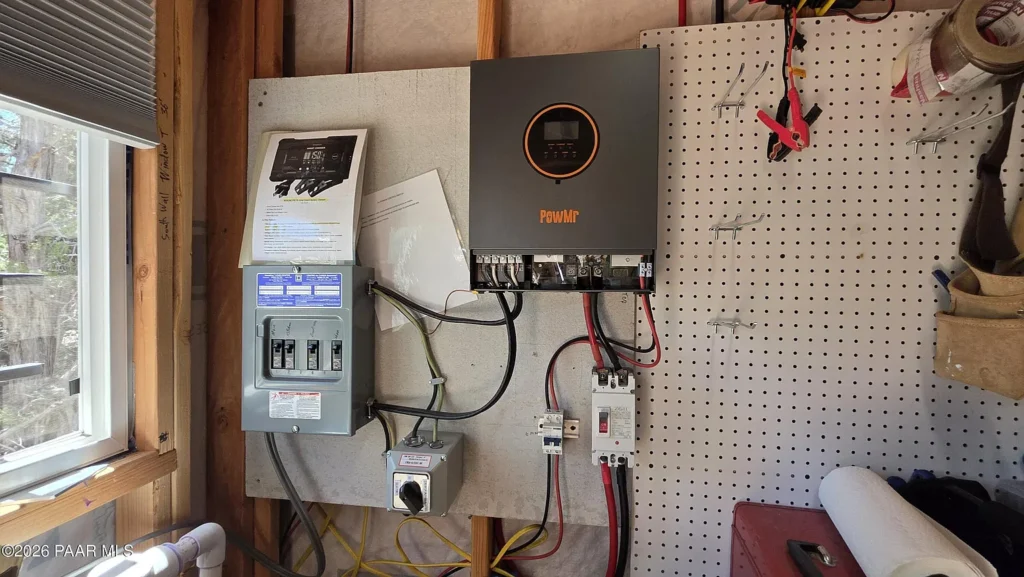
Photographs show a solar-panel array mounted above one of the buildings, electrical distribution equipment and an inverter. The listing also describes a clean and efficient solar system.
For a buyer exploring off-grid living in Arizona, solar power can be attractive because extending conventional utility service to remote land may be expensive.
Still, the presence of solar panels does not establish the system’s generating capacity, battery storage, age, installation quality or ability to support year-round residential use.
A qualified solar or electrical professional should inspect the equipment and confirm whether the installation complies with applicable requirements.
What About Water?
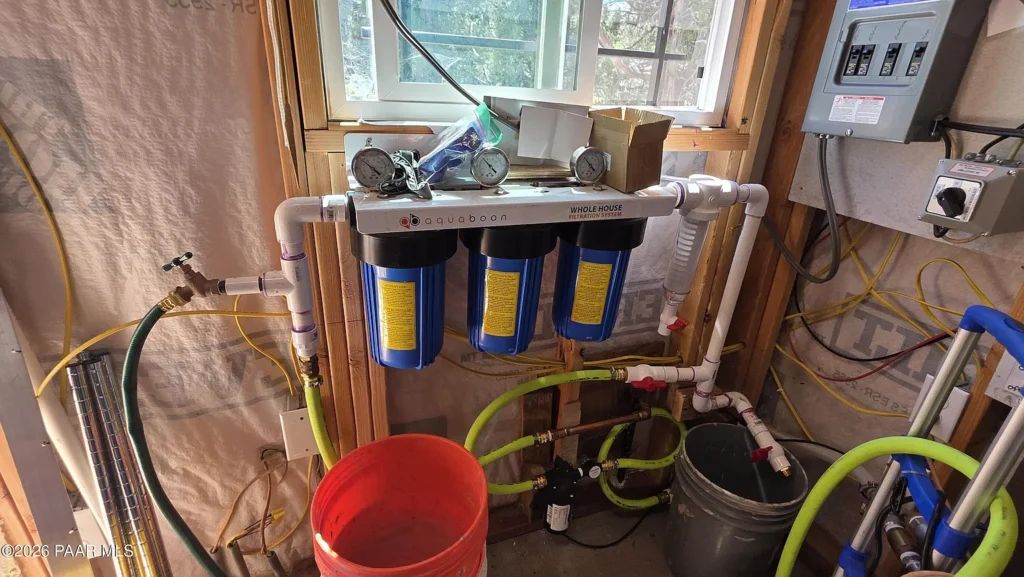
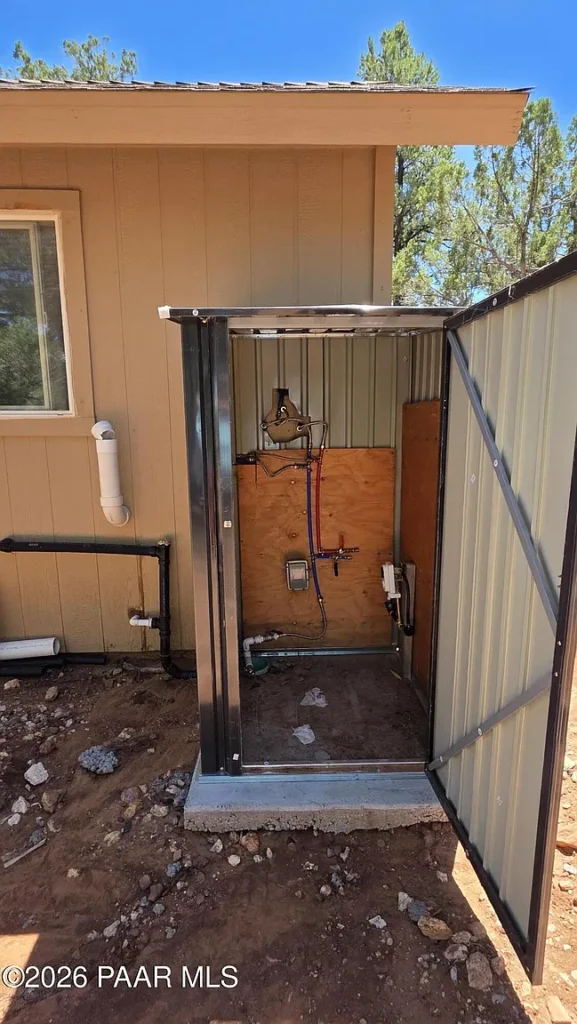
The property is reported to use a cistern-based water system, with water plumbed to each building.
The supplied photographs show several storage containers and a whole-house filtration unit.
These are useful existing features, but they raise several practical questions:
- Where does the water originally come from?
- Is water delivered by truck or collected from another source?
- What is the usable storage capacity?
- Has the water been tested for drinking safety?
- Is the plumbing protected against freezing temperatures?
- Are the water and wastewater arrangements legally compliant?
The listing does not establish that the property has a private well or municipal water service.
Water delivery, filtration replacement, pump maintenance and storage capacity could all affect the long-term cost of ownership.
Is $95,000 a Competitive Price for 40 Acres in Arizona?
At the advertised price, the land works out to approximately:
$95,000 ÷ 40.01 acres = $2,374 per acre.
This calculation is useful as an initial comparison point for buyers researching inexpensive acreage in Arizona.
However, price per acre alone cannot establish whether a parcel is undervalued.
Comparable land sales should be evaluated according to road access, terrain, zoning, legal buildability, utility availability, distance to services and the quality of the surrounding location.
A nearby 40-acre parcel with legal road access and approved residential improvements may have a very different market value from one with unpermitted structures and no conventional utilities.
Buyers should also consider whether the existing cabins add usable value or potentially create additional permitting and removal expenses.
The Biggest Concern: The Cabins Are Not Permitted
This is the most important due-diligence issue associated with the property.
The listing explicitly states that the structures are not permitted.
That does not necessarily mean they must be removed, but it does mean buyers should not assume the cabins are approved for occupancy, insurable as residences or eligible for conventional mortgage financing.
Before purchasing, a buyer should contact the relevant county planning and building departments to determine:
- Whether the existing structures can legally remain.
- Whether they can be permitted retroactively.
- Whether residential occupancy is allowed.
- Whether inspections or modifications would be required.
- Whether there are outstanding code-enforcement issues.
- What permits would be necessary for future construction.
The property is advertised with RCU 10 Acre zoning, but the zoning designation alone does not establish permission for every proposed use.
Anyone planning to build a larger house, add another cabin, subdivide the land or operate a short-term rental should obtain written confirmation of the applicable rules.
This is especially important when considering a property for permanent off-grid living rather than occasional recreational use.
Access and Remote Living Considerations
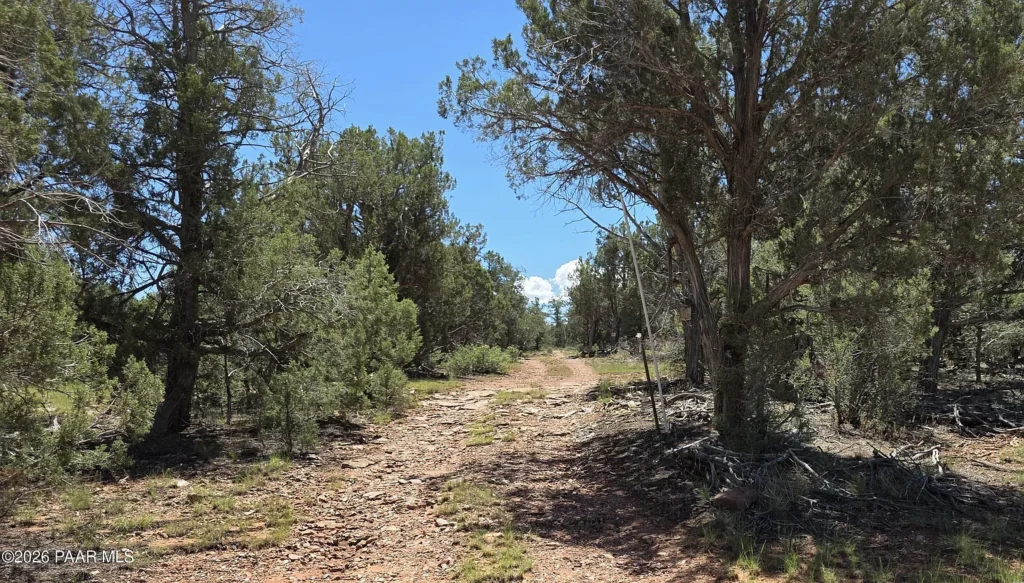
The listing identifies the road surface as dirt and unimproved.
Photographs also show rocky tracks and natural terrain with a mix of level and rolling ground.
That environment may provide the isolation some rural land buyers want, but it can also make daily travel more complicated.
Potential buyers should verify legal and recorded access, road-maintenance responsibility and whether an ordinary passenger vehicle can reach the property throughout the year.
Rain, mud, snow and seasonal weather may affect access.
Distance to emergency services, grocery stores, fuel stations and medical facilities also matters when evaluating remote Arizona property.
A beautiful rural setting can become considerably less practical if basic supplies require frequent long-distance travel.
Potential Uses for the Property
The acreage may interest several types of buyers, although every proposed use must be checked against local regulations.
Recreational retreat: The wooded surroundings, open clearings and existing structures may appeal to someone looking for occasional time away from urban areas.
Off-grid homestead project: The solar and water systems provide a starting point for evaluating an independent rural lifestyle. However, the cabins’ legal status and infrastructure limitations would need to be resolved.
Long-term land ownership: A buyer may be more interested in the 40 acres themselves than the existing structures. In that case, land characteristics, legal access and future building rights become especially important.
Future residential construction: The acreage may provide space for a different development plan, but a buyer should first verify zoning, permits, water supply, wastewater requirements and suitable building locations.
None of these potential uses should be treated as automatically approved.
Property Taxes, Financing and Ownership Costs
The listing reports annual property taxes of approximately $264.
That is equivalent to around $22 per month, based on the reported annual figure.
However, the actual tax bill could change following a sale, reassessment, improvements or a change in property classification.
Prospective buyers should confirm the latest tax assessment with the county assessor.
Financing is another important consideration.
Because this is advertised as land with unpermitted structures rather than a conventional residence, a standard residential mortgage may not be available.
Some buyers may investigate vacant-land loans, rural land financing, seller financing or cash purchases.
Land loans often have different down-payment requirements, interest rates and underwriting standards from traditional home mortgages.
The estimated monthly payment shown on a listing website should not be interpreted as a guaranteed financing offer.
Beyond the purchase price, ownership costs may include title insurance, closing expenses, property insurance, road maintenance, water delivery, solar repairs, sanitation improvements and any required permitting work.
Advantages and Trade-Offs
| Potential Advantages | Important Trade-Offs |
|---|---|
| Approximately 40 acres for $95,000 | Existing structures are unpermitted |
| Two cabin structures already on site | Conventional mortgage financing may be difficult |
| Solar equipment and water storage | Utility capacity and condition require inspection |
| Mature trees and natural clearings | Dirt and unimproved road access |
| No HOA reported | Remote property maintenance responsibilities |
| Low reported annual property tax | Legal occupancy and future development need verification |
The property offers a compelling setting for the right buyer, but the restrictions and operating costs deserve as much attention as the acreage.
What Should Buyers Verify Before Making an Offer?
A careful buyer should review the property’s title, survey and legal access documents, along with county zoning and building records.
An independent inspection of the cabins, foundations, electrical system, solar equipment, plumbing and sanitation arrangements would also be sensible.
Water testing and confirmation of the cistern supply should be priorities.
Buyers should request details about what equipment and personal property are included in the sale, particularly the solar components, batteries, tanks, appliances and security equipment.
Finally, they should compare recent sales of similar acreage in the Ash Fork area rather than relying solely on the asking price or online estimates.
Final Thoughts: Is This 40-Acre Arizona Property Worth Considering?
At $95,000 for 40.01 acres, this Ash Fork property offers an interesting combination of rural land, wooded scenery, existing cabins and off-grid equipment.
Its approximate asking price of $2,374 per acre may attract buyers researching affordable Arizona acreage, especially those who value privacy and recreational opportunities.
But the property’s appeal depends heavily on what the buyer intends to do with it.
For someone expecting a fully permitted, mortgage-ready home, the listing presents significant unanswered questions.
For a buyer comfortable with rural land due diligence, specialized inspections and the possibility of additional improvement costs, it may be worth investigating further.
The key is to evaluate the land and the legality of its improvements separately before deciding whether the asking price represents good value.
Original Property Listing
View the property details, listing photographs, availability and agent information on Zillow:
51 Rising Rock Rd, Ash Fork, AZ 86320 — Zillow
Disclaimer: This article is provided for educational and informational purposes only. It is not a real estate advertisement, investment recommendation, legal opinion or financing offer. The author is not representing the seller. Listing information may change without notice. Buyers should independently verify all facts and consult qualified real estate, legal, building and financial professionals before making a purchase decision.