Finding substantial acreage under $150,000 with complete timber and mineral rights intact is a rare discovery in modern real estate. Located along Charleston Road near Spencer, West Virginia, 1640 Charleston Rd offers 91 acres of unimproved farmland and timberland listed at $149,900. Held by a single family for over a century, this Roane County property presents an intriguing combination of raw natural resources, historical agricultural footprint, water features, and absolute ownership flexibility.
However, unimproved land carries distinct responsibilities and upfront planning requirements that differ significantly from move-in-ready residential homes or utility-serviced parcels. Buying raw acreage requires a clear understanding of access rights, utility extension expenses, site preparation, and resource management. This article provides an objective, deep-dive analysis of 1640 Charleston Rd, evaluating its price per acre, timber and mineral rights, infrastructure realities, buyer profiles, development costs, and essential due diligence steps.
Property Overview and Core Specifications
Before examining the financial and practical nuances of this listing, establishing the foundational property facts provides clear context for evaluation.
- Property Address: 1640 Charleston Rd, Spencer, West Virginia 25276
- Listing Price: $149,900
- Land Size: 91 Acres (3,963,960 square feet)
- Property Type: Unimproved Farmland / Wooded Acreage
- Price Per Acre: Approximately $1,647 per acre
- Annual Property Taxes: $898 per year
- Conveyed Rights: 100% Timber Rights and 100% Mineral Rights convey with the sale
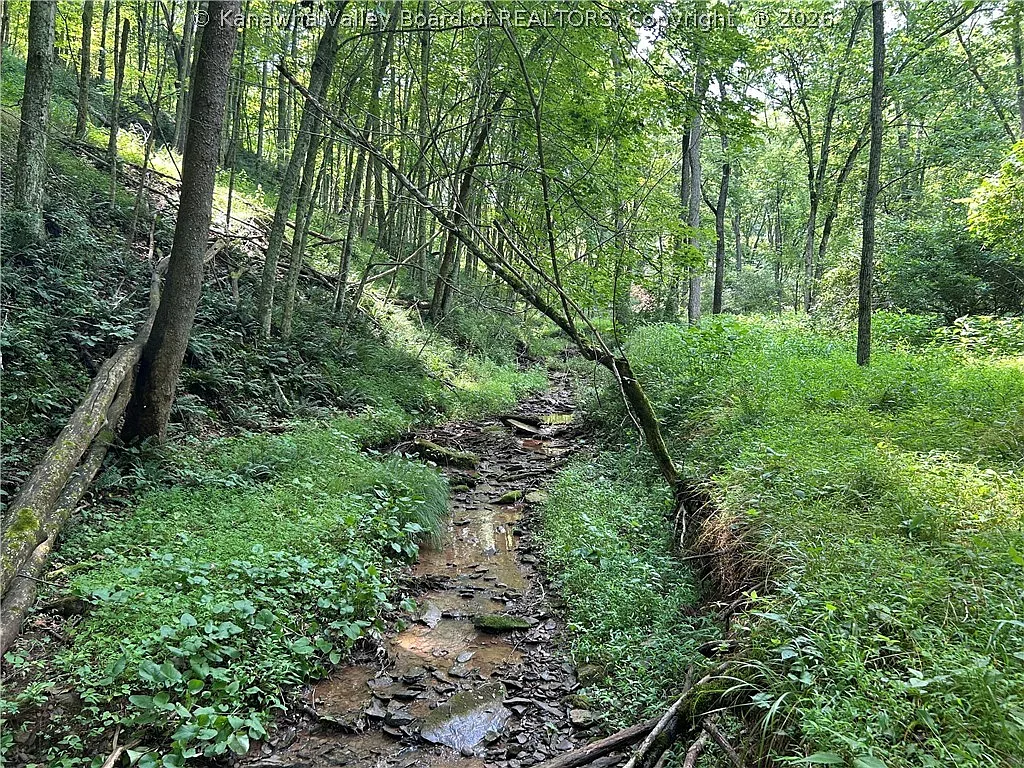
- Natural Features: Creek/Stream running through the property, mixed timber, pasture potential
- Access: Deeded Right-of-Way (ROW) from the public road to the property line
- Road Surface Type: Dirt and Gravel access
- Existing Utilities: None active (No electrical connection, water well, public water, sewer, or natural gas on site)
- Historic Features: Former homestead site with a flat building envelope, historic hand-dug well (condition unknown), and collapsed legacy barns
- Days on Market: Listed July 7, 2026 (~43 cumulative days on market)
Analyzing the $149,900 Asking Price ($1,647 per Acre)
When evaluating raw, unimproved land, standard suburban metrics like price per square foot do not apply. Instead, real estate analysts evaluate land based on price per acre, accessibility, usability, and bundled rights.
At an asking price of $149,900 for 91 acres, the baseline calculation yields:
- $149,900 ÷ 91 acres = $1,647.25 per acre
Paying roughly $1,647 per acre for mid-Appalachian land is an exceptionally competitive baseline price point. In many rural markets across the Eastern United States, contiguous tracts of land over 50 acres frequently trade between $2,500 and $5,000 per acre depending on road access and timber value.
However, evaluating land value requires looking beyond the raw acreage figure. A low per-acre cost usually reflects one of two scenarios: either the land is heavily restricted by steep topography and lack of access, or it is raw land requiring private capital investment to bring in utilities and site improvements. In the case of 1640 Charleston Rd, the $1,647 per acre price reflects an unimproved canvas one that lacks active utilities but includes full mineral rights, standing timber value, natural water, and deeded access.
Evaluating the 91-Acre Footprint: Topography, Agriculture, and Water Features
91 acres represents a significant geographical footprint. To put 3.96 million square feet into perspective, 91 acres is roughly equivalent to 69 standard football fields. Owning a tract of this magnitude in Roane County offers diverse land use possibilities, provided the buyer understands the natural terrain.
Century-Old Agricultural Legacy
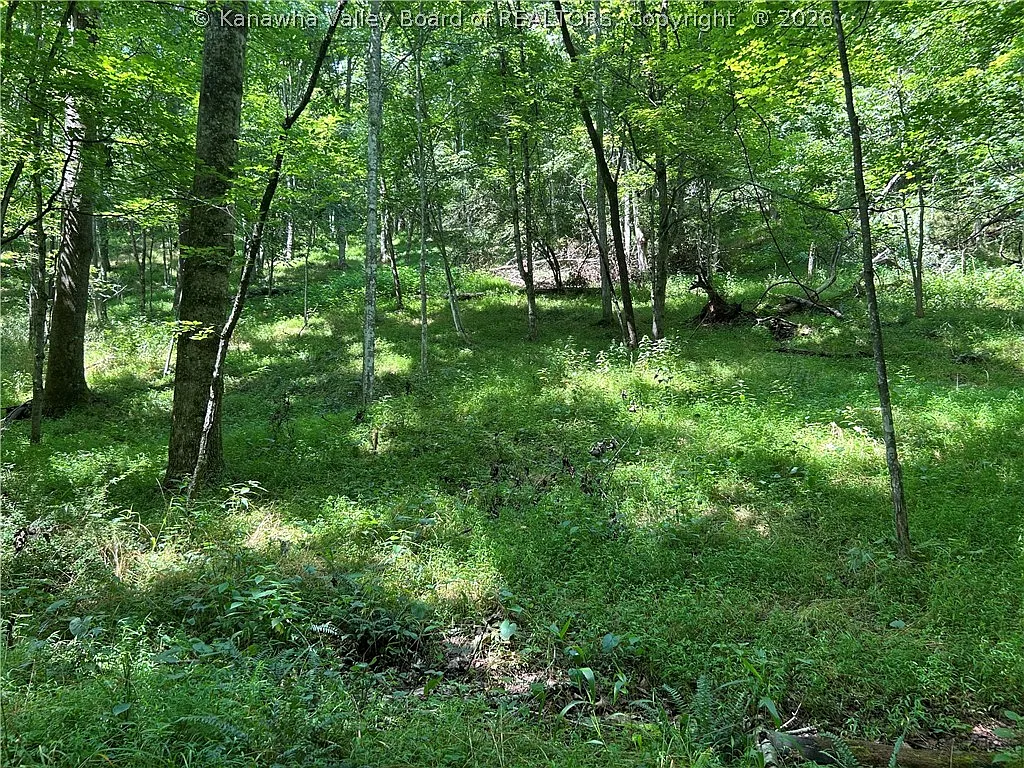
The listing notes that this land was actively held and farmed by the same family for more than 100 years. Century-old family farms in West Virginia typically feature a combination of flat or gently rolling bottomland historically prioritized for home sites, gardens, and livestock pastures surrounding steeper, timbered ridges used for logging and hunting. The existence of a historic homestead footprint indicates that a portion of the 91 acres has already proven suitable for human settlement and agricultural activity.
Water Features: Creek and Stream Integration
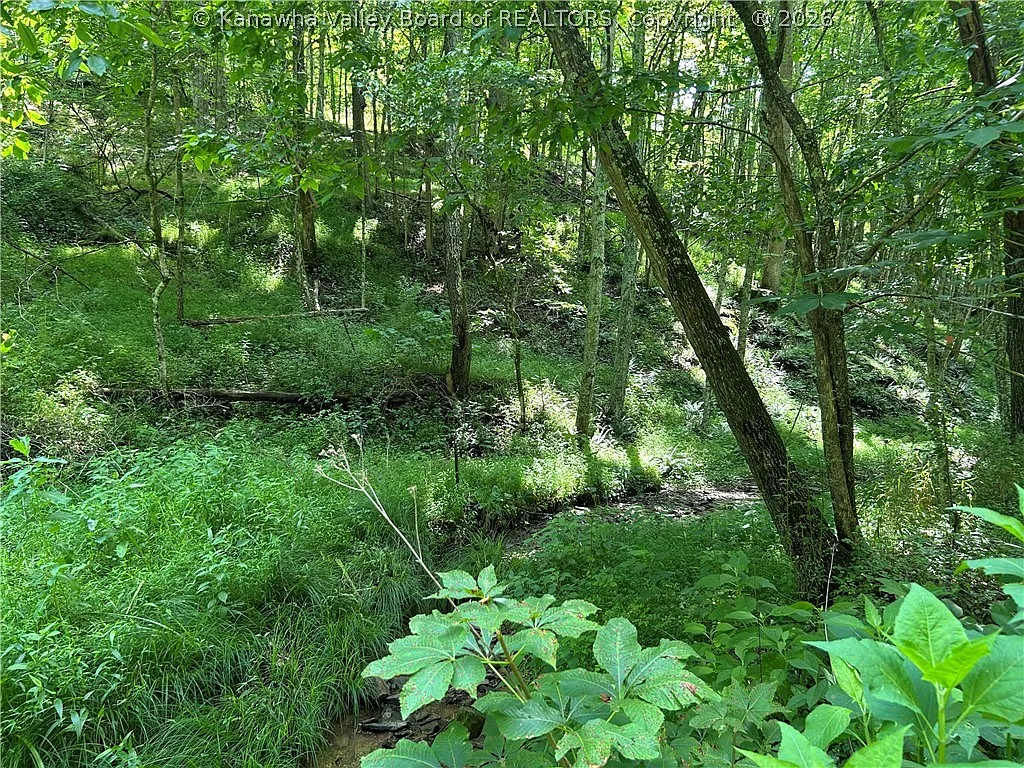
1640 Charleston Rd features a natural creek and stream system running through the parcel. Natural water access adds substantial intrinsic value to rural acreage:
- Wildlife Attraction: A reliable freshwater source creates a thriving habitat for local game, including white-tailed deer, wild turkey, and small game, making the property an exceptional candidate for private hunting or wildlife conservation.
- Agricultural Utility: A creek provides natural watering access for livestock, horses, or homesteading operations without relying exclusively on well water or municipal supply.
- Aesthetic and Recreational Enjoyment: Streams and creeks enhance the natural beauty of the property, providing private spots for fishing, relaxing, or creating natural water features.
Buyers should note that land surrounding creeks and streams requires careful inspection regarding flood zones. Identifying which portions of the flat bottomland fall within designated 100-year floodplains is essential when selecting a permanent building envelope.
The Unsevered Timber Rights and Mineral Rights Value Proposition
One of the most valuable aspects of 1640 Charleston Rd is that all timber and mineral rights convey with the sale. In West Virginia and across the broader Appalachian Basin, mineral rights (oil, natural gas, coal, aggregates) and timber rights were frequently “severed” or sold off by previous owners over the past century. Finding a 91-acre property where 100% of the subsurface and timber rights remain attached to the surface title is increasingly rare.
Understanding Mineral Rights
When mineral rights convey, the land buyer owns everything from the surface down to the center of the earth. This provides two critical protections:
- Absolute Control: Third-party energy or mining companies cannot enter your property, build access roads, or set up extraction equipment without your explicit permission or prior lease agreements.
- Potential Future Income: If natural gas, oil, or mineral extraction opportunities arise in Roane County, the surface owner receives any lease payments or royalty income generated from the subsurface resources.
Understanding Timber Rights and Standing Value
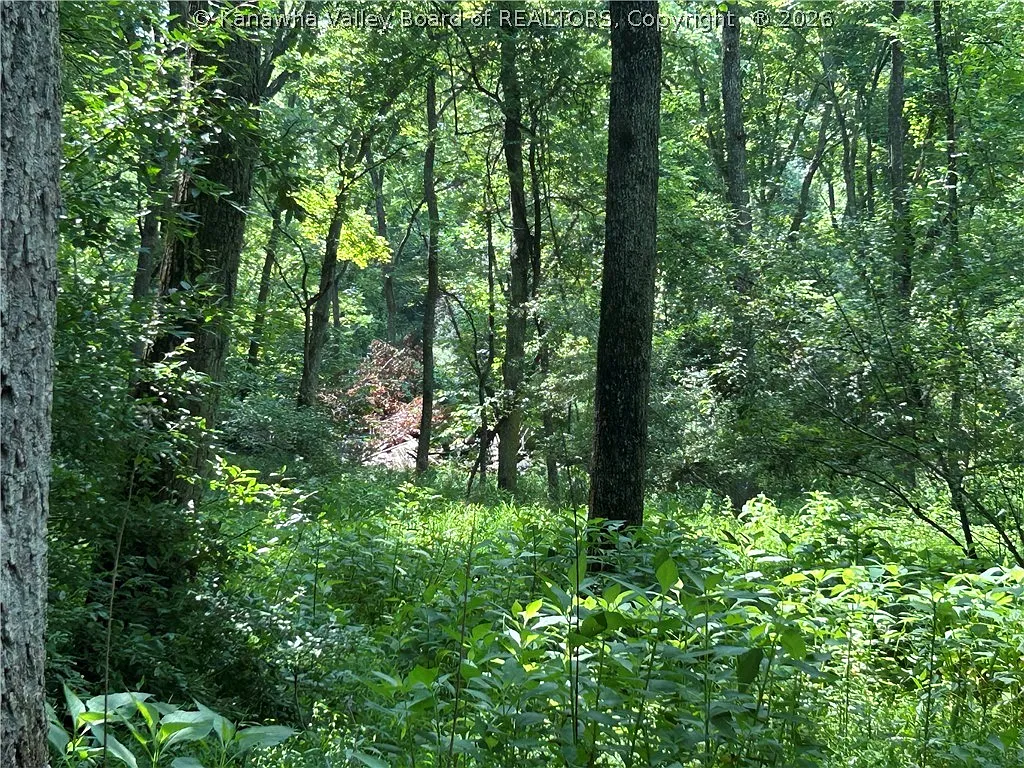
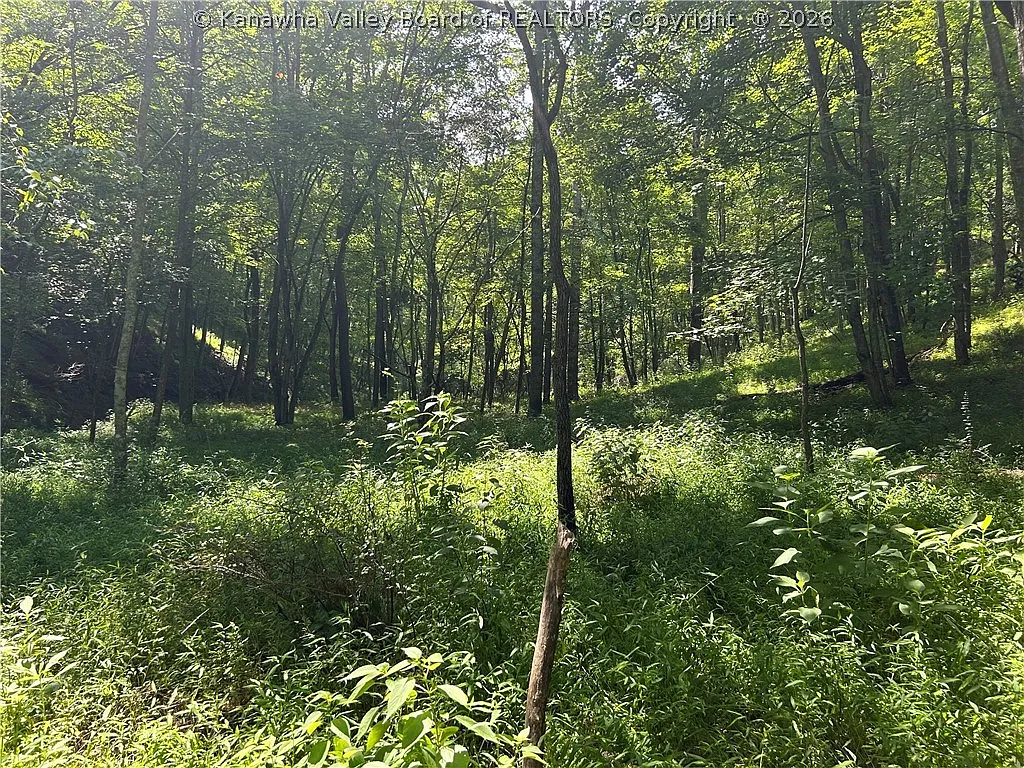
Wooded acreage represents standing capital. 91 acres of mature Appalachian hardwood (such as oak, poplar, maple, and cherry) can hold significant commercial value. A buyer can evaluate timber in several ways:
- Immediate Revenue Generation: Performing a selective, sustainable timber harvest can yield immediate cash flow to offset the initial purchase price or fund utility installation.
- Forest Management and Conservation: Keeping the timber intact preserves wildlife habitat, maintains natural privacy buffers, and allows timber volume to appreciate as trees grow over time.
- Personal Lumber Utility: A landowner with standing timber can selectively harvest trees on-site for building cabins, barns, fencing, or firewood.
Access Realities: Deeded Right-of-Way and Dirt/Gravel Roads
Access is the single most critical factor determining the practical usability and long-term valuation of rural land. Land without legal access can become legally stranded or subject to expensive court battles.
Understanding Deeded Right-of-Way (ROW)
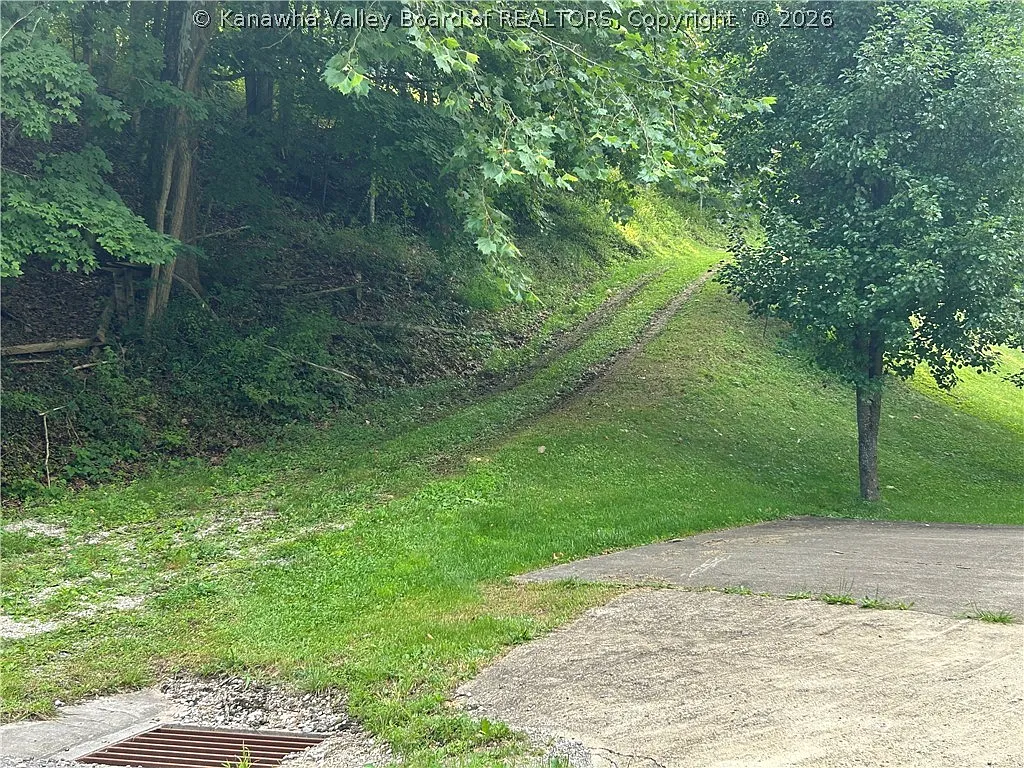
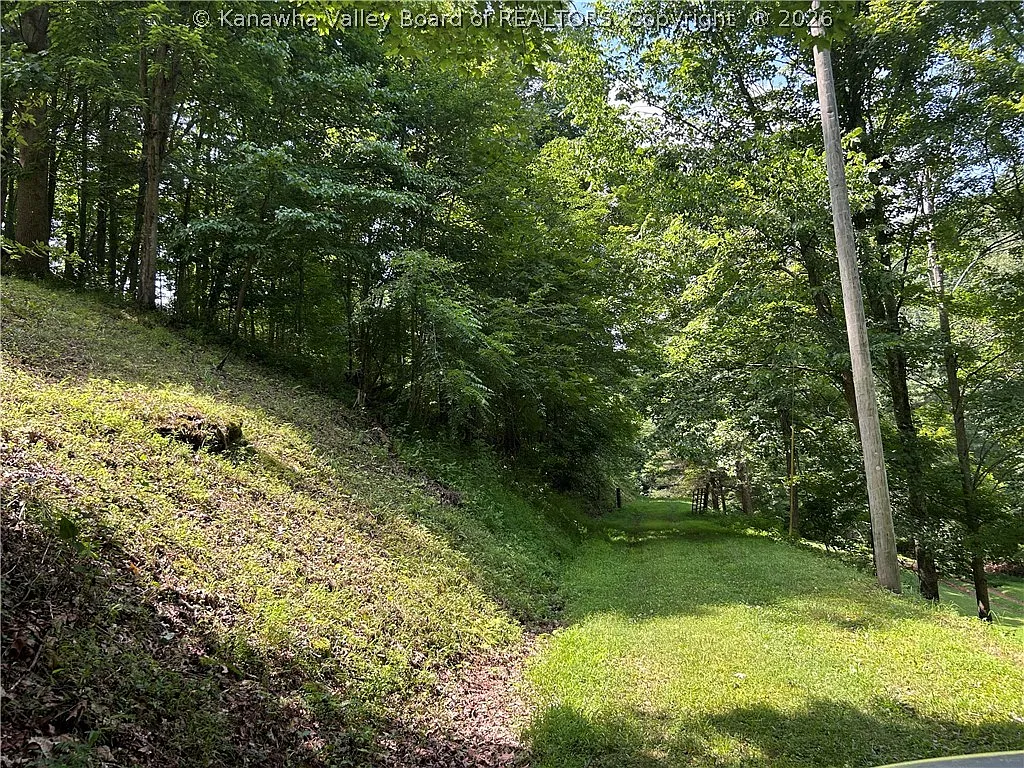
1640 Charleston Rd includes a deeded Right-of-Way leading from Charleston Road across neighboring ground directly to the property line. A deeded ROW means legal ingress and egress are permanently recorded in county land records, guaranteeing that the owner has the lawful right to travel to and from their land.
Practical Considerations for Dirt and Gravel Roads
While legal access is guaranteed, physical access requires practical management:
- Road Maintenance: The access path is dirt and gravel. Unlike state-maintained paved highways, gravel drives require periodic grading, weed control, culvert clearing, and fresh gravel application after heavy rain or snow.
- Vehicle Requirements: Navigating dirt and gravel right-of-ways in rural West Virginia during winter months or heavy rainfall typically requires four-wheel drive (4WD) or all-wheel drive (AWD) vehicles.
- Road Maintenance Agreements (RMA): Buyers should review title records to determine whether a formal maintenance agreement exists with neighboring landowners who share the right-of-way, detailing who covers gravel and snow removal costs.
The Utility Gap: Budgeting for Off-Grid vs. On-Grid Utility Development
The listing explicitly confirms that no active utilities are present on 1640 Charleston Rd. Electric, natural gas, sewer, and public water are not available on-site. For a buyer planning to build a cabin, residence, or RV camp, bridging this utility gap represents the primary financial expenditure beyond the purchase price.
Cost Analysis for Utility Development
To transform this unimproved 91-acre parcel into a fully functional building site, a buyer must budget for essential utility installations. Below are baseline development cost estimates for rural West Virginia:
- Electrical Power Connection
- Grid Extension Option: Connecting to local electric utility power lines along Charleston Road requires installing power poles, transformers, and service lines along the right-of-way. Depending on distance, line extension costs typically range between $15 and $30 per linear foot. Estimating a 500-to-1,000-foot run yields an estimated cost of $7,500 to $18,000.
- Off-Grid Solar/Generator Option: A standalone solar power system equipped with battery storage and a backup diesel generator eliminates utility dependency entirely. A robust off-grid solar setup ranges from $12,000 to $25,000 depending on energy requirements.
- Water Supply
- Historic Well Assessment: The property contains a historic hand-dug well near the old homestead. While historically functional, hand-dug wells often lack sanitary seals and may have collapsed or dried up over time. Testing or capping this well is necessary.
- Drilling a New Water Well: Most modern buyers will opt to drill a new deep water well. Drilling, casing, installing a submersible pump, pressure tank, and filtration system in Roane County typically costs between $6,500 and $12,000 depending on depth to the aquifer.
- Wastewater and Septic System
- Installing a Private Septic System: Because public sewer is unavailable, an engineered septic tank and drain field are required. The process involves a soil percolation (“perc”) test followed by excavation. A standard 1,000-gallon septic system costs between $8,000 and $14,000.
- Driveway and Site Preparation
- Grading and Graveling: Clearing brush, grading a building pad on the flat homestead area, and laying down crushed limestone gravel for a driveway typically costs between $5,000 and $10,000.
Combined All-In Development Estimate
- Total Estimated Utility and Site Development Cost: $27,000 to $54,000
Comparing 1640 Charleston Rd to Pre-Serviced Acreage
Comparing unimproved land with pre-serviced parcels helps highlight the financial positioning of this property.
Hypothetical Pre-Serviced Scenario:
A buyer purchasing 50 acres of land that already includes power, well water, septic, and a gravel drive might pay $220,000 ($4,400 per acre). While the utility infrastructure is already in place, the buyer pays a premium upfront and gets 41 fewer acres of land.
1640 Charleston Rd Scenario:
- Land Purchase Price: $149,900 (for 91 acres)
- Estimated High-End Utility Installation: $45,000
- Combined All-In Capital Investment: $194,900
Under this all-in scenario, the buyer spends approximately $194,900 to acquire a fully utility-serviced 91-acre parcel. This works out to an effective all-in cost of approximately $2,141 per acre for developed land demonstrating that buying raw land at $1,647 per acre and developing utilities independently can remain financially advantageous while providing complete control over utility quality and placement.
The Historic Homestead Site: Building Envelope Advantages
The presence of a historic homestead footprint provides an immediate operational advantage for a future builder.
Excavation Savings on Flat Ground
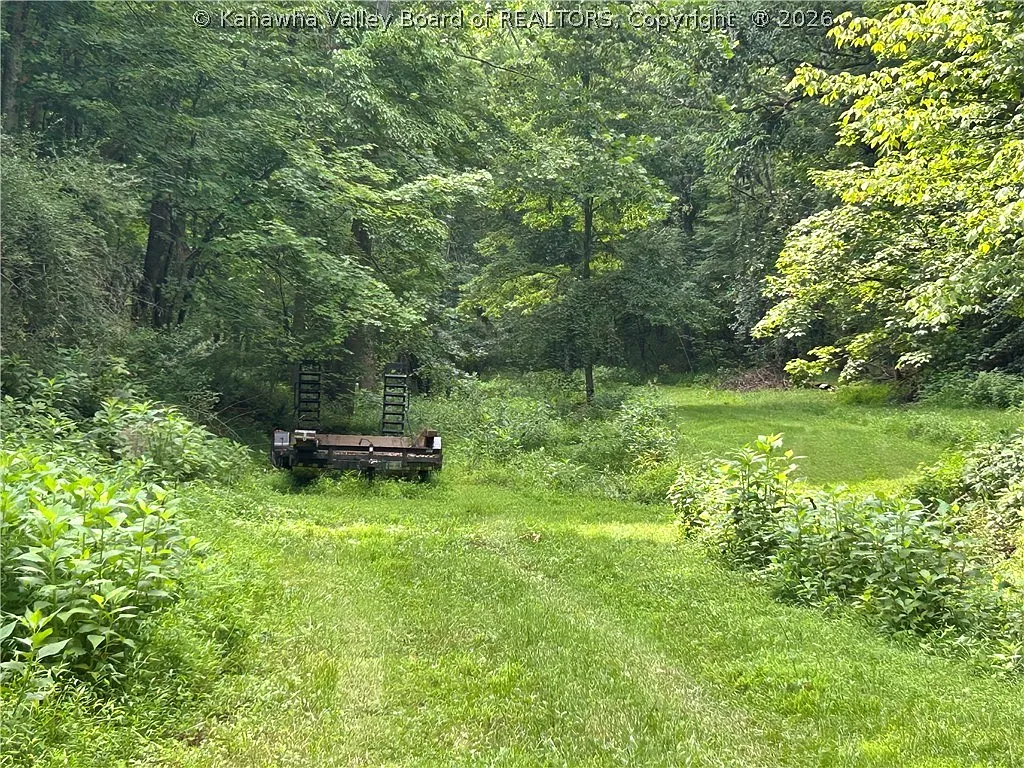
In hilly or mountainous terrain, clearing trees, cutting into hillsides, and creating flat building pads can cost tens of thousands of dollars in earthmoving and retaining wall construction. 1640 Charleston Rd already features a established flat area where the historic family home and barns once stood. Because this area was previously cleared and leveled, site preparation for a new home, hunting cabin, barndominium, or camper pad will be significantly less expensive and time-consuming.
Dealing with Legacy Structures
The listing notes that the original barns have collapsed over time. A buyer will need to manage these legacy structures:
- Cleanup and Removal: Collapsed wooden barn frames will require clearing or burning (where legally permitted) to fully reclaim the flat site.
- Reclaiming Salvageable Materials: Historic barn wood, hand-hewn beams, and aged corrugated metal possess high decorative and monetary value. Salvaging weathered wood from a 100-year-old barn structure can provide materials for interior accent walls, furniture, or custom carpentry.
- Historic Well Capping: The existing hand-dug well must be inspected immediately upon purchase. If unusable, it should be properly capped or filled to eliminate safety hazards for humans and animals.
Where 1640 Charleston Rd Stands Out (Key Advantages)
Analyzing the unique strengths of this listing highlights why it represents a notable opportunity in the West Virginia land market:
- Massive Acreage for Under $150,000: Securing 91 contiguous acres at a purchase price of $149,900 creates an accessible price point for buyers seeking significant land control.
- 100% Timber and Mineral Rights Included: Conveying full subsurface and timber rights protects owner autonomy and preserves underlying asset value.
- Exceptionally Low Carrying Costs: Annual property taxes are just $898 per year (approximately $75 per month), allowing an owner to hold the land long-term with minimal overhead.
- Natural Water Source: An active creek/stream running through the parcel provides natural beauty, wildlife attraction, and livestock watering capacity.
- Established Flat Building Envelope: Pre-existing flat ground from the historic homestead eliminates major earthmoving costs for new construction.
- Guaranteed Legal Access: A deeded Right-of-Way ensures permanent, lawful access to the property from Charleston Road.
- Century-Old Family Privacy: Held by one family for over a century, the land offers complete rural privacy away from dense suburban subdivisions.
Potential Drawbacks and Development Risks to Consider
A realistic assessment must highlight potential obstacles so buyers can plan accordingly:
- Zero Active On-Site Utilities: The lack of electricity, water, septic, and natural gas requires substantial upfront planning and capital expenditure before residential use is possible.
- Unknown Condition of Historic Water Well: The hand-dug well cannot be relied upon for modern domestic water without thorough testing and rehabilitation.
- Right-of-Way Maintenance Overhead: The dirt/gravel access path requires ongoing maintenance and appropriate vehicles (4WD/AWD) during severe weather.
- Debris Clearing Required: Collapsed legacy barns and old homestead remnants require site cleanup and physical labor.
- Land Stewardship Demands: Managing 91 acres of timber and boundary lines requires effort, periodic physical inspection, and active forestry management.
- Specialized Financing Requirements: Securing a mortgage for unimproved land without utilities often requires specialized land lenders or agricultural credit institutions with higher down payment requirements (typically 20% to 30%).
Who Should Consider This Property? (Buyer Profile Analysis)
Understanding who benefits most from a 91-acre unimproved parcel helps buyers determine if this property aligns with their personal goals.
Ideal Buyer Candidates
- Outdoor Recreationists and HuntersFor hunters and outdoorsmen, 91 acres with creek access, dense woods, and game populations offers a ideal private sanctuary. The low carrying costs ($898/year taxes) allow hunters to maintain a private recreational tract for a fraction of the cost of commercial hunting leases.
- Homesteaders and Off-Grid EnthusiastsBuyers seeking self-sufficiency, solar power integration, rainwater harvesting, gardening, and livestock production will find 1640 Charleston Rd highly suitable. The flat historic building envelope and natural stream provide a solid foundation for off-grid living.
- Long-Term Land and Resource InvestorsInvestors seeking to hedge against inflation by acquiring tangible assets will value the combined package: 91 acres of land, standing timber value, unsevered mineral rights, and minimal holding taxes.
- Custom Home Builders Seeking PrivacyA buyer wanting to build a custom cabin, timber-frame home, or barndominium far removed from neighbors will appreciate the privacy afforded by a 91-acre footprint.
Who Might Want to Look Elsewhere?
- Buyers seeking an immediate turn-key residence without construction hassle.
- Buyers who do not have cash reserves or financing set aside for utility installation ($30,000+).
- Buyers who prefer paved suburban streets, municipal services, and close proximity to commercial retail centers.
Strategic Financial and Investment Perspective
From an investment standpoint, raw land ownership operates under different mechanics than residential rental properties.
Low Holding Overhead
The annual tax bill of $898 is one of the property’s strongest financial characteristics. Many properties of similar size in neighboring states carry annual tax liabilities ranging from $3,000 to $8,000. The $75 monthly holding cost allows an owner to land-bank the property for years without experiencing financial drain.
Timber Harvesting Option as Equity Recovery
A buyer can hire a professional consulting forester to conduct a timber inventory (“timber cruise”). If the forester identifies $20,000 to $40,000 in mature, harvestable timber, a selective harvest can immediately recapture a portion of the $149,900 purchase price while simultaneously opening up clearings for wildlife food plots or pasture.
Financing Considerations for Unimproved Land
Purchasing raw land differs from buying a suburban home with a conventional 30-year mortgage:
- Higher Down Payments: Conventional lenders typically require 20% to 30% down payments for raw land loans.
- Specialized Lenders: Rural land buyers in West Virginia often work with specialized agricultural lenders (such as Farm Credit organizations) or local community banks that specialize in acreage financing.
- Seller Financing or Land Contracts: In some rural transactions, buyers seek short-term land loans or private financing options to secure the parcel before refinancing after installing basic utilities.
What a Buyer Should Verify Before Making an Offer
Performing systematic due diligence is essential before signing a binding purchase agreement. A prospective buyer should investigate the following items:
- Boundary Survey and Marker Verification
- Commission or review a professional boundary survey to locate exact property corners, confirm total acreage (91 acres), and mark boundaries clearly across timbered ridges.
- Right-of-Way (ROW) Title Search
- Have a real estate attorney review the exact deeded language of the Right-of-Way. Confirm that the ROW permits utility installation (overhead or underground power lines) and covers all motorized vehicular traffic without restriction.
- Soil Percolation (“Perc”) Testing
- Hire a licensed septic installer or county health official to conduct a soil percolation test on the flat homestead building pad to ensure the ground qualifies for a standard gravity-fed septic system.
- Professional Timber Cruise
- Hire an independent consulting forester (not affiliated with a logging company) to estimate the board-foot volume and commercial value of standing hardwood timber across the 91 acres.
- Mineral Title Verification
- Ensure your title attorney conducts a full mineral chain-of-title search confirming that no prior oil, gas, or mineral leases exist that could encumber the subsurface rights.
- Flood Zone Mapping Along Creek Areas
- Review FEMA flood plain maps for Roane County to ensure that the designated building site sits completely above high-water flood elevations near the stream.
- Utility Extension Quotes
- Contact local electric utility providers to obtain official written estimates for running power from Charleston Road along the right-of-way to your planned building pad.
- Property Tax Classifications
- Verify with the Roane County tax assessor whether the land is currently classified under managed timber or agricultural tax status, which helps maintain the low $898 annual tax rate.
Final Verdict: Is 1640 Charleston Rd Worth the $149,900 Asking Price?
1640 Charleston Rd represents a compelling opportunity in the West Virginia land market. At $149,900 for 91 acres ($1,647 per acre), the property provides a high ratio of raw land area, timber value, and privacy relative to its purchase price.
The property’s value proposition is strengthened by key fundamentals: complete ownership of timber and mineral rights, a natural creek/stream running through the parcel, guaranteed deeded access, low holding taxes ($898/year), and a pre-cleared flat building footprint from a 100-year family homestead.
The primary trade-off is the total absence of active utilities. A buyer must be prepared to invest additional capital ($27,000 to $50,000+) to bring in power, drill a water well, install a septic system, and clear legacy barn debris.
For outdoorsmen, homesteaders, timber investors, or buyers seeking an affordable, private piece of West Virginia heritage to develop on their own terms, 1640 Charleston Rd is well worth a comprehensive physical walk-through and professional due diligence.
Meta Description:
An in-depth analysis of 1640 Charleston Rd, Spencer, WV. Explore land value, timber and mineral rights, utility costs, and due diligence for this $149,900, 91-acre property.
Listed on Zillow