The American real estate market is currently witnessing a massive ideological shift. As urban and suburban properties price out average buyers and metropolitan areas become increasingly congested, a new wave of investors, outdoorsmen, and off-grid homesteaders are looking north. They are seeking untouched, expansive, and unrestricted land where privacy is guaranteed and property taxes do not drain their wealth. Michigan’s Western Upper Peninsula (U.P.) has emerged as one of the premier sanctuaries for this demographic, offering a rugged, beautiful landscape steeped in outdoor recreational culture.
Today, we are conducting an exhaustive, multi-layered real estate investment analysis of a remarkable listing: On Fr 484 (Aka Camp 3 Rd), Wakefield, MI 49968. Currently priced at $165,000 for a sprawling 120-acre tract of unimproved, wooded land, this property represents a profound opportunity. Featuring rolling hills, deep woods, a strategic layout for legal access, agricultural zoning, and microscopic holding costs, this parcel demands the attention of serious land buyers.
In this comprehensive, 3,000+ word investment guide, we will break down every physical, financial, and logistical aspect of this property. We will conduct a rigorous Comparative Market Analysis (CMA) against Gogebic County land values, explore the specific recreational and hunting dynamics of Wakefield, detail the exact carrying costs and tax benefits, and provide a masterclass in developing off-grid infrastructure. Whether you are looking for a generational family hunting camp, an off-grid survival retreat, or a strategic land-banking flip, this article will equip you with the exact data needed to make a highly profitable decision.
Part 1: Property Snapshot & Core Specifications
Before diving into the economic arbitrage and regional market data, it is critical to outline the exact physical parameters and municipal classifications of the asset. The following table translates the raw listing data into an actionable investment context.
Key Property Data & Specifications
| Property Attribute | Specification Details | Strategic Real Estate Takeaway |
| Current Asking Price | $165,000 | Exceptional entry-level price for triple-digit acreage in the U.P. |
| Total Deeded Acreage | 120.00 Acres | Massive spatial scale ensuring absolute privacy and wildlife security. |
| Price Per Acre | $1,375 / Acre | A phenomenal wholesale-level pricing metric for retail buyers. |
| Location & Zip Code | Camp 3 Rd (FR 484), Wakefield, MI 49968 | Located in Gogebic County; known for heavy snowfall and deep woods. |
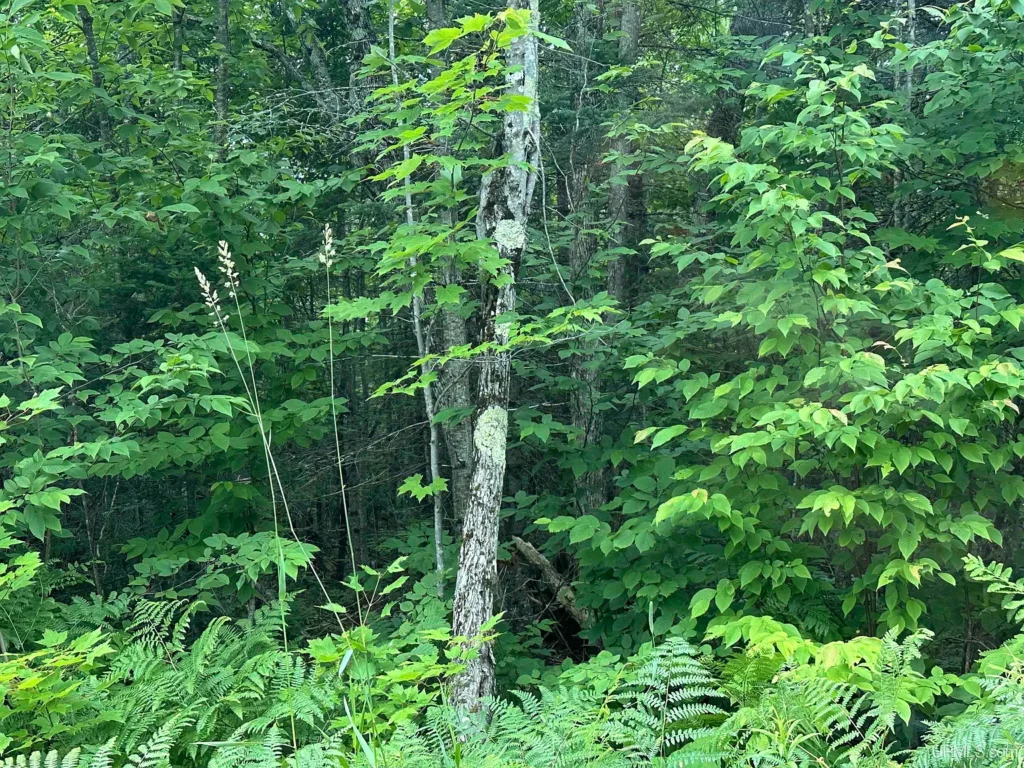
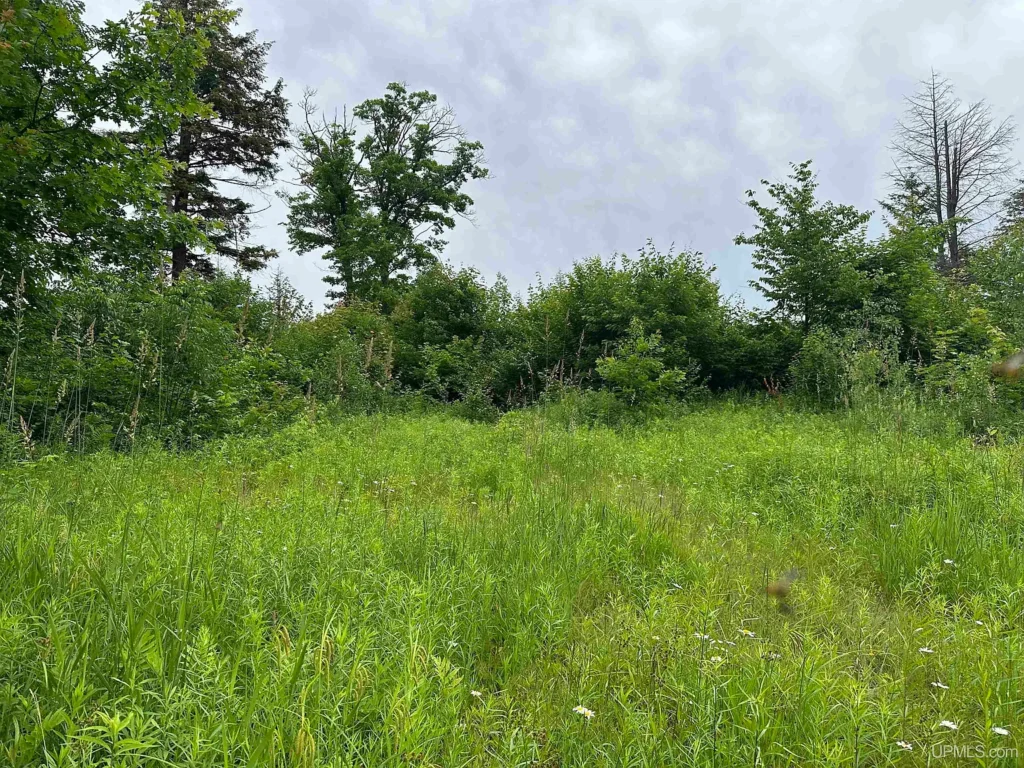
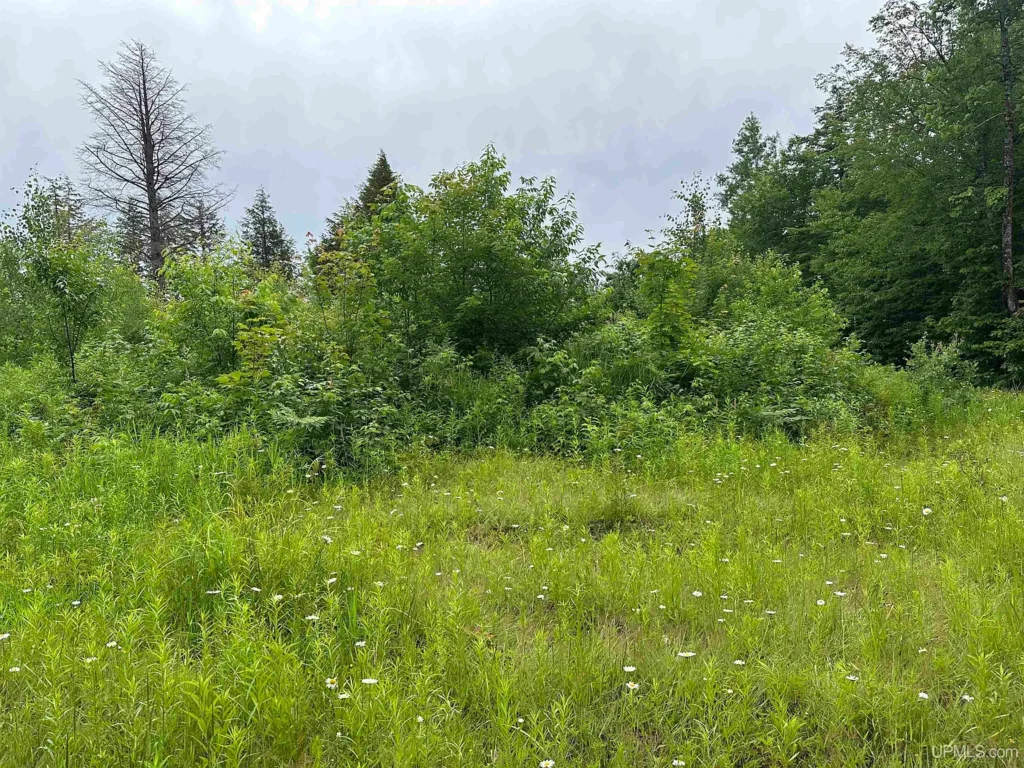
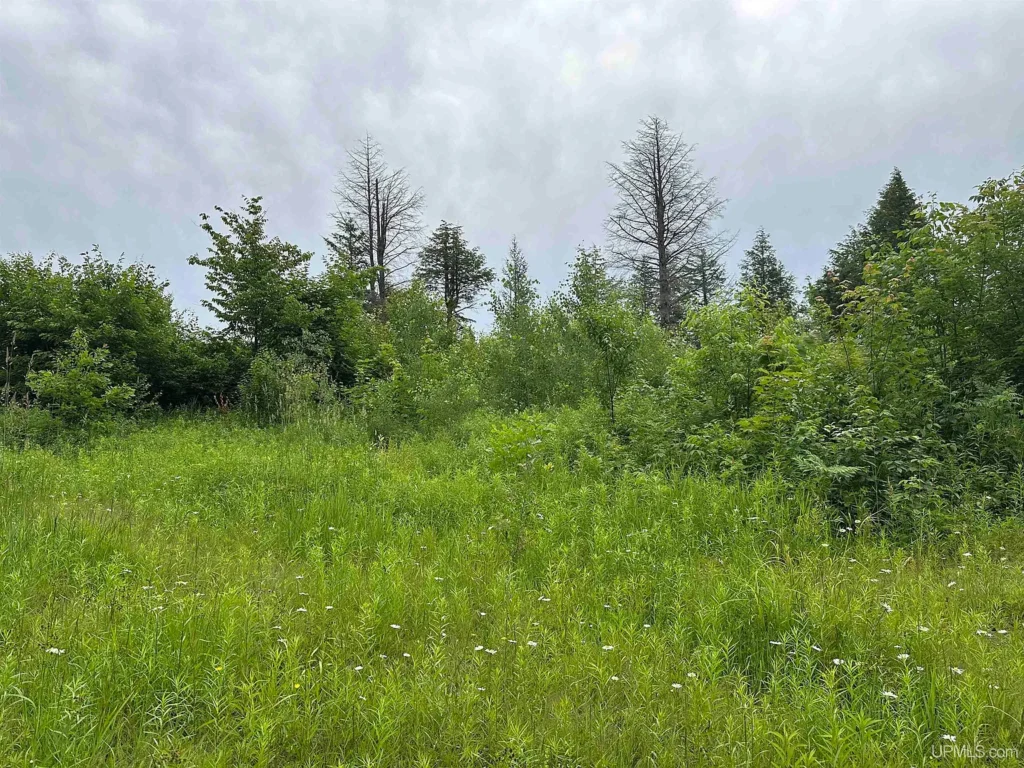
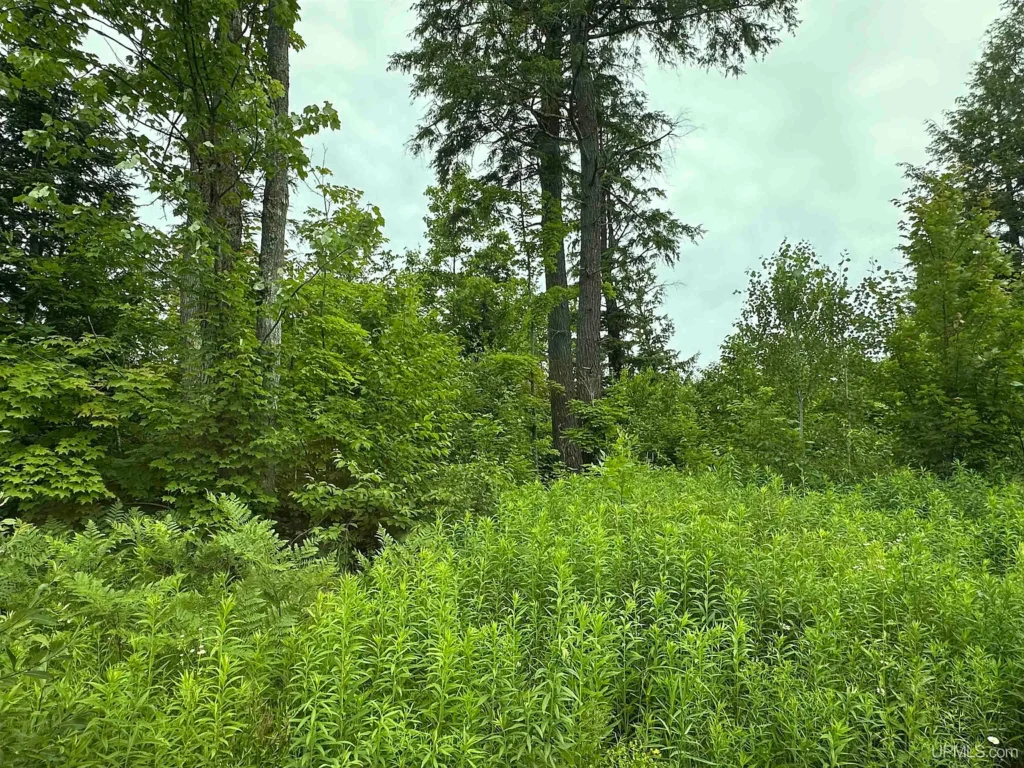
| Topography & Terrain | Rolling/Hilly & Wooded | Dynamic terrain creates natural funnels for wildlife and scenic cabin sites. |
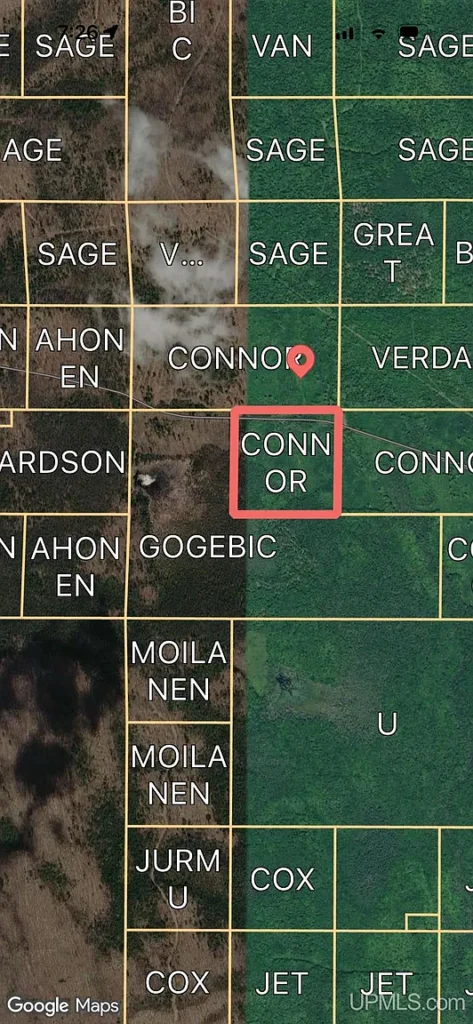
| Parcel Layout | 40-Acre Front / 80-Acre Back | The front 40 acres secure legal road access to the highly secluded back 80. |
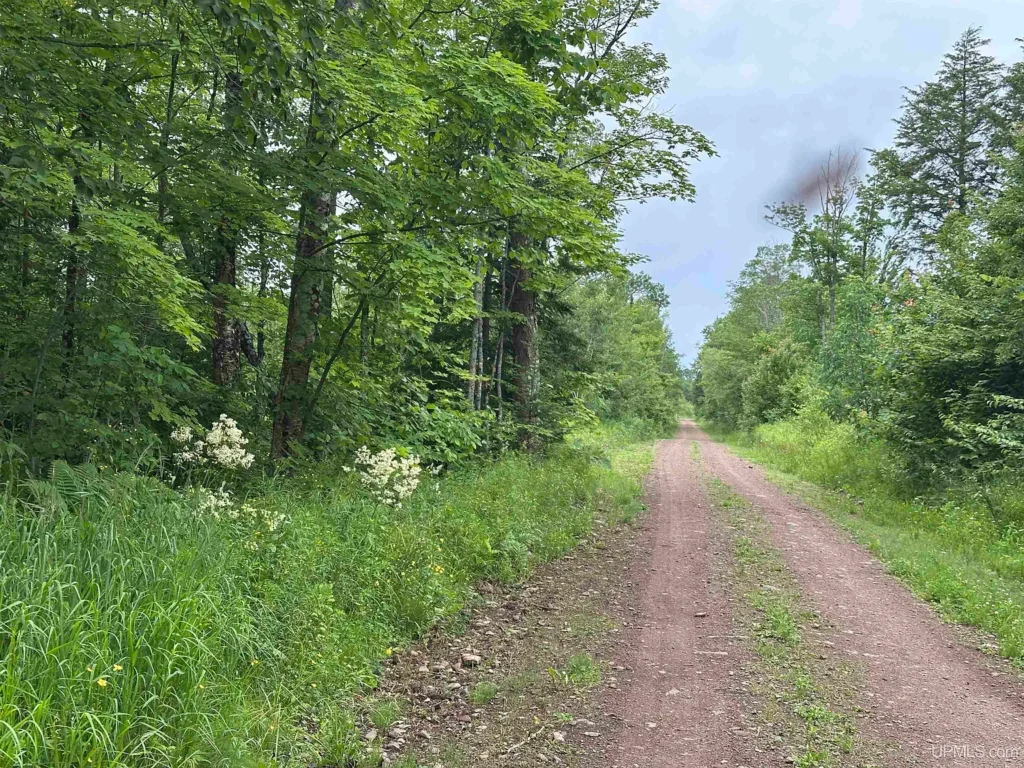
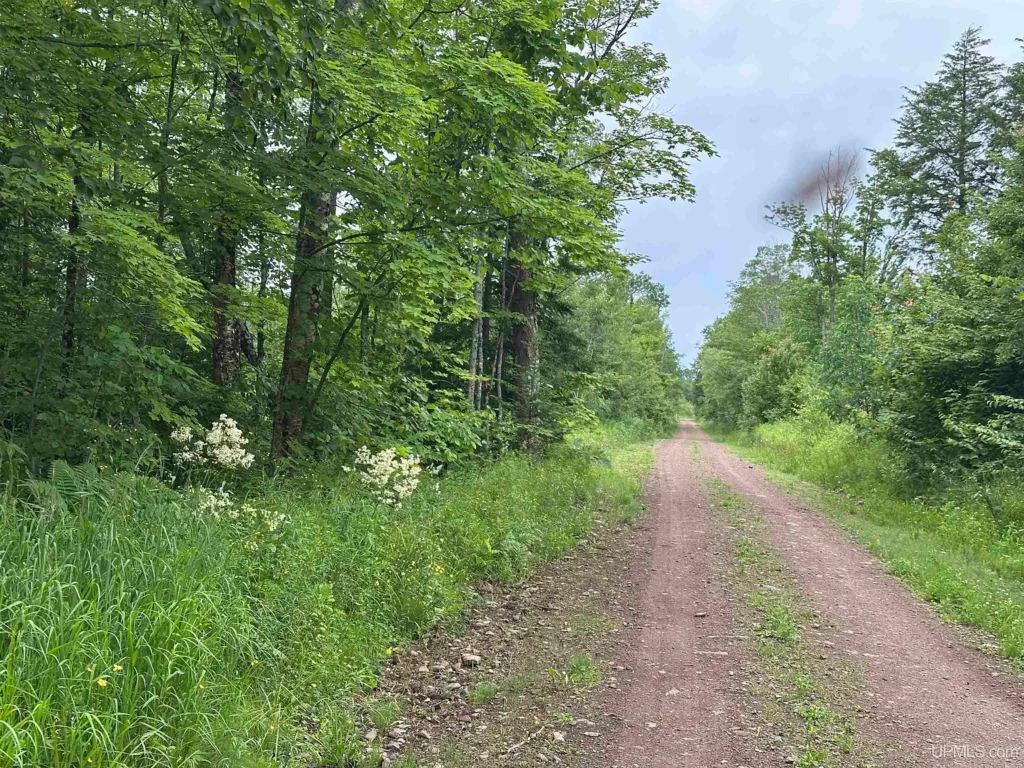
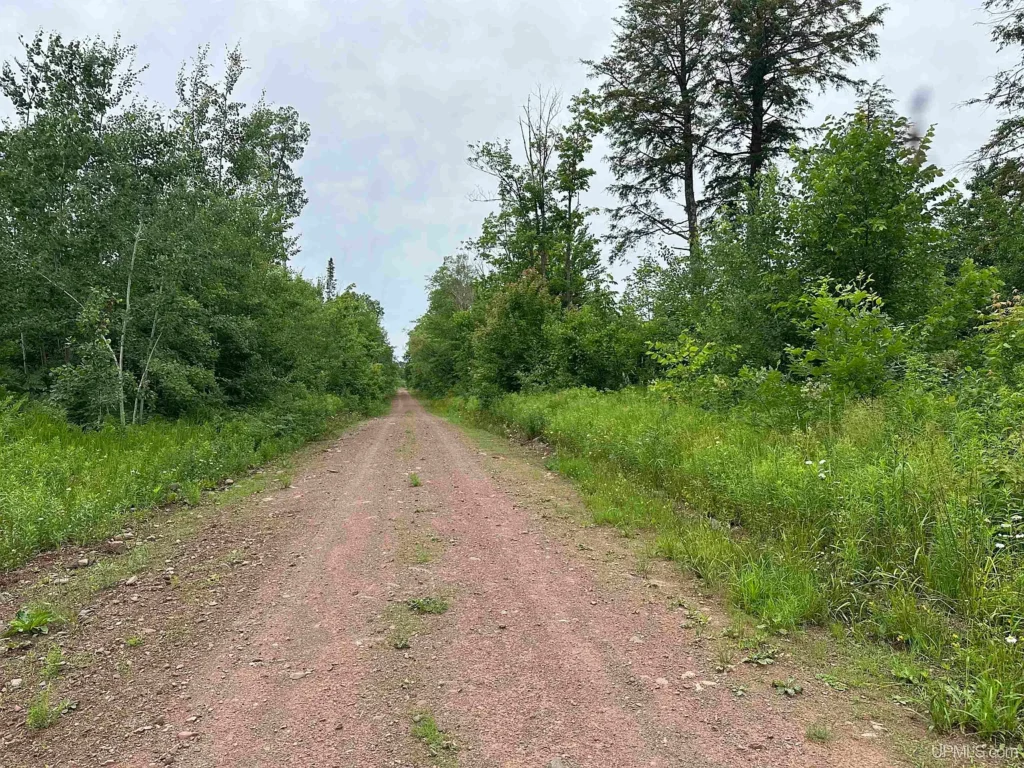
| Road Frontage | 2,640 Feet (Dirt Surface) | A massive half-mile of road frontage provides multiple potential driveway cuts. |
| Utility Availability | 100% Off-Grid (None) | No public water, sewer, or electricity. Requires independent utility solutions. |
| Zoning Classification | Agricultural | Highly flexible zoning, ideal for timber harvesting, homesteading, or farming. |
| Ownership Type | Corporation | Seller is a corporate entity, potentially indicating a timber company offloading assets. |
| Annual Tax Burden | $625 / Year (~$52 / Month) | Exceptionally low fixed holding costs make this the ultimate land-bank asset. |
| Days on Market | 42 Days (Listed July 2, 2026) | The property is fresh on the market, meaning buyers must act decisively. |
Part 2: Comparative Market Analysis (CMA) – The Valuation Disconnect
In land investment, the “Price Per Acre” is the ultimate metric for determining true market value. To understand whether $165,000 is a mathematically sound price for 120 acres, we must contextualize this listing against the current macro-level real estate data in Gogebic County and the specific Wakefield sub-market.
The Macro Data on Gogebic County Land
Gogebic County, situated on the far western edge of the Upper Peninsula, is a sprawling landscape known for its natural resources. The county features a striking blend of forested terrain and abundant water resources, with Lake Gogebic the largest lake in the Upper Peninsula acting as a major geographical anchor.
Recent market insights reveal a fascinating pricing structure in this region. The median price per acre across all raw land listings in Gogebic County, MI, currently sits at a staggering $4,571.
When we zoom in specifically to the localized market of Wakefield, MI, the average price per acre for land currently listed for sale is $3,615.
The Arbitrage Opportunity: The $1,375/Acre Advantage
If we apply the conservative Wakefield average valuation of $3,615 per acre to this 120-acre parcel, the raw, unimproved land should theoretically carry an implied market value of approximately $433,800. If we were to use the broader Gogebic County median of $4,571 per acre, the valuation skyrockets to $548,520.
However, the asking price for the Camp 3 Rd property is just $165,000.
When dividing the $165,000 asking price by the 120 acres, the acquisition cost equates to merely $1,375 per acre.
Chart Analysis: Regional Valuation Comparison
| Valuation Metric | Price Per Acre | Total Implied Value (120 Acres) | Premium/Discount of Subject Property |
| Camp 3 Rd (Asking Price) | $1,375.00 | $165,000 | Baseline Acquisition Cost |
| Wakefield, MI Average | $3,615.00 | $433,800 | Subject property is priced 61.9% BELOW the local average. |
| Gogebic County Median | $4,571.00 | $548,520 | Subject property is priced 69.9% BELOW the county median. |
The CMA Verdict: From a purely mathematical standpoint, the Camp 3 Rd property is priced at an extreme wholesale discount. Why is the land this cheap? The pricing anomaly is almost certainly tied to two factors: the lack of public utilities (100% off-grid) and the fact that it is a bulk-acreage sale (buyers get a volume discount when buying 100+ acres). Regardless of the reason, acquiring 120 acres at $1,375 per acre in today’s real estate climate offers a massive margin of safety and near-instant equity for the buyer.
Part 3: Topography, Access, and the 120-Acre Layout
Raw acreage can be deceiving on a map. A buyer could purchase 120 acres, but if that land is completely landlocked without legal access, or consists entirely of an impassable swamp, it is effectively useless. The physical layout of the Camp 3 Rd property is highly strategic.
The 40/80 Configuration
The listing description provides a crucial piece of geographical intelligence: “The first 40 acre parcel will provide your legal access to the back 80 acres.”
- Legal Ingress/Egress: This solves the biggest nightmare for rural land buyers being landlocked. Because the front 40 acres touch Camp 3 Rd (also known as Forest Route 484), you own the legal right-of-way outright. You do not need to negotiate easements across a neighbor’s property to reach your hunting grounds.
- The Sanctuary Effect: The back 80 acres are shielded from the main dirt road by your own front 40 acres. This creates an impenetrable privacy buffer. If you build your off-grid cabin in the center of the back 80, you will be completely insulated from road dust, passing vehicles, and the eyes of the public.
Rolling, Hilly, and Wooded Terrain
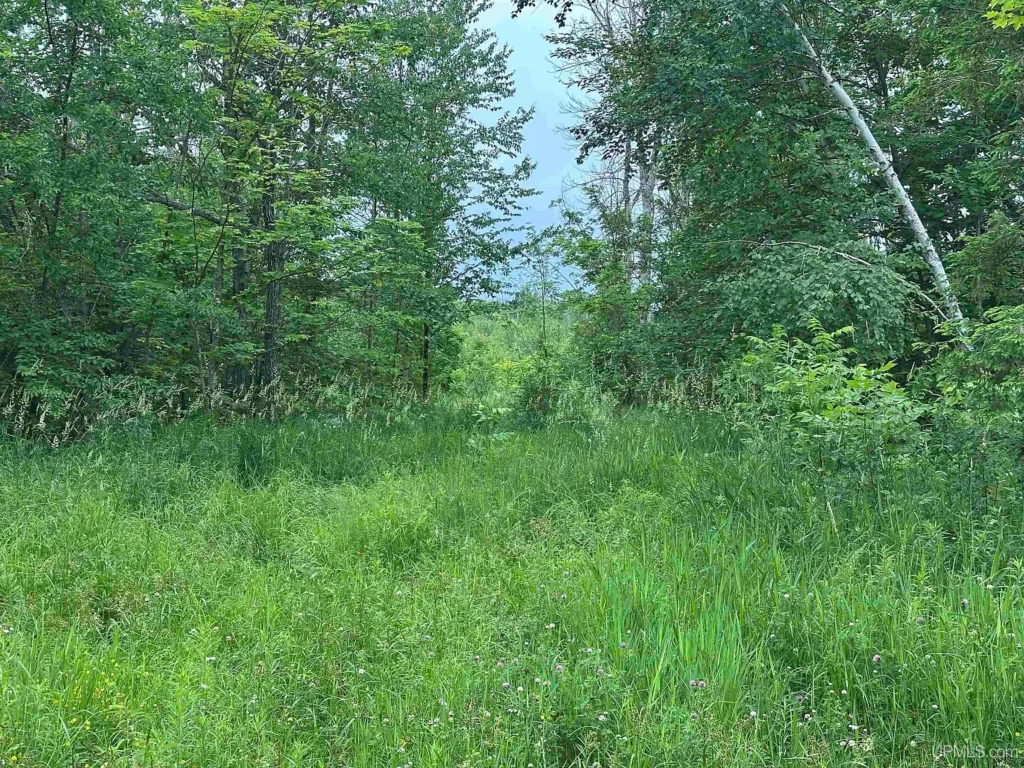
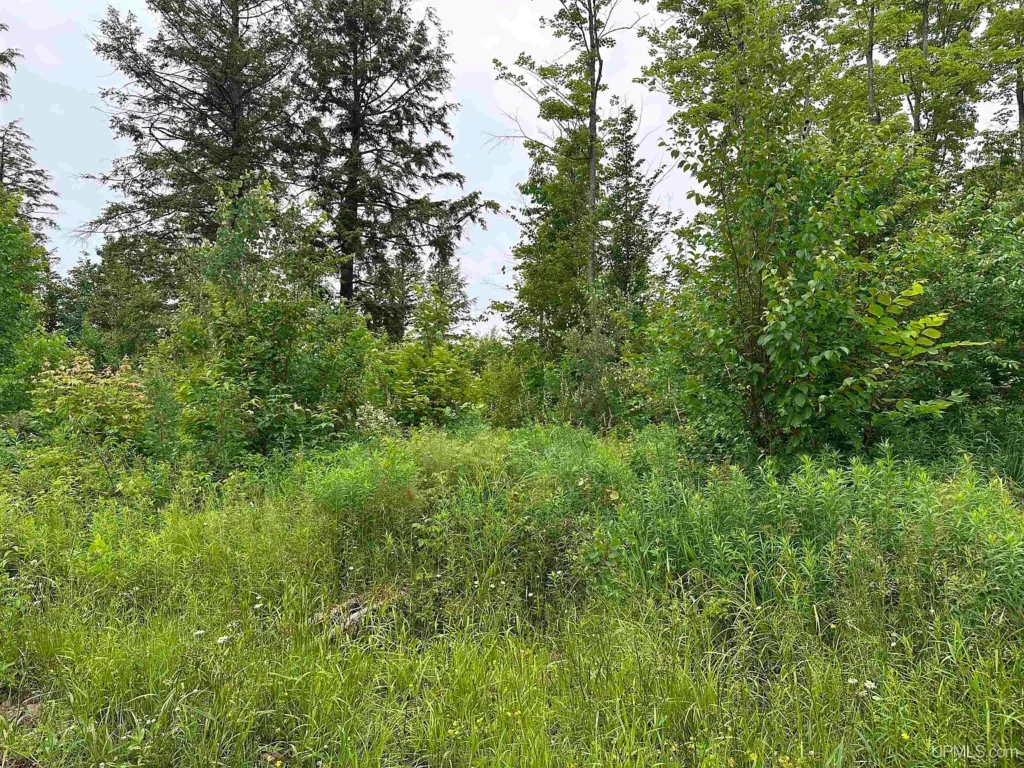
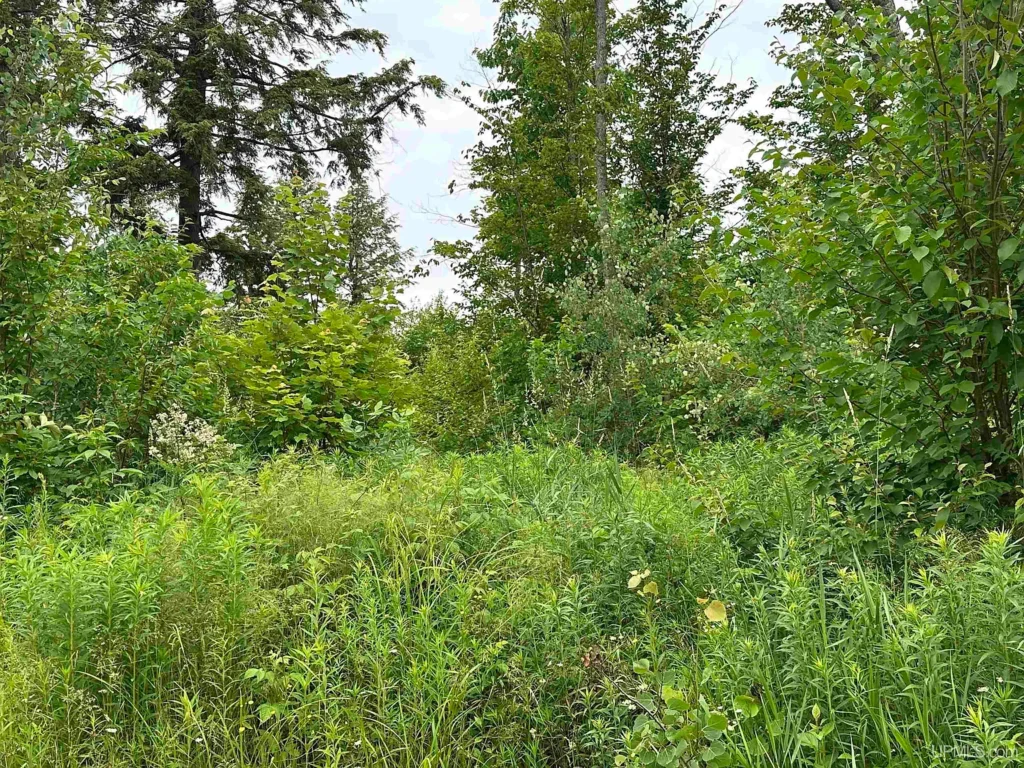
The listing notes that the topography is “Rolling/Hilly” and heavily “Wooded.”
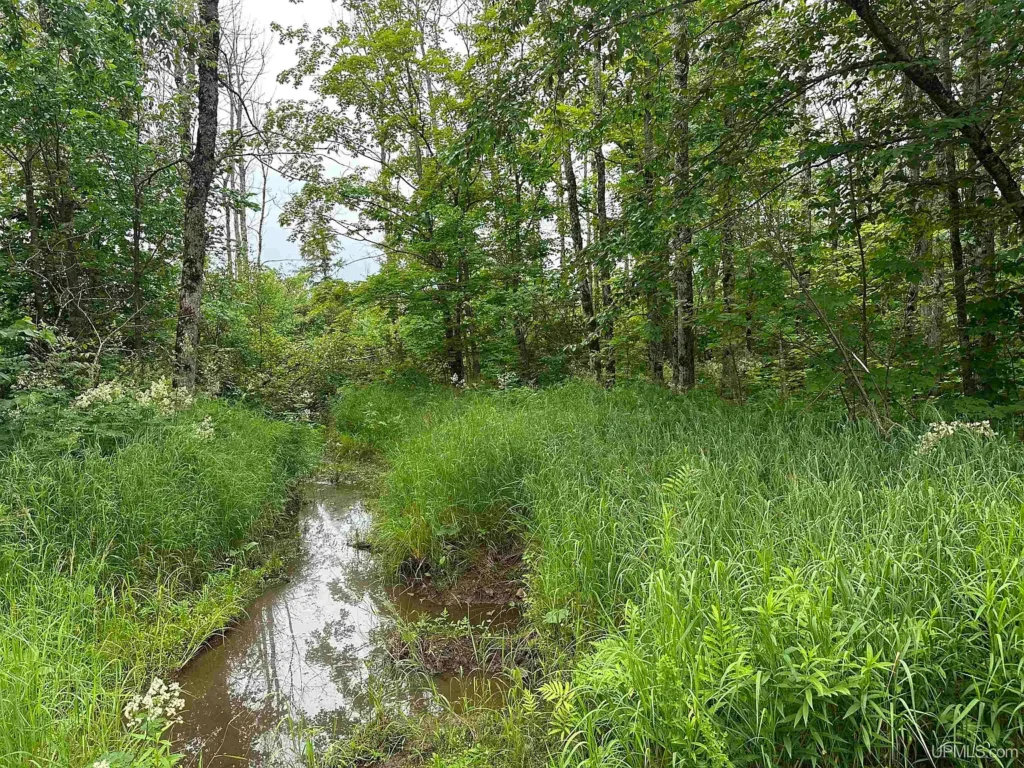
- Drainage and Building Sites: Hilly and rolling terrain is highly prized in the Upper Peninsula. Flat land in Northern Michigan often suffers from poor drainage, leading to saturated, boggy soils that breed mosquitoes and complicate foundation pouring. Rolling hills ensure excellent natural water runoff, providing multiple high, dry, and secure building pads for a cabin or pole barn.
- Wildlife Funnels: For hunters, rolling topography is a dream. Deer and bear instinctively travel the path of least resistance. The valleys, saddles, and ridges created by this terrain act as natural funnels, making it incredibly easy to predict wildlife movement and position hunting blinds or tree stands strategically.
A Half-Mile of Road Frontage
The property boasts 2,640 feet of road frontage on Camp 3 Rd. To put that into perspective, 2,640 feet is exactly half a mile.
- Subdivision Potential: From an investment standpoint, half a mile of road frontage offers massive future subdivision potential. Because the zoning is Agricultural, a future owner could potentially carve out two or three 10-acre parcels along the road frontage to sell off for immediate capital retrieval, while keeping the remaining 90 acres for themselves.
Part 4: Recreational Value – The Gogebic County Outdoor Lifestyle
You are not just buying dirt; you are buying access to one of the most rugged, pristine, and recreation-heavy environments in the Midwest. Wakefield, Michigan, is situated in the center of four-season recreation on the Gogebic Range.
The Ultimate Hunting Camp
If your primary goal is to establish a private hunting sanctuary, 120 acres is the magic number. It provides enough acreage to hold multiple hunters safely while managing the local wildlife population.
- Big and Small Game: Wakefield and the surrounding Gogebic County forests are famous for their robust wildlife populations. Outdoorsmen here enjoy various seasons seeking bear, deer, partridge, rabbit, and other small game.
- Habitat Management: With 120 acres, you have enough land to actively shape the ecosystem. You can clear small 1-acre sections deep in the woods to plant food plots (clover, brassicas, or turnips), create sanctuary bedding areas by hinge-cutting low-value timber, and hold trophy whitetail deer on your property year-round.
Winter Recreation: The Snow Capital
Gogebic County is legendary for its “lake effect” snow, courtesy of nearby Lake Superior. The region receives hundreds of inches of snow annually, driving a massive winter tourism economy.
- Snowmobiling: If you are a powersports enthusiast, this property is a gateway to paradise. Winter activities in Wakefield include access to a staggering 2,000 miles of groomed snowmobile trails. You can theoretically ride directly from your off-grid camp and connect to a trail network that spans the entire Upper Peninsula.
- Skiing: For downhill and cross-country skiers, Wakefield is a premier destination. The Snowriver Mountain Resort is located nearby, and the area boasts some of the best cross-country skiing trails in the U.P..
Water and Summer Adventures
While the property itself does not feature waterfront, it acts as a basecamp for endless aquatic adventures.
- Sunday Lake: Located right in the city of Wakefield, Sunday Lake is home to Eddy Park and Campground, offering a popular sandy beach, boat launches, pavilions, and swimming rafts.
- Waterfalls and Rivers: Words cannot capture the beauty of the waterfalls located on the Black and Presque Isle Rivers, which are short drives from the property. Furthermore, the untouched shoreline of Lake Superior and the vast wilderness of the Porcupine Mountains are mere miles away for spectacular day outings.
Part 5: The Off-Grid Infrastructure Masterclass
The most critical logistical hurdle of this property is the explicit disclosure: Utilities: None.
There is no public sewer, no public water, and no grid electricity. If you plan to utilize this 120-acre parcel as anything more than raw hunting land, you must embrace the off-grid lifestyle. While this scares away retail suburban buyers, it is a massive opportunity for the self-sufficient investor. Developing off-grid infrastructure requires capital, but it frees you from monthly utility bills forever.
1. Powering the Northwoods (Electricity)
Camp 3 Rd is likely far too remote to pay the local utility company to drag power poles to your cabin site. Therefore, you must generate your own power.
- Solar & Battery Banks: The modern standard for off-grid living is a robust solar array coupled with lithium iron phosphate (LiFePO4) battery banks. A fully functional 5kW to 10kW off-grid solar system capable of running LED lights, a refrigerator, a well pump, and Starlink internet will typically cost between $10,000 and $20,000 depending on whether you DIY or hire an installer.
- Backup Generation: In the winter, when lake-effect snow blocks the sun for days, you will need a backup. A heavy-duty, dual-fuel (propane/gasoline) 9,000-watt inverter generator is essential. Budget roughly $1,500 to $2,500 for the generator and a secure, ventilated shed to house it.
2. Sourcing Fresh Water
Without city water, you have two primary options for a rural camp.
- Drilling a Private Well: In the Upper Peninsula, well drilling costs can vary wildly based on how deep the aquifer sits beneath the rolling hills. Budget roughly $45 to $60 per foot for drilling and casing. A standard 200-foot well, complete with a submersible pump and pressure tank, will typically run an investor between $9,000 and $15,000.
- Rainwater Catchment / Water Hauling: For a seasonal hunting camp, a well might be overkill. Many U.P. camps utilize large 1,000-gallon above-ground cisterns. You can catch rainwater off a metal cabin roof and run it through a UV filtration system, or simply pay a local service to haul and pump fresh water into your tank twice a year.
3. Wastewater Management
Without a municipal sewer, managing waste is your responsibility.
- Traditional Septic System: If you plan to build a home with indoor plumbing, you must have the local health department perform a percolation (perc) test. If the rolling, hilly soil drains well, a conventional gravity-fed septic tank and drain field will cost roughly $7,000 to $10,000.
- Off-Grid Alternatives: For rustic hunting cabins, you can bypass the immense cost of a septic system entirely. High-end composting toilets (such as Nature’s Head or Separett) cost around $1,200, use zero water, and require no permits. An outdoor shower draining greywater into a gravel French drain completes the rustic setup.
Part 6: Financial Proforma & Land Banking Strategy
Real estate wealth is generated by holding tangible assets over the long term. This strategy, known as “Land Banking,” involves buying raw land in the path of growth (or in areas with rising recreational demand) and holding it while it appreciates, with the goal of eventually selling it, developing it, or passing it down as generational wealth.
The success of a land-banking strategy depends entirely on the “carrying costs” the ongoing expenses required to maintain ownership.
The Tax Advantage of Camp 3 Rd
In Gogebic County, the median home price is notably low at $99,700, but the overall property tax rate is slightly higher than average at 1.49%.
However, because the Camp 3 Rd property is completely unimproved and zoned Agricultural, the tax burden is virtually non-existent. The listing explicitly states that the annual tax amount is just $625.
Let us break down the holding costs for a cash buyer:
- Annual Property Taxes: $625
- HOA Fees: $0
- Vacant Land Liability Insurance (Estimated): $250 / year
- Total Annual Overhead:$875 (or roughly $73 per month).
You can securely hold 120 acres of prime Michigan timberland for the monthly cost of a smartphone data plan. This creates infinite holding power. You are never pressured to sell the land because it is draining your bank account.
Financing Raw Land
If you do not have $165,000 in liquid cash, financing raw, off-grid land requires a specific approach. Traditional 30-year residential mortgages from big-box banks do not apply to unimproved dirt.
- Agricultural/Rural Lenders: You will need to approach a specialized rural lender, such as GreenStone Farm Credit Services in Michigan, or a local credit union.
- The Terms: Land loans typically require a higher down payment (usually 20% to 25%, equating to $33,000 to $41,250 down) and feature shorter amortization schedules (10 to 15 years) at slightly higher interest rates than residential mortgages.
Part 7: Corporate Ownership and Timber Rights
The listing states that the “Ownership type” is a Corporation. In the Upper Peninsula of Michigan, this frequently indicates that the seller is a commercial timber, mining, or paper company offloading excess acreage from their portfolio.
This presents both an opportunity and a critical due diligence checkpoint for the buyer.
The Opportunity: Future Timber Value
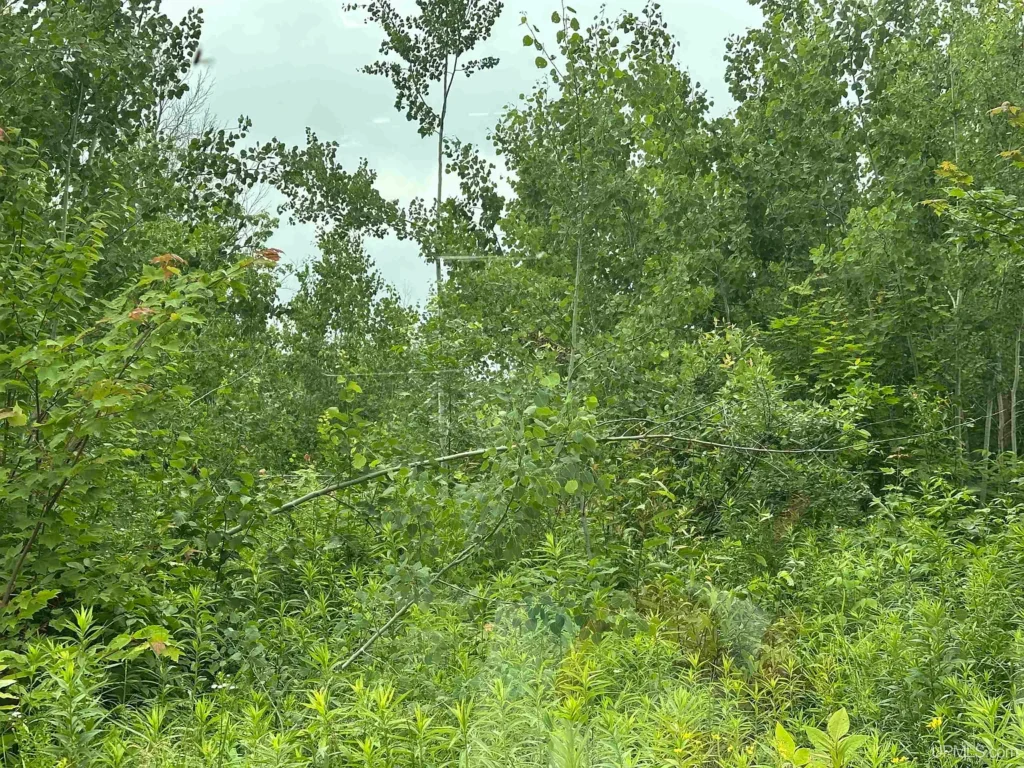
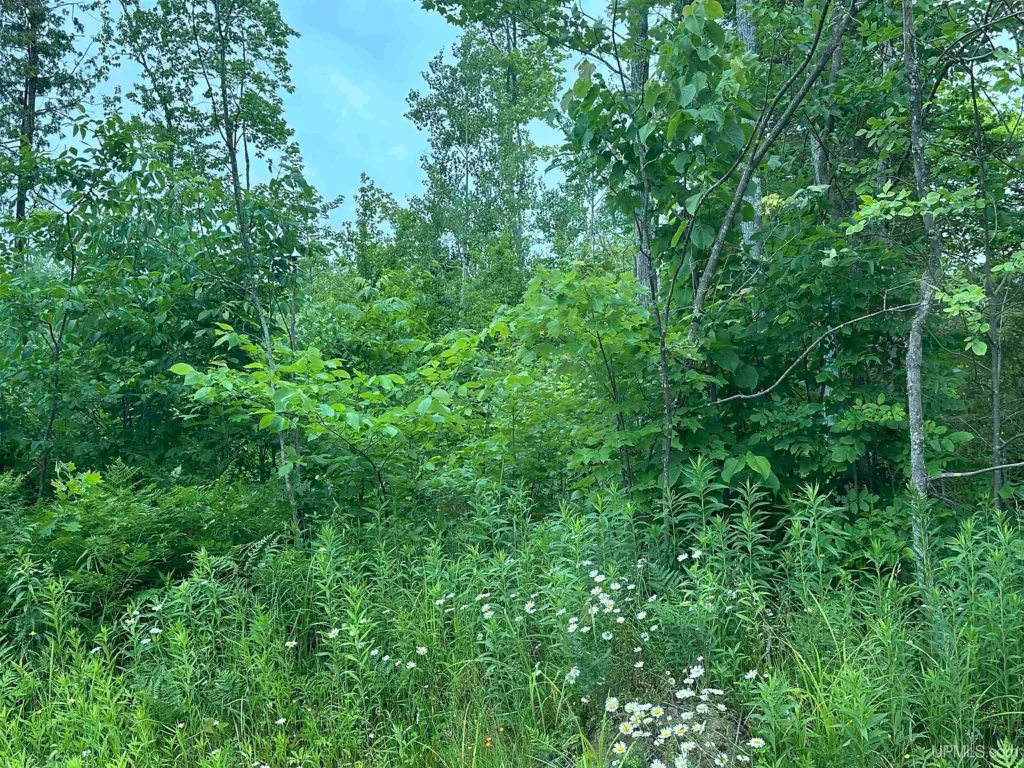
If the corporation recently clear-cut the land, the property might look like a brushy, dense thicket. While not immediately beautiful, a recent clear-cut is actually the ultimate habitat for whitetail deer, as the new growth provides incredible bedding and browse. If the timber is mature, you have a massive standing bank account. You could potentially hire a consulting forester to conduct a selective timber harvest, immediately recouping $20,000+ of your purchase price.
The Due Diligence: Mineral and Timber Rights
When buying land from a corporation in the U.P., you must verify exactly what rights convey with the deed.
- Timber Rights: Ensure that the corporation is not retaining the timber rights (the right to come back onto the land and cut trees after you buy it).
- Mineral Rights: It is highly common in Michigan for the State or older mining corporations to have severed and retained the subterranean mineral rights decades ago. While this rarely affects surface use (like hunting or building a cabin), your real estate attorney must confirm the status of these rights during the title search.
Part 8: Comprehensive Due Diligence Checklist for Buyers
While the mathematical value of $1,375 per acre is incredibly enticing, raw land requires rigorous due diligence before your earnest money goes hard. If you move to put the Camp 3 Rd property under contract, ensure the following steps are executed:
- Verify Legal Access and Easements: The listing mentions “Easement” in the features. While the 40-acre parcel touches Camp 3 Rd, verify if there are any recorded easements allowing neighbors or logging companies to cross your property to reach theirs.
- Confirm Winter Road Maintenance: Camp 3 Rd is a dirt Forest Route (FR 484). Contact the Gogebic County Road Commission to confirm if this road is plowed during the winter. If it is not seasonally maintained, you will need snowmobiles or a private plow truck to access your camp from December through April.
- Boundary Survey: Do not trust old logging stakes or hunting blind placements. Ensure the seller provides a recent survey, or negotiate to have the property corners flagged by a licensed surveyor so you know exactly where your 120 acres begin and end.
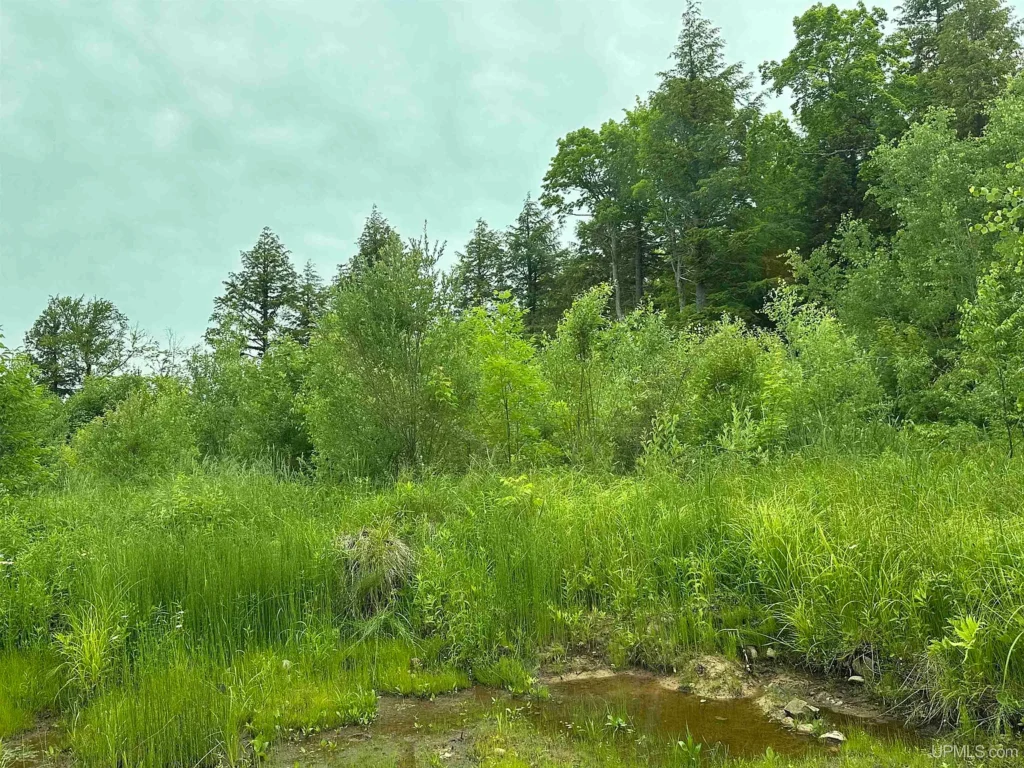
- Environmental / Wetland Check: Use the Michigan EGLE (Environment, Great Lakes, and Energy) mapping tools to ensure the front 40 acres are not designated wetlands. If the front access point is a protected swamp, building a driveway back to the 80 acres could require expensive federal permitting.
Part 9: Pros vs. Cons Analysis
To synthesize this exhaustive real estate analysis, here is an objective, unfiltered breakdown of the strengths and weaknesses of the Camp 3 Rd property.
The Pros (The Upside)
- Unbeatable Price: At $1,375 per acre, you are buying land at an extreme 60%+ discount compared to the Gogebic County median and Wakefield averages.
- Massive Scale: 120 acres ensures true off-grid isolation, unparalleled privacy, and complete control over your local hunting environment.
- Legal Road Frontage: 2,640 feet of frontage on Camp 3 Rd guarantees legal access and provides excellent future subdivision potential.
- Topography: Rolling and hilly terrain provides natural wildlife funnels and dry, secure building sites.
- Ultra-Low Holding Costs: Property taxes of just $625 a year make this a virtually risk-free long-term wealth store.
- Recreational Epicenter: Proximity to 2,000 miles of snowmobile trails, Lake Superior, Lake Gogebic, and endless hunting grounds.
The Cons (The Risks)
- 100% Off-Grid: The absolute lack of public water, sewer, and electricity means you must have the liquid capital and logistical know-how to install solar, wells, and septic systems.
- Dirt Road Access: Forest Route dirt roads can become heavily rutted during the spring mud season, requiring a reliable 4×4 truck or ATV to navigate.
- Corporate Seller Complexity: Requires extra legal diligence to ensure all timber and surface rights are fully conveyed without restrictive encumbrances.
Part 10: Final Verdict & Investment Recommendation
The Real Estate Verdict: A STRONG BUY FOR OFF-GRID HOMESTEADERS, HUNTERS, AND STRATEGIC LAND BANKERS.
The 120-acre parcel on Camp 3 Rd in Wakefield, MI, is a striking market anomaly. It is rare to find a property that so heavily defies the county’s median price-per-acre metrics while still offering legal access and highly usable, rolling topography.
For the suburban homebuilder seeking a manicured, turnkey subdivision lot with high-speed internet and city water, this property is a nightmare. However, for the rugged individualist, the serious big-game hunter, or the strategic land investor looking to park capital in a tangible, appreciating asset, this property represents an absolute home run.
At $165,000, you are acquiring a massive geographical footprint in one of the most beautiful, recreationally dense regions of the Midwest. By embracing off-grid solar technology and modern alternative wastewater solutions, a buyer can entirely bypass the lack of public utilities and establish a world-class private camp. The microscopic $625 annual tax bill ensures that time is on your side; you can hold this land effortlessly while the surrounding regional values continue to climb.
Next Steps for Buyers:
Land priced this far below the county median rarely survives on the market through the late summer and fall hunting acquisition season. Contact a local Gogebic County real estate agent immediately. Arrange a viewing using a 4×4 vehicle, physically walk the transition from the front 40 acres to the back 80, and prepare to submit a strong conventional or cash offer before this Northwoods sanctuary is claimed.
Listed on Zillow