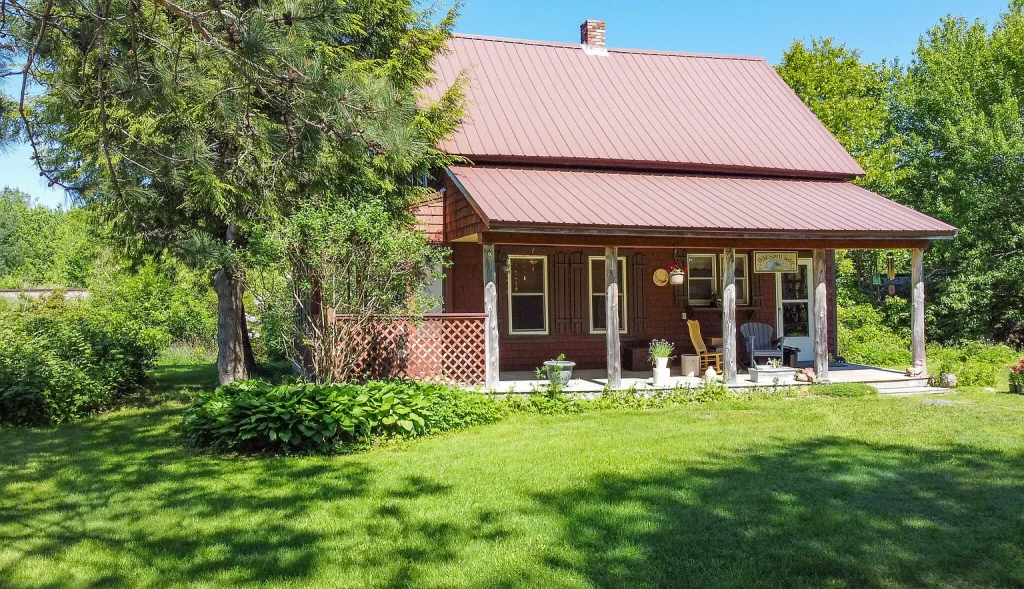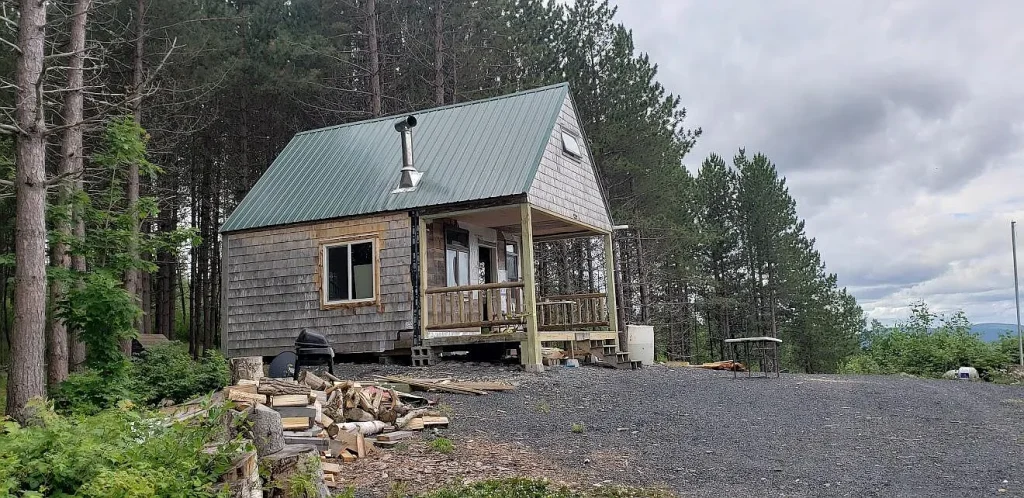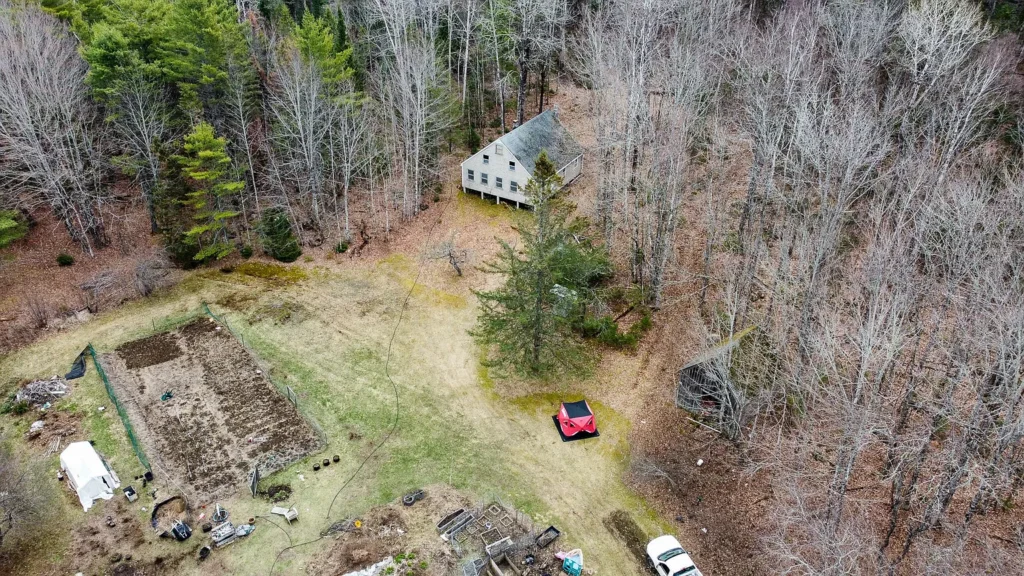
In today’s highly competitive real estate market, finding a property that offers substantial acreage alongside a standalone residential home for under $150,000 is an incredibly rare occurrence. When a listing like this hits the market, it immediately grabs the attention of real estate investors, house flippers, and aspiring homesteaders.
Currently listed at $139,900, the property located at 121 Stage Road, Etna, ME 04434 presents a massive, albeit challenging, opportunity. This listing features a 1900-built modified Cape Cod home sitting on a sprawling 22 acres of mostly wooded land. However, this is a Fannie Mae HomePath property, which indicates it is a bank-owned foreclosure. Homes in this category are sold strictly “As-Is,” meaning the buyer inherits every single problem, defect, and unfinished project left behind by the previous owners.
If you are wondering whether this property is a hidden goldmine waiting to be polished or a financial sinkhole that will drain your savings, you have come to the right place. Below is a comprehensive, deep-dive analysis covering the specific pros, the glaring cons, a financial breakdown, and a definitive verdict on whether this Maine property is worth your investment.
Property Specifications at a Glance
Before we dissect the interior condition and the land value, let’s look at the raw data and structural specifications provided in the listing:
- Listing Price: $139,900
- Property Address: 121 Stage Road, Etna, ME 04434
- Total Lot Size: 22 Acres (Level, Open Lot, Wooded, Rural)
- Livable Footprint: 1,390 Square Feet
- Bedrooms / Bathrooms: 3 Bedrooms / 2 Bathrooms (1 Full, 1 Half)
- Year Built: 1900 (Modified Cape Cod with Dormer)
- Foundation: Full, Poured Concrete (Unfinished Basement)
- Utilities: Private Sewer, Private Well Water, Forced Air Oil Heating
- Annual Property Taxes: $2,160
The Pros: What Makes This Property Highly Valuable?
At first glance, the photos reveal a house that needs a lot of love. However, experienced real estate investors know that you should never judge a book by its peeling wallpaper. The true value of this property lies in its foundational bones and the dirt it sits on.
1. The Immense Value of 22 Acres of Land
They simply are not making more land. Purchasing 22 acres of mostly wooded, level land in Penobscot County offers an incredible baseline of equity. For buyers interested in hunting, timber harvesting, ATV riding, or establishing a large off-grid agricultural homestead, this acreage is the ultimate blank canvas. Furthermore, depending on local rural zoning laws, a lot of this size presents the potential for future subdivision, allowing an investor to parcel off sections of the land to sell individually for a massive profit.
2. A Solid, Modernized Foundation
The biggest risk when buying a home built in the year 1900 is the foundation. Many historic New England farmhouses sit on crumbling, shifting fieldstone foundations that cost tens of thousands of dollars to repair. However, this property is a massive exception. As explicitly shown in the file
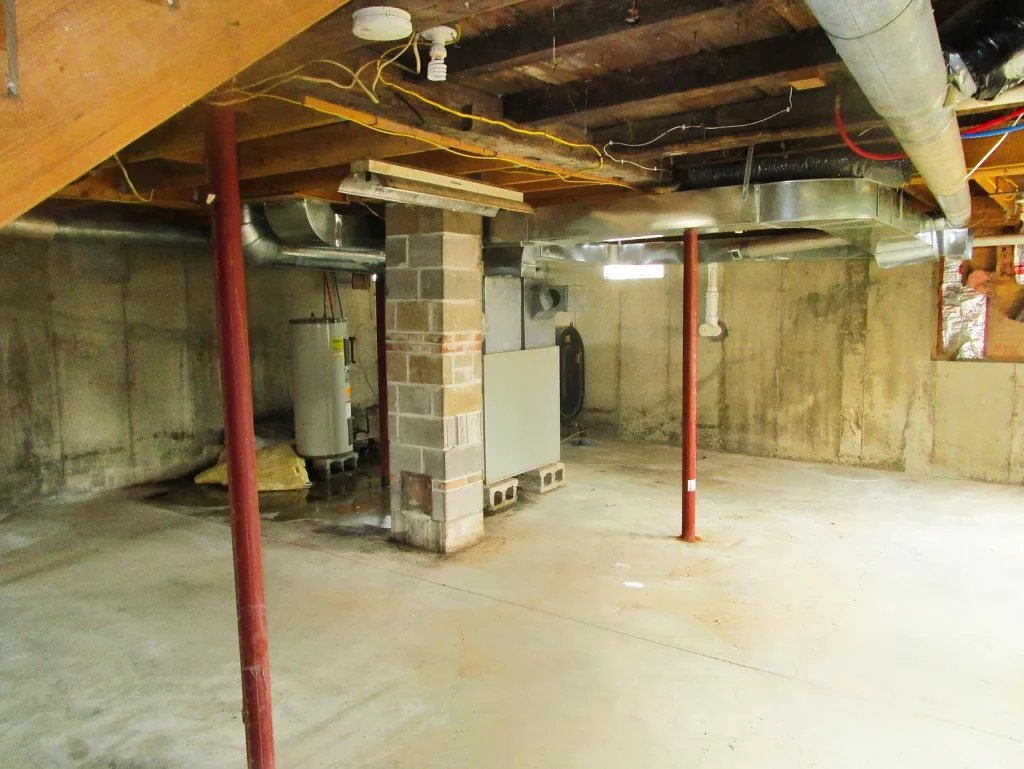
the home sits on a full, poured concrete foundation. The basement is dry, spacious, and features structural steel lally columns, modern forced air ductwork, a water heater, and a solid concrete block chimney base. This modernized structural integrity is a huge win for any buyer, removing the most terrifying financial risk from the equation.
3. Extremely Low Entry Price and Taxes
With an asking price translating to roughly $101 per square foot, the barrier to entry is incredibly low. Additionally, the annual property taxes are only $2,160. This low holding cost ensures that an investor who purchases the property to flip it will not be bled dry by municipal taxes while the renovation work is underway.
The Cons: The Harsh Reality of a Total Gut Rehab
While the land and the foundation are spectacular, the upper levels of the home tell a very different, highly distressed story. Buyers must be entirely realistic about the sheer volume of capital, time, and manual labor required to make this home habitable.
1. A Heavily Weathered Exterior
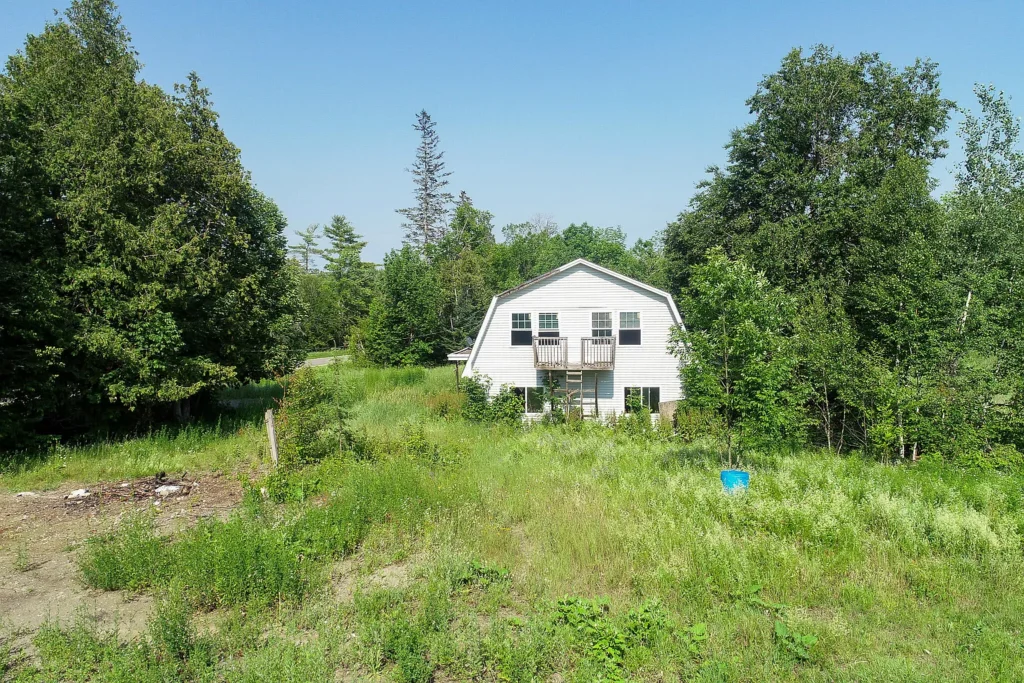
Looking at the exterior shot in
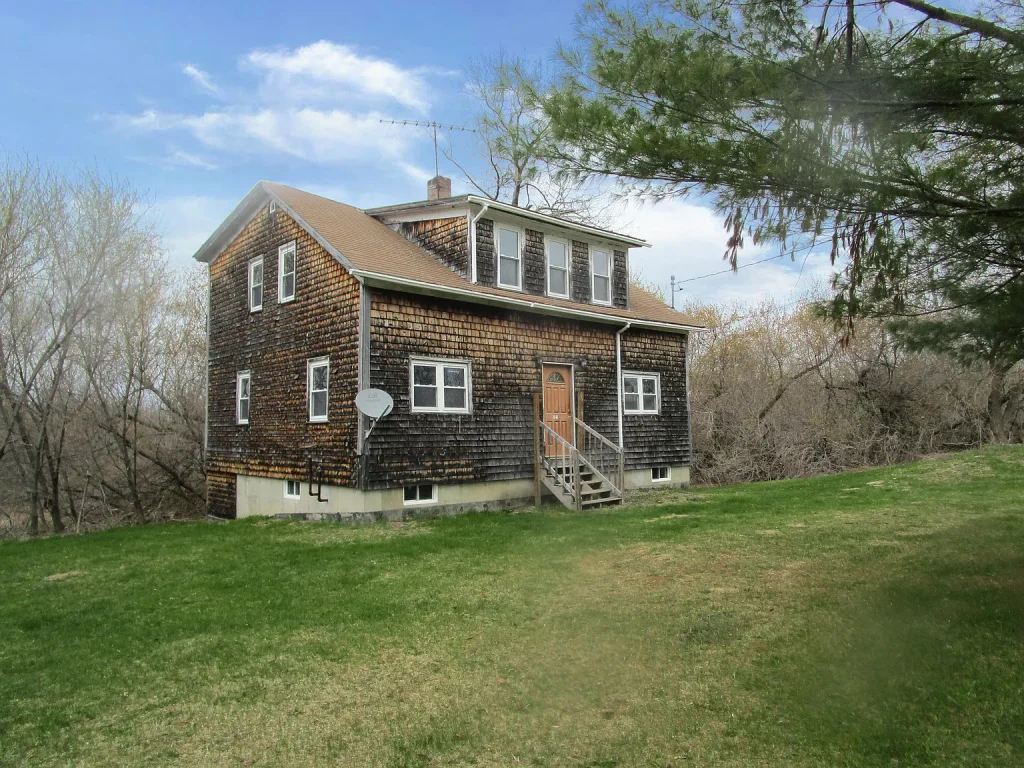
it is clear the house has been exposed to the harsh Maine elements without proper maintenance. The classic wood shingle siding is deeply weathered, blackened in areas, and will either need a highly aggressive chemical treatment and sealing process or complete replacement. Additionally, the roof shingles will need a thorough inspection by a professional to ensure there is no water penetrating the upper dormer.
2. Bathrooms That Require Complete Demolition
Both bathrooms in the home need to be completely gutted and rebuilt from scratch. The full bathroom, as seen in
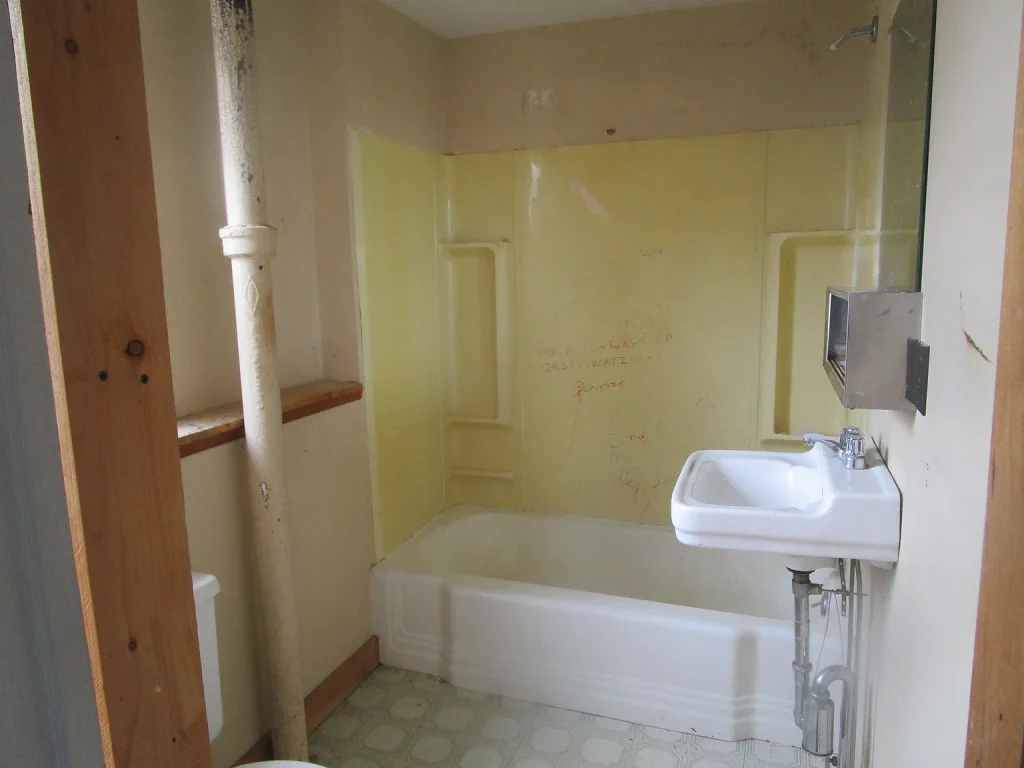
features a dated yellow fiberglass tub surround covered in crude writing and scribbles, an old wall-mounted sink with exposed plumbing, and unfinished framing. The half-bathroom shown in
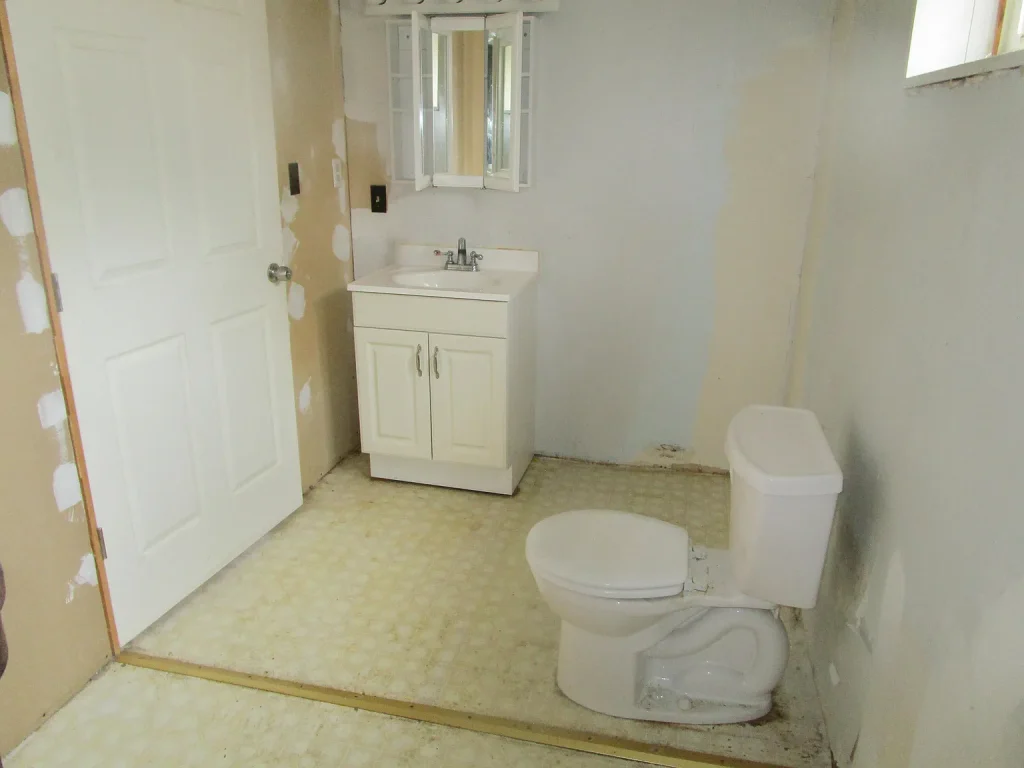
is equally neglected, featuring cheap linoleum flooring, a basic vanity, and walls covered in unfinished joint compound patches. You must budget for new tubs, toilets, vanities, tilework, and potentially updated plumbing runs.
3. A Dysfunctional, Torn-Apart Kitchen
The kitchen is the heart of any home, and this one is currently on life support. The image
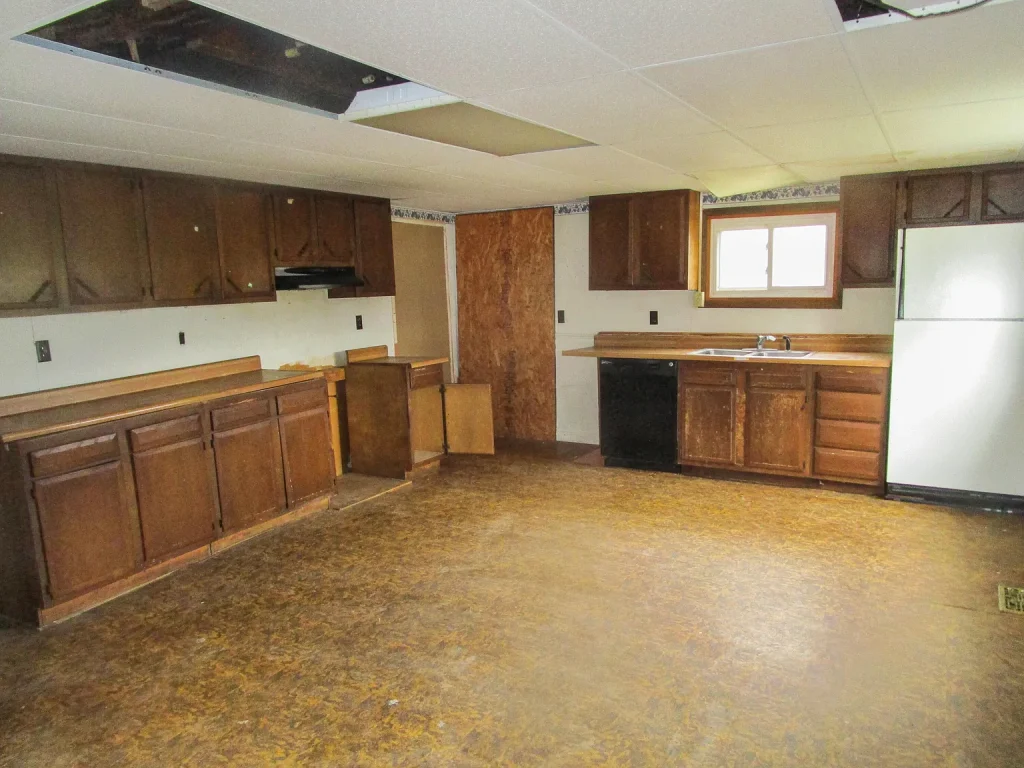
displays a large space that has been heavily scavenged. The dark wooden cabinets are missing doors and drawers, the countertops are bare, and the cheap flooring is peeling. Most concerningly, large sections of the drop ceiling are missing, leaving ductwork and electrical wiring completely exposed. A buyer will need to design and install an entirely new kitchen layout, including modern cabinetry, countertops, flooring, and lighting.
4. Cosmetic Disaster Across All Living Spaces
There is not a single room in this house that is “move-in ready.” The main living areas, captured in
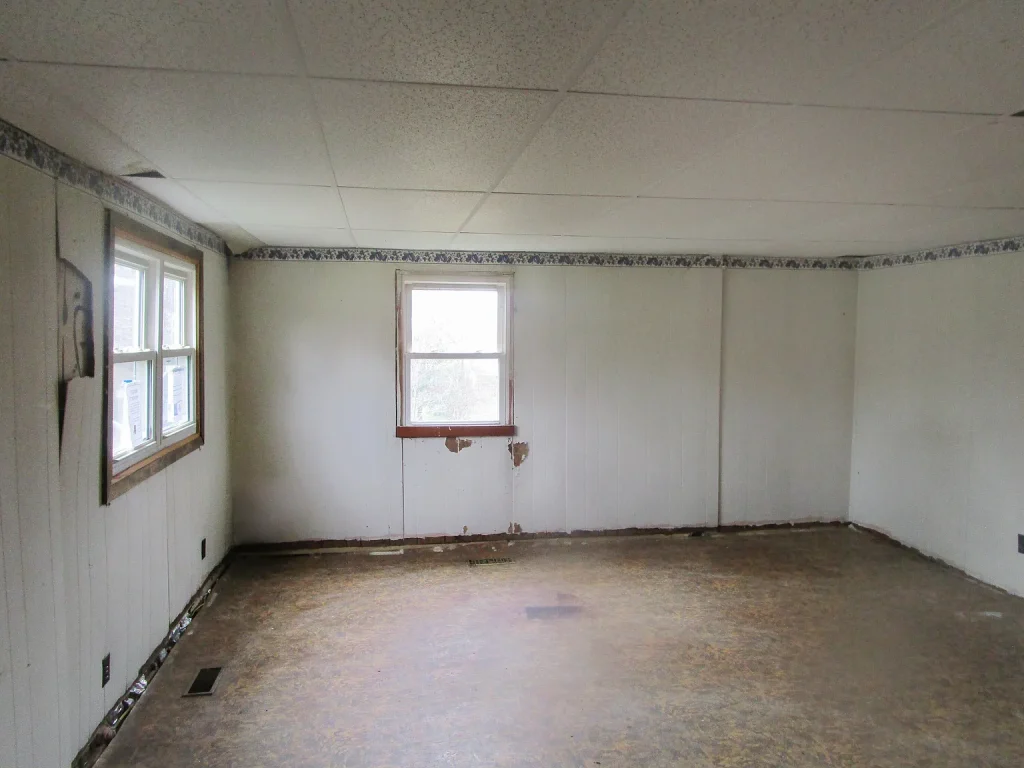
show ruined wallpaper, torn-out baseboards, and heavily damaged floors. The upstairs bedrooms are essentially active construction zones. The image
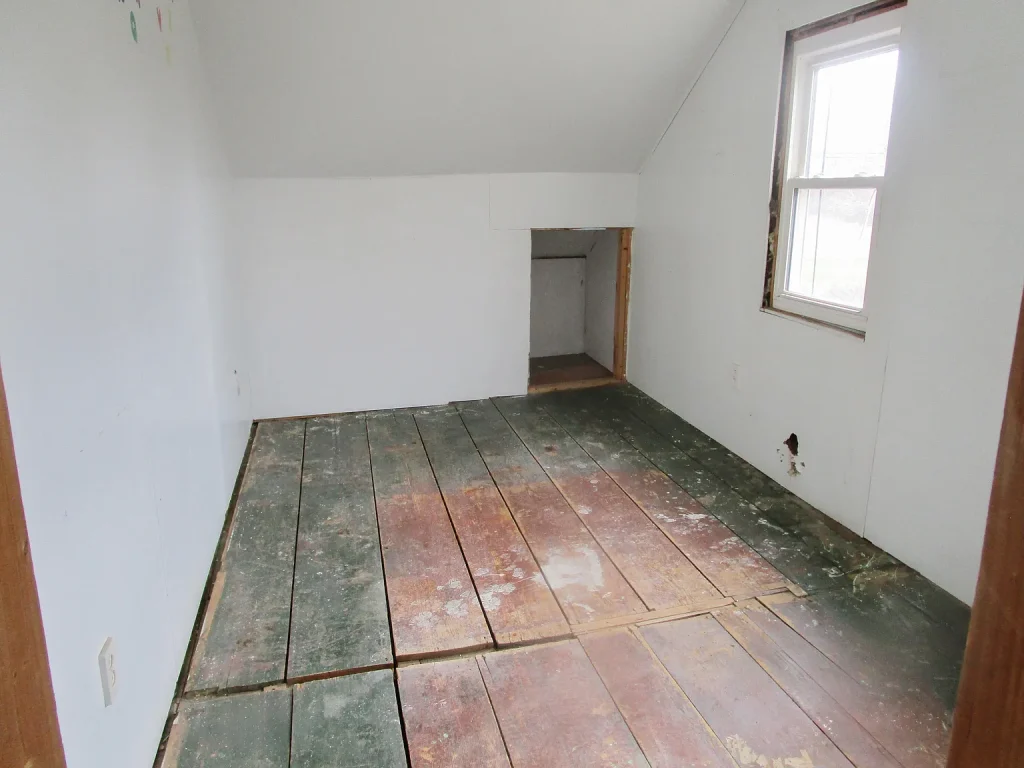
shows a room stripped entirely down to its stained, rough subfloor planks. Another bedroom, shown in
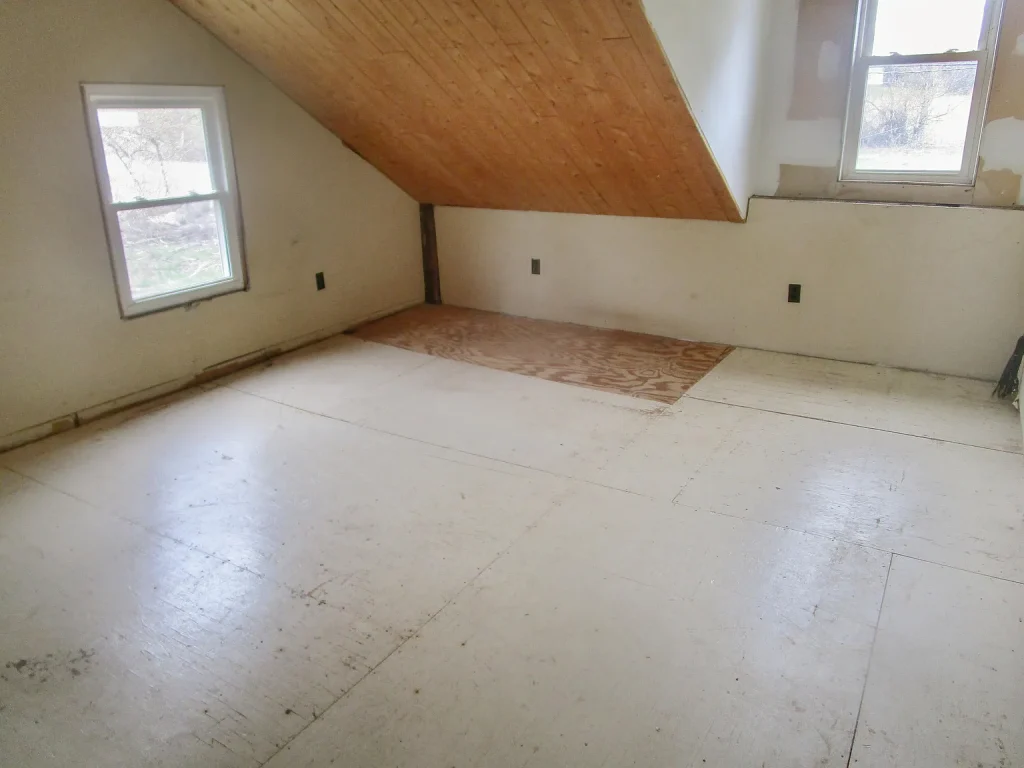
features large sheets of raw plywood crudely nailed down to patch holes in the floor, alongside unfinished drywall and a slanted wood-paneled ceiling. Even the rooms that appear slightly cleaner, such as the purple room in
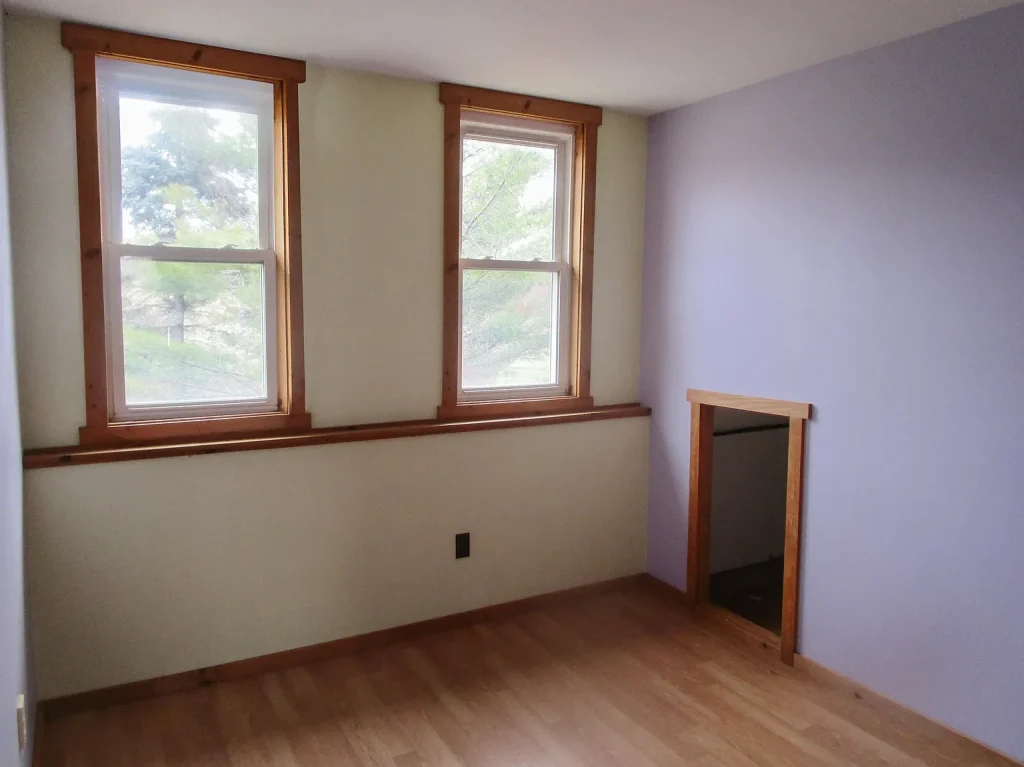
or the bare room in
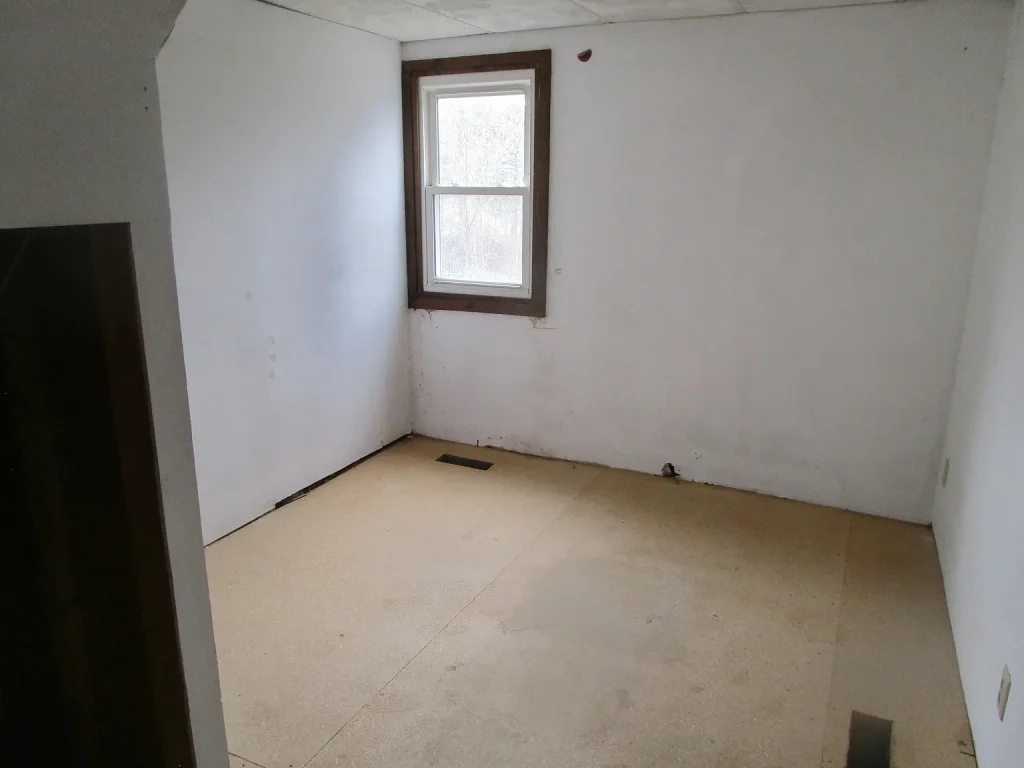
lack proper baseboard trim, consistent high-quality flooring, and professional paint jobs.
Price Analysis and True Cost of Ownership
When evaluating the $139,900 asking price, you must calculate the True Cost of Ownership by factoring in the necessary renovation budget. This is not a weekend DIY project; this is a heavy rehabilitation.
If we conservatively estimate the renovation costs based on the visual evidence:
- Kitchen Remodel: $15,000 – $25,000
- Two Bathroom Remodels: $12,000 – $18,000
- Flooring throughout 1,390 sqft: $8,000 – $12,000
- Drywall, Paint, and Trim: $5,000 – $10,000
- Exterior Siding Repair/Replacement: $10,000 – $20,000
A realistic buyer needs to have access to roughly $60,000 to $85,000 in liquid cash or specialized construction financing to bring this home up to modern retail standards. If you purchase the home for $140,000 and invest $80,000 into the rehab, your total investment sits at $220,000.
Given that fully renovated homes on 20+ acres in Penobscot County can easily sell for upwards of $300,000 to $350,000 depending on the quality of the finishes, there is a very healthy profit margin (sweat equity) built into this deal. The math heavily favors the buyer, provided they do not hire overpriced contractors and can do a significant portion of the cosmetic labor themselves.
Final Verdict: Should You Buy This Property?
The definitive answer is: Yes, but this property is strictly for experienced investors, contractors, or highly ambitious homesteaders.
Who should WALK AWAY:
If you are a first-time homebuyer looking for a cozy, move-in-ready house for your family, do not buy this property. Furthermore, if you are relying on traditional government-backed financing like a standard FHA, VA, or USDA loan, the bank will likely deny the loan because the house lacks functional bathrooms, a functional kitchen, and proper flooring. Fannie Mae HomePath properties in this condition generally require cash buyers, conventional rehab loans, or hard money lenders.
Who should BUY THIS:
If you are a seasoned house flipper, a professional contractor, or an individual with strong cash reserves looking to build a massive private homestead, this is a spectacular opportunity. You are essentially paying for 22 acres of beautiful Maine wilderness and a rock-solid poured concrete foundation, with the wooden house frame thrown in for free. By leveraging your own sweat equity to restore the interior, you can force massive appreciation and create a highly lucrative legacy property.
Listed on Zillow