More than 42 acres of wooded Michigan countryside, mature apple trees, open clearings, and an old farmhouse—all listed for $119,000. This Atlantic Mine property offers an intriguing rural setting, but buyers should understand why it is being sold as unimproved land rather than a ready-to-occupy home.
Located on TBD Rova Road in Atlantic Mine, Michigan 49905, this 42.27-acre parcel offers a combination of forest, open ground, and remnants of a former homestead.
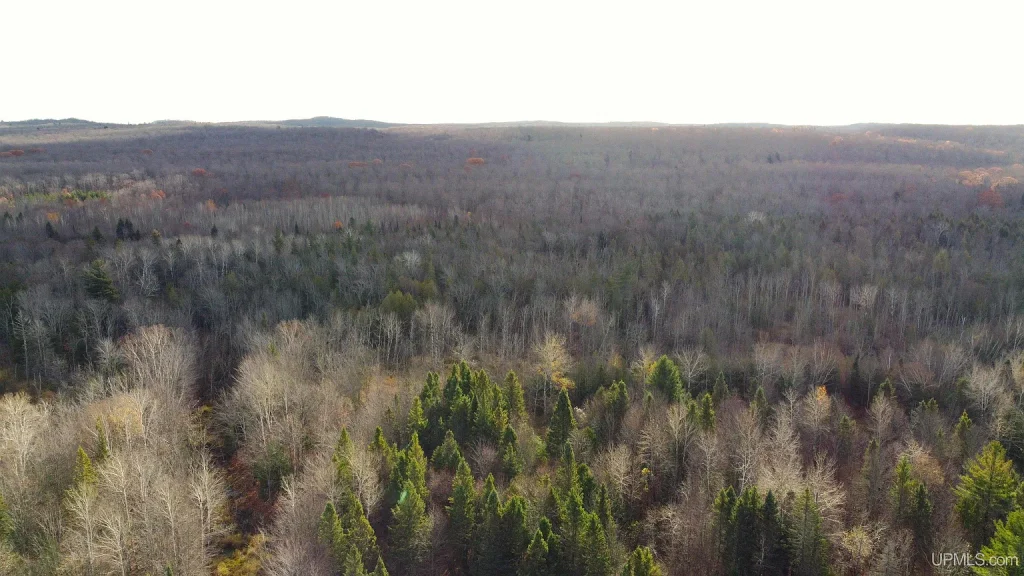
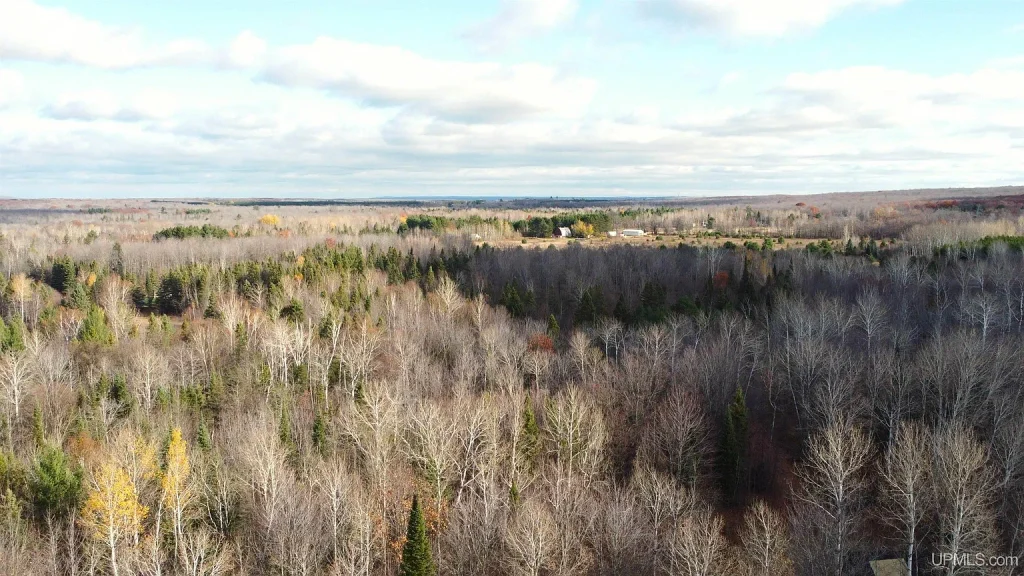
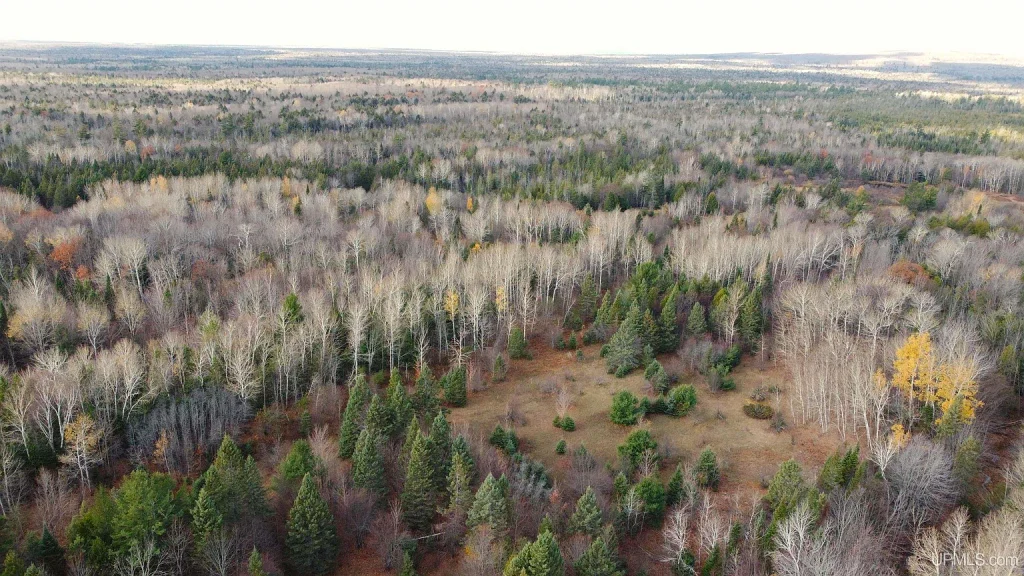
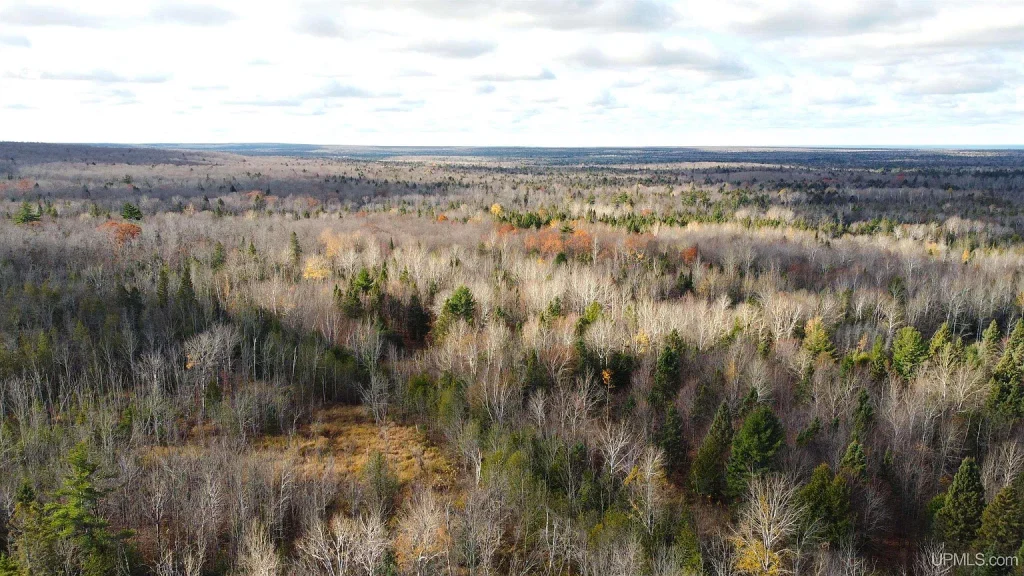
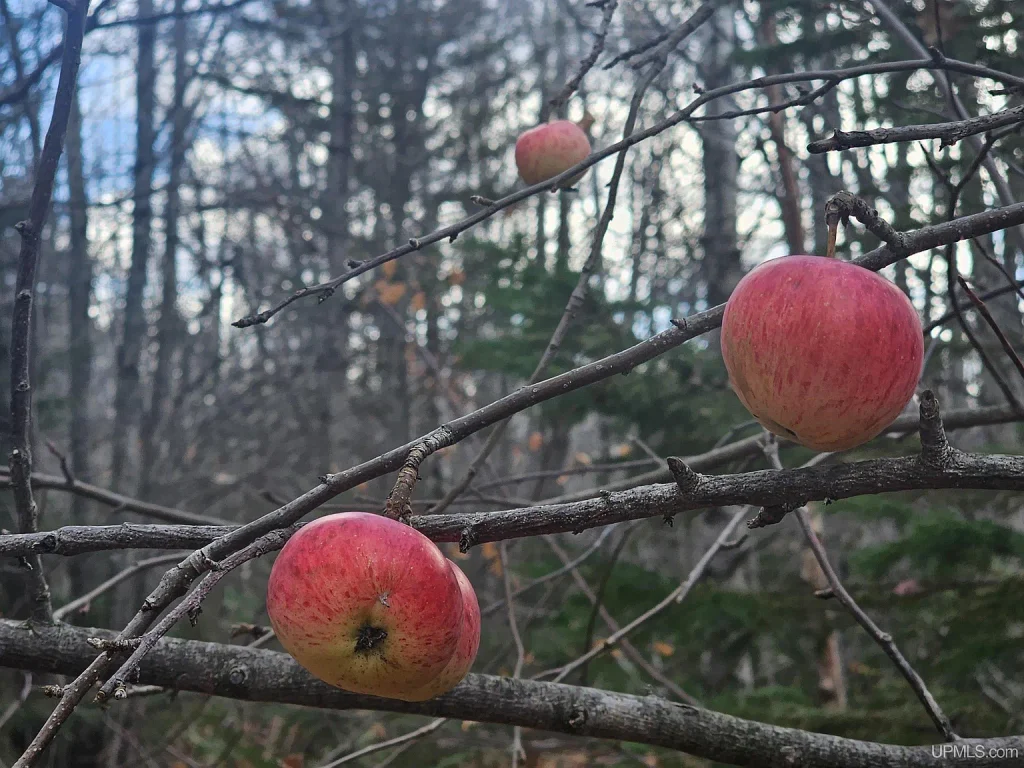
According to the listing, two sides of the property border thousands of acres of commercial forest land. The parcel also contains mature apple trees, a mixture of pine, hardwoods, and poplar, and areas of lower-lying terrain.
For someone looking for a recreational property, a possible future homesite, or a large wooded parcel in Michigan’s Upper Peninsula, the land may deserve consideration.
However, there are important limitations. The old farmhouse is described as deteriorated and unsuitable for occupancy. The property has no reported water or sewer system, and electricity does not currently extend to the parcel.
Property Overview
| Property Detail | Information |
|---|---|
| Location | TBD Rova Road, Atlantic Mine, MI 49905 |
| Asking Price | $119,000 |
| Property Type | Unimproved land |
| Land Size | 42.27 acres |
| Existing Structure | Deteriorated former farmhouse |
| Habitable Residence | None advertised |
| Land Features | Wooded areas, open spaces, lowland areas |
| Trees | Mature apple trees, pine, hardwoods, and poplar |
| Adjacent Land | Commercial forest land on two sides |
| Road Access | Easement off Rova Road |
| Electricity | Not extended to property |
| Water | None reported |
| Sewer | None reported |
| Zoning Description | Residential |
| HOA | None reported |
| Listing Date | November 2, 2026 |
| Listing Terms | Cash or conventional, as advertised |
| Parcel Numbers | 01306101100 and 01306100975 |
Information is based on the supplied listing details. Acreage, access, utilities, boundaries, zoning, price, and availability should be independently verified.
A Former Michigan Homestead With 42.27 Acres
One of the most distinctive aspects of this property is its history as a former homestead.
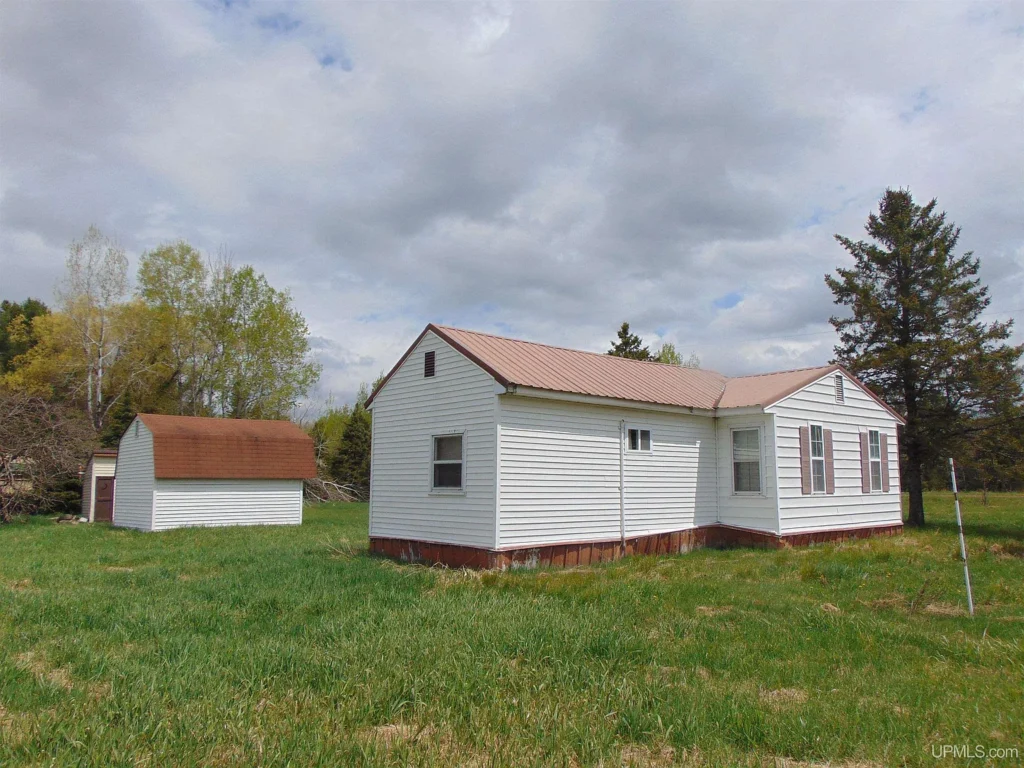
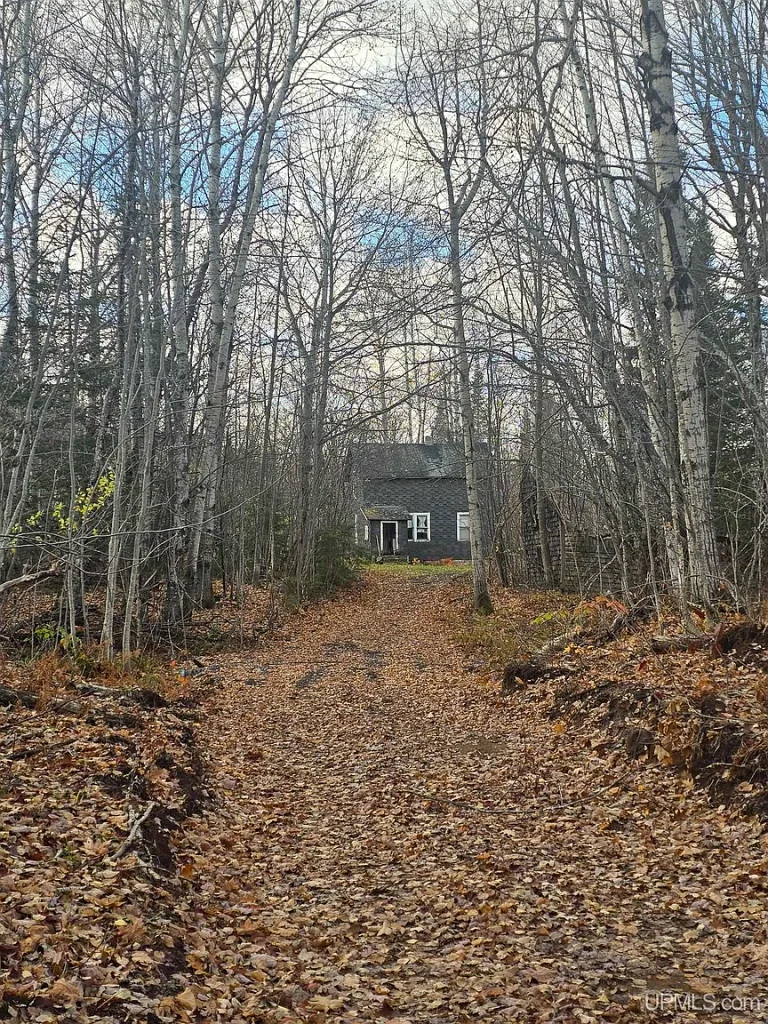
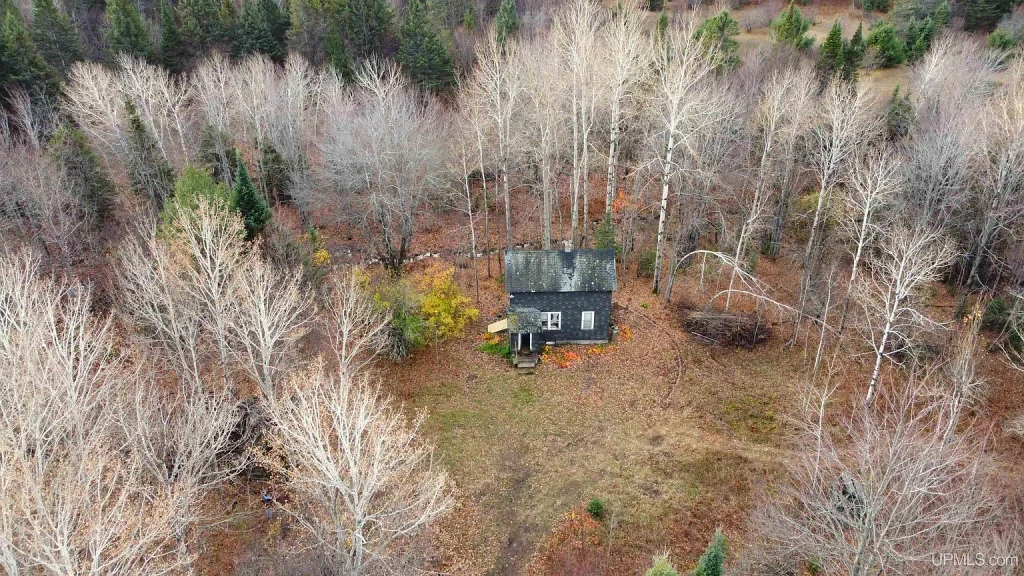
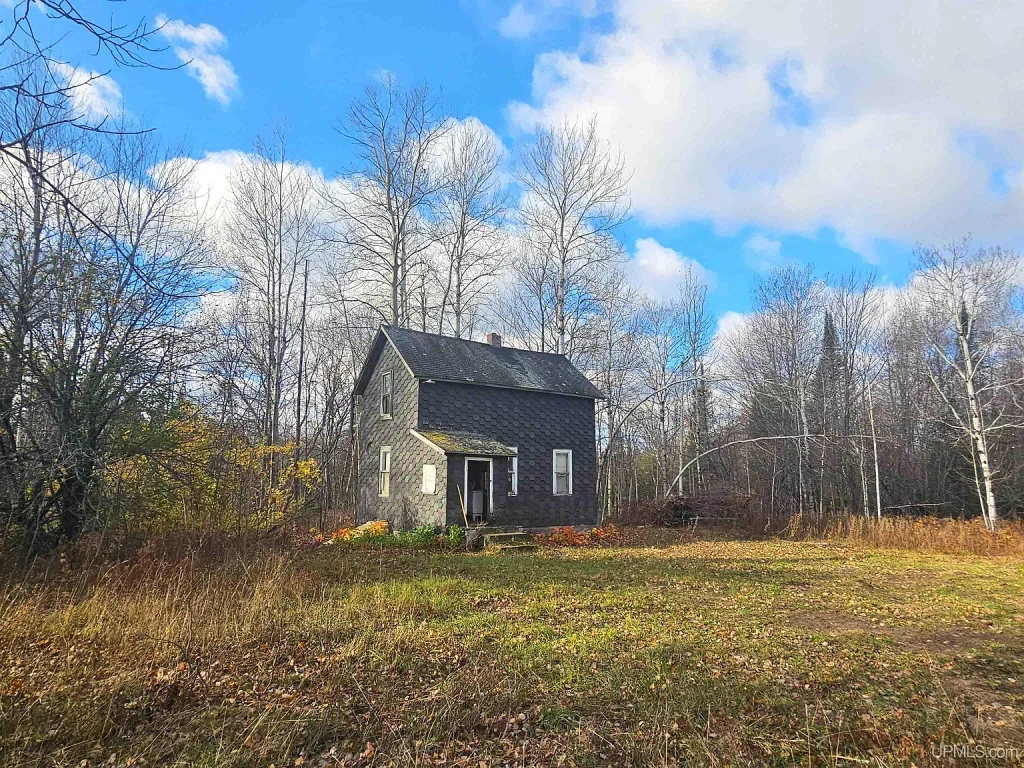
An old farmhouse remains on the land, offering a visible reminder of the parcel’s previous residential use.
But prospective buyers should not confuse the presence of an old building with the availability of a usable home.
The seller’s description explicitly states that the farmhouse has deteriorated and is not suitable for occupancy.
That makes this property fundamentally different from an inexpensive fixer-upper with a functioning residential structure.
A buyer interested in restoring the farmhouse would first need an assessment by qualified building professionals to determine whether restoration is structurally feasible, legally permitted, and financially practical.
In some cases, removing an unsafe building and constructing something new may be more realistic than attempting a full restoration.
Any demolition or rehabilitation plan should account for potential hazardous building materials, debris disposal, permits, and site preparation.
Wooded Land, Apple Trees, and Open Clearings
The land itself is the main attraction.
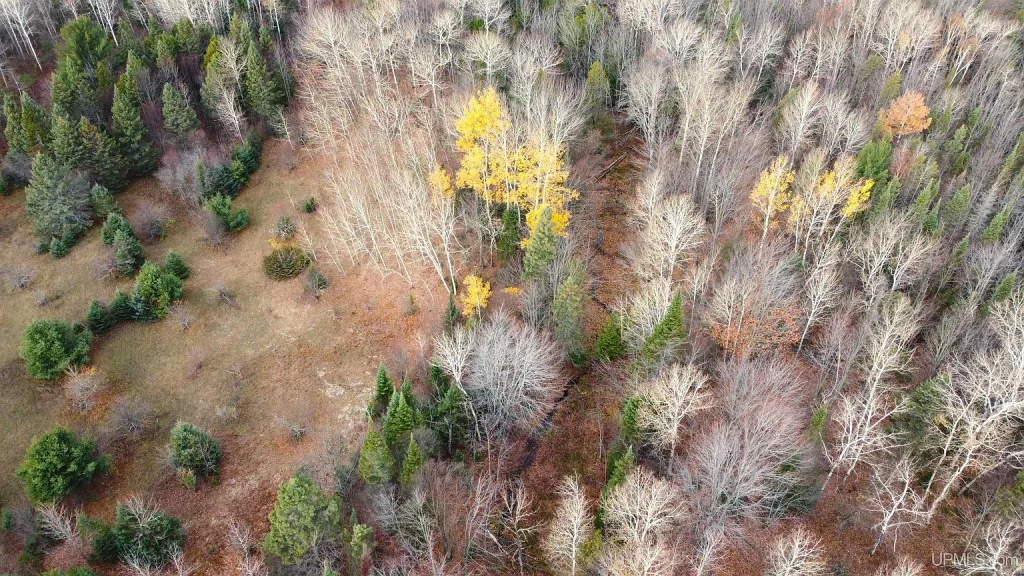
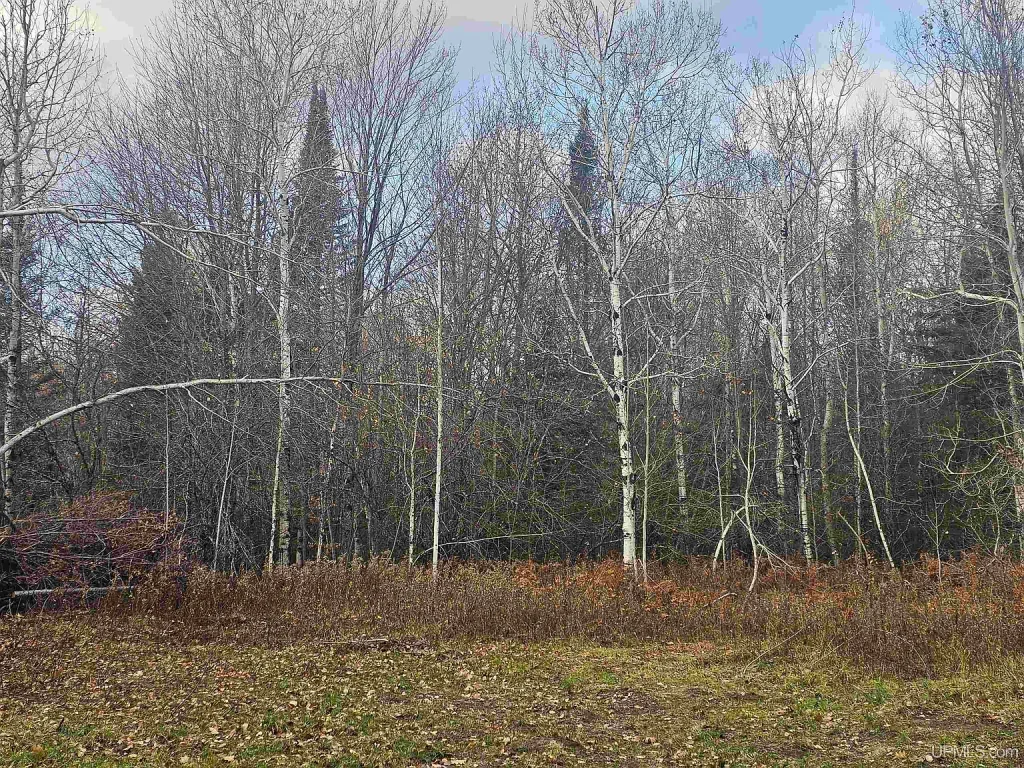
The listing describes a mix of pine, hardwoods, and poplar, along with dozens of mature apple trees.
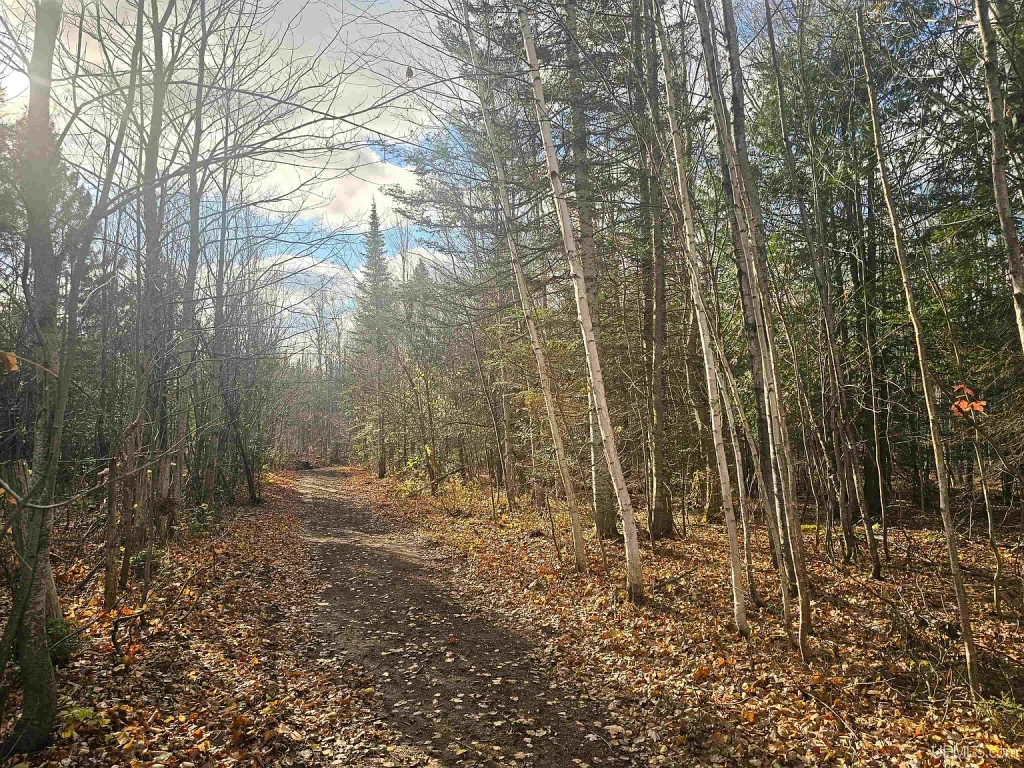
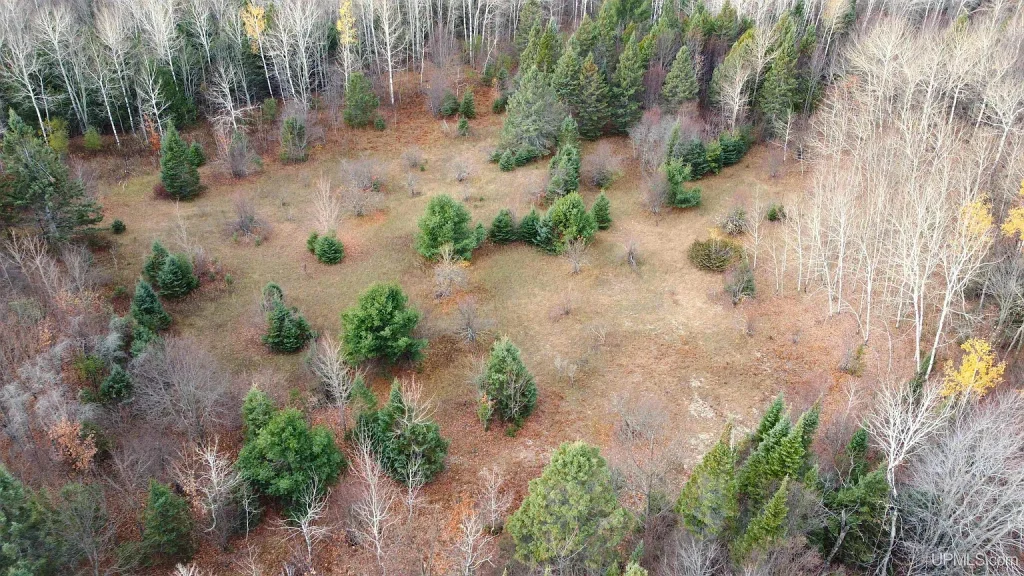
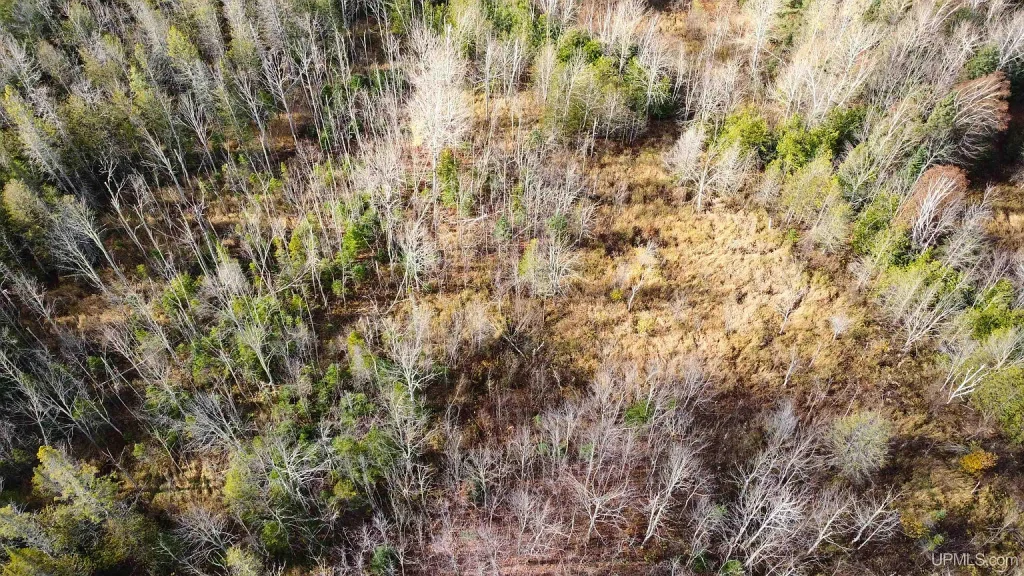
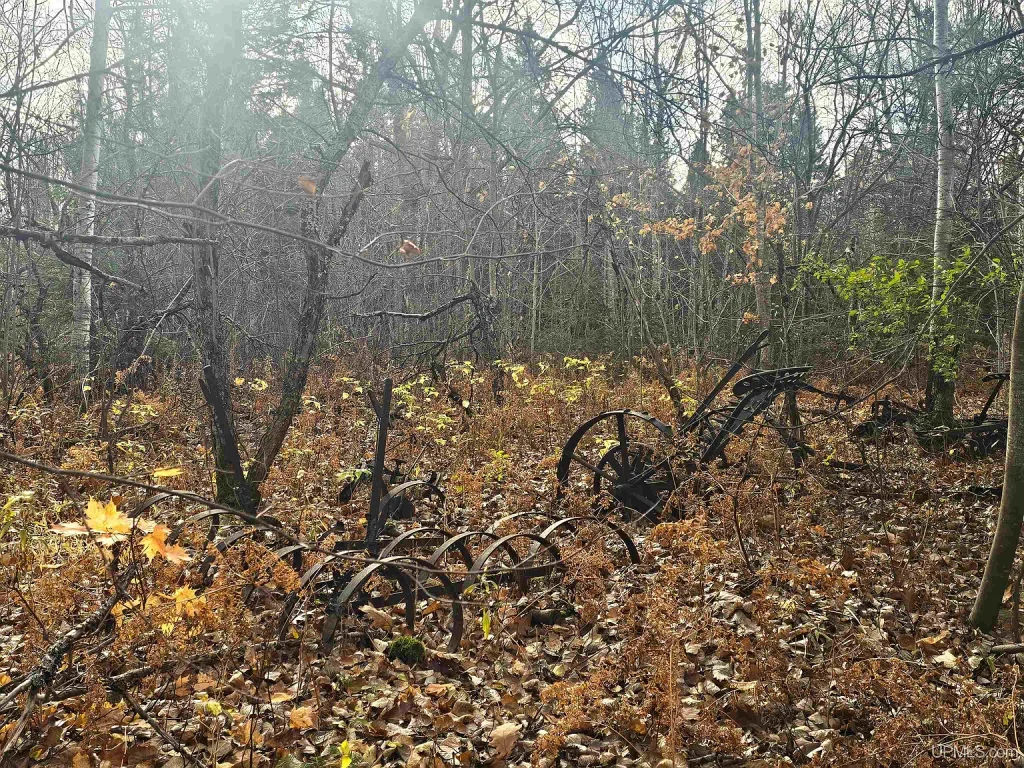
The supplied photographs show a landscape that includes wooded sections, natural clearings, and areas of more open ground.
This variety may appeal to buyers who prefer a property with different terrain and vegetation rather than an uninterrupted stand of dense forest.
Mature Apple Trees
The property’s established apple trees are an interesting feature.
They may provide seasonal fruit and contribute to the landscape’s appeal.
However, buyers should not assume that the trees are commercially productive or that every tree is healthy.
An inspection could help determine their condition, maintenance needs, and potential for future use.
Open Areas and Wooded Sections
The photographs show a combination of open areas and forest cover.
Such a layout may offer flexibility for recreational activities, subject to local regulations and site conditions.
Potential uses could include walking trails, wildlife observation, seasonal camping, or a future building site.
But not every part of a 42-acre parcel will necessarily be suitable for construction or vehicle access.
The listing specifically identifies lowland areas, which should be evaluated carefully.
Lowland Areas and a Small Watercourse
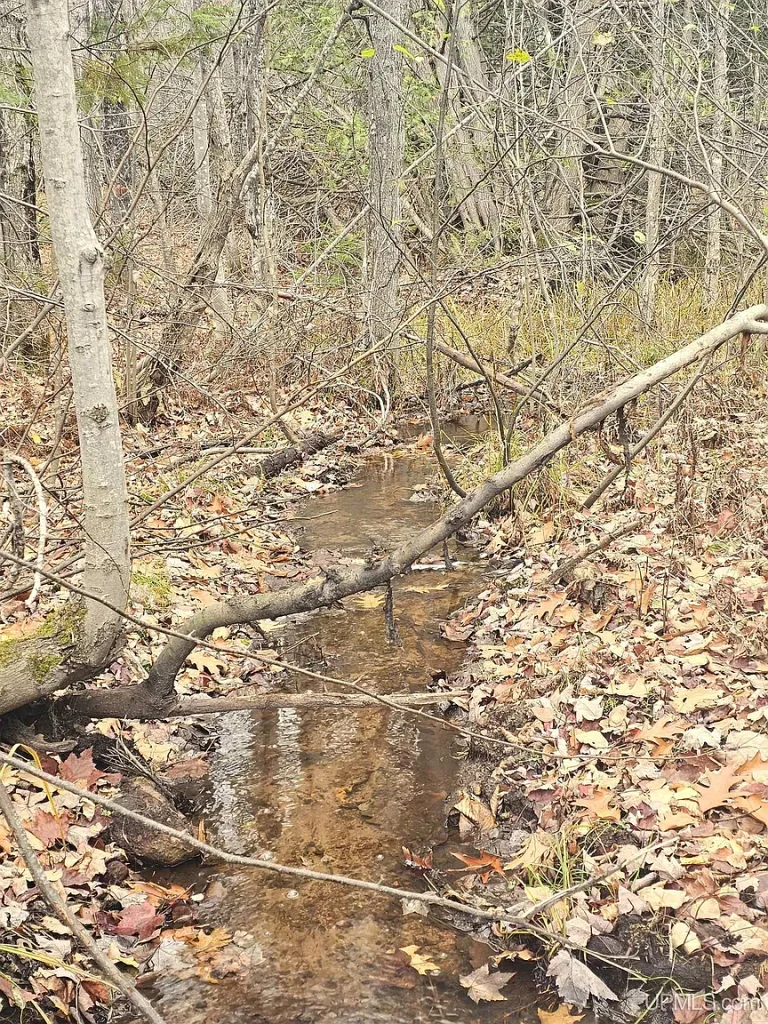
One of the supplied photographs shows a small stream-like watercourse running through wooded ground.
This is an attractive natural feature, but the listing does not advertise the property as waterfront and does not establish that the watercourse is perennial, legally within the parcel boundaries, or suitable as a water supply.
Buyers should verify its exact location and seasonal behavior.
The listing also mentions lowland areas.
These could affect drainage, road construction, septic suitability, and the location of any future home.
A low-lying or wet area is not automatically a regulated wetland, but it deserves additional investigation before land disturbance.
Before selecting a building site, buyers should review available flood maps, soil information, and any applicable wetland restrictions.
The presence of a small watercourse should be treated as a feature to investigate—not as proof of a dependable year-round creek.
Bordering Thousands of Acres of Commercial Forest Land
According to the property description, two sides of the parcel border extensive commercial forest land.
This setting could make the property especially appealing to people who value privacy, forest scenery, and outdoor recreation.
However, commercial forest land is not necessarily the same as permanently protected public wilderness.
Ownership, timber-management practices, access rules, and future land use may change.
In Michigan, certain privately owned lands enrolled in the Commercial Forest Program may be subject to public hunting and fishing access requirements.
That does not mean every neighboring forest parcel is freely accessible for every recreational activity.
Buyers should verify the ownership and program status of the adjoining land through official records.
They should also understand whether timber harvesting or other forest-management activities could occur nearby.
Road Access: The Rova Road Easement
The listing identifies access through an easement off Rova Road.
This is one of the most important details for anyone considering the property.
An easement may provide legal access across land owned by another party, but its usefulness depends on the actual recorded terms.
Before purchasing, buyers should obtain and review the easement documents.
Important questions include whether the easement permits residential access, construction traffic, utility installation, and year-round use.
Buyers should also determine who maintains the access route and whether it can accommodate emergency vehicles.
The property’s dead-end setting may provide privacy, but it also makes dependable access especially important during winter.
In Michigan’s Upper Peninsula, snow removal and seasonal road conditions can materially affect the practicality of a remote property.
No Existing Utilities: What Buyers Need to Know
The listing identifies no existing water or sewer service.
It also states that electricity is not extended to the property.
These are major considerations for anyone hoping to build a home or establish a permanent recreational camp.
Electricity
A buyer would need to investigate the nearest available electrical connection and obtain a written estimate for extending service.
The cost can depend on distance, terrain, easement rights, and utility-company requirements.
An off-grid solar or generator system might be an alternative, but such systems also involve equipment, maintenance, and installation costs.
Water Supply
No functioning well or other water system is advertised.
A prospective buyer should consult a qualified well contractor and local authorities about the feasibility and cost of establishing a reliable water supply.
Septic and Wastewater
No sewer or septic system is reported.
Even though the listing describes the zoning as residential, this does not automatically establish that the parcel can support a permitted septic system.
Soil conditions, setbacks, drainage, and applicable health-department requirements must be evaluated.
Because lowland areas are present, septic feasibility deserves particular attention before any purchase intended for residential construction.
Could You Build a New Home Here?
The listing identifies the zoning description as residential and suggests that the parcel may be suitable for a future home.
That makes new construction an obvious possibility to investigate.
However, a residential zoning label alone is not a building permit or a guarantee that a particular site is buildable.
Prospective buyers should verify the following with the appropriate local authorities:
- The exact zoning district and permitted uses
- Minimum lot and building requirements
- Setbacks from roads, property lines, and water features
- Wetland and drainage restrictions
- Septic and well feasibility
- Legal access and driveway permit requirements
- Utility connection options
- Permits required to demolish or restore the old farmhouse
A professional survey may also be needed to confirm the parcel boundaries and locate the most practical building areas.
For buyers planning a permanent residence, these investigations should occur before committing to the purchase.
Potential as a Hunting or Recreational Property
The property’s wooded acreage, apple trees, and proximity to extensive forestland may appeal to hunters and outdoor enthusiasts.
The listing also describes abundant wildlife.
While that is an encouraging feature, buyers should not interpret it as a guarantee of hunting opportunities or wildlife populations.
Any hunting or recreational use must comply with Michigan law, property boundaries, safety requirements, and applicable access restrictions.
A buyer considering a hunting camp should also confirm whether camping, temporary structures, generators, and recreational vehicles are permitted under local rules.
The property may offer substantial recreational potential, but the intended use should be legally and practically verified.
Is $119,000 a Reasonable Price for 42.27 Acres?
At the advertised asking price of $119,000, the property works out to approximately $2,815 per acre.
That is a simple calculation based on the listing price and advertised acreage, not an independent appraisal of market value.
Whether the asking price represents good value depends on factors such as:
- Comparable vacant-land sales in the surrounding area
- Road access and easement conditions
- Buildable acreage
- Wetlands and drainage
- Utility installation costs
- Survey and boundary conditions
- The condition and removal cost of the old farmhouse
- Restrictions affecting the parcel
The deteriorated structure could be a liability rather than a financial asset if substantial demolition or environmental remediation is required.
A buyer should evaluate the parcel primarily as land until the condition and legal usability of the existing structure have been professionally established.
Property Taxes and Ownership Costs
The seller’s listing warns that property taxes may be reassessed after a sale and could change significantly.
No reliable current annual tax amount is provided in the supplied details.
Buyers should request the latest tax bills and confirm the assessment status of both parcel numbers with the local assessing authority.
Insurance, land maintenance, access-road upkeep, and any future development expenses should also be included in the ownership budget.
Important Questions Before Making an Offer
A prospective buyer should investigate several issues before purchasing this property.
- Survey: Are both parcel numbers included in the sale, and do they total 42.27 acres?
- Access: Is the Rova Road easement recorded, transferable, and suitable for the intended use?
- Buildability: Which areas can legally and practically support a new residence?
- Wetlands: Are any portions subject to regulated wetland or watercourse restrictions?
- Septic: Can the property support an approved wastewater system?
- Water: Is drilling a well feasible, and what might it cost?
- Electricity: How far away is the nearest available service connection?
- Farmhouse: Is the old building structurally salvageable, or would removal be necessary?
- Forest boundaries: Who owns the adjoining commercial forest land, and what access rules apply?
- Taxes: What are the current tax obligations, and how might they change after purchase?
- Restrictions: Are there deed restrictions, conservation agreements, or other recorded encumbrances?
- Financing: Will a lender finance the parcel in its current condition?
Answering these questions can help a buyer develop a realistic picture of the property’s usable value.
Who Might Be Interested in This Property?
This Atlantic Mine parcel could appeal to several types of buyers.
A recreational-land buyer may value the wooded setting, open spaces, and opportunity to establish a private outdoor retreat.
A future homeowner may be interested in finding a suitable building location, provided that zoning, access, soils, and utilities support construction.
A conservation-minded landowner may appreciate the existing trees and natural landscape, subject to any applicable management obligations.
However, this is not an appropriate choice for someone expecting a finished house with conventional utilities.
The property requires due diligence, and any development plan may involve considerable additional investment.
Final Thoughts: 42.27 Acres of Michigan Countryside
TBD Rova Road in Atlantic Mine, Michigan, offers an unusual combination of mature apple trees, wooded acreage, open clearings, and a former homestead setting.
At $119,000, the 42.27-acre parcel may attract buyers searching for recreational land or a potential future homesite in the Upper Peninsula.
Its forested surroundings and relative seclusion are appealing characteristics.
But the most important details are the ones that require investigation: legal easement access, lowland conditions, missing utilities, the feasibility of future construction, and the deteriorated farmhouse.
For the right buyer, the property’s appeal lies in its land and natural setting—not in the assumption that the existing building is ready to use.
Careful verification of the property’s boundaries, access rights, buildable areas, and development costs is essential before making a purchase decision.
Original Property Listing
View TBD Rova Road, Atlantic Mine, Michigan on Zillow
Official Resources for Buyers
- Michigan Department of Natural Resources — Information on hunting, recreational land, and the Commercial Forest Program.
- Michigan Department of Environment, Great Lakes, and Energy — Wetlands, water resources, and environmental regulations.
- USDA Web Soil Survey — Soil information for land-use planning.
- FEMA Flood Map Service Center — Flood hazard research.
- Houghton County Government — Local property records and government resources.
Disclaimer: This article is provided for general educational and informational purposes only. EstatePath is not the listing brokerage and does not represent the seller. The information is based on the supplied property listing and photographs and has not been independently verified. Price, availability, acreage, zoning, access, utilities, and development potential may change. Buyers should consult the listing agent, local authorities, and qualified professionals before making a real estate purchase.