Buying more than 200 acres of Tennessee land for about half a million dollars is the kind of listing that immediately raises questions.
What exactly are you getting for the money? Is the land suitable for an off-grid homestead? Could it work as a hunting or recreational property? What about camping, future development, financing, property taxes, and the ongoing cost of owning such a large parcel?
A 201.44-acre property currently listed for $525,000 at 1111 Ditch Gap Rd, Whitwell, Tennessee 37397 offers an interesting case study.
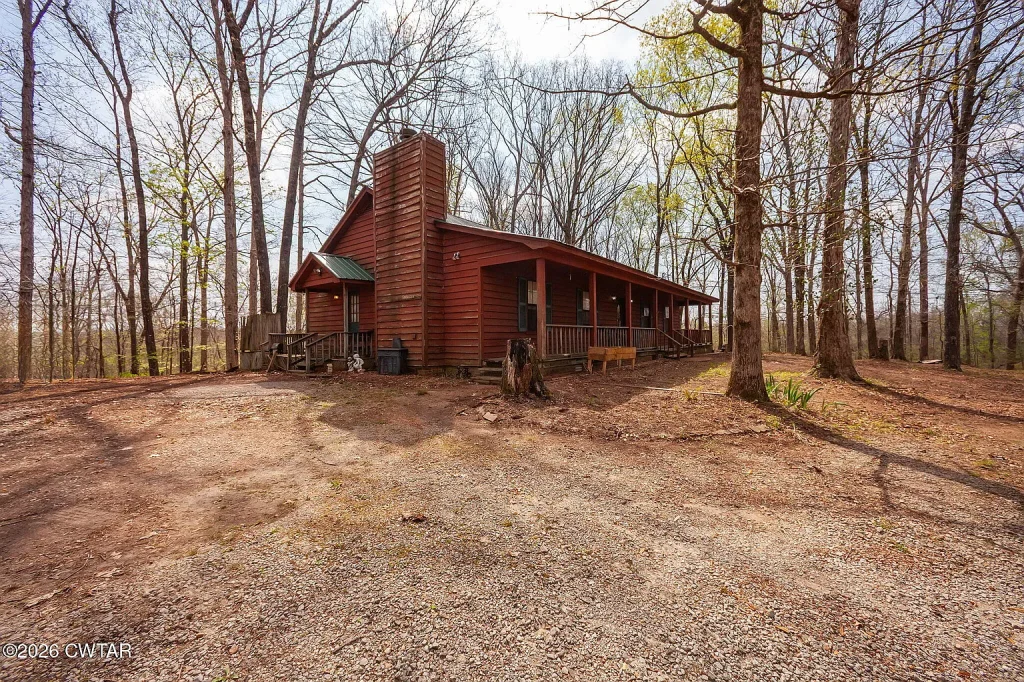
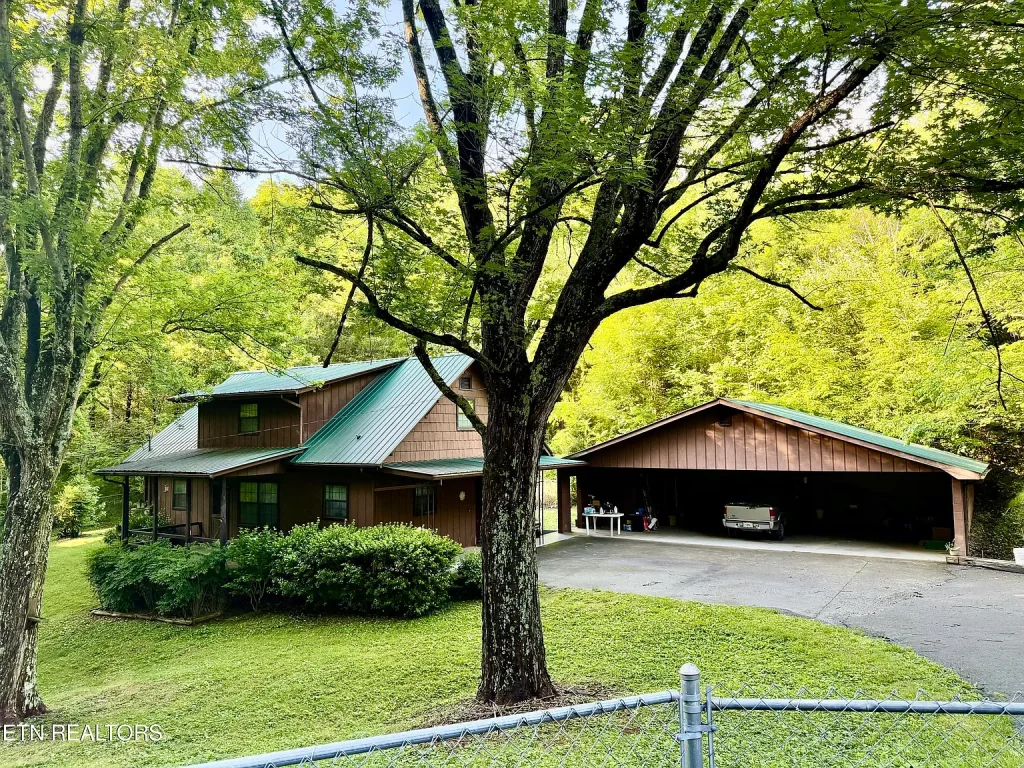
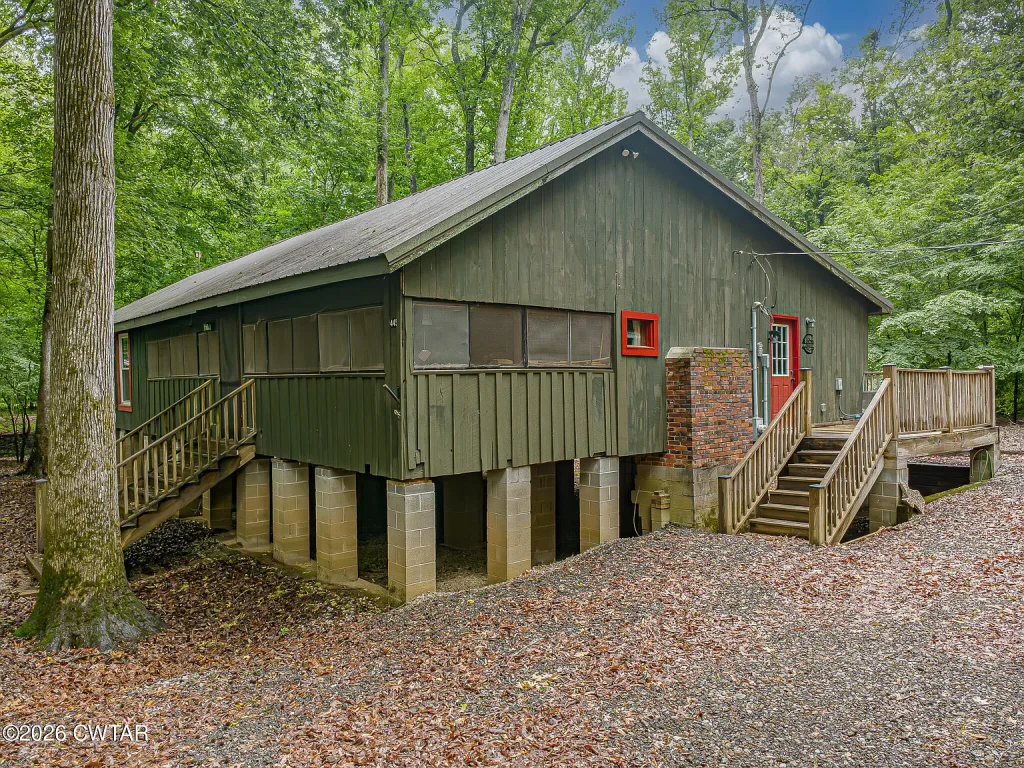
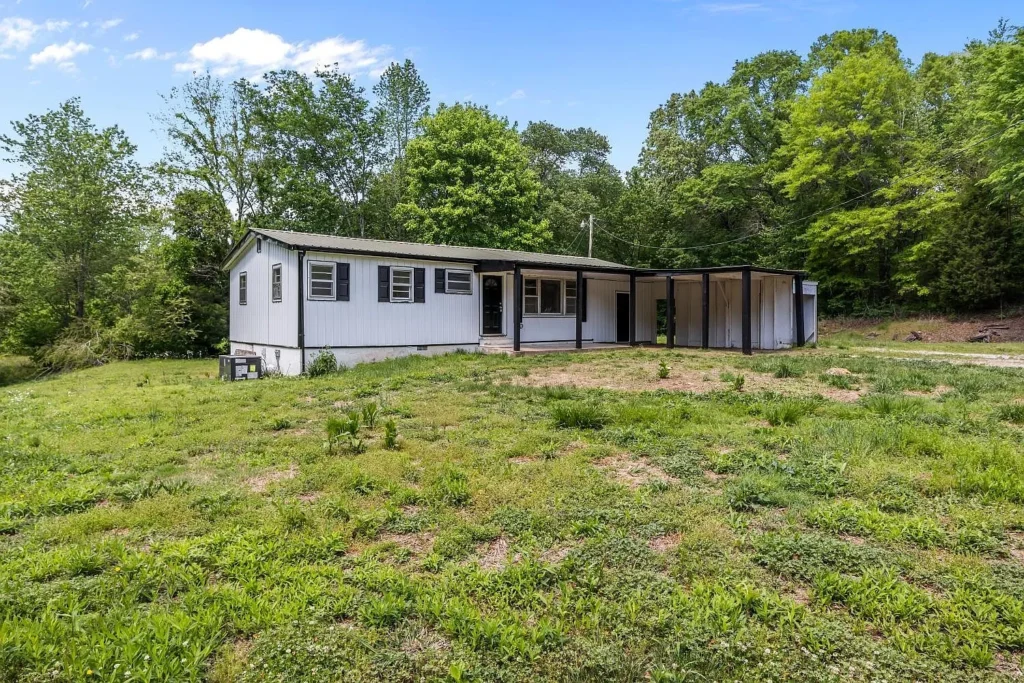
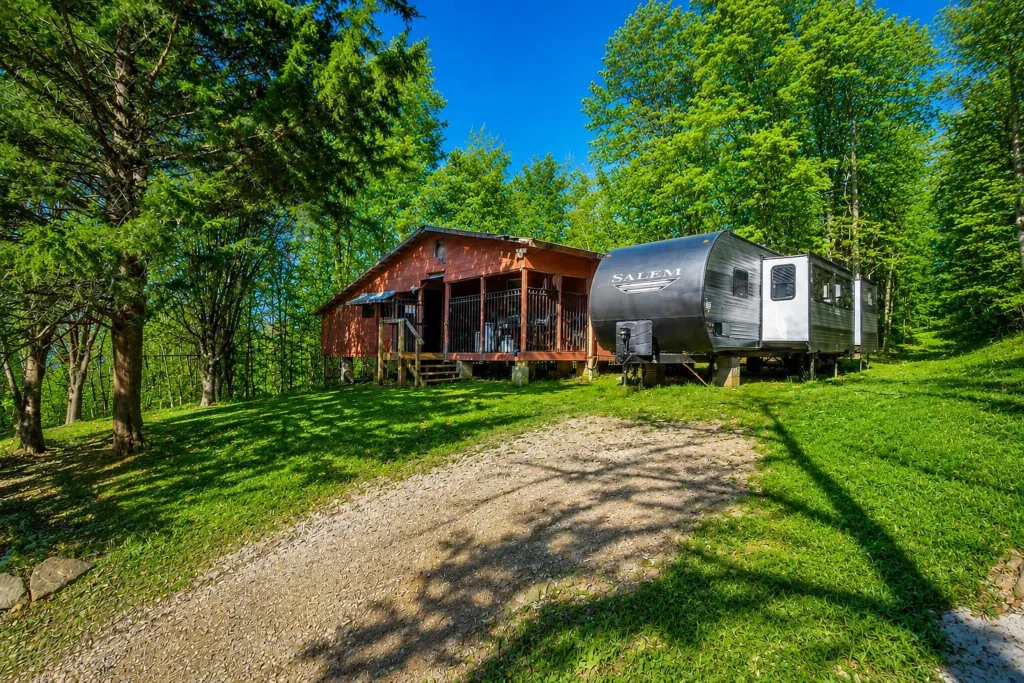
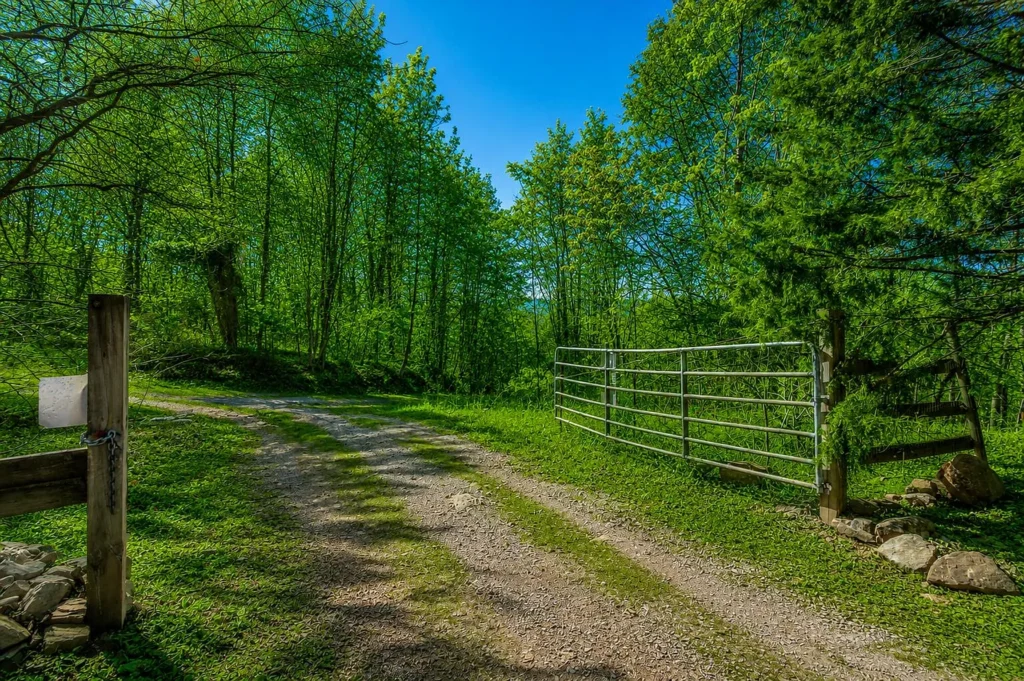
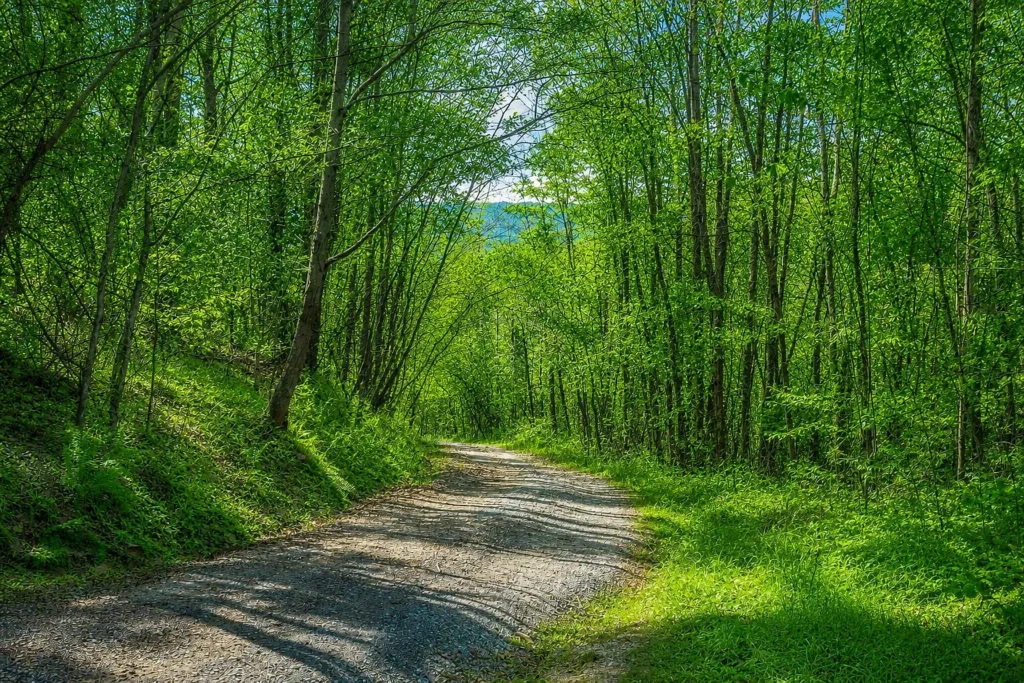
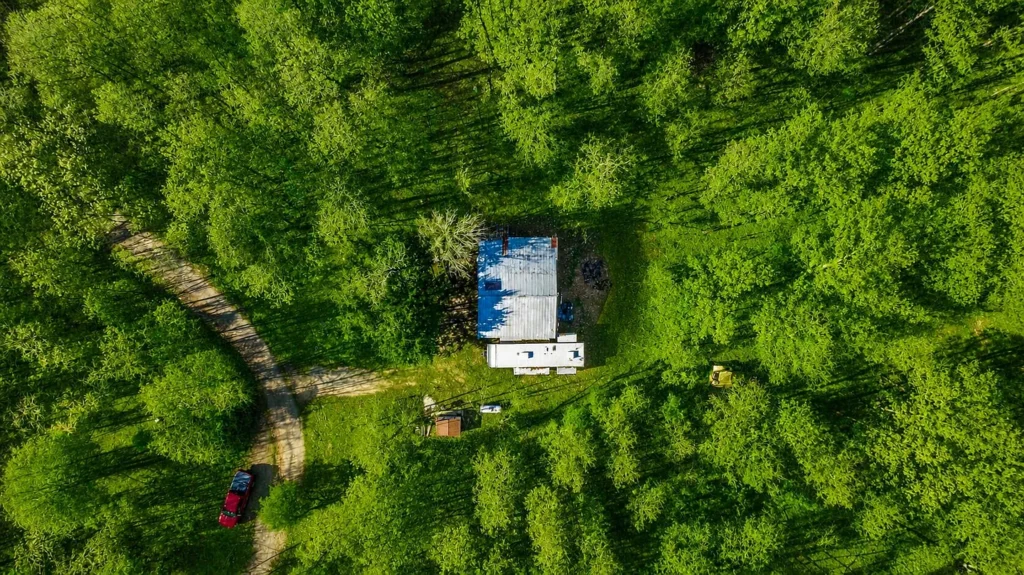
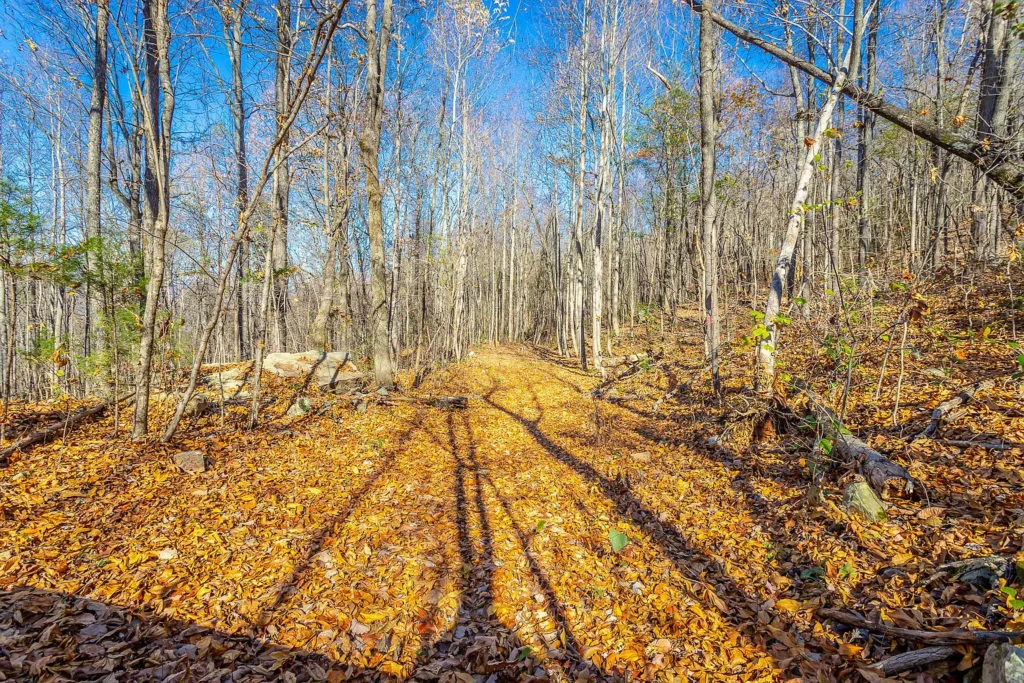
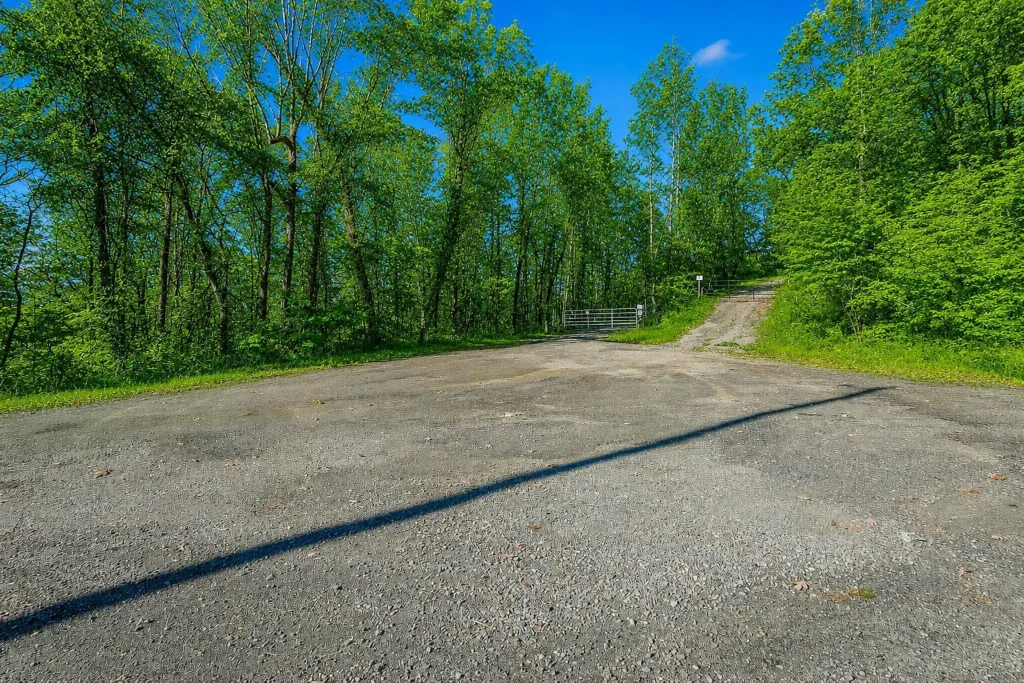
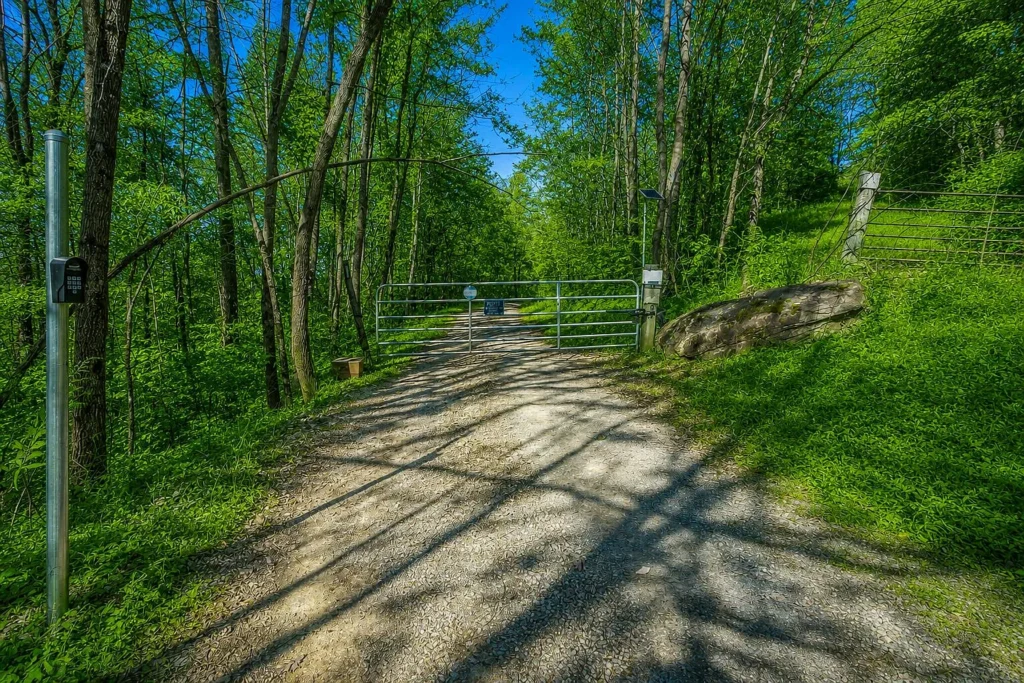
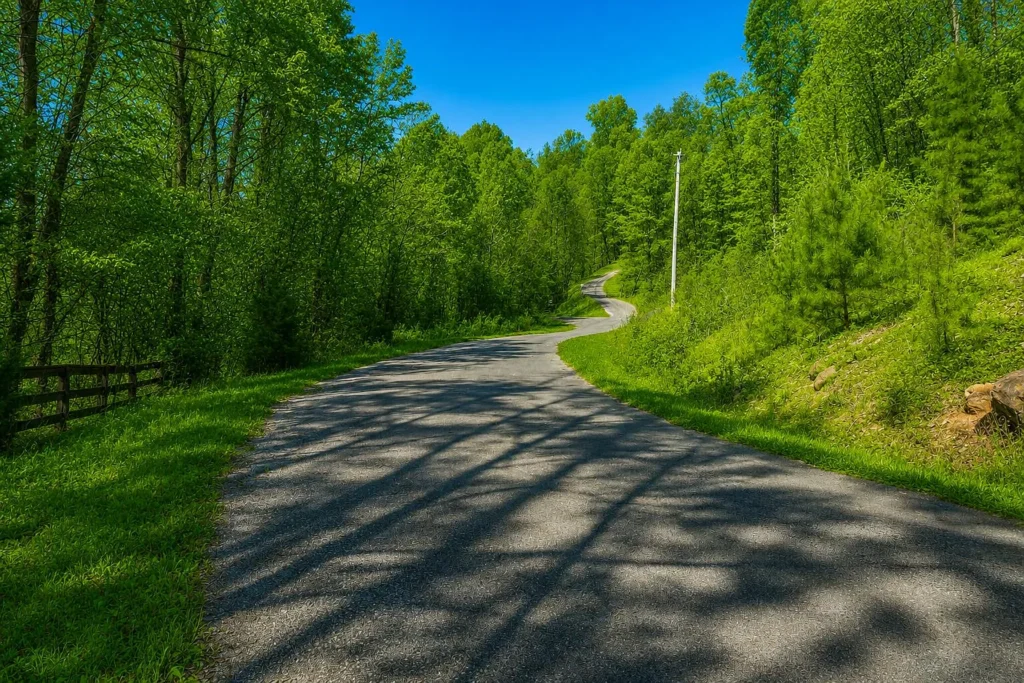
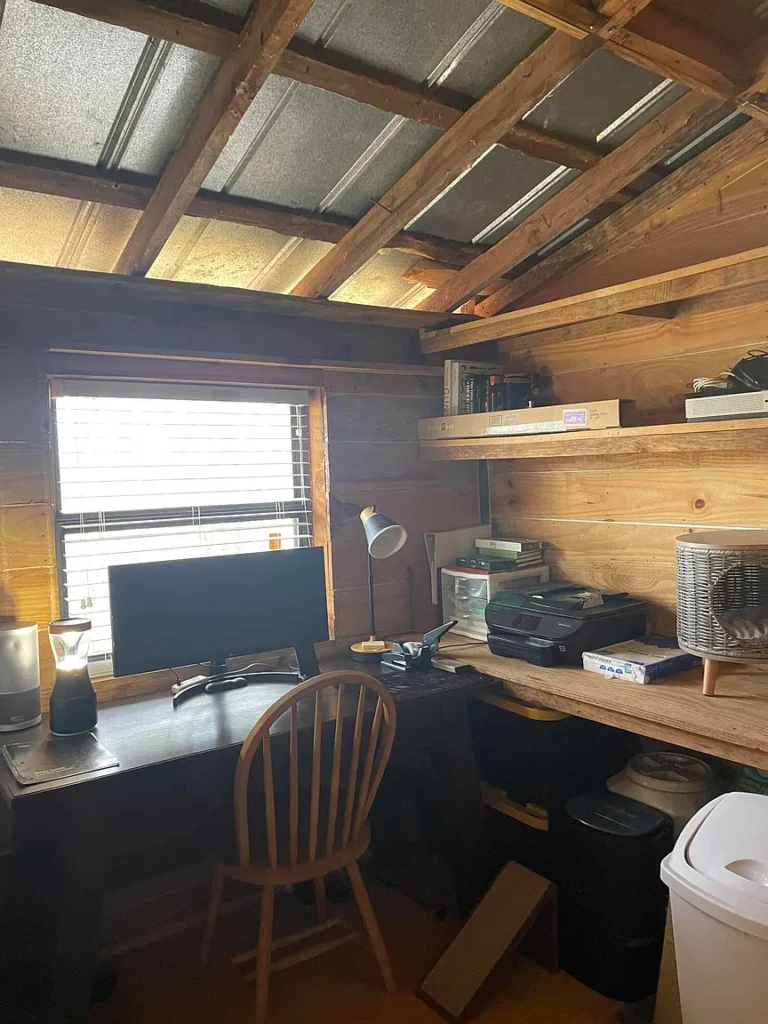
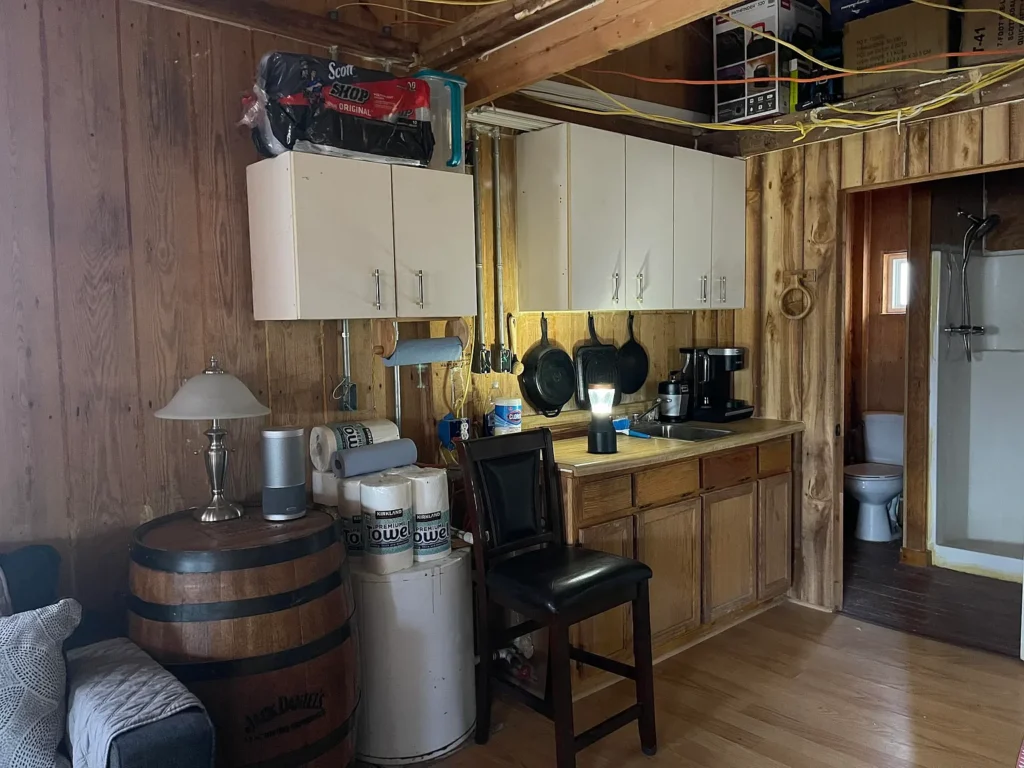
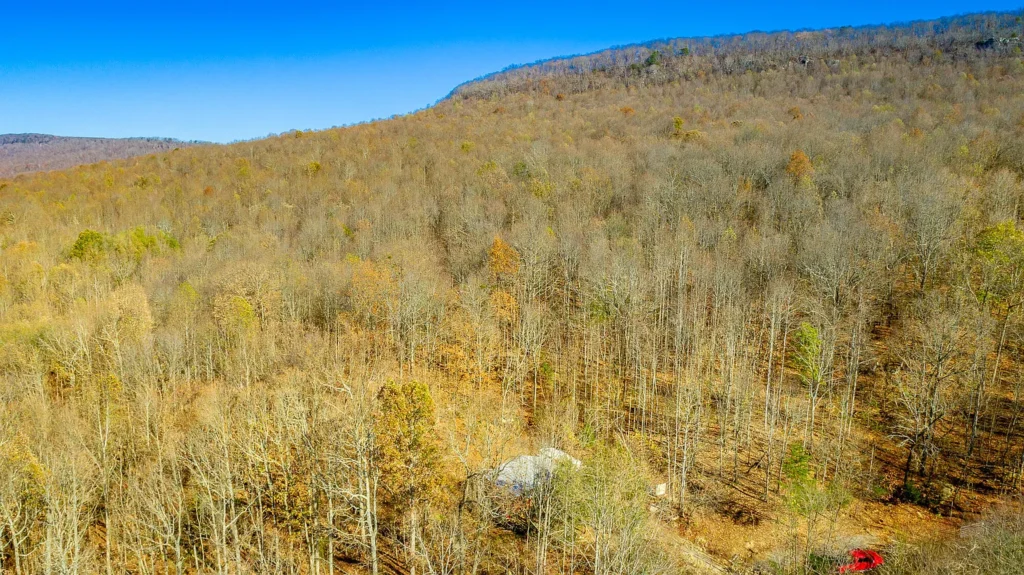
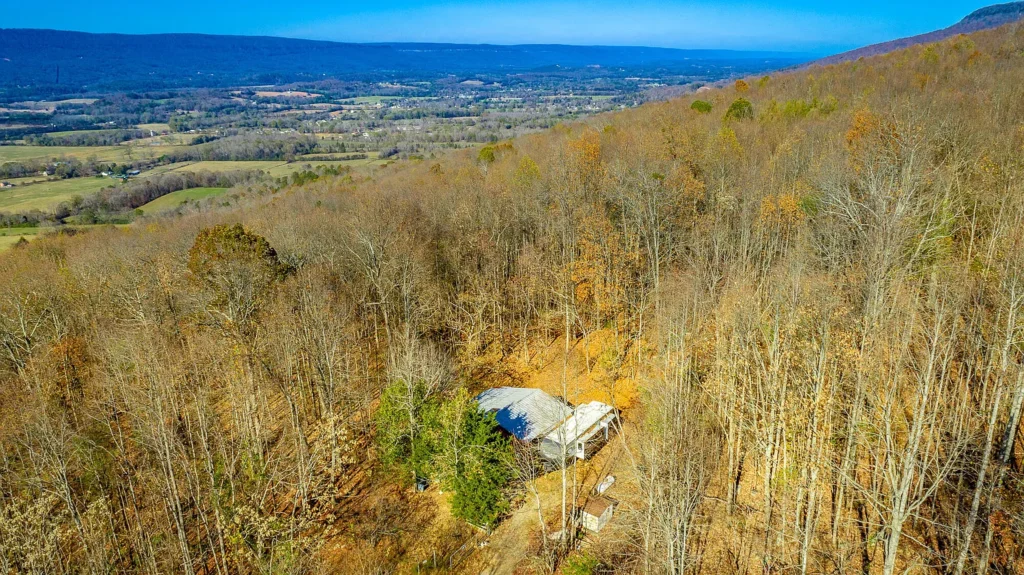
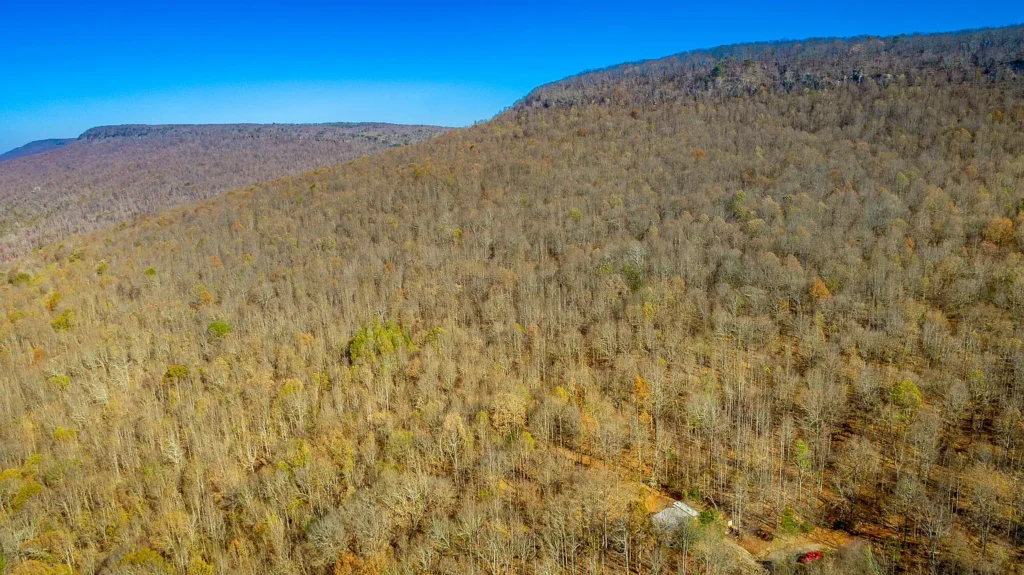
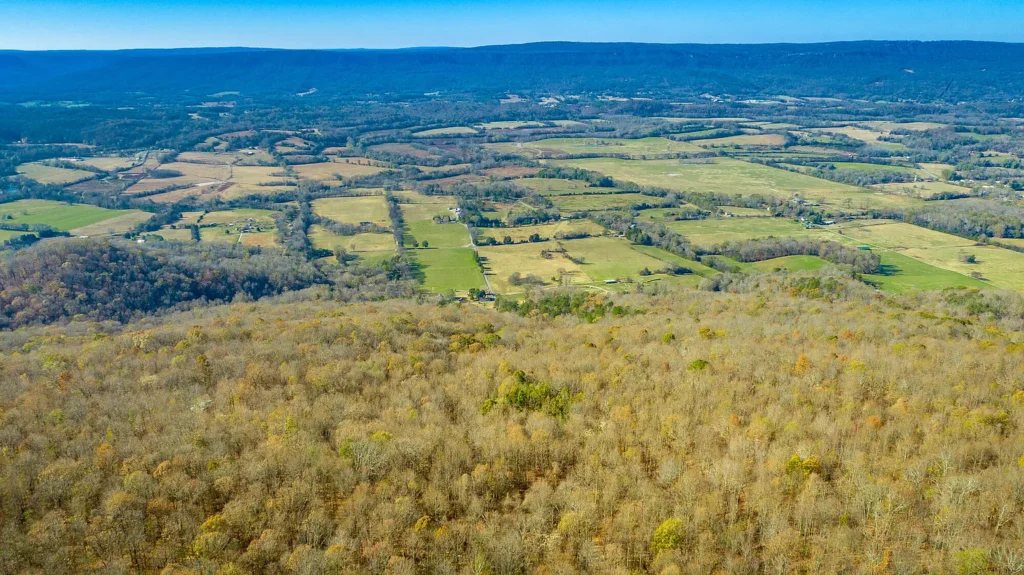
The property is marketed primarily as unimproved land, but it is not simply an empty tract of woods. Current listing information describes a cabin, private well, septic system, propane infrastructure, gated access and other equipment associated with the sale. The land itself includes wooded, rolling, sloped and some level terrain with mountain and valley views.
For anyone researching land for sale in Tennessee, recreational acreage, an off-grid property or a long-term real estate investment, there is plenty to examine before deciding what this property may actually be worth to a particular buyer.
Property Overview
| Property Detail | Information |
|---|---|
| Address | 1111 Ditch Gap Rd, Whitwell, TN 37397 |
| Asking Price | $525,000 |
| Property Type | Land / Unimproved Land |
| Lot Size | 201.44 acres |
| Approx. Price Per Acre | $2,606 |
| County | Marion County |
| Water | Private well |
| Sewer | Septic tank |
| HOA | None reported |
| Annual Property Tax | Approx. $515 reported |
| Access | County road / gated entrance |
| Terrain | Level, rolling, sloped and wooded |
| Views | Mountain and valley |
| Parcel | 074 028.00 / 074 02800 000 |
| Financing Listed | Cash / conventional |
| Zoning | Listed as unknown |
Current real-estate sources continue to show the property at $525,000 for 201.44 acres.
How Much Does This Tennessee Land Cost Per Acre?
For large acreage, looking only at the total purchase price can be misleading. Calculating the asking price per acre gives buyers another useful reference point.
At $525,000 for 201.44 acres:
$525,000 ÷ 201.44 = approximately $2,606 per acre.
That figure is also reported by current real-estate sources.
However, price per acre should never be treated as a complete land valuation.
Two 200-acre properties can have dramatically different values depending on road access, topography, usable acreage, timber, utilities, water availability, septic suitability, development restrictions, zoning, easements and improvements.
A buyer comparing this property with other Tennessee land for sale should therefore compare similar large rural tracts rather than simply comparing it with the average price of small residential lots.
More Than Just 201 Acres of Vacant Land
One interesting part of this property is that the purchase reportedly includes improvements and equipment.
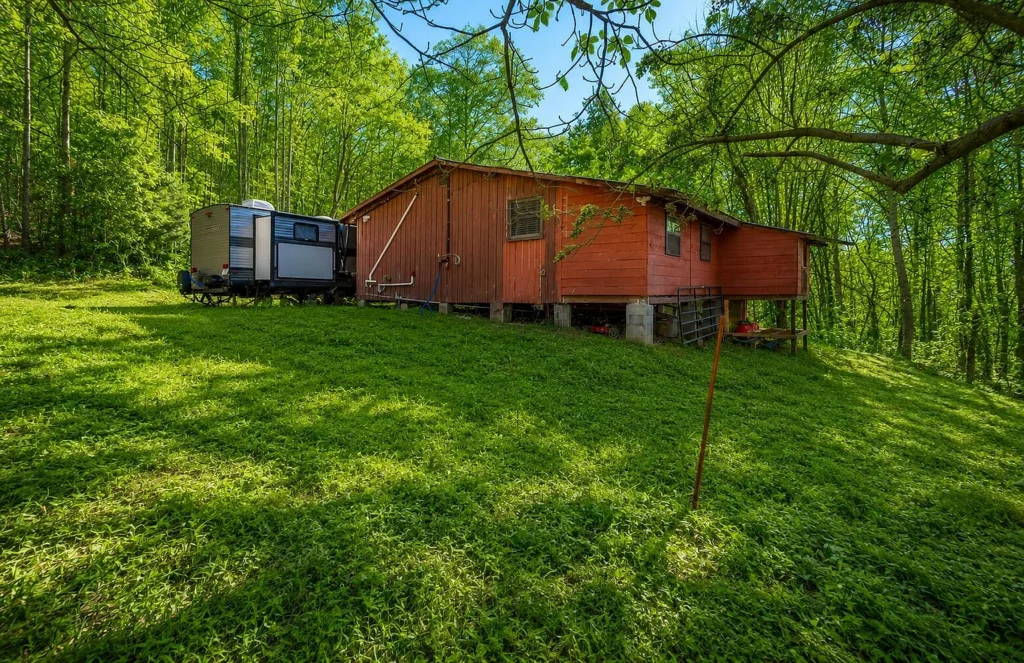
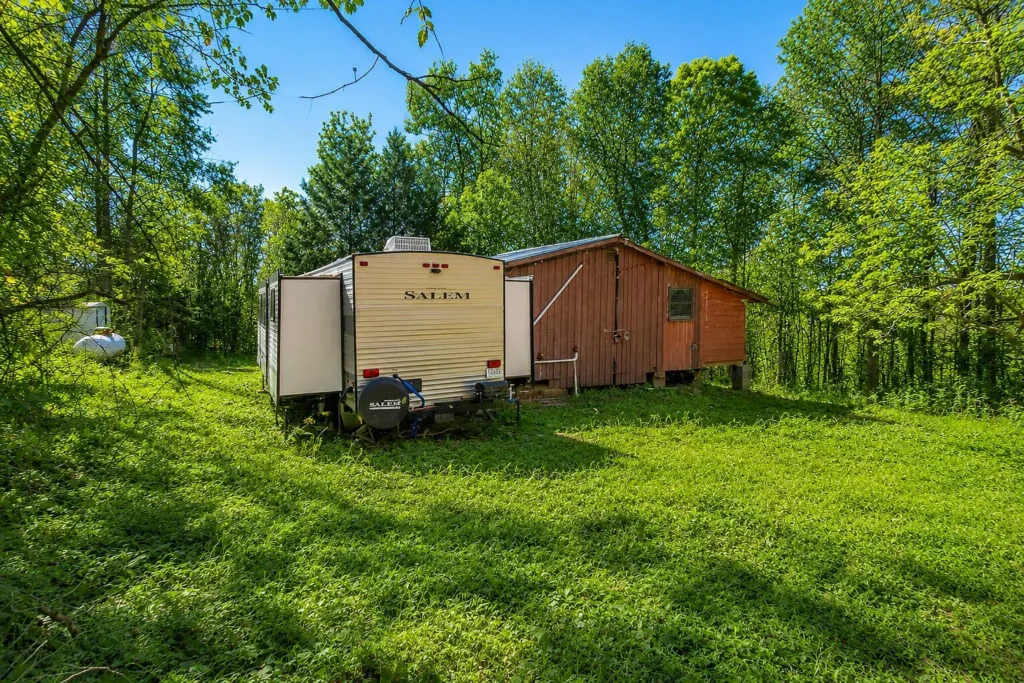
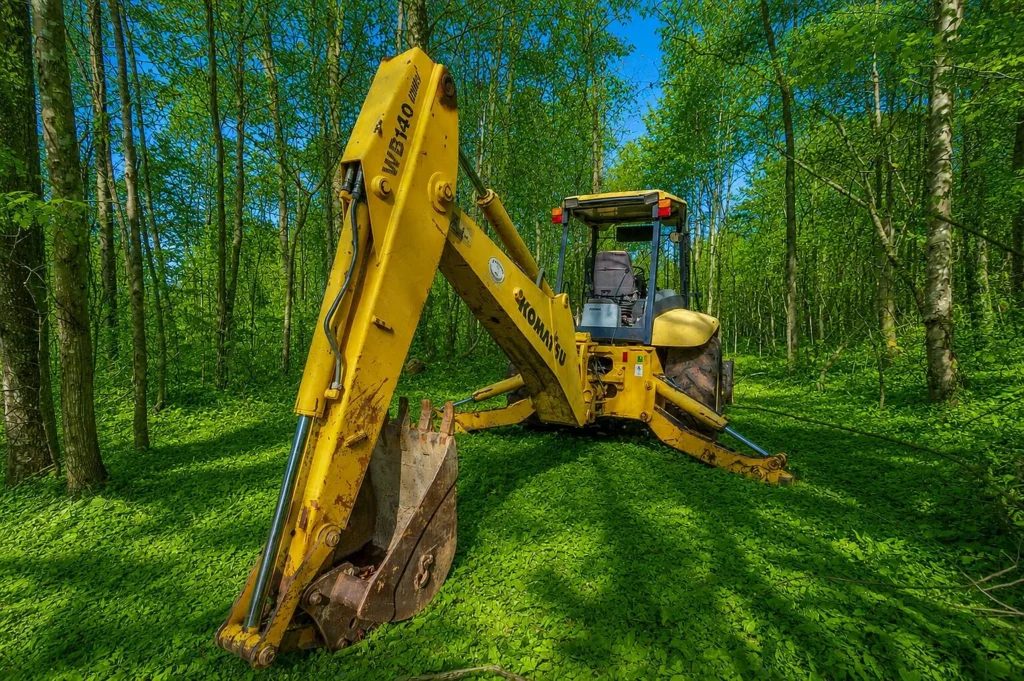
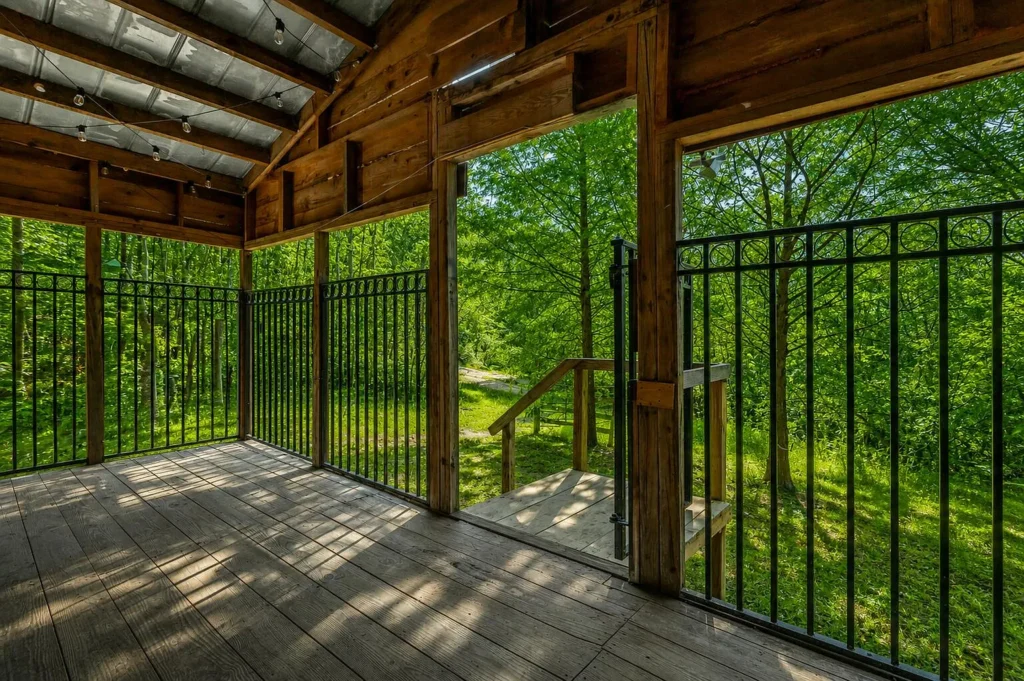
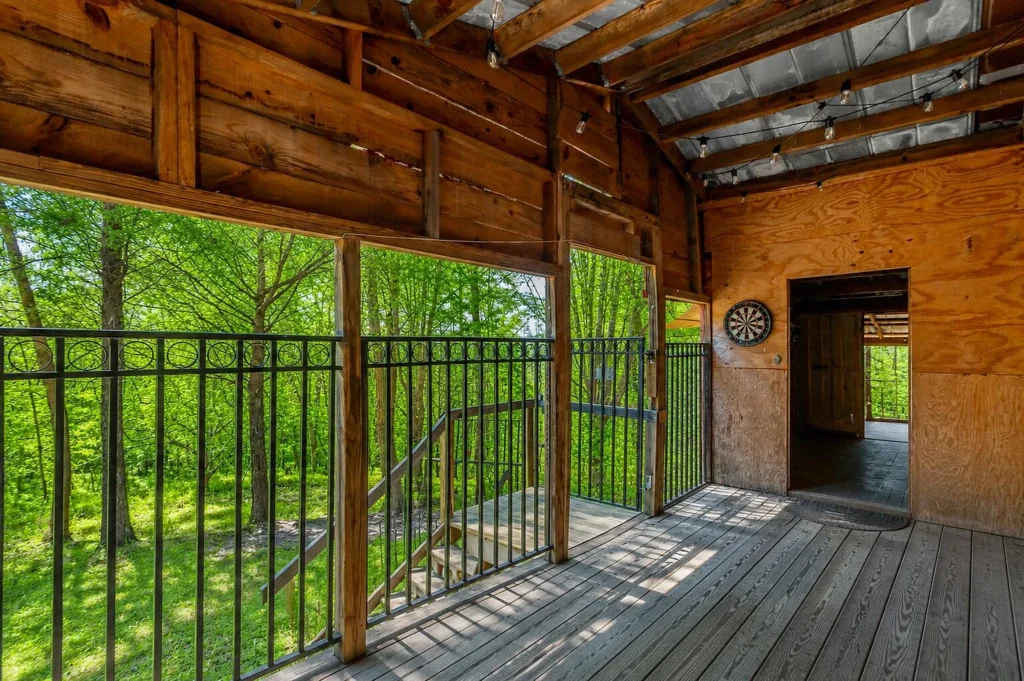
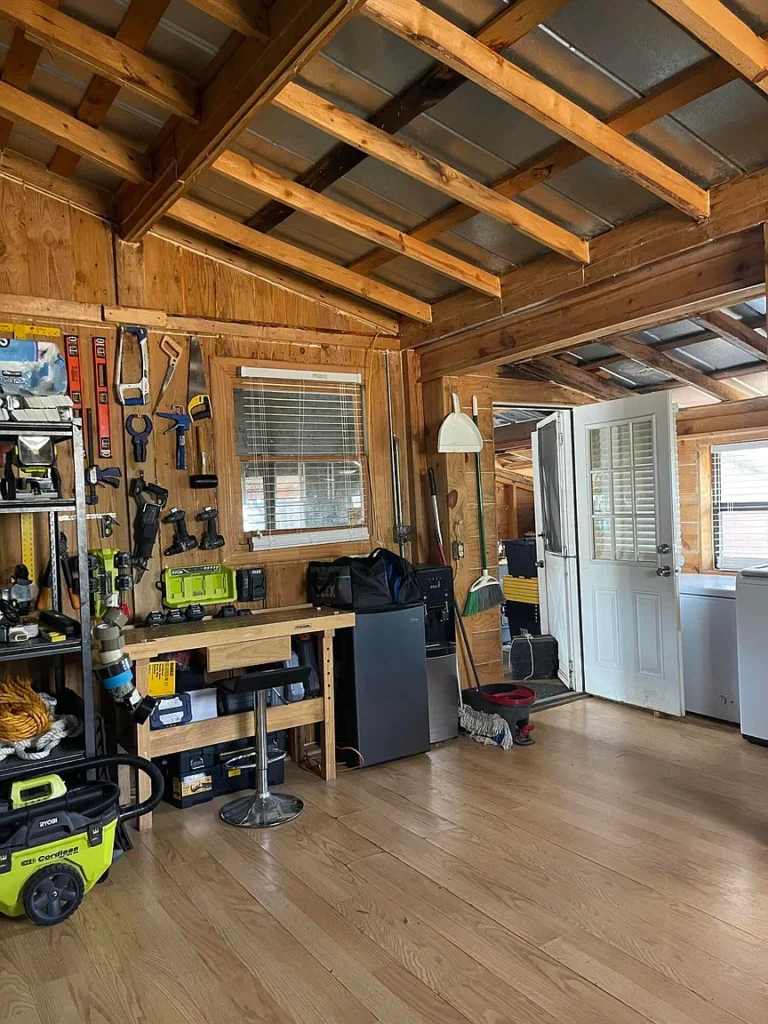
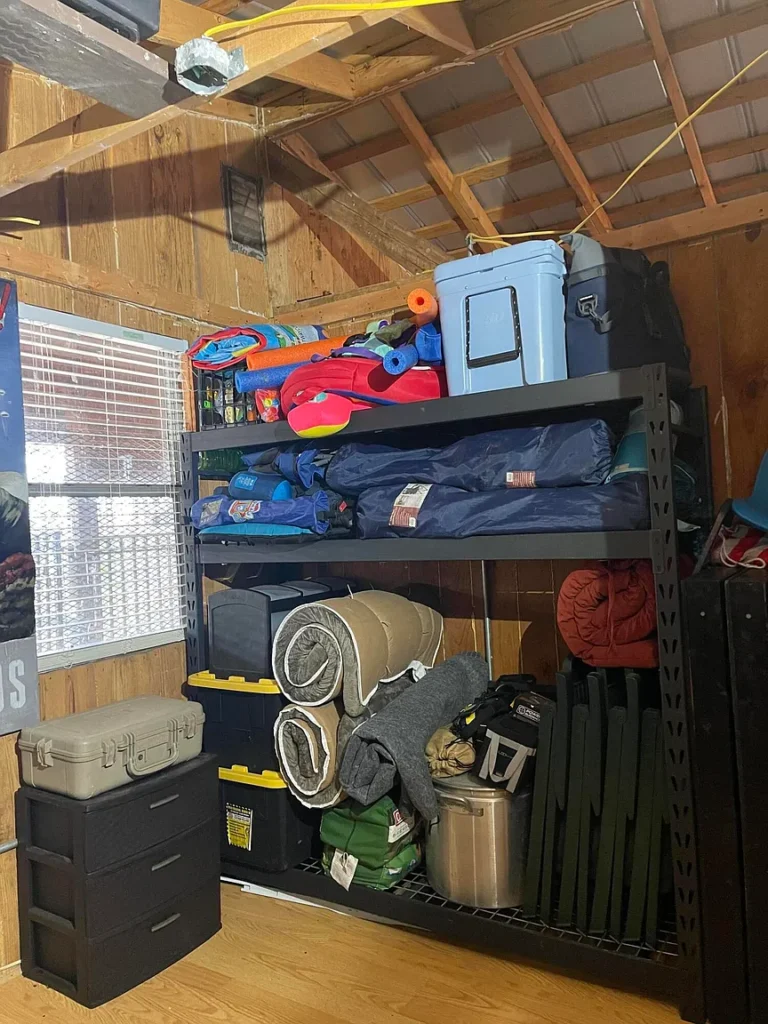
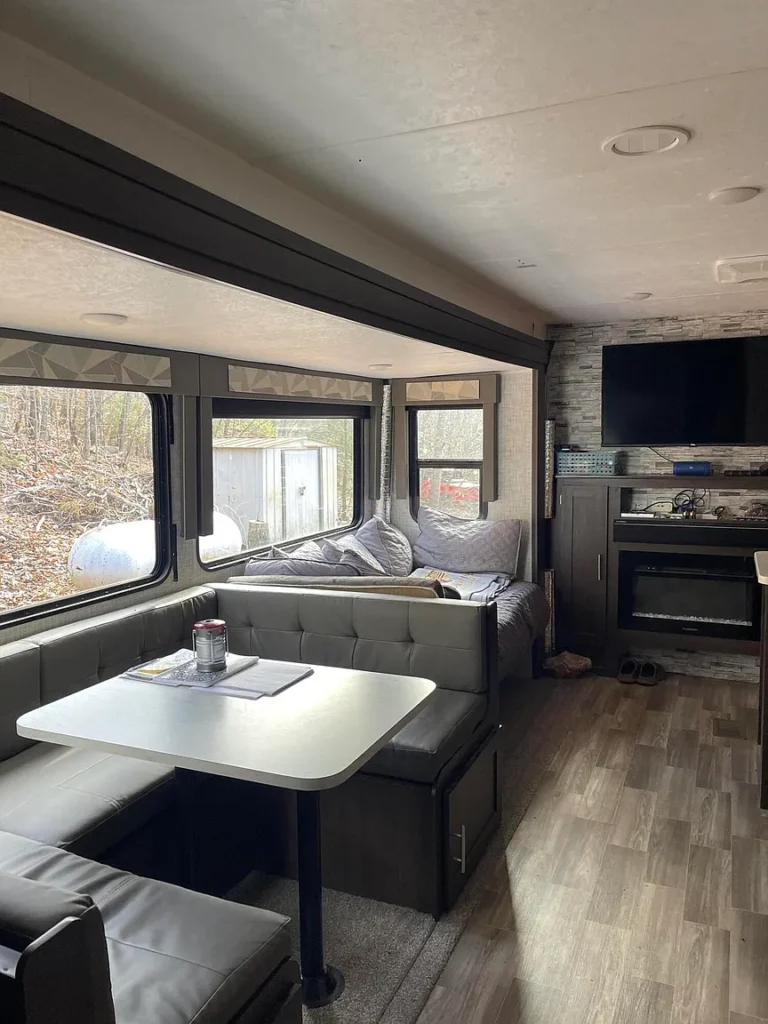
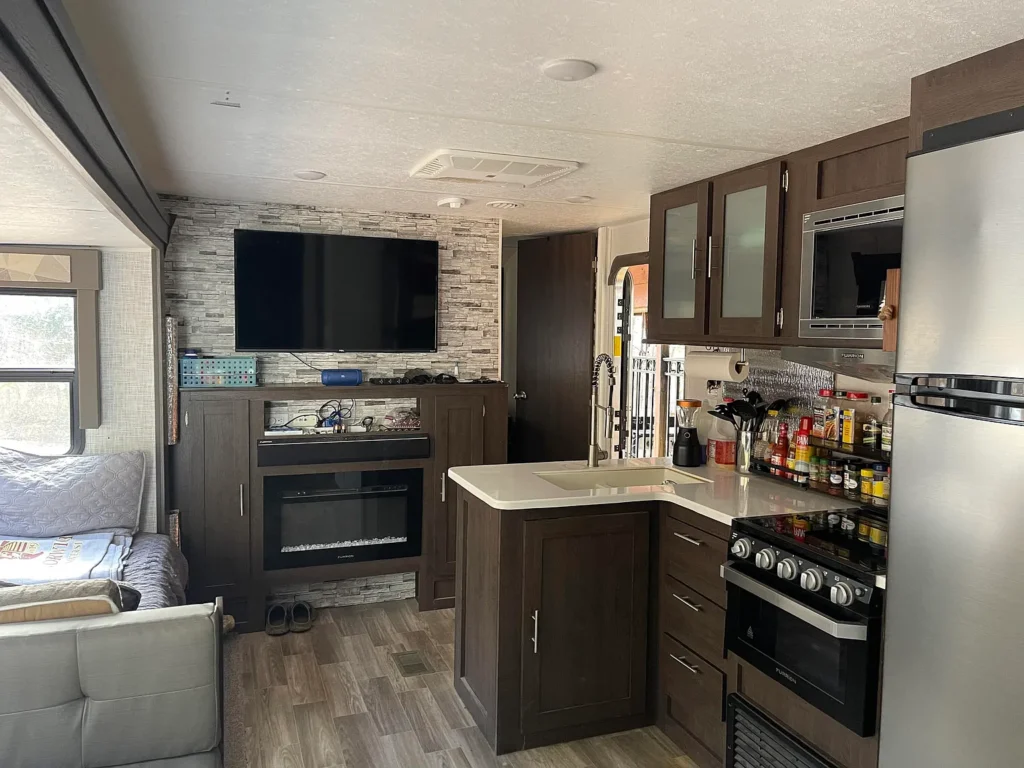
Listing information describes a 768-square-foot partially furnished cabin, a private well, septic system, propane tank, a 2019 33-foot travel trailer, a 7,500-watt tri-fuel generator and gated access. Certain tools and equipment, including a backhoe, are also described as part of the sale.
That distinction matters.
Installing infrastructure on undeveloped rural land can add significant project complexity. A completely raw parcel may require a buyer to investigate water access, septic feasibility, power, roads and site preparation before it can be comfortably used.
Here, some infrastructure already exists, although a buyer should independently inspect every system and confirm exactly which personal property and equipment will transfer at closing.
Could This Work as an Off-Grid Property?
For buyers researching off-grid land in Tennessee, the property has several characteristics worth investigating.
The acreage provides substantial privacy, while the reported well and septic system address two major infrastructure questions. A propane tank and generator could also support a more independent rural setup.
However, “off-grid” can mean different things to different buyers.
Someone wanting occasional recreational use has very different requirements from someone planning a full-time residence. A full-time off-grid homestead may require careful planning for electrical generation, battery storage, heating and cooling, water pumping, backup systems, internet connectivity, road maintenance and emergency access.
The existing systems should therefore be viewed as a starting point—not proof that the property will meet every buyer’s off-grid requirements.
A Potential Hunting and Recreational Property
More than 200 wooded acres can provide substantial room for outdoor recreation.
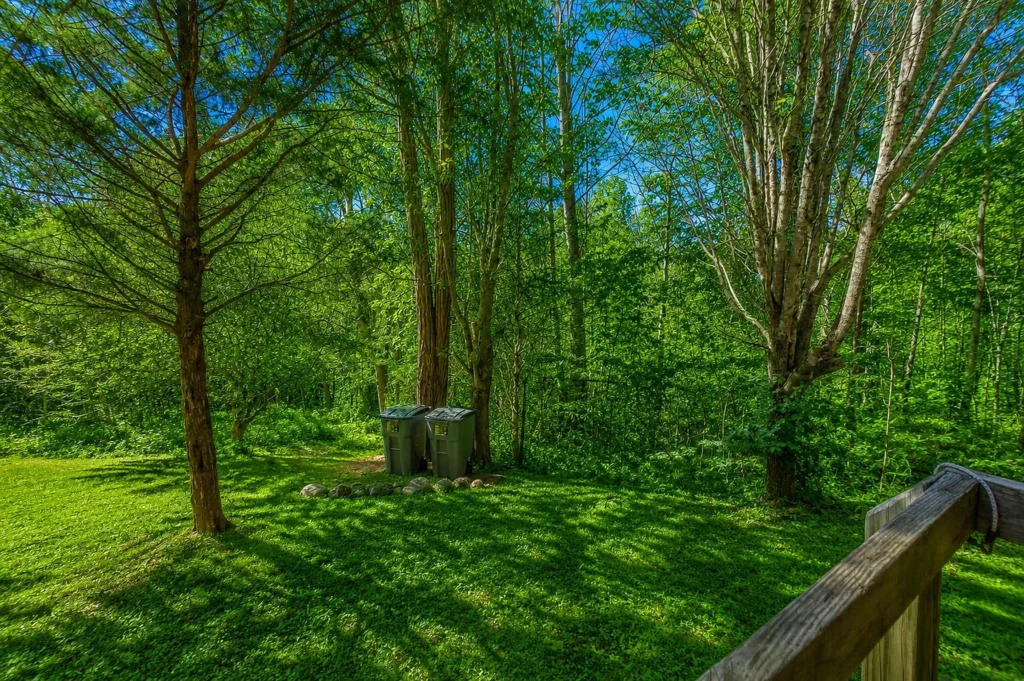
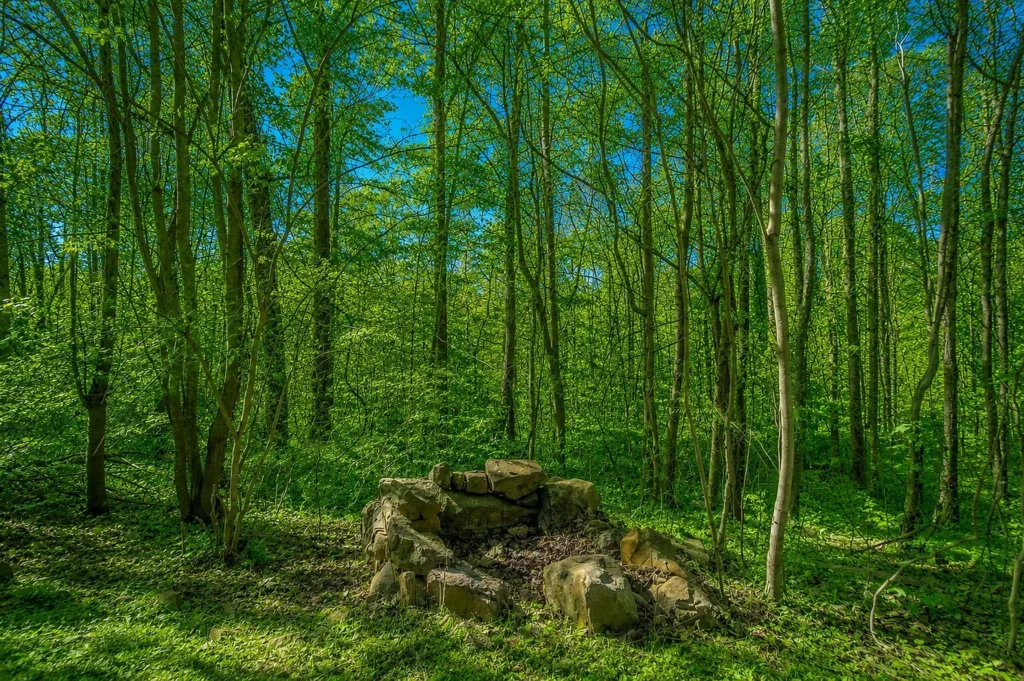
The listing describes wooded areas, bluffs, trails, rolling terrain and level areas. It also markets the land for hunting and mentions deer and turkey activity. Those wildlife claims should naturally be verified by a prospective buyer rather than assumed.
The broader area does have a strong outdoor-recreation context.
Nearby Prentice Cooper State Forest covers approximately 26,945 acres in Marion County. Tennessee’s Division of Forestry says it offers hiking, hunting, mountain biking, horseback riding, rock climbing, bird watching and designated OHV opportunities.
That does not mean the same rules or recreational opportunities automatically apply to this privately owned property, but it provides useful context for the surrounding area.
Could the Land Be Used for Camping or Short-Term Rentals?
One of the more interesting investment ideas mentioned in marketing for the property is creating additional camping sites or potentially using portions of the land for outdoor hospitality.
With 201 acres, it is easy to imagine possibilities such as primitive campsites, RV sites, cabins or a private outdoor retreat.
But this is an area where buyers need to separate possibility from legal permission.
The current listing identifies zoning as unknown.
Before spending money based on a campground, short-term rental or development plan, a buyer should determine what Marion County and any other relevant authorities actually allow.
Questions should include whether commercial camping is permitted, whether permits are required for additional cabins or structures, what septic capacity would be necessary, whether there are driveway or road requirements, and whether fire, safety or occupancy rules apply.
A large parcel does not automatically give the owner permission to operate every type of business.
Property Taxes Are Especially Interesting Here
The reported annual property tax is approximately $515.
Compared with a $525,000 asking price, that number may look unusually low.
One important piece of context is Tennessee’s Greenbelt Law.
Tennessee’s State Board of Equalization explains that qualifying agricultural, forest and open-space land can be valued according to its current use instead of a potentially higher-value use.
The listing identifies this property as having Greenbelt status.
This can be financially significant for owners of qualifying acreage, but buyers should not assume that the current tax treatment will continue unchanged under every future ownership or land-use scenario.
Tennessee also warns that changing the qualifying use or otherwise losing Greenbelt eligibility can create rollback tax consequences in certain circumstances.
Therefore, a prospective buyer should verify the property’s current Greenbelt classification, current assessment, future eligibility and potential rollback-tax exposure directly with the appropriate county authorities before purchasing.
Asking Price vs. Tax Assessment
The listing information provided for the property shows an asking price of $525,000, while some listing data describes the property as being priced below its tax-appraised value.
This deserves careful interpretation.
A tax appraisal or assessment is not the same thing as an independent market appraisal.
The amount a buyer should pay ultimately depends on market evidence, the property’s usable acreage, improvements, access, restrictions and the buyer’s intended use.
For a $525,000 land purchase, obtaining professional valuation advice and reviewing comparable rural acreage sales could be worthwhile before making a major financial commitment.
What About Financing 201 Acres?
The listing indicates cash and conventional financing terms.
Financing a large rural land purchase can differ from obtaining a standard mortgage on a suburban home.
Depending on the property and borrower, buyers may need to investigate a land loan, rural property financing, conventional financing or other real estate loan options.
Lenders may consider factors such as down payment, credit profile, property appraisal, access, improvements, intended use and whether the property can adequately secure the loan.
Buyers planning future construction may also want to ask lenders whether a separate construction loan would eventually be required.
Interest rates, down-payment requirements and loan terms can vary significantly, so financing should be investigated before relying on projected monthly payments.
What Could 201 Acres Be Used For?
The property’s scale creates several possible directions, although each would require its own feasibility and legal review.
A buyer could investigate use as a private recreational retreat, hunting property, off-grid or rural homestead, long-term land holding, managed woodland, family getaway, or potentially some form of camping/outdoor hospitality operation.
The cabin and existing infrastructure could make recreational use easier than starting with completely raw acreage.
But the more commercial the plan becomes, the more important zoning, permitting, insurance, utilities, road capacity and liability become.
Potential Advantages and Risks
The most obvious attraction is scale: 201.44 acres provides a level of privacy and flexibility that smaller rural parcels cannot offer. The reported well, septic system, cabin, generator and other equipment may also reduce some initial setup work. Greenbelt treatment may help explain the comparatively low reported property-tax bill, and the lack of an HOA removes another common layer of private-community restrictions.
On the other hand, large acreage creates responsibilities. Roads and trails may require maintenance, wooded land needs management, equipment eventually needs repair, and steep or irregular terrain may limit where construction is practical. Unknown zoning should be resolved before any development assumptions are made.
Greenbelt treatment also deserves professional review if a buyer plans to change how portions of the property are used.
What Buyers Should Investigate Before Purchasing
A serious buyer should not base a $525,000 decision solely on acreage and photographs. Important due diligence includes confirming the boundary and survey, deed and title, easements and access rights, Greenbelt classification, property taxes and rollback exposure, zoning and permitted uses, building requirements, septic condition and capacity, well condition and water quality, utility availability, flood and drainage conditions, timber or mineral rights, insurance availability, and the condition and ownership of all structures and equipment included in the transaction.
Because the terrain varies across more than 200 acres, understanding how much of the land is practically usable for the buyer’s intended purpose may be just as important as the total acreage.
Is $525,000 a Reasonable Price?
There isn’t enough information from the listing alone to answer that question responsibly.
At approximately $2,606 per acre, the property gives buyers a useful starting metric. But valuing rural acreage requires comparable sales and adjustments for location, access, topography, utilities, timber, improvements, development potential and restrictions.
The included cabin and equipment may carry value, but buyers should separately evaluate their condition rather than simply assuming their replacement cost should be added dollar-for-dollar to the land value.
For someone seriously considering the purchase, a professional appraisal and comparison with recent sales of similar large-acreage properties in Marion County and the surrounding Tennessee market would provide much stronger evidence.
Final Thoughts
1111 Ditch Gap Rd stands out because this is not simply a small vacant lot marketed as an investment.
At the current $525,000 asking price, the buyer is considering more than 200 acres of private Tennessee countryside at roughly $2,606 per acre, along with existing infrastructure and various included improvements or equipment. Current listing sources show the property as active and continue to report the 201.44-acre size and $525,000 price.
Its potential could appeal to buyers looking for privacy, outdoor recreation, hunting acreage, an off-grid lifestyle or a long-term land investment.
At the same time, potential is not the same as guaranteed investment return or development approval. Zoning, Greenbelt rules, financing, access, infrastructure, insurance and development costs should all be verified before purchasing.
For the right buyer, the key question may not simply be “Is 201 acres for $525,000 cheap?”
A more useful question is:
“How much of these 201 acres can I legally and economically use for what I want to do?”
That answer will ultimately determine the property’s value to an individual buyer.
Frequently Asked Questions
How many acres are included at 1111 Ditch Gap Rd?
Current listing information reports approximately 201.44 acres.
What is the asking price per acre?
At $525,000, the asking price works out to approximately $2,606 per acre.
Does the property have a well and septic system?
Yes. Current listing information reports a private well and septic tank.
Is there an HOA?
Current listing information reports no HOA.
What are the annual property taxes?
Current listings report approximately $515 per year. Buyers should verify the current bill and Greenbelt treatment before purchasing.
Can the property be used for short-term rentals or a campground?
The acreage may make those ideas worth investigating, but the listing currently shows zoning as unknown. Buyers should obtain confirmation of permitted uses and required approvals before assuming a commercial camping or rental project is allowed.
Is this property suitable for an off-grid homestead?
It has features that may support such a plan, including substantial acreage, a well, septic system and other infrastructure. Suitability depends on inspections, legal requirements, utilities, access and the buyer’s specific plans.
Disclaimer: This article is for informational and educational purposes only and is not real estate, investment, tax, legal or financial advice. Property information, pricing, taxes, availability, inclusions and regulations can change. Prospective buyers should independently verify all information with the listing agent, county authorities and qualified professionals before making a purchase decision.

Original property listing:
View 1111 Ditch Gap Rd on Zillow